Plizio Visual Lab
Okapi Wildlife Reserve
Weather…
Water temperature…
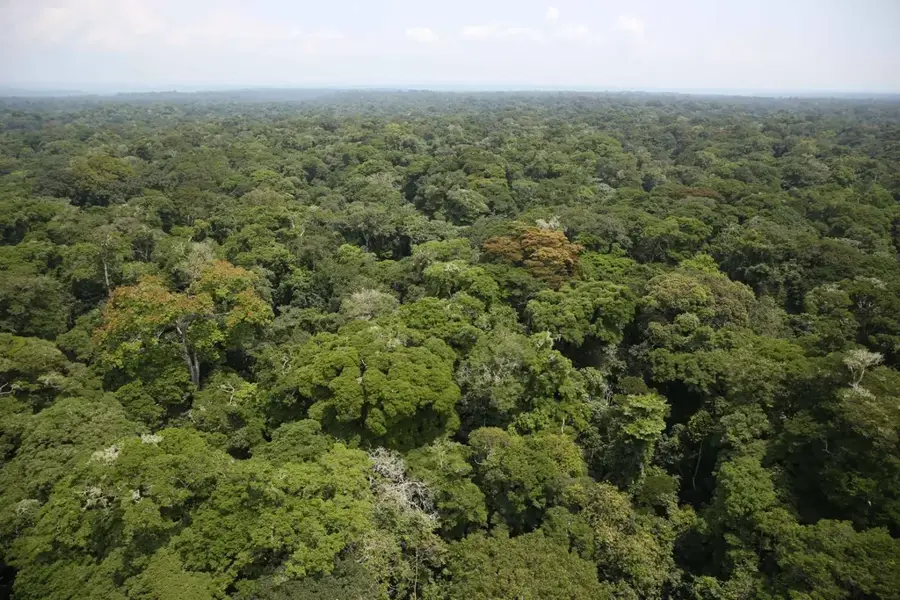
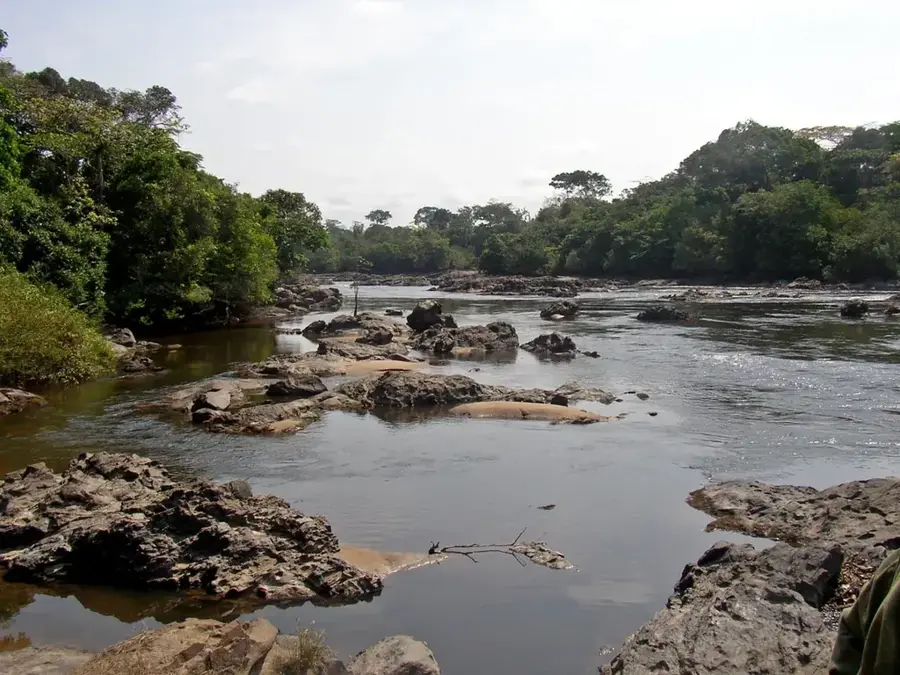
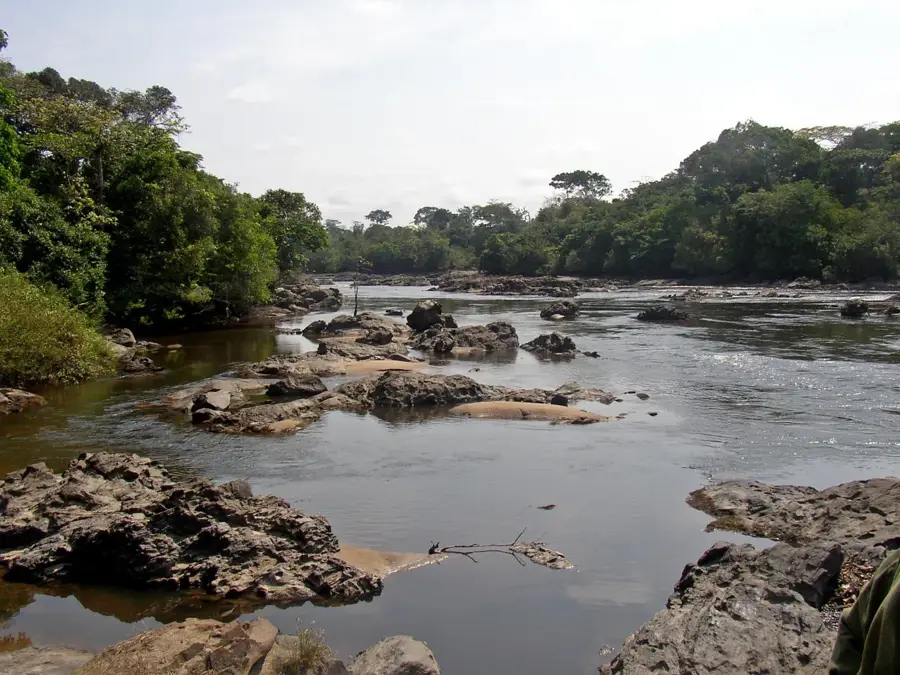
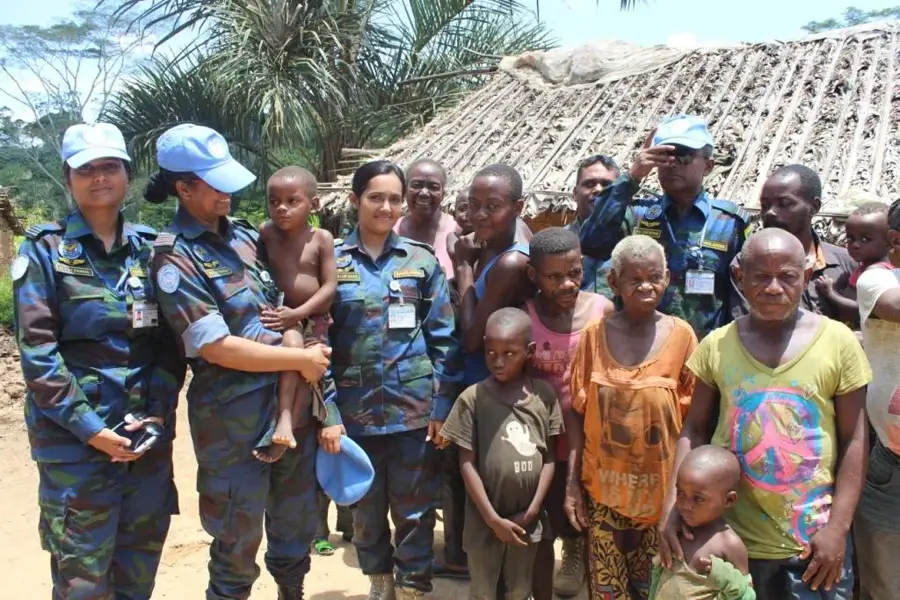
The Okapi Wildlife Reserve, located in the northeast of the Democratic Republic of Congo, is a UNESCO World Heritage Site established in 1996 to protect the rare okapi, also known as the forest giraffe. The reserve covers nearly 14,000 square kilometers of the Ituri Forest, a dense tropical rainforest. It is home to approximately 5,000 of the estimated 10,000-20,000 okapis remaining in the wild, making it the most important conservation zone for the species. In addition to okapis, the reserve also provides habitat for other threatened species such as forest elephants, chimpanzees, and 13 other primate species. The area is also the home of the nomadic Mbuti and Efe pygmies, whose traditional way of life is intrinsically linked to the forest. Since 1997, the reserve has been on the List of World Heritage in Danger due to illegal mining, poaching, and armed conflict in the region. The Okapi Conservation Project, founded in 1987, works tirelessly to protect the reserve, train rangers, and support local communities.
Explore on the map
How well do you know Congo - Kinshasa?
Find cities, landscapes and regions in 10 varied challenges on the interactive map.
Your journey, your memory
A postcard from Okapi Wildlife Reserve
Turn your own photo into a personal postcard with a local stamp. Free and no sign-up required.
Create a postcardBest time to visit & climate
The most pleasant time to visit is Jan, Feb, Dec.
| Jan | Feb | Mar | Apr | May | Jun | Jul | Aug | Sep | Oct | Nov | Dec | |
|---|---|---|---|---|---|---|---|---|---|---|---|---|
| Avg °C | 23 | 24 | 23 | 23 | 22 | 22 | 22 | 22 | 22 | 22 | 22 | 22 |
| Rain mm | 45 | 83 | 198 | 207 | 185 | 143 | 120 | 169 | 210 | 238 | 177 | 71 |
📋 Practical info
Geography
Facts
- The reserve was founded in 1992 and became a UNESCO World Heritage site in 1996.
- It covers an area of 13,726 square kilometers.
- Approximately one-fifth of the Ituri Forest is located within the reserve.
- The reserve is home to approximately 5,000 okapi.
- It has been on the List of World Heritage in Danger since 1997.
- The okapi was only discovered by Western scientists in 1901.
Explore nearby
Notable places around
Route planner — Car & Motorhome
Where do you start? We build the route here, with stops and country notes along the way.
© OpenStreetMap contributors · OpenRouteService
Sights nearby
Frequently asked questions
What is an okapi?
Where is the reserve located?
Can you see gorillas there?
Is the reserve a UNESCO World Heritage site?
Which ethnic group lives in this forest?
Okapi Wildlife Reserve: where is it located?
Okapi Wildlife Reserve: when is the best time to visit?
Okapi Wildlife Reserve: why is it worth visiting?
Nature


More places