Plizio Visual Lab
Acosta Gold Mines
Weather…
Water temperature…
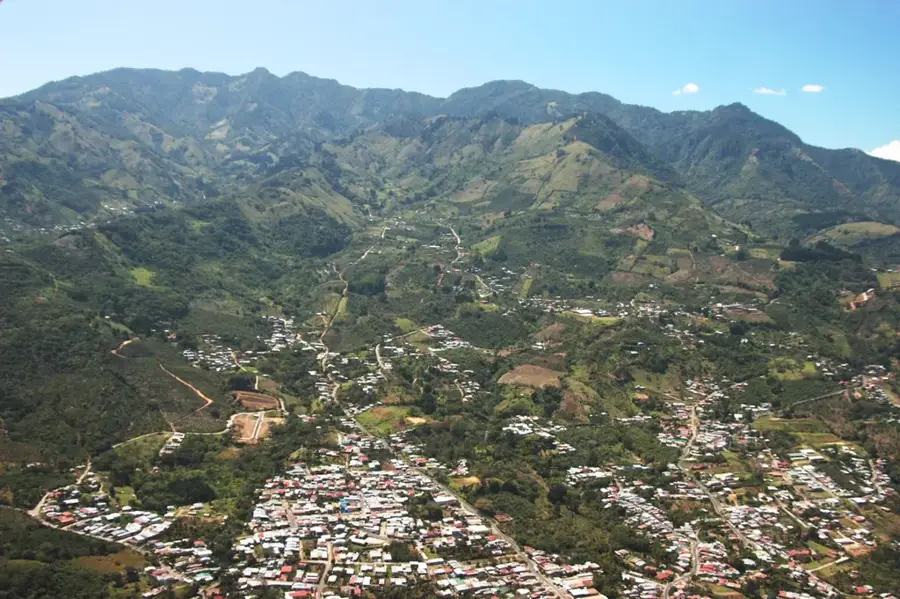
The Acosta Gold Mines, primarily located in the Tablazo mountain range, were instrumental in the economic development of Costa Rica during the 19th century. The discovery of gold veins by Ignacio de Acosta in the late 1790s triggered a mining interest in the highlands south of San José. During the peak of operations in the 1840s and 1850s, extensive tunnel systems were excavated into the solid rock to retrieve the precious metal. The extraction methods of the era included the use of mercury for amalgamation, reflecting the early industrial ambitions of the young republic. Wealth generated from these mines contributed significantly to national infrastructure projects and bolstered the economic status of the 'Coffee Barons,' who often reinvested their agricultural profits into mining ventures. Although commercial mining has long since ceased, the site remains a significant historical landmark that honors the labor of the early miners and documents the foundations of Costa Rica's export-driven economy.
Explore on the map
How well do you know Costa Rica?
Find cities, landscapes and regions in 10 varied challenges on the interactive map.
Your journey, your memory
A postcard from Acosta Gold Mines
Turn your own photo into a personal postcard with a local stamp. Free and no sign-up required.
Create a postcard- Location: Costa Rica
- Nearby: San Ignacio (10 km)
Best time to visit & climate
The most pleasant time to visit is Jan–Mar.
| Jan | Feb | Mar | Apr | May | Jun | Jul | Aug | Sep | Oct | Nov | Dec | |
|---|---|---|---|---|---|---|---|---|---|---|---|---|
| Avg °C | 21 | 21 | 22 | 22 | 22 | 22 | 21 | 21 | 21 | 21 | 21 | 21 |
| Rain mm | 101 | 60 | 73 | 125 | 253 | 240 | 266 | 226 | 233 | 277 | 254 | 150 |
📋 Practical info
Geography
Facts
- Ignacio de Acosta discovered the mines around 1795.
- The mines are situated in the El Tablazo mountain range.
- Peak production occurred between 1840 and 1860.
- Mercury was historically used for the gold extraction process.
- Mining profits helped fund early national infrastructure.
- The site is now recognized as part of the country's industrial heritage.
Explore nearby
Notable places around
Route planner — Car & Motorhome
Where do you start? We build the route here, with stops and country notes along the way.
© OpenStreetMap contributors · OpenRouteService
Sights nearby
Frequently asked questions
What can be seen at the Acosta gold mines?
Are the mines safe for visitors?
When was the peak of gold mining?
Is special equipment needed?
Is there still gold there?
Acosta Gold Mines: where is it located?
Acosta Gold Mines: when is the best time to visit?
Acosta Gold Mines: why is it worth visiting?

Nearby cities
History & landmarks
More places