Plizio Visual Lab
Takutea Wildlife Sanctuary

Weather…
Water temperature…
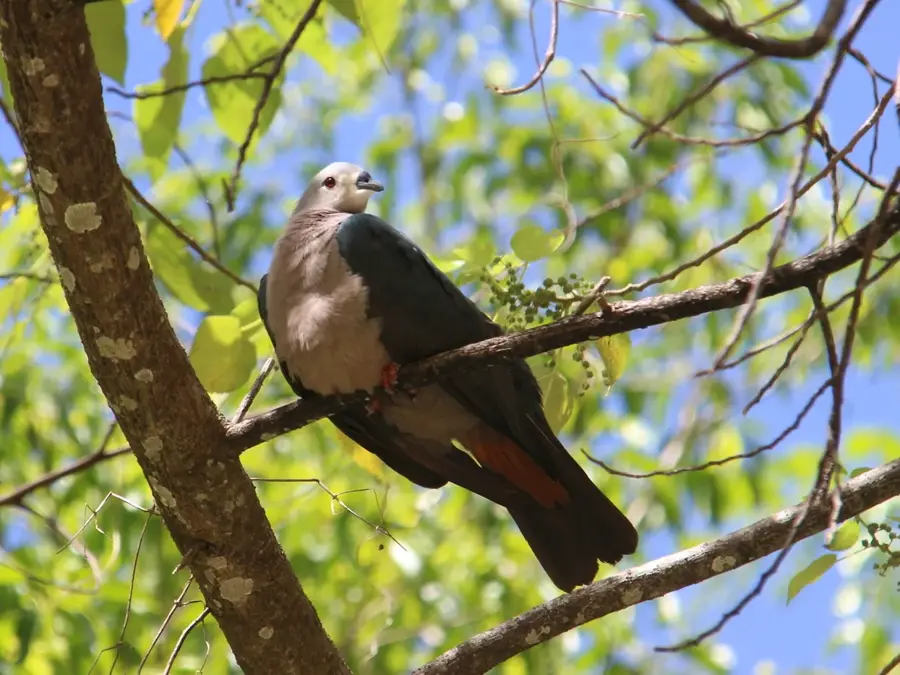
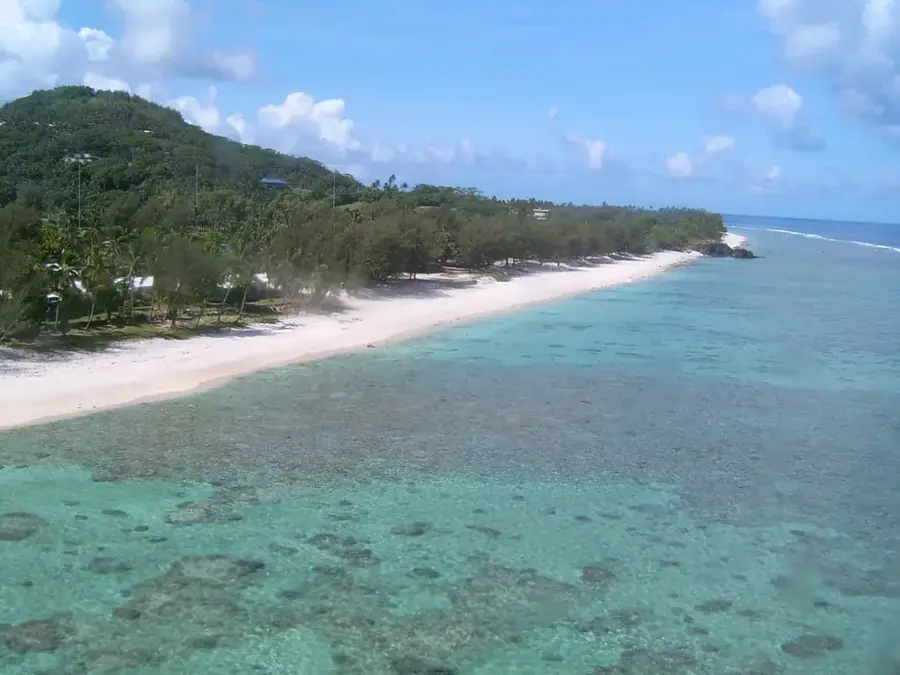
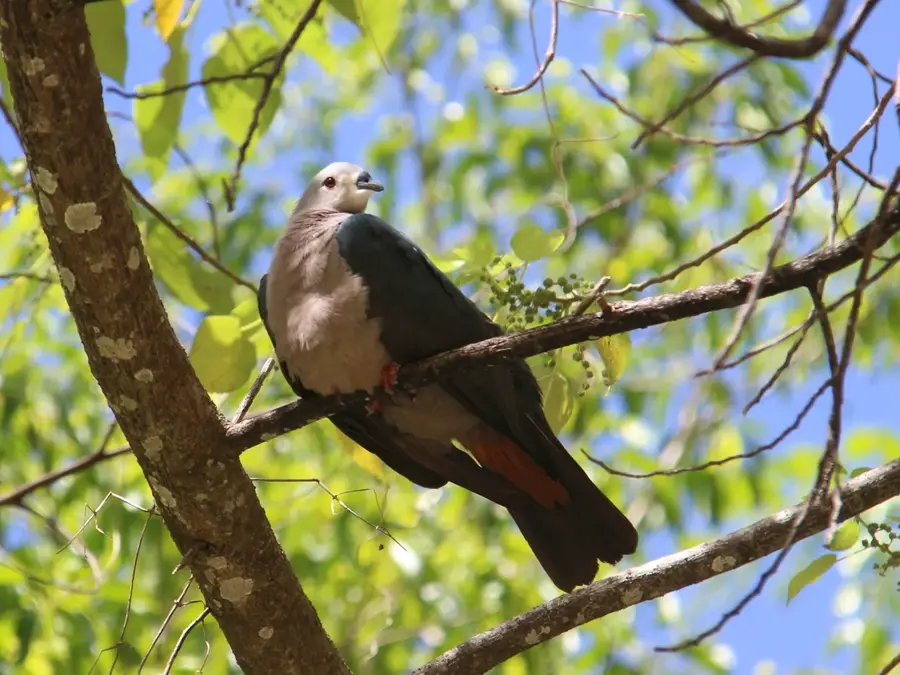
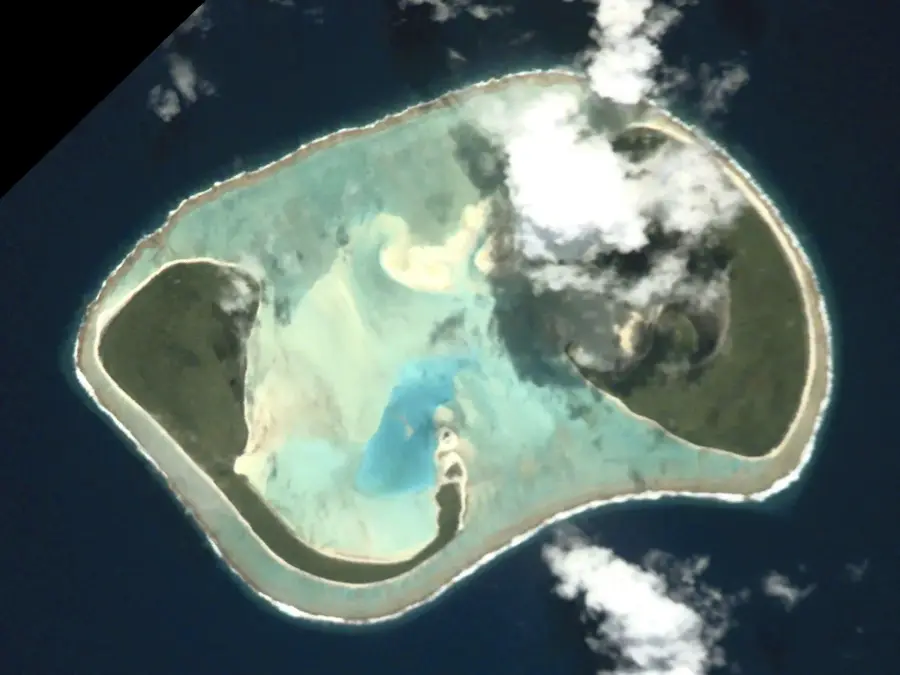
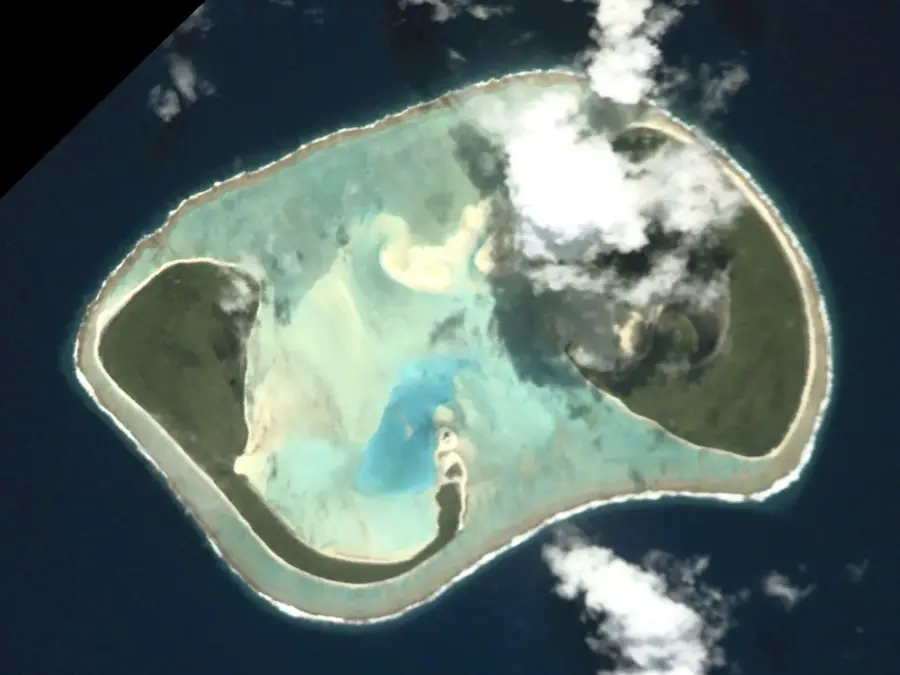
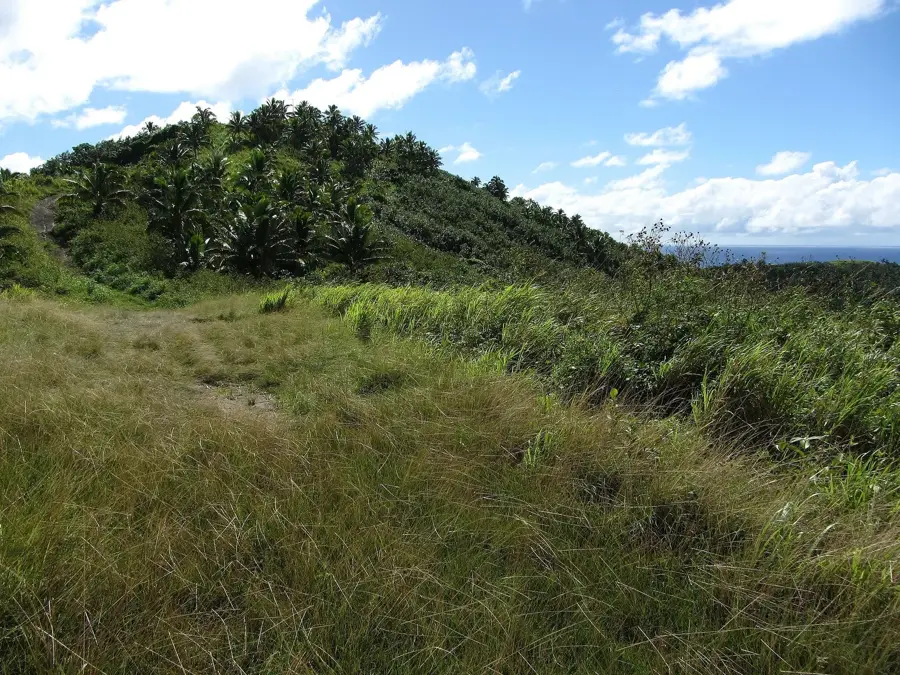
Takutea is a small, uninhabited coral island located roughly 22 kilometers northwest of Atiu. It serves as a vital sanctuary for seabirds, hosting some of the most significant breeding colonies in the South Pacific. Managed by the traditional trustees from Atiu, the island is strictly protected to preserve its unique biodiversity. It is a major nesting site for red-tailed tropicbirds, red-footed boobies, and great frigatebirds, which thrive in the absence of human settlement. Because there is no harbor, reaching the shore involves a challenging boat trip through the surrounding reef, and visitors must obtain explicit permission from the Atiu Island Council. The encircling coral reefs are remarkably pristine, supporting a rich marine life that complements the terrestrial bird sanctuary, making Takutea a true ecological treasure of the Cook Islands.
Explore on the map
How well do you know Cook Islands?
Find cities, landscapes and regions in 10 varied challenges on the interactive map.
Your journey, your memory
A postcard from Takutea Wildlife Sanctuary
Turn your own photo into a personal postcard with a local stamp. Free and no sign-up required.
Create a postcard- Location: Cook Islands
- Nearby: Areora (26 km)
Best time to visit & climate
The most pleasant time to visit is Jun–Aug.
| Jan | Feb | Mar | Apr | May | Jun | Jul | Aug | Sep | Oct | Nov | Dec | |
|---|---|---|---|---|---|---|---|---|---|---|---|---|
| Avg °C | 27 | 27 | 27 | 27 | 26 | 25 | 24 | 24 | 24 | 24 | 25 | 26 |
| Rain mm | 211 | 221 | 174 | 165 | 138 | 57 | 70 | 64 | 72 | 94 | 151 | 203 |
📋 Practical info
Geography
Facts
- Protected area since 1903.
- Island area: 1.0 km².
- Highest elevation: 6 meters above sea.
- Breeding population of red-footed boobies: approx. 10,000 pairs.
- Estimated 20,000 frigatebirds (Fregata minor).
- Annual visitors: < 50 people.
Explore nearby
Notable places around
Route planner — Car & Motorhome
Where do you start? We build the route here, with stops and country notes along the way.
© OpenStreetMap contributors · OpenRouteService
Sights in the town Takutea Wildlife Sanctuary (1)
Sights nearby
Frequently asked questions
Can Takutea be visited without a permit?
Are there permanent residents on the island?
Which bird is the symbol of Takutea?
How far is Takutea from Atiu?
What should you bring for a trip?
Takutea Wildlife Sanctuary: where is it located?
Takutea Wildlife Sanctuary: when is the best time to visit?
Takutea Wildlife Sanctuary: why is it worth visiting?

Nearby cities

History & landmarks
Nature
More places