Plizio Visual Lab
Djabal Cave

Weather…
Water temperature…
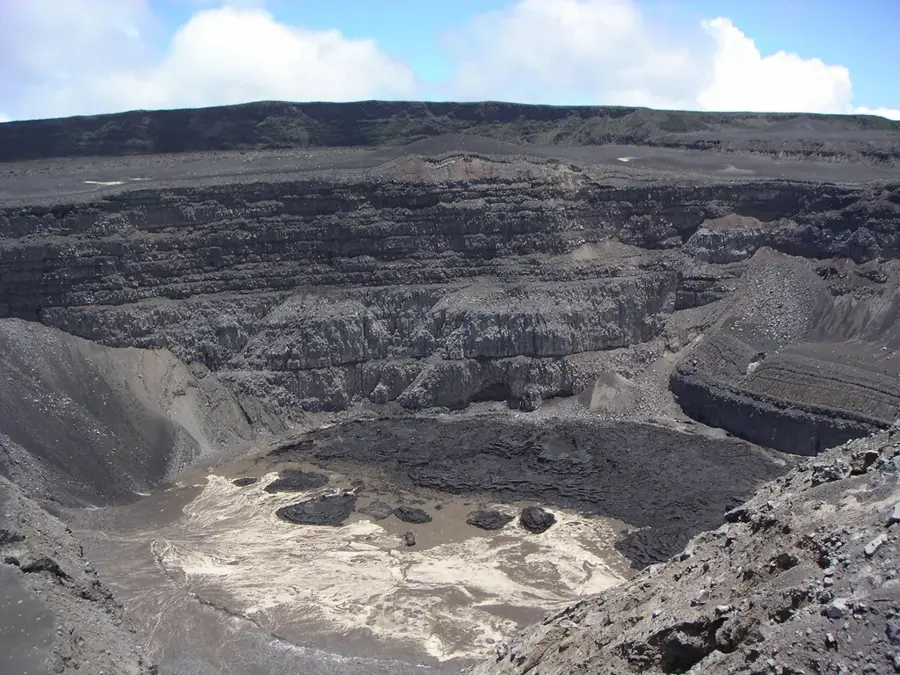
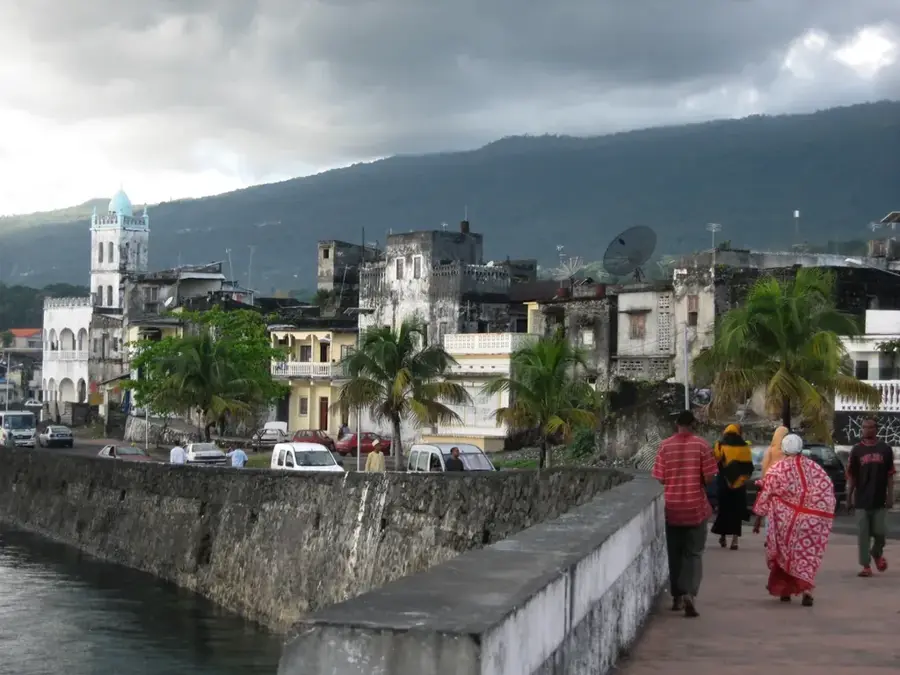
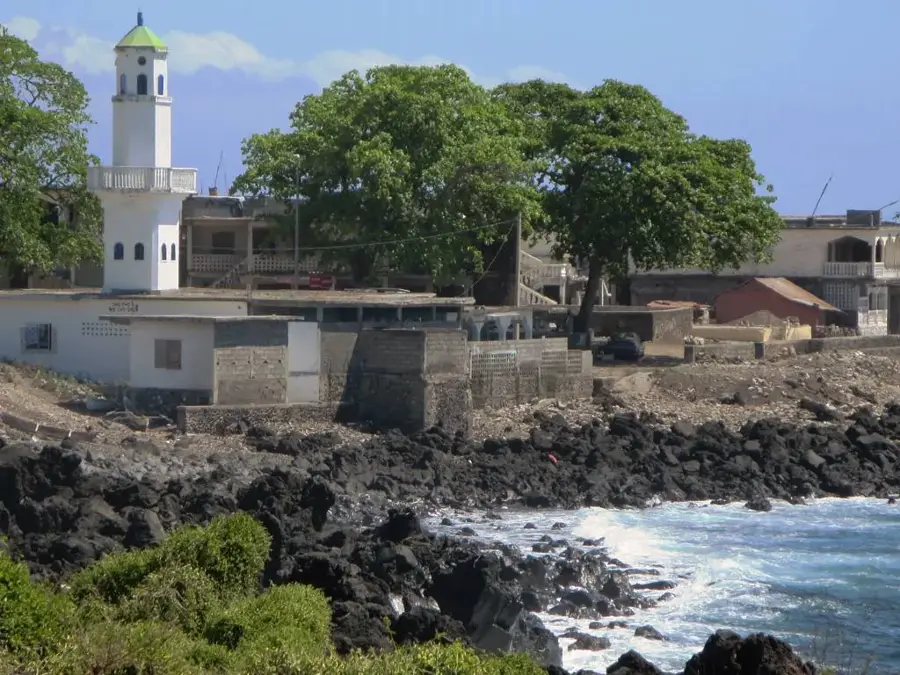
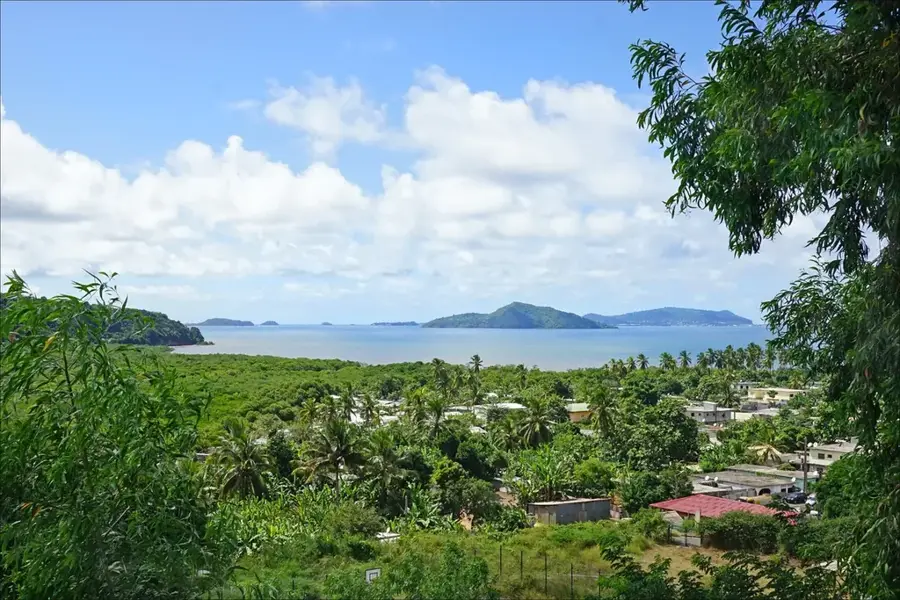
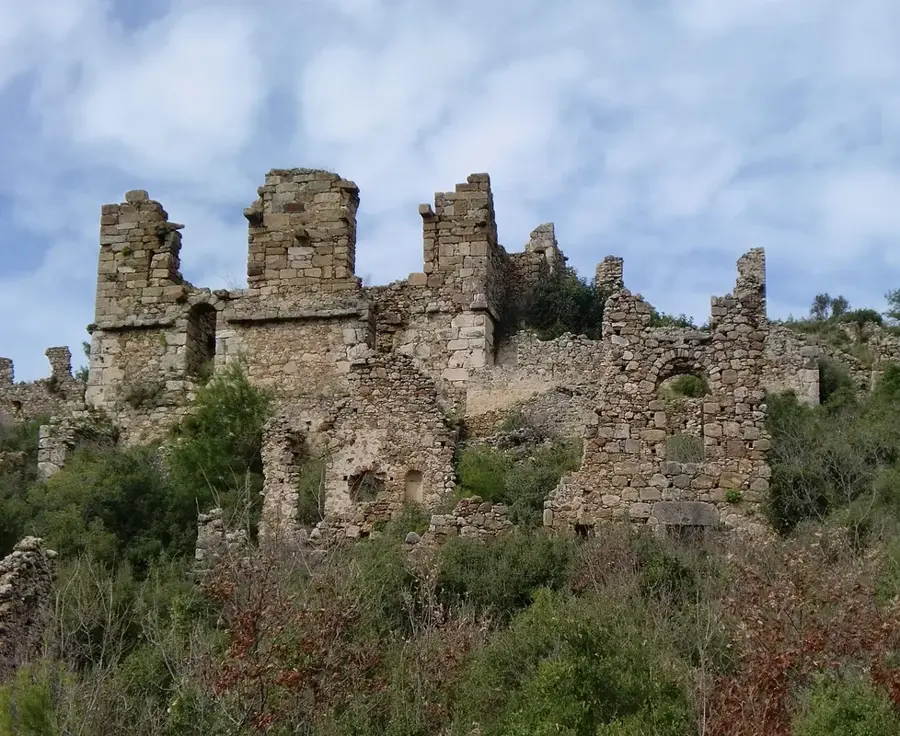
Djabal Cave is a premier archaeological and geological site located on the island of Grande Comore (Ngazidja), near the historic town of Iconi. This natural rock shelter was formed through volcanic activity and subsequent erosion within the island's basaltic substrate. It gained international scientific prominence following excavations in the 1970s, which revealed evidence of human occupation dating back to the 8th or 9th century AD. The findings at Djabal, including potsherds, iron tools, and food remains, provided some of the earliest concrete data on the migration and settlement patterns of early Bantu and Austronesian peoples in the Indian Ocean. Geologically, the cave has a stable microclimate that has preserved organic materials far better than the surrounding tropical environment. In local culture, Djabal is revered as a site of historical importance and is often linked to legends about the island's first inhabitants. Positioned on a hillside, the cave overlooks the coastal plains, offering a strategic view that explains its appeal to ancient settlers. Today, it remains a focal point for understanding the deep history of the Comoros archipelago.
Explore on the map
How well do you know Comoros?
Find cities, landscapes and regions in 10 varied challenges on the interactive map.
Your journey, your memory
A postcard from Djabal Cave
Turn your own photo into a personal postcard with a local stamp. Free and no sign-up required.
Create a postcardBest time to visit & climate
The most pleasant time to visit is Jan, Feb, Dec.
| Jan | Feb | Mar | Apr | May | Jun | Jul | Aug | Sep | Oct | Nov | Dec | |
|---|---|---|---|---|---|---|---|---|---|---|---|---|
| Avg °C | 10 | 10 | 10 | 10 | 9 | 8 | 8 | 7 | 7 | 8 | 8 | 10 |
| Rain mm | 84 | 67 | 88 | 88 | 113 | 106 | 95 | 94 | 82 | 66 | 63 | 71 |
📋 Practical info
Geography
Facts
- Djabal Cave dates human settlement back to approximately 800 AD.
- The site yielded some of the oldest pottery fragments in the Comoros.
- It was a key site for Dr. Henry Wright's 1970s archaeological survey.
- The cave provides evidence of early ironworking on the islands.
- Its geological formation is linked to ancient lava bubble cooling.
- Djabal is located near Iconi, a center of early Comorian royalty.
Explore nearby
Notable places around
Route planner — Car & Motorhome
Where do you start? We build the route here, with stops and country notes along the way.
© OpenStreetMap contributors · OpenRouteService
Sights nearby
Frequently asked questions
What is special about Djabal Cave?
Where is the cave located?
Is the cave accessible to tourists?
Is special equipment needed?
Are there entry fees?
Djabal Cave: where is it located?
Djabal Cave: when is the best time to visit?
Djabal Cave: why is it worth visiting?
Nearby cities


History & landmarks

More places