Plizio Visual Lab
Sincelejo
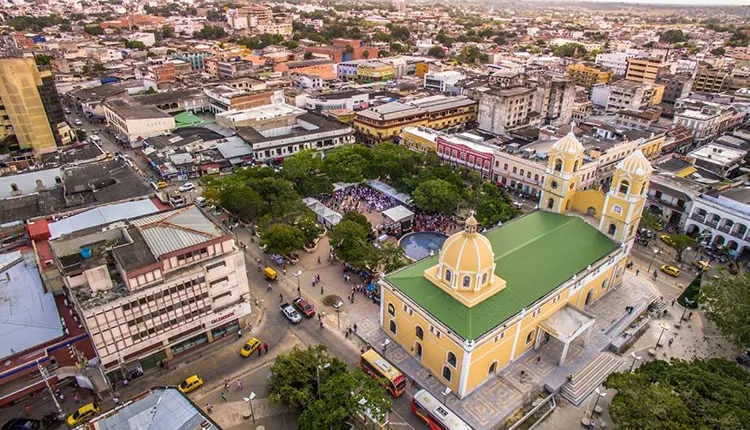
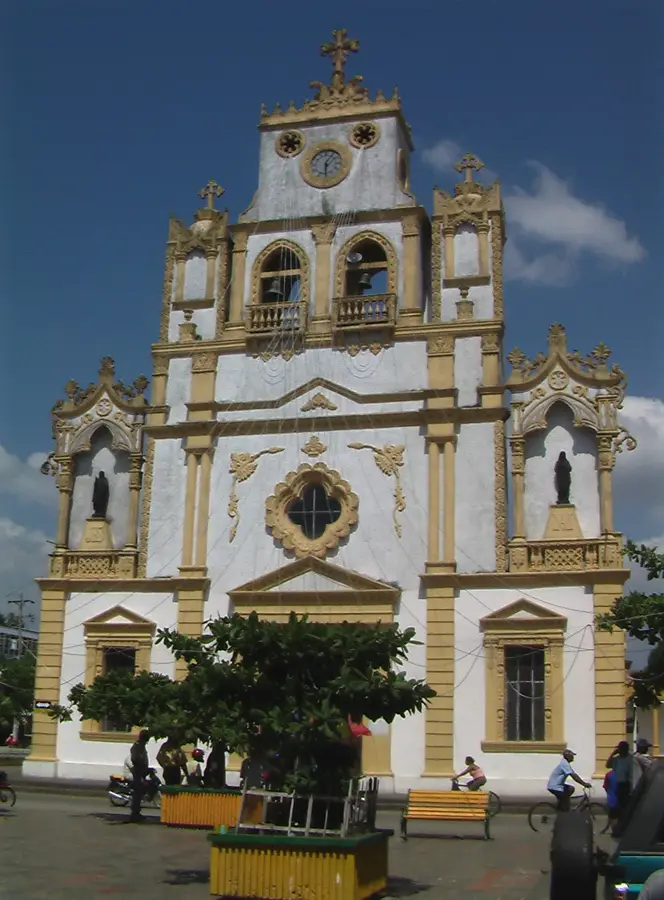
Sincelejo is the capital of the Sucre Department and serves as the primary urban center for the Caribbean savannas of Colombia, a region known as 'Las Sabanas.' Located in a rolling landscape about 30 kilometers inland from the Gulf of Morrosquillo, the city acts as a critical link between the maritime ports and the country's interior. Officially founded in 1775 by Antonio de la Torre y Miranda, the site was originally inhabited by the Zenu indigenous people, whose sophisticated hydraulic heritage still influences the local environment. Today, Sincelejo is internationally renowned as the 'World Capital of Cebu Cattle,' owing to the high-quality livestock raised in the surrounding fertile pastures. The city's cultural heart beats strongest in January during the 'Fiestas de las Corralejas,' a traditional bullfighting festival where the public participates in the arena, embodying the unique 'sabanero' spirit. Economically, Sincelejo has transitioned from a purely agrarian society to a bustling commercial and service hub for the entire department, featuring modern infrastructure and a growing educational sector led by the University of Sucre. The urban landscape is centered around the Plaza de Olaya Herrera and the San Francisco de Asis Cathedral, while the iconic Plaza de Majagual remains a symbol of the city's musical and social history. The local climate is tropical, with consistently high temperatures and a distinct dry season that dictates the agricultural cycle. Gastronomy is a source of local pride, with the 'Mote de Queso', a thick yam and cheese soup, serving as the culinary hallmark of the region. As Sincelejo continues to grow, it faces urban challenges such as improving public transport and sustainable water management, yet it remains a bastion of tradition. The city's inhabitants are famous for their hospitality and their devotion to musical genres like Porro and Fandango, which are central to the identity of the Colombian Caribbean plains. Sincelejo successfully balances its deep-rooted rural traditions with the demands of a modernizing economy, making it a pivotal cultural and economic pillar in northern Colombia.
Explore on the map
How well do you know Colombia?
Find cities, landscapes and regions in 10 varied challenges on the interactive map.
Your journey, your memory
A postcard from Sincelejo
Turn your own photo into a personal postcard with a local stamp. Free and no sign-up required.
Create a postcard- Location: Colombia
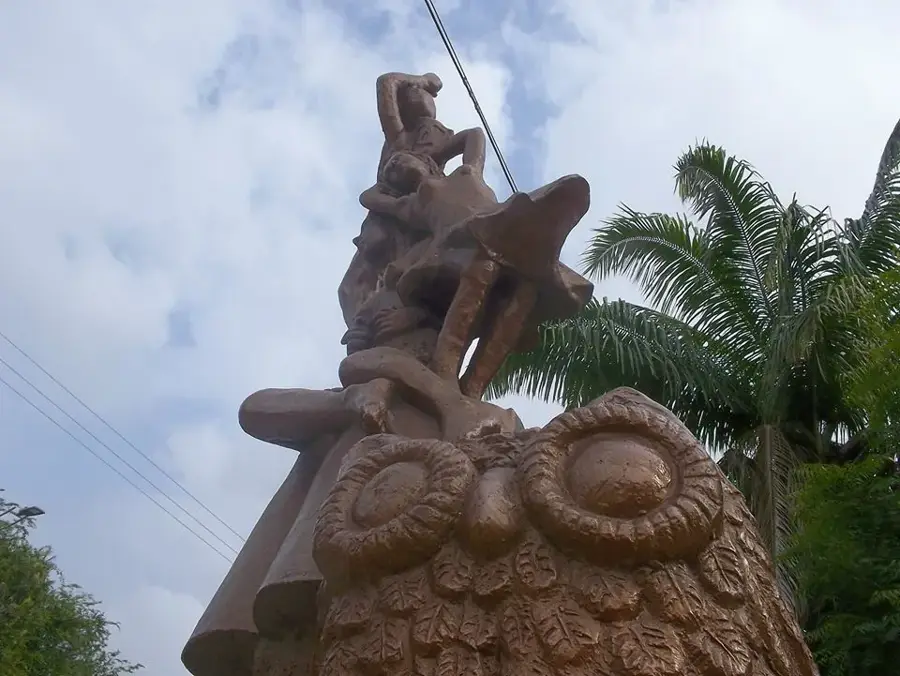
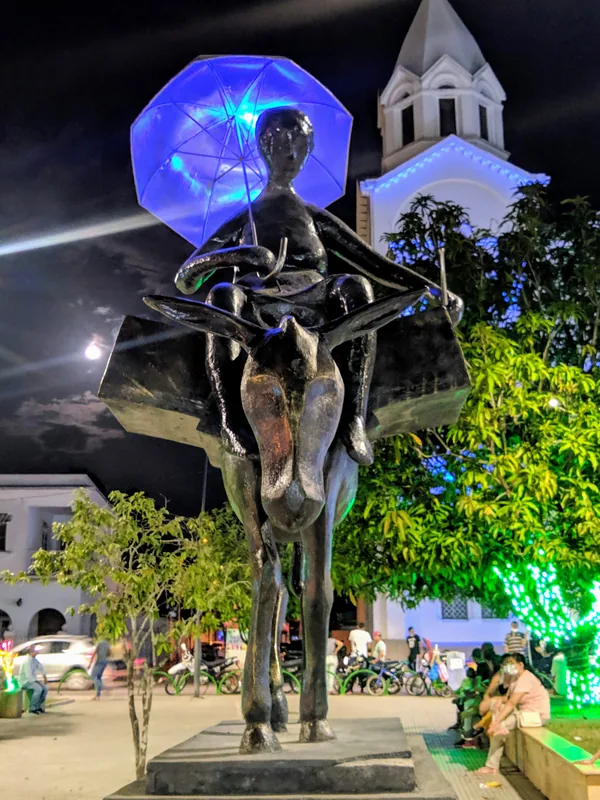
- Highlights: Monumento al Pescador · Obelisco salida Guacarí · Iguana Don Pipo
- Nearby: Tolú (32 km)
- Population: ~277.773 (2026)
Best time to visit & climate
The most pleasant time to visit is Jan–Mar.
| Jan | Feb | Mar | Apr | May | Jun | Jul | Aug | Sep | Oct | Nov | Dec | |
|---|---|---|---|---|---|---|---|---|---|---|---|---|
| Avg °C | 28 | 29 | 29 | 29 | 28 | 28 | 28 | 28 | 28 | 27 | 27 | 28 |
| Rain mm | 12 | 7 | 21 | 95 | 186 | 161 | 199 | 179 | 178 | 180 | 154 | 60 |
Geography
Facts
- The city was founded by Antonio de la Torre y Miranda in 1775.
- Sincelejo is situated at an elevation of 699 feet (213 m).
- It is the administrative and economic hub of Sucre.
- The January festivals include the largest 'Corralejas' in Colombia.
- The city is a major producer of Zenu-style artisanal crafts.
- Distance to the Gulf of Morrosquillo is approximately 30 km.
- The climate is characterized by a mean temperature of 82°F (28°C).
- Agriculture and livestock ranching are the primary economic sectors.
Explore nearby
Notable places around
Route planner — Car & Motorhome
Where do you start? We build the route here, with stops and country notes along the way.
© OpenStreetMap contributors · OpenRouteService
Sights in the town Sincelejo (11)
Frequently asked questions
What is the most important festival in Sincelejo?
What is a typical handicraft?
How is the food in Sucre?
Are there beaches nearby?
When is the best time to visit?
Sincelejo: where is it located?
Sincelejo: what is there to see?
Sincelejo: when is the best time to visit?
Sincelejo: why is it worth visiting?
Nearby cities