Plizio Visual Lab
Cereté
ℹ️Practical info — Cereté
▾
🌤 Weather — 5 days
📍 Nearby
Sights nearby
💡 Tips
- The climate is very hot and humid; plan activities for early morning or late afternoon.
- Mototaxis are the most common and fastest way to get around town.
- Always carry small denominations of Colombian pesos, especially for street food.
- If possible, visit during the local 'Festival Nacional del Cumbiamba' for a cultural treat.
🍽 Food
A rich cheese and yam soup found in traditional restaurants near the center.
Sweet corn rolls typically bought directly from street vendors.
A tangy sour cream dip frequently served alongside patacones (fried plantains).
🛍 Shopping · 🧘 Quiet spots
Local artisan shops offer goods reflecting the region's strong cotton production.
Head to the main market for a spirited selection of exotic local fruits.
Traditional woven hats iconic to the wider Córdoba region.
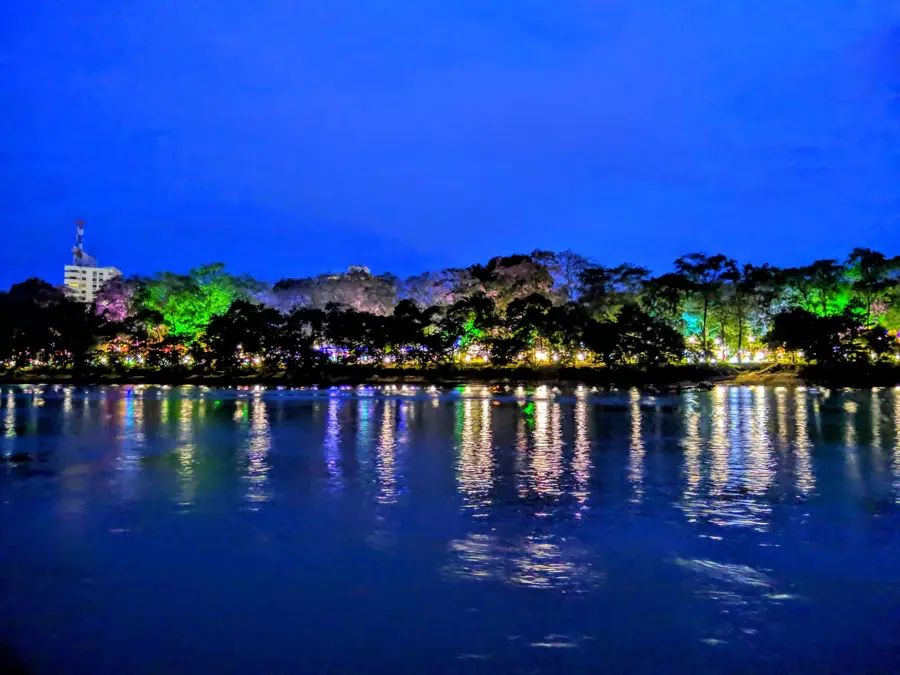
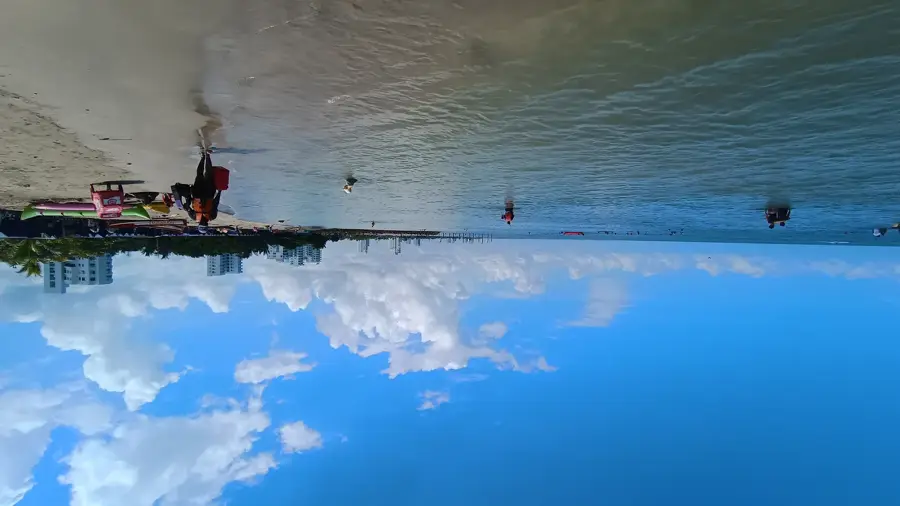
A quiet spot for a late afternoon stroll by the water.
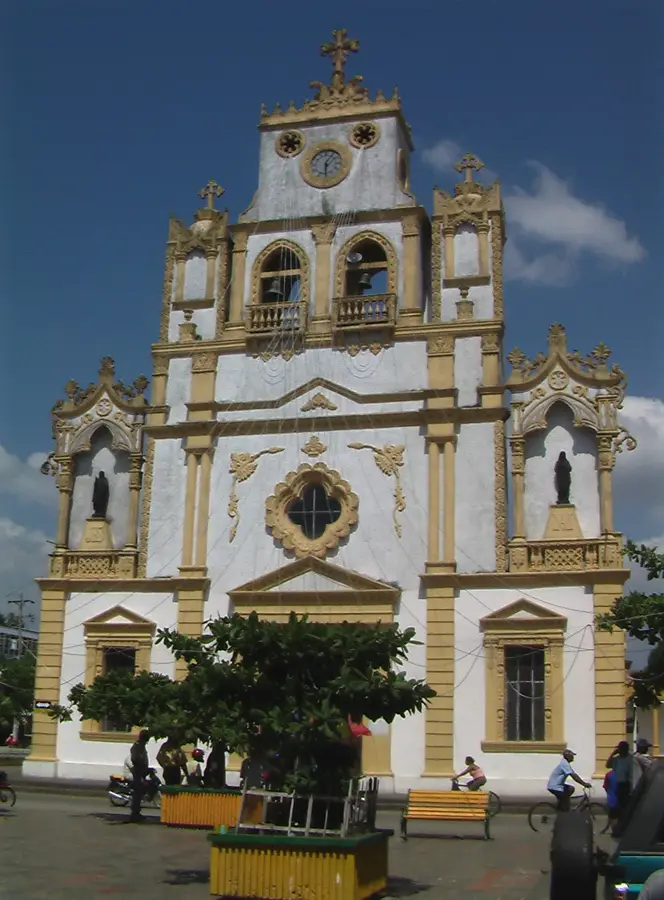
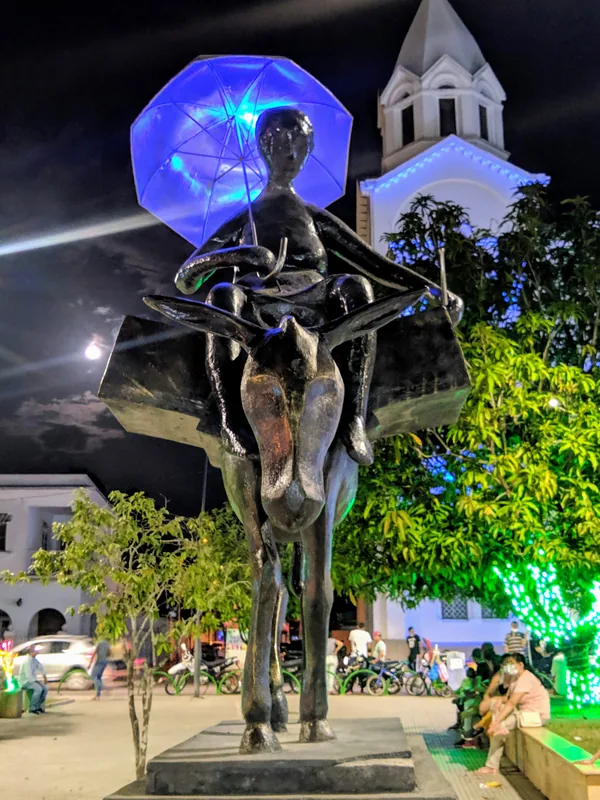
The main plaza becomes a relaxing community hub in the evening as the heat fades.
Water temperature…
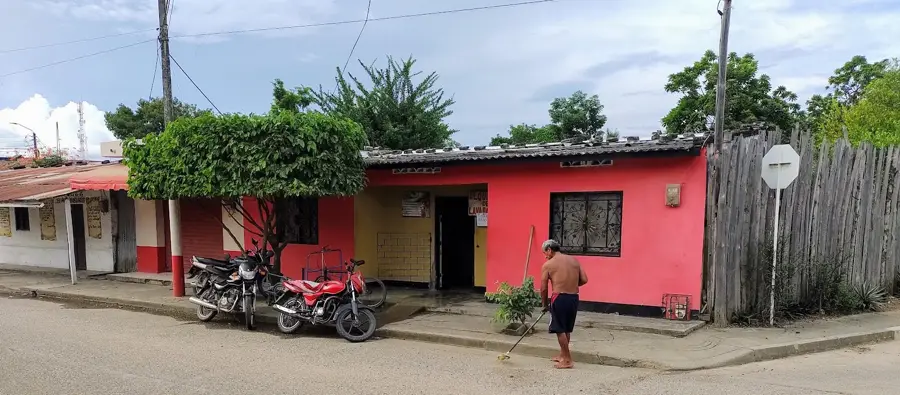
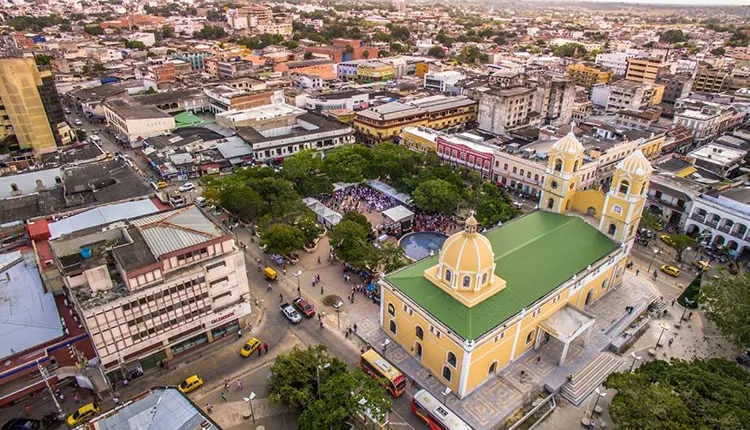
Cereté, positioned in the heart of the Sinú River valley in the Córdoba department, is famously known as the 'Capital of White Gold' due to its historical dominance in cotton production. Established in 1721 by Spanish settlers, the town has grown into a major agricultural hub for northern Colombia. The exceptionally fertile soils provided by the Sinú River silt facilitate the large-scale cultivation of rice, corn, and bananas alongside cotton. Culturally, Cereté is a bastion of 'Porro' music, a traditional brass band genre of the Caribbean coast, and it proudly hosts the National Porro Festival. Its proximity to the departmental capital, Montería, makes it a strategic commercial center for the surrounding rural districts. The town’s culinary identity is anchored by the 'mote de queso', a traditional soup that represents the regional fusion of flavors. Cereté's urban landscape reflects its agricultural roots, featuring a mix of traditional structures and modern commercial infrastructure. Today, it remains a vital economic driver for the Sinú region, blending industrial progress with a deep-seated respect for its folk heritage and musical traditions.
Explore on the map
How well do you know Colombia?
Find cities, landscapes and regions in 10 varied challenges on the interactive map.
Your journey, your memory
A postcard from Cereté
Turn your own photo into a personal postcard with a local stamp. Free and no sign-up required.
Create a postcard- Location: Colombia
- Nearby: Sahagún (39 km)
- Population: ~94.935 (2022)
Best time to visit & climate
The most pleasant time to visit is Jan–Mar.
| Jan | Feb | Mar | Apr | May | Jun | Jul | Aug | Sep | Oct | Nov | Dec | |
|---|---|---|---|---|---|---|---|---|---|---|---|---|
| Avg °C | 27 | 27 | 28 | 28 | 28 | 28 | 28 | 28 | 27 | 27 | 27 | 27 |
| Rain mm | 36 | 16 | 44 | 159 | 258 | 234 | 281 | 235 | 234 | 205 | 190 | 108 |
Geography
Facts
- Cereté was founded in 1721 by the Spanish settler Francisco de Toral.
- The title 'Capital of White Gold' refers to its history as a major cotton producer.
- It is located approximately 18 kilometers northeast of Montería.
- The National Porro Festival is the town's premier cultural and musical celebration.
- The town lies on the right bank of the Sinú River at an altitude of 12 meters.
- Today, the economy is driven by agro-industrial activities, especially rice and corn.
Explore nearby
Notable places around
Route planner — Car & Motorhome
Where do you start? We build the route here, with stops and country notes along the way.
© OpenStreetMap contributors · OpenRouteService
Sights in the town Cereté (1)
Frequently asked questions
What is Cereté known for?
What is the landscape like?
What is a typical dish?
Are there cultural festivals?
How is the weather?
Cereté: where is it located?
Cereté: when is the best time to visit?
Cereté: why is it worth visiting?
Nearby cities