Plizio Visual Lab
Colombian Coffee Axis
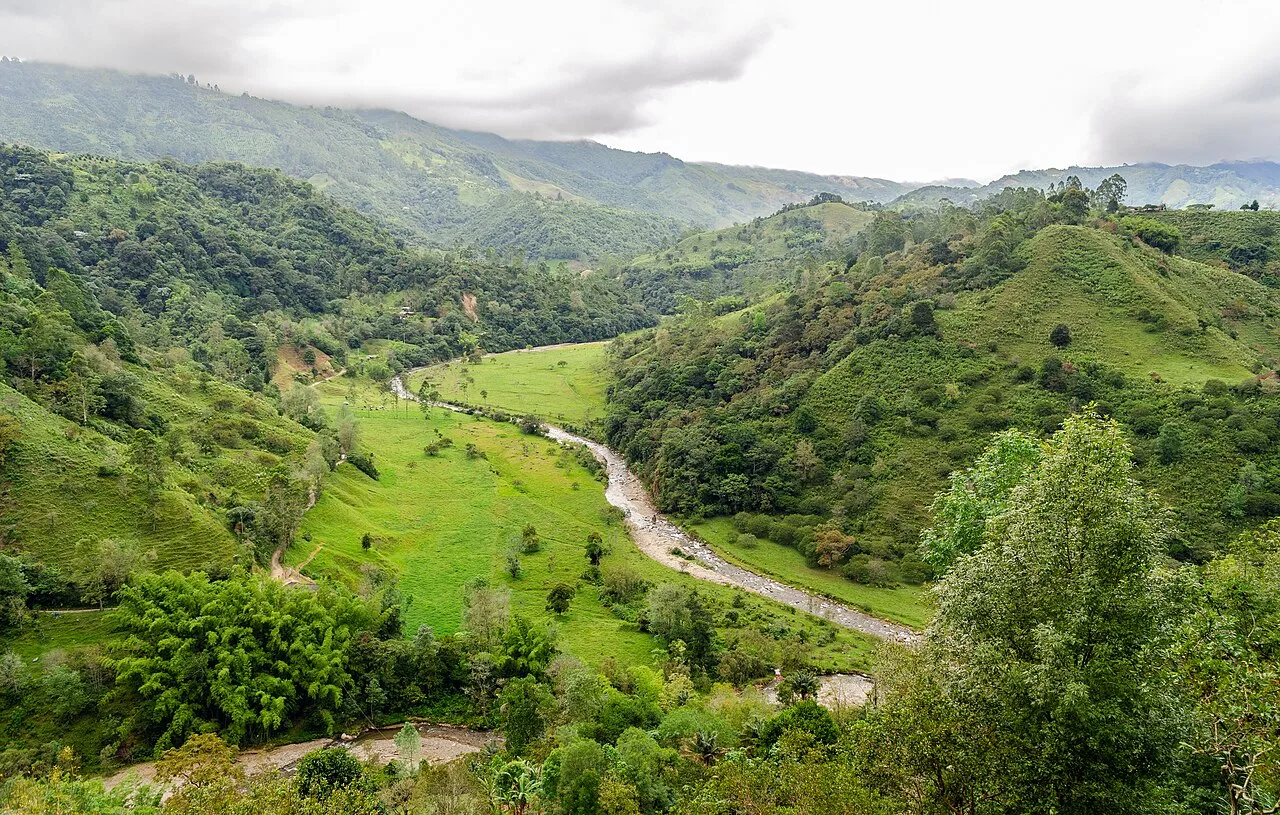
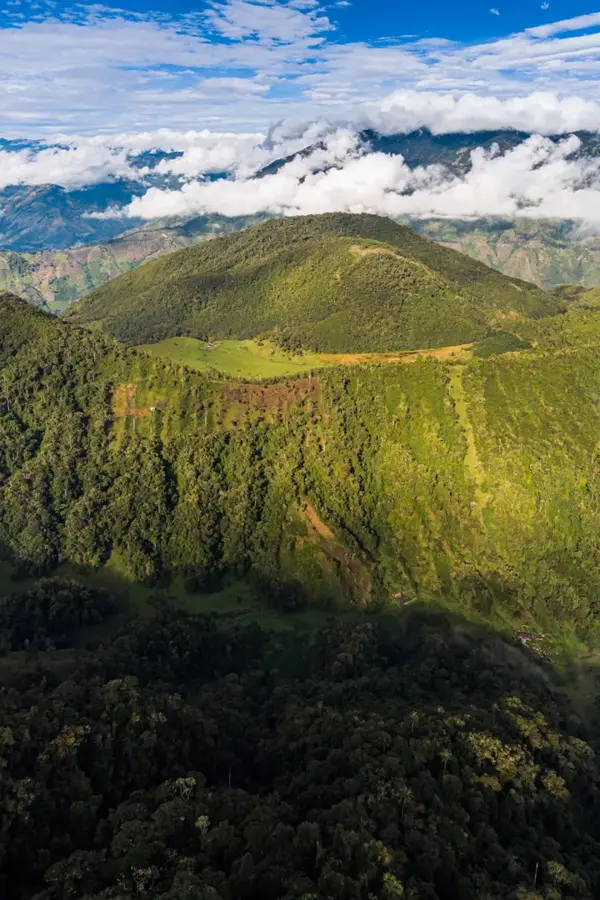
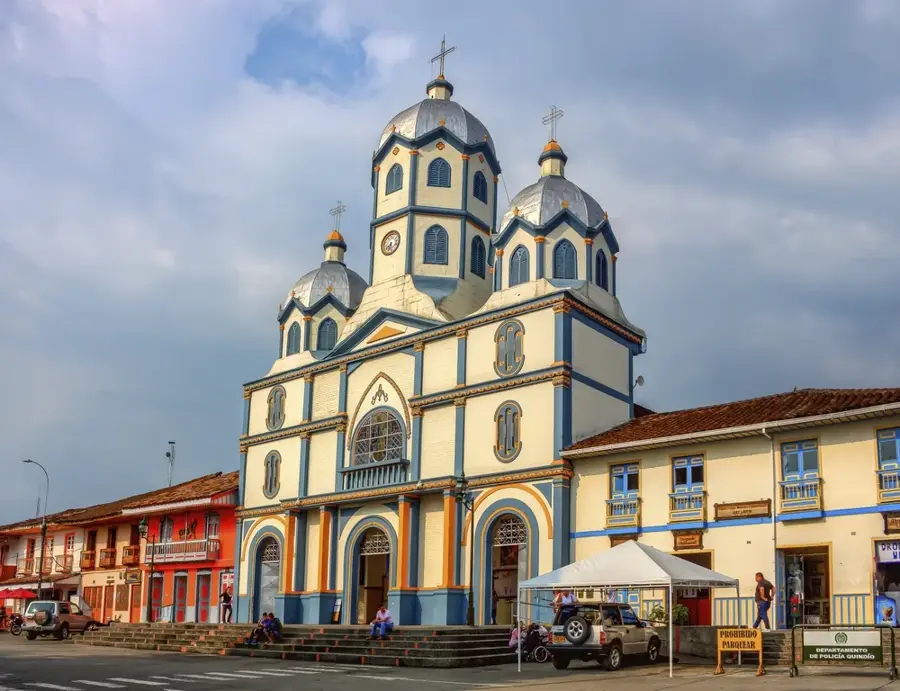
The Colombian Coffee Axis, also known as the Eje Cafetero, comprises the departments of Caldas, Quindío, and Risaralda in the heart of the Andes. In 2011, the region was designated a UNESCO World Heritage site under the title 'Coffee Cultural Landscape of Colombia.' It is characterized by steep mountain slopes where high-quality Arabica coffee has been cultivated under the canopy of shade trees for over a century. The region's architecture reflects the Antioquian colonial style, featuring brightly colored wooden balconies and clay-tile roofs, most famously seen in towns like Salento and Filandia. Beyond coffee production, the area has striking natural landmarks such as the Cocora Valley, home to the Quindío wax palm, Colombia's national tree, which can grow up to 60 meters tall. The temperate climate and fertile volcanic soils provide good conditions for an immense variety of flora and fauna, particularly birds. The Coffee Axis is the cultural heartbeat of Colombia, blending traditional farming practices with a burgeoning eco-tourism industry. Visitors can explore the entire coffee-making process, from hand-harvesting to artisanal roasting, at authentic local estates.
Explore on the map
How well do you know Colombia?
Find cities, landscapes and regions in 10 varied challenges on the interactive map.
Your journey, your memory
A postcard from Colombian Coffee Axis
Turn your own photo into a personal postcard with a local stamp. Free and no sign-up required.
Create a postcard- Location: Colombia
- Highlights: Museo de Arte del Quindío MAQUI · Iglesia Adventista del Séptimo Día · Parroquia Santísima Trinidad
- Nearby: Filandia (16 km)
Best time to visit & climate
The most pleasant time to visit is Jan, Feb, Aug.
| Jan | Feb | Mar | Apr | May | Jun | Jul | Aug | Sep | Oct | Nov | Dec | |
|---|---|---|---|---|---|---|---|---|---|---|---|---|
| Avg °C | 15 | 16 | 16 | 16 | 15 | 15 | 15 | 15 | 15 | 15 | 15 | 15 |
| Rain mm | 87 | 104 | 145 | 193 | 168 | 113 | 90 | 92 | 110 | 194 | 191 | 146 |
📋 Practical info
Geography
Facts
- Designated a UNESCO World Heritage site in 2011.
- Composed of the three key departments: Caldas, Quindío, and Risaralda.
- Famous for the production of premium high-altitude Arabica coffee.
- Home to the Quindío wax palm, the tallest palm species in the world.
- Features rich volcanic soils ideal for specialized agriculture.
- Maintains a consistent annual temperature between 18 and 24 degrees Celsius.
Explore nearby
Notable places around
Route planner — Car & Motorhome
Where do you start? We build the route here, with stops and country notes along the way.
© OpenStreetMap contributors · OpenRouteService
Sights in the town Colombian Coffee Axis (10)
Parroquia Nuestra Señora del Carmen
Catholic church dedicated to Our Lady of Mount Carmel.
Casa Museo Musical del Quindío🏛 museum
Museum of musical instruments in Quindío. Showcases traditional sounds.
Iglesia Pentecostal Unida
Pentecostal chapel in the coffee region.
Sala de Exposiciones Roberto Henao Buritica
Arts centre with rotating exhibitions by local artists.
Parque Ecológico La Secreta
Nature reserve with hiking trails and native flora.
Mirador de La Secreta
Viewpoint in the nature reserve. Overlooks the coffee triangle.
Sights nearby
Frequently asked questions
What is the Coffee Axis?
Which cities are included?
Is it a UNESCO World Heritage site?
When is harvest time?
What can you do there besides coffee?
Colombian Coffee Axis: where is it located?
Colombian Coffee Axis: what is there to see?
Colombian Coffee Axis: when is the best time to visit?
Colombian Coffee Axis: why is it worth visiting?
Nearby cities
More places