Plizio Visual Lab
Santa Luzia
Weather…
Water temperature…
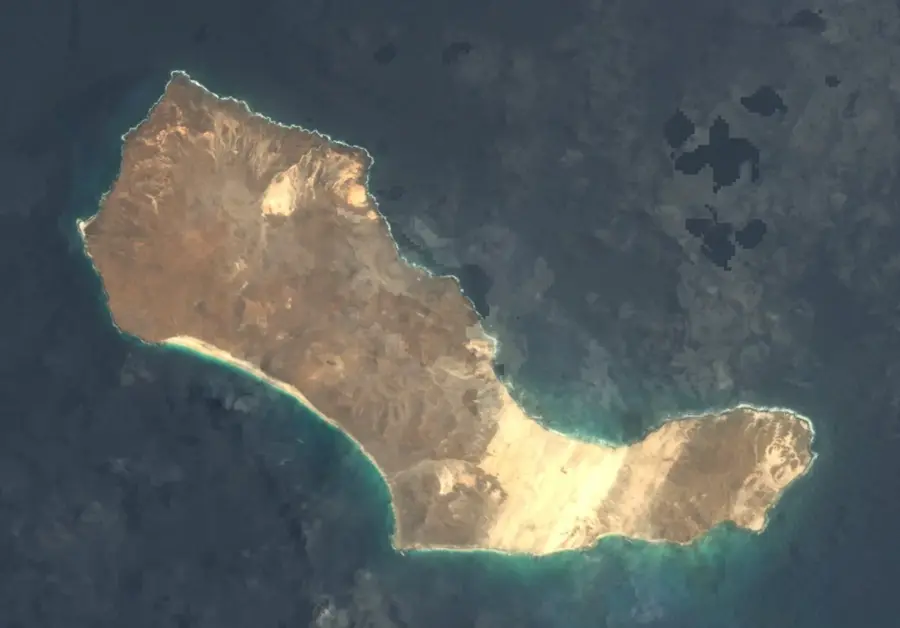
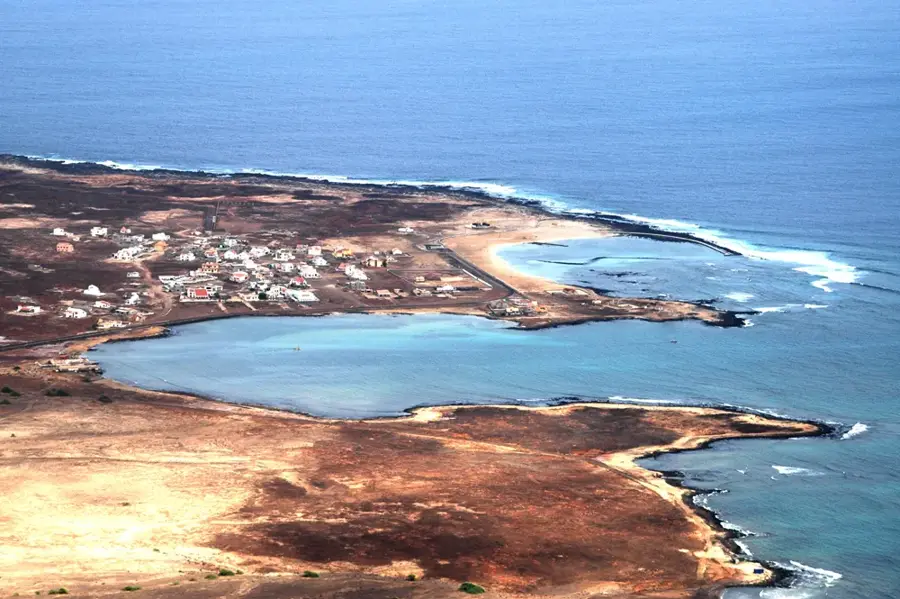
Santa Luzia is the only uninhabited island in the Cape Verde archipelago, situated between São Vicente and São Nicolau. Covering an area of approximately 35 square kilometers, it is a barren, desert-like island characterized by rugged volcanic formations. Its highest peak, Monte Grande, reaches an elevation of only 395 meters. Historically, the island was briefly inhabited in the 18th and 19th centuries by shepherds, but the lack of permanent water sources led to the ultimate abandonment of all settlement attempts. Since 1990, the island, together with the nearby islets of Ilhéu Branco and Ilhéu Raso, has been under strict environmental protection. It serves as a sanctuary for rare species, including the Cape Verde giant skink, which was once thought to be extinct. The coastlines of Santa Luzia provide critical nesting grounds for seabirds and sea turtles. The absence of permanent human presence has preserved a delicate ecosystem that is now closely monitored by scientists. Visitors require special permits to set foot on the island, ensuring the preservation of its biological integrity. Geologically, Santa Luzia is among the oldest parts of the archipelago, as evidenced by its heavily eroded landscape.
Explore on the map
How well do you know Cape Verde?
Find cities, landscapes and regions in 10 varied challenges on the interactive map.
Your journey, your memory
A postcard from Santa Luzia
Turn your own photo into a personal postcard with a local stamp. Free and no sign-up required.
Create a postcard- Location: Cape Verde
- Nearby: Baia das Gatas (24 km)
📋 Practical info
Geography
Facts
- The island has a total surface area of approximately 35 square kilometers.
- Monte Grande is the highest elevation on the island at 395 meters.
- Santa Luzia has been a national nature reserve since 1990.
- There are no natural sources of permanent freshwater on the island.
- The island is located to the southeast of São Vicente island.
- The geological age of the island is estimated at around 120 million years.
Explore nearby
Notable places around
Route planner — Car & Motorhome
Where do you start? We build the route here, with stops and country notes along the way.
© OpenStreetMap contributors · OpenRouteService
Sights in the town Santa Luzia (1)
Sights nearby
Frequently asked questions
Is Santa Luzia inhabited?
Is camping allowed there?
What animals live on the island?
Is access to the island restricted?
Can you go diving there?
Santa Luzia: where is it located?
Santa Luzia: why is it worth visiting?
Nearby cities
History & landmarks
More places