Plizio Visual Lab
Kibira National Park
Weather…
Water temperature…
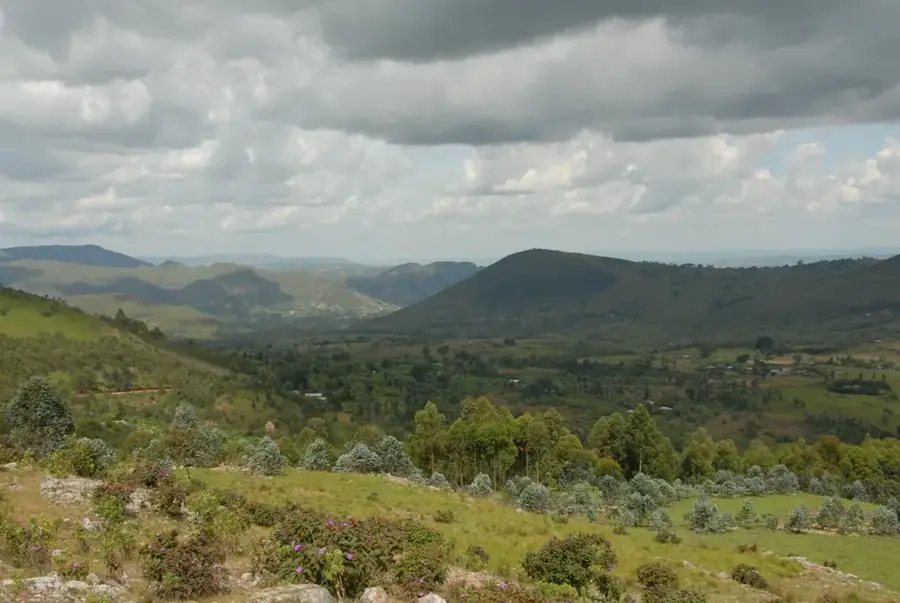
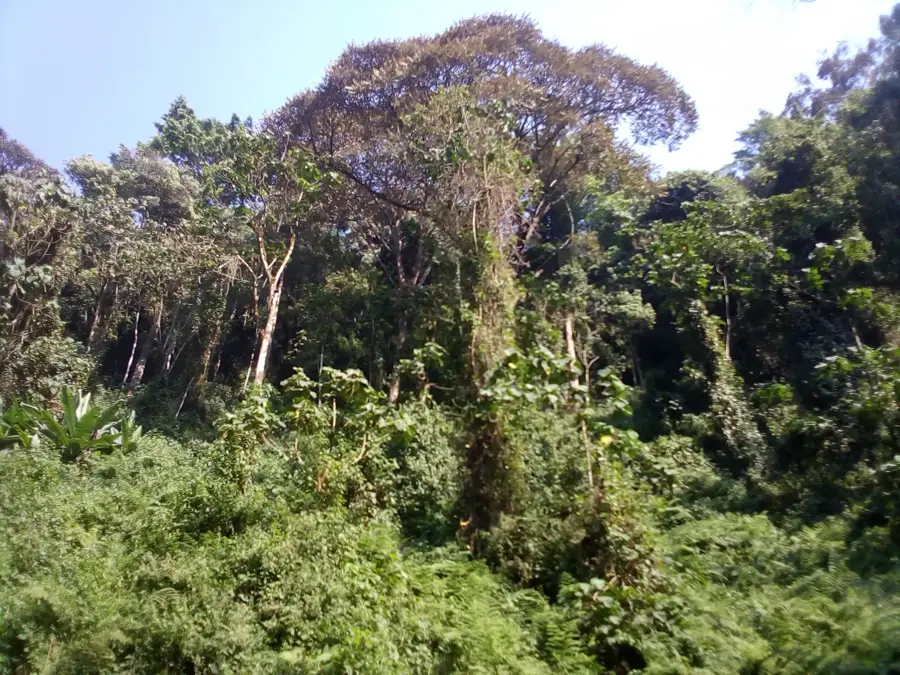
Kibira National Park stretches across the mountain ridges of the Congo-Nile divide in northwestern Burundi, representing the country's last remaining primary montane rainforest. Covering about 400 square kilometers, the park is contiguous with Nyungwe Forest in Rwanda, together forming one of the most critical transboundary ecosystems in Central Africa. Situated at altitudes ranging from 1,600 to 2,800 meters, Kibira is home to an extraordinary level of biodiversity, including chimpanzees, several species of monkeys, and over 200 species of birds. Historically, the forest was regarded as a sacred hunting ground for the Burundian monarchs, which afforded it a degree of traditional protection before modern conservation efforts. The vegetation is characterized by dense stands of Podocarpus and Symphonia globulifera, with vast bamboo forests appearing in the higher elevations. Beyond its ecological role as a massive water catchment area for the surrounding regions, the park is now a focal point for ecotourism and international primatological research.
Explore on the map
How well do you know Burundi?
Find cities, landscapes and regions in 10 varied challenges on the interactive map.
Your journey, your memory
A postcard from Kibira National Park
Turn your own photo into a personal postcard with a local stamp. Free and no sign-up required.
Create a postcard- Location: Burundi
- Nearby: Bubanza (12 km)
Best time to visit & climate
The most pleasant time to visit is Jun–Aug.
| Jan | Feb | Mar | Apr | May | Jun | Jul | Aug | Sep | Oct | Nov | Dec | |
|---|---|---|---|---|---|---|---|---|---|---|---|---|
| Avg °C | 21 | 21 | 21 | 20 | 20 | 19 | 20 | 21 | 22 | 21 | 21 | 21 |
| Rain mm | 158 | 132 | 184 | 175 | 83 | 34 | 19 | 49 | 95 | 157 | 284 | 175 |
📋 Practical info
Geography
Facts
- The park covers a protected area of approximately 40,000 hectares.
- Bamboo forests account for roughly 16% of the park's vegetation.
- Over 640 different plant species have been documented in the park.
- It supports an estimated population of about 200 chimpanzees.
- The park serves as a source for several major rivers, including the Gitenge.
- Annual rainfall in the high forest reaches up to 2,000 millimeters.
Explore nearby
Notable places around

Route planner — Car & Motorhome
Where do you start? We build the route here, with stops and country notes along the way.
© OpenStreetMap contributors · OpenRouteService
Sights in the town Kibira National Park (1)
Sights nearby
Frequently asked questions
Which primates live in Kibira National Park?
Is the park suitable for hiking?
What is the climate like in the forest?
Do I need a guide?
When is the best time for birdwatching?
Kibira National Park: where is it located?
Kibira National Park: when is the best time to visit?
Kibira National Park: why is it worth visiting?

Nearby cities



History & landmarks

Nature
More places