Attractions in Burundi
The finest attractions in Burundi at a glance: castles, natural wonders, historic old towns and more. Each place links to a detailed page with map, tips and photos.
Culture & History
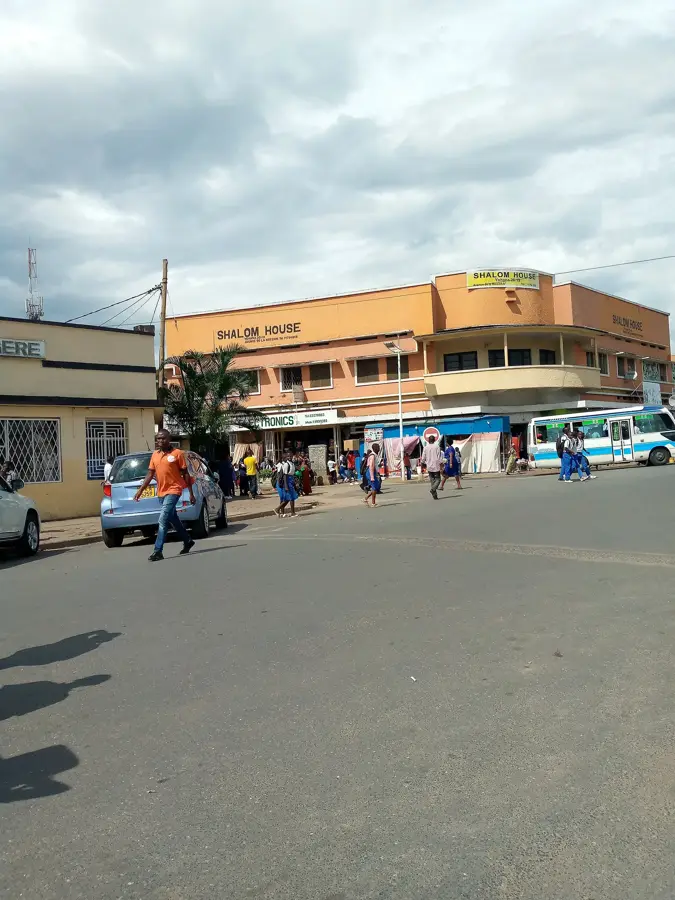
Independence Monument
The Independence Monument in Bujumbura marks Burundi's break from colonial rule.
Learn more →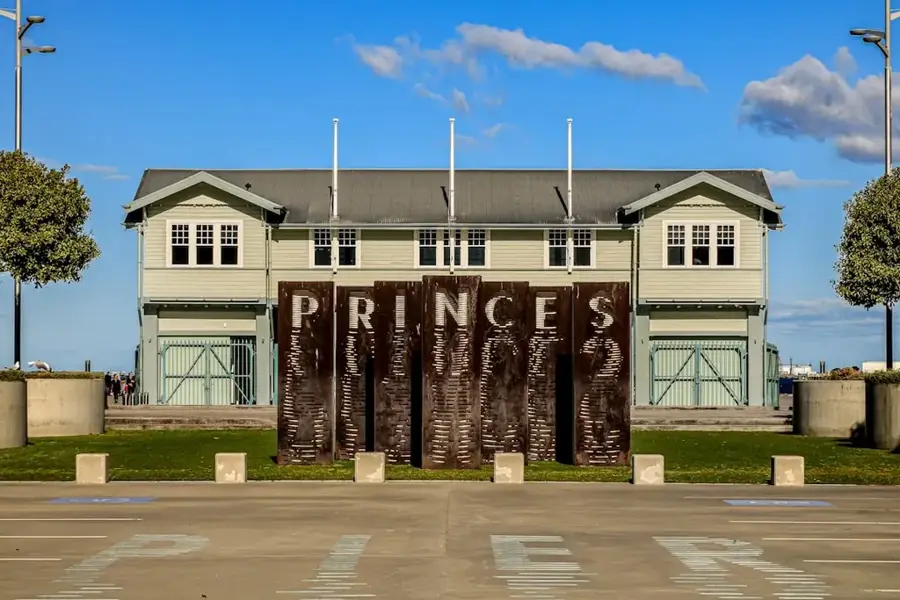
Prince Louis Rwagasore Stadium
This stadium in Bujumbura is named after Prince Louis Rwagasore, a key figure in Burundi's independence history.
Learn more →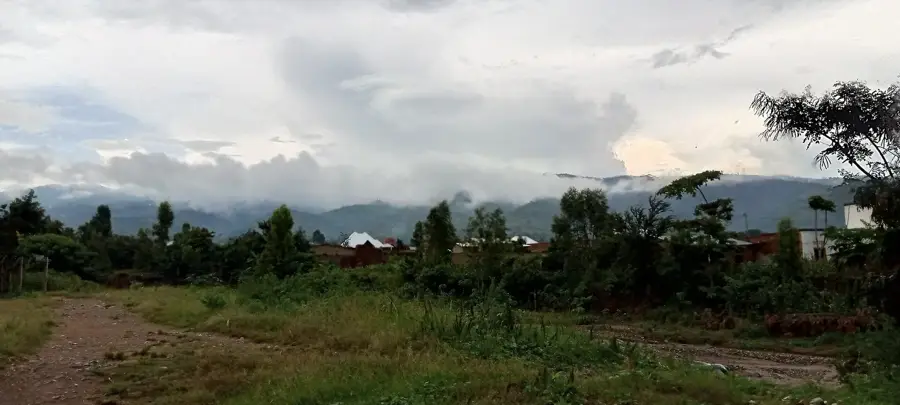
Livingstone-Stanley Monument
The Livingstone-Stanley Monument in Mugere marks the spot on Lake Tanganyika that the two famous explorers visited together in 1871.
Learn more →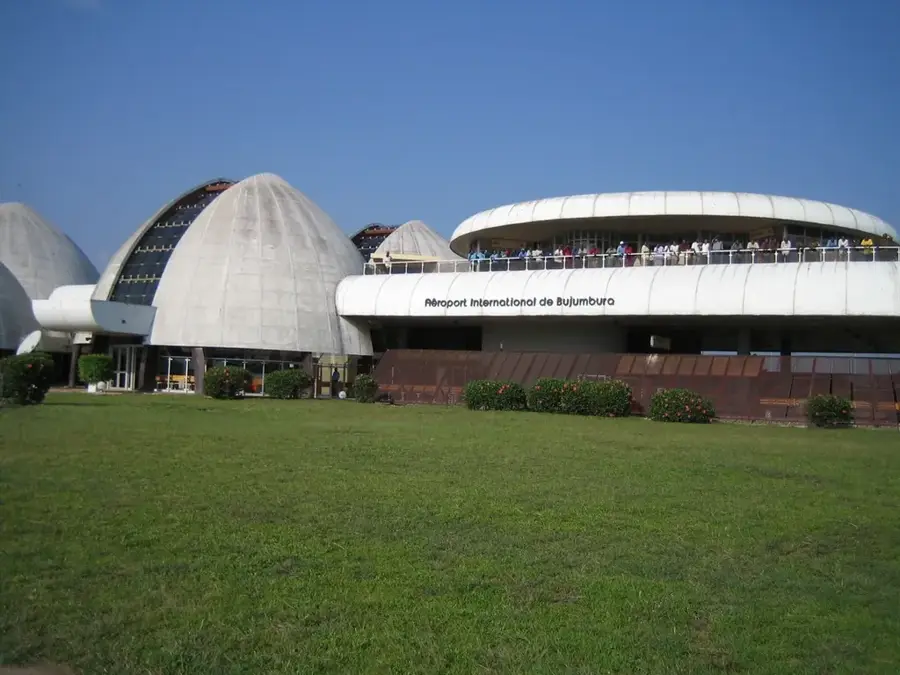
Melchior Ndadaye International Airport
Melchior Ndadaye International Airport is Burundi's main air gateway.
Learn more →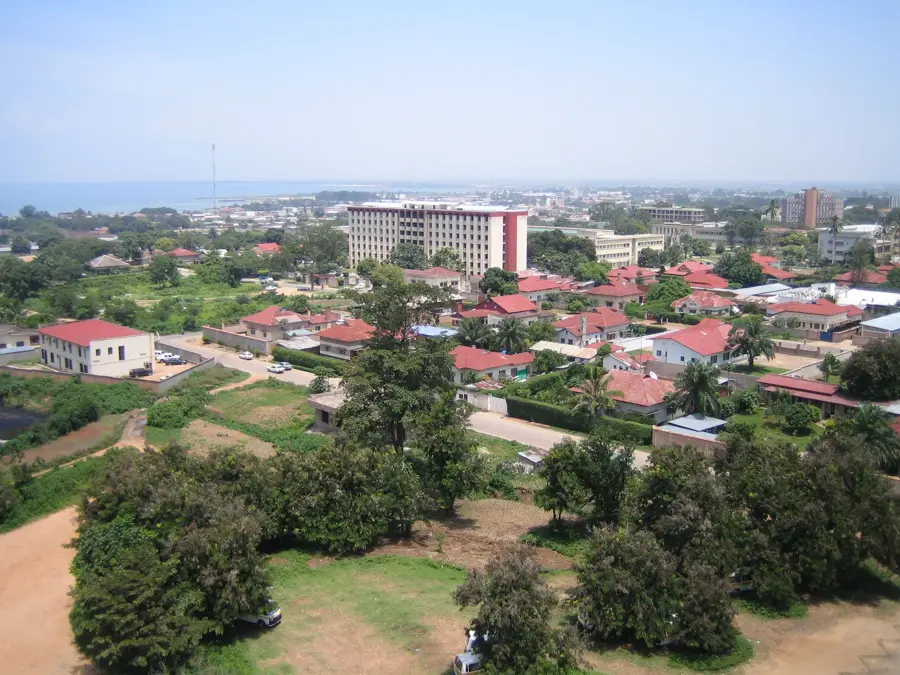
Central Market of Bujumbura
Bujumbura's central market is the city's main commercial hub.
Learn more →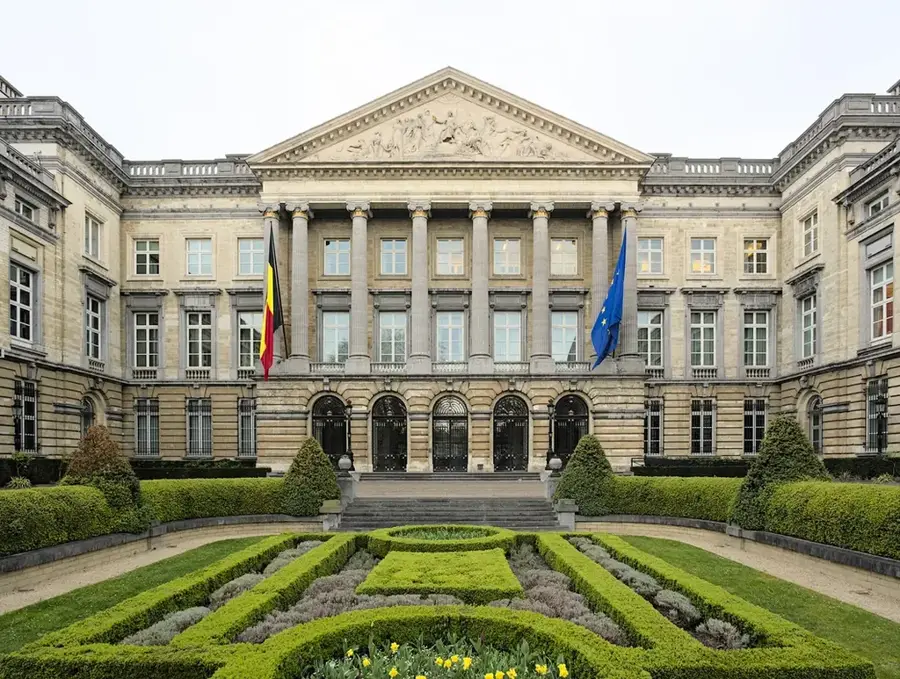
Palace of the Nation
The Palace of the Nation is an important state building in Bujumbura.
Learn more →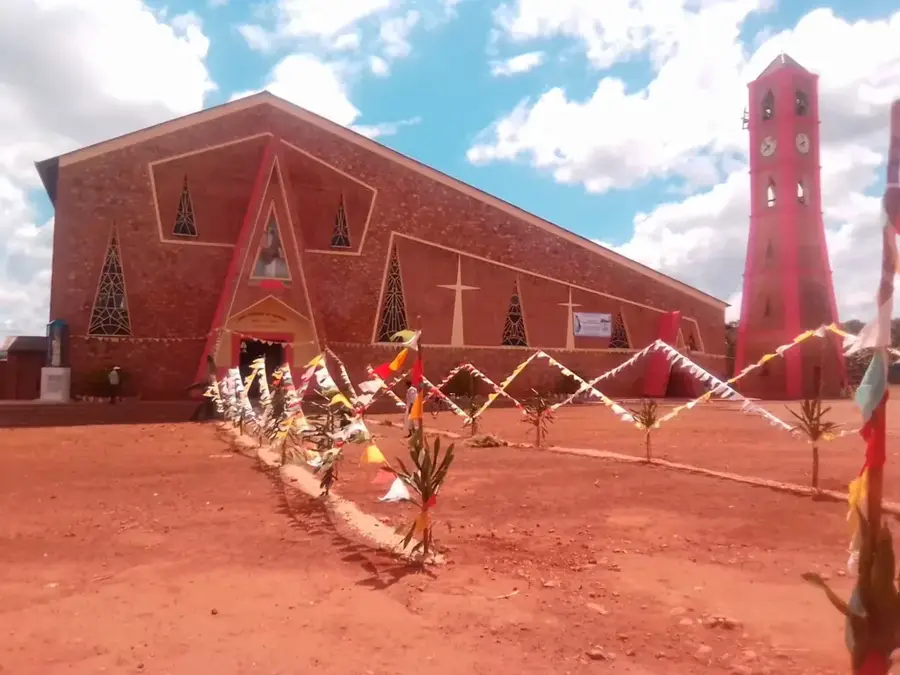
Central Mosque of Rumonge
A prominent religious building in Rumonge, showing the strong presence of the Muslim community on the lakeshore.
Learn more →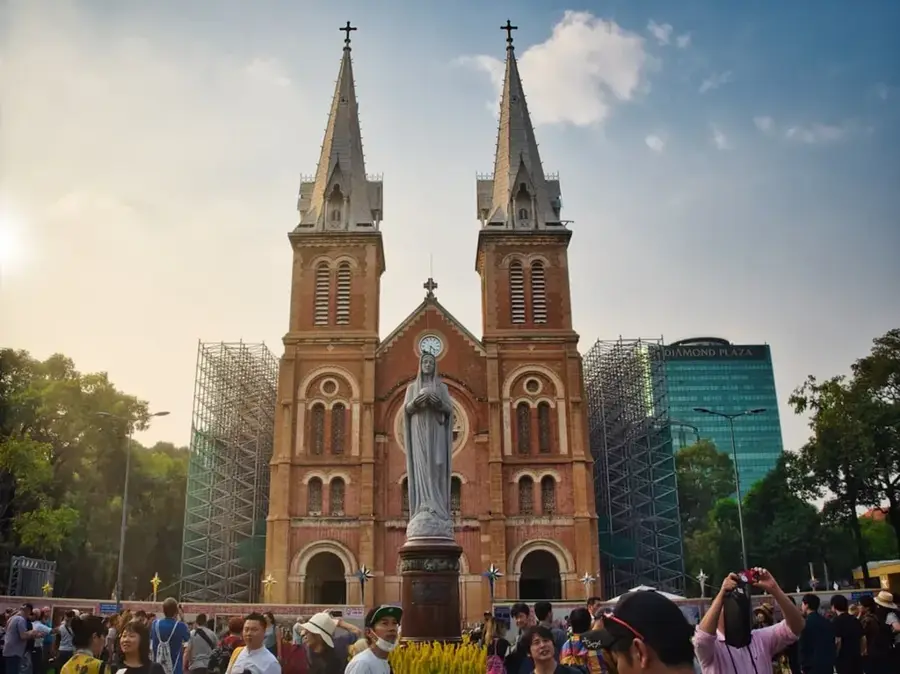
Our Lady of Fatima Cathedral
A prominent church building in Muyinga, known for its modern architecture and religious significance.
Learn more →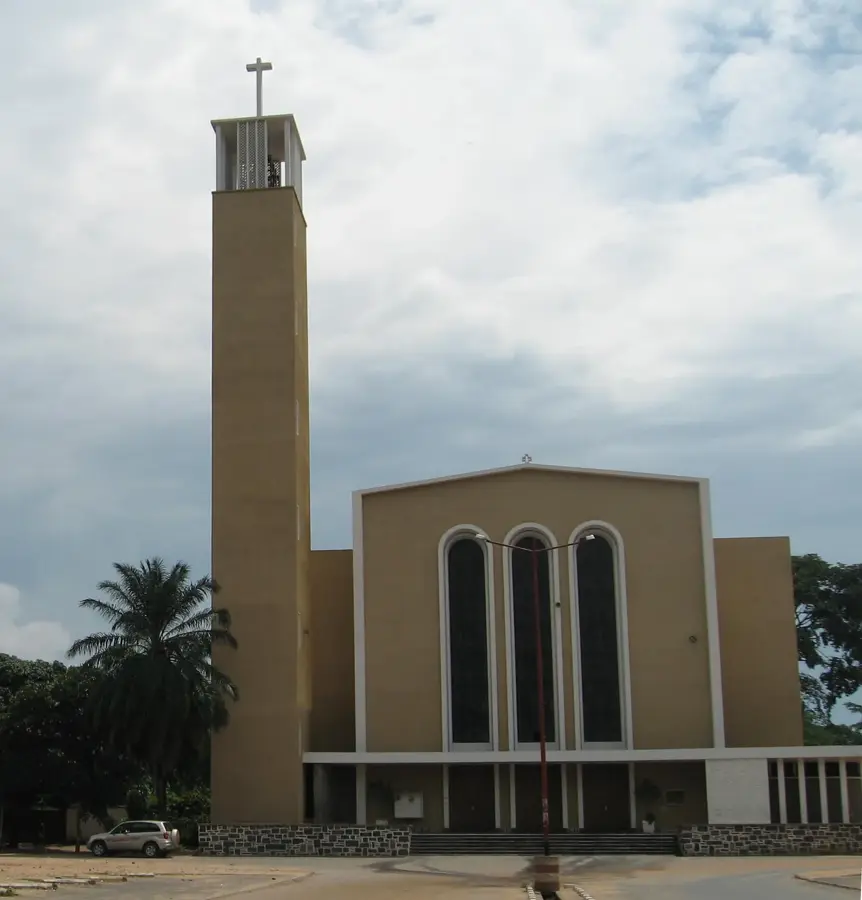
Bururi Cathedral
The main cathedral in the southern city of Bururi, an important site for the local community.
Learn more →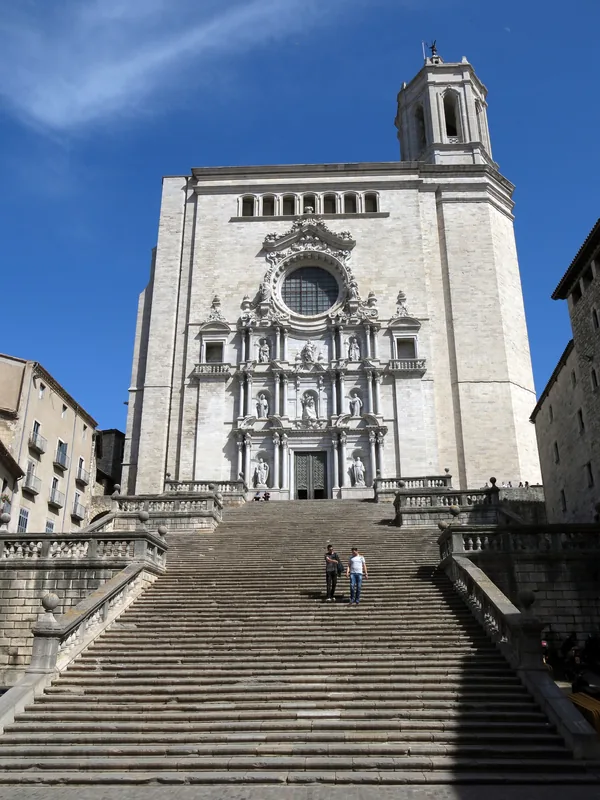
St. Theresa Cathedral
The impressive main cathedral of Gitega, a significant religious landmark in the new capital.
Learn more →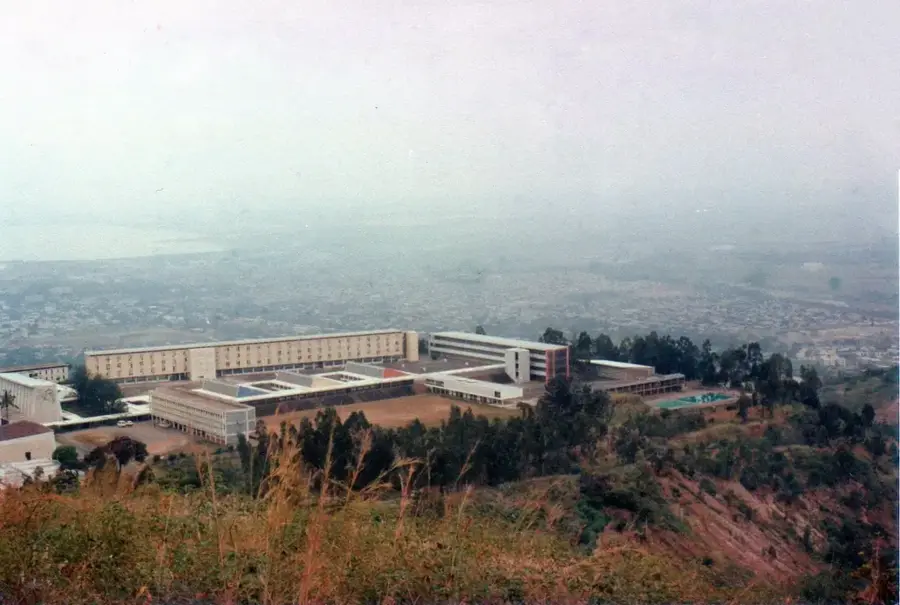
Campus Mutanga
The main campus of the University of Burundi, a center for education and culture in Bujumbura.
Learn more →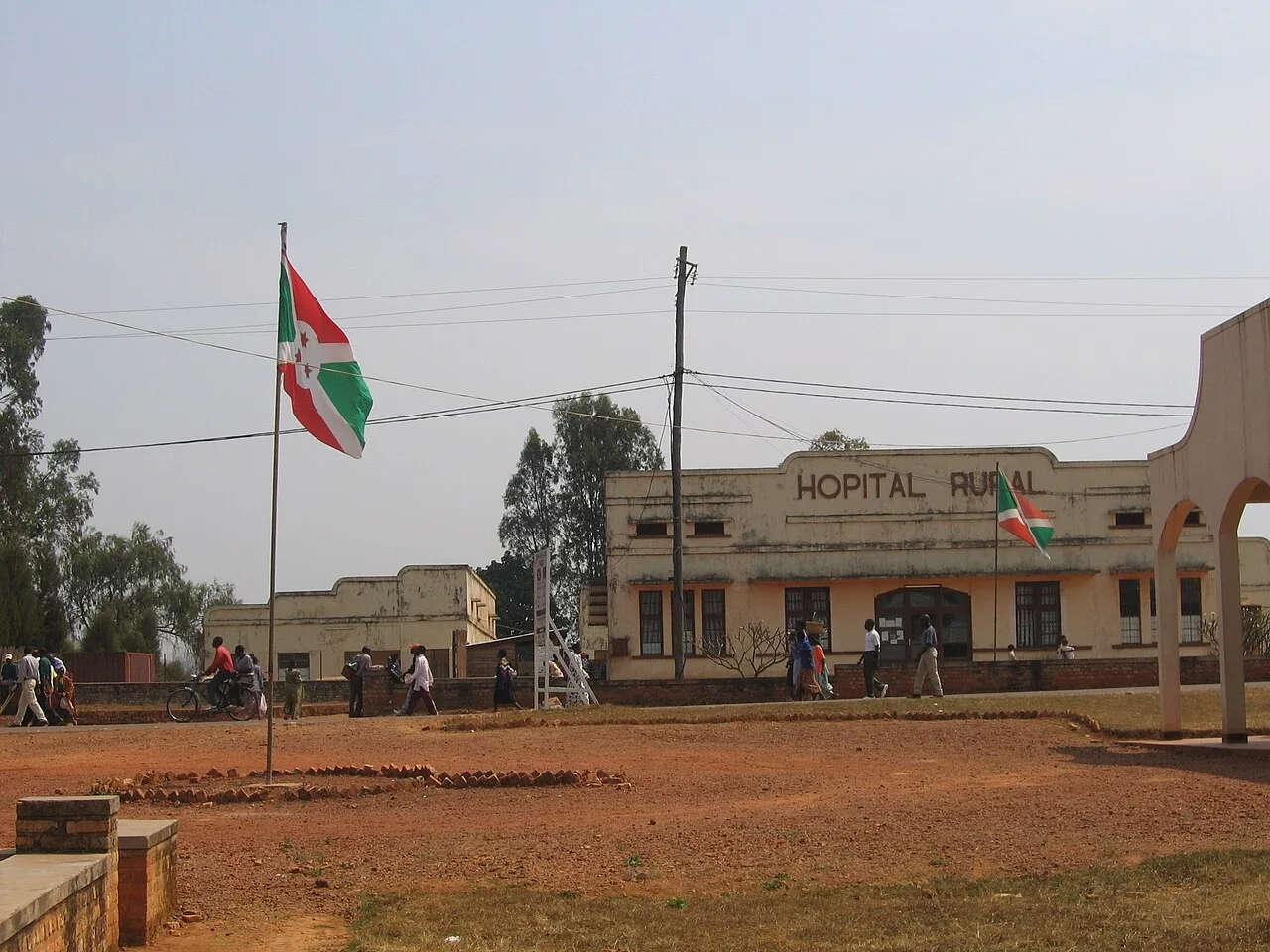
Ruyigi Cathedral
A prominent religious building in eastern Burundi, defining the cityscape of Ruyigi.
Learn more →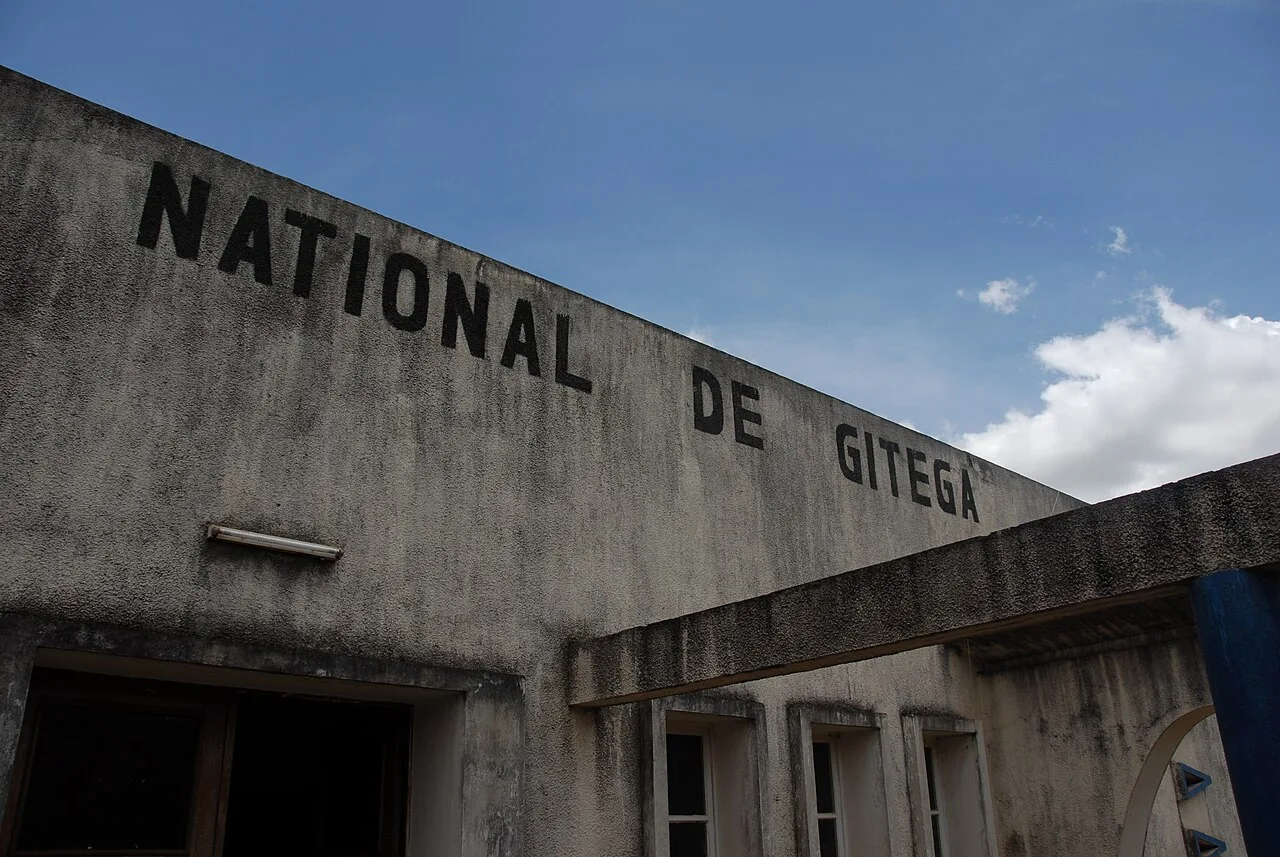
Rwagasore Monument Gitega
A monument honoring Prince Louis Rwagasore in the political capital Gitega.
Learn more →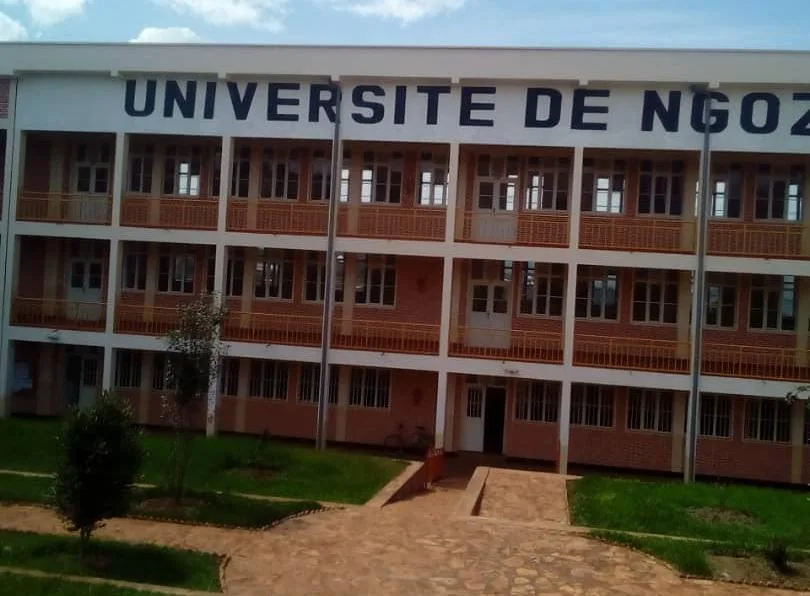
Ngozi Cathedral
A significant religious landmark in Ngozi, the second-largest city in the country.
Learn more →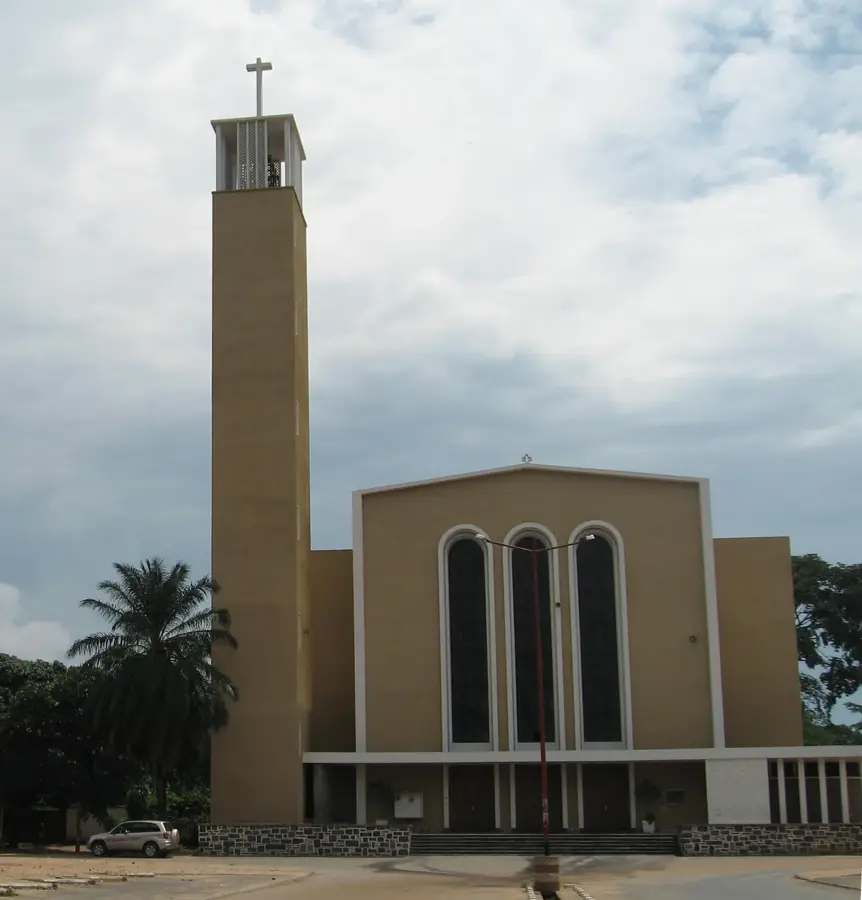
Rutana Cathedral
An important religious and architectural landmark in the eastern province of Rutana.
Learn more →Nature
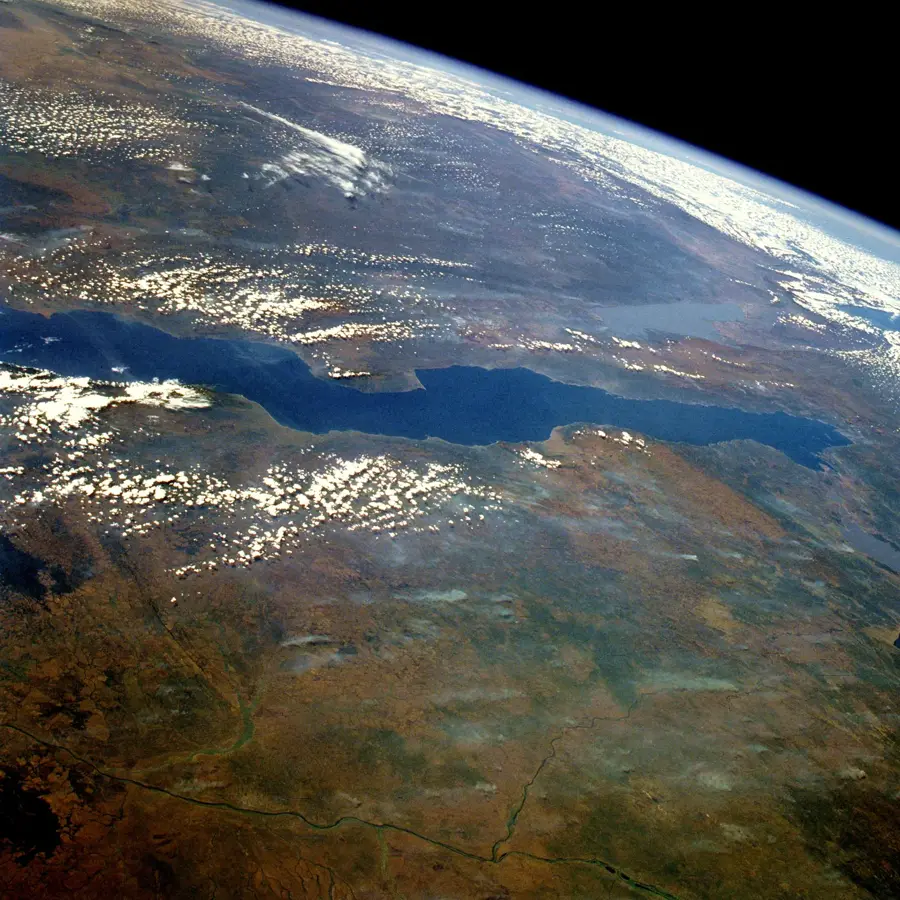
Lake Tanganyika
Lake Tanganyika forms Burundi's western edge and shapes much of the country's shoreline life.
Learn more →
Mount Mikuba
Mikuba lies in a low mountain landscape in Burundi.
Learn more →
Mount Nkoma
Nkoma is a small relief zone in Burundi's hilly interior.
Learn more →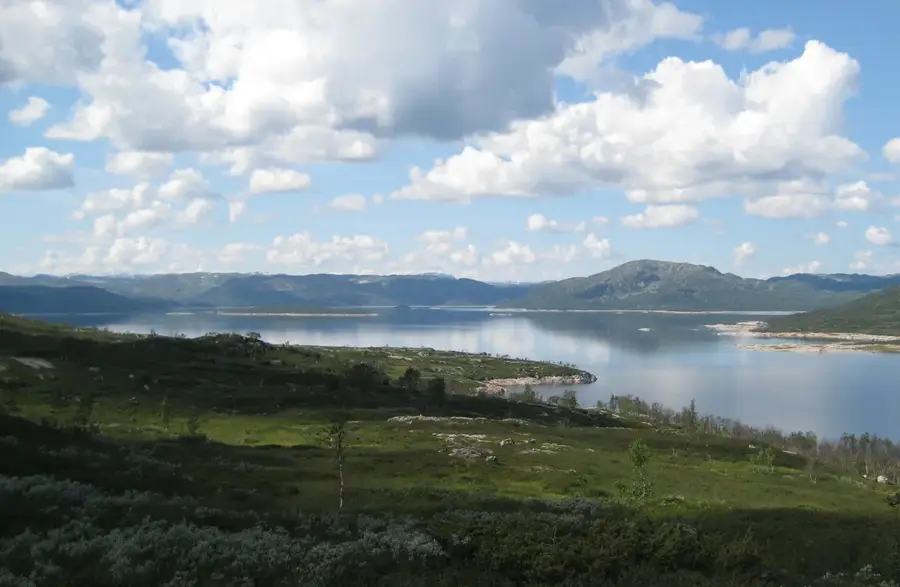
Mount Songa
Songa's relief is shaped by rural hills and shallow valleys in southern Burundi.
Learn more →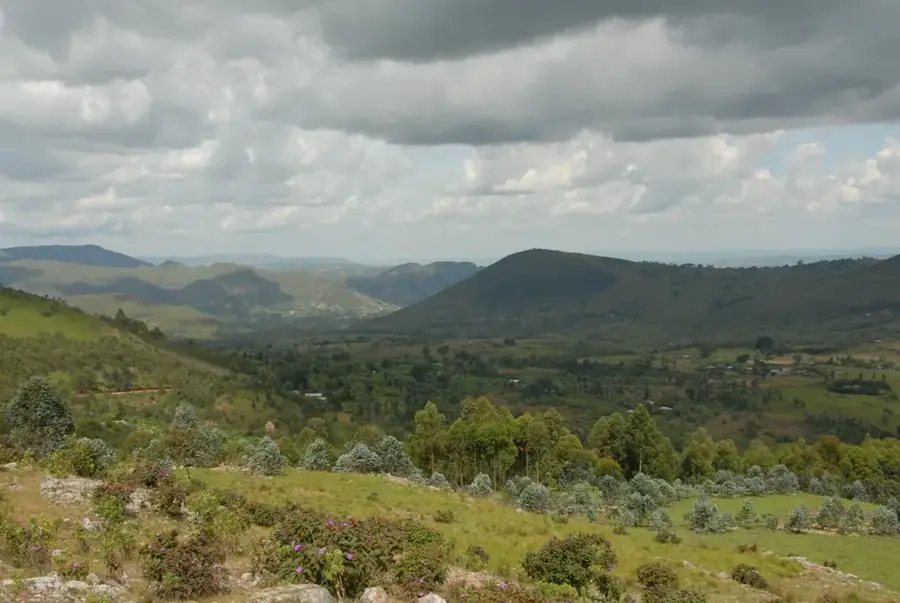
Mount Teza
Teza is an upland zone on Burundi's western high ground.
Learn more →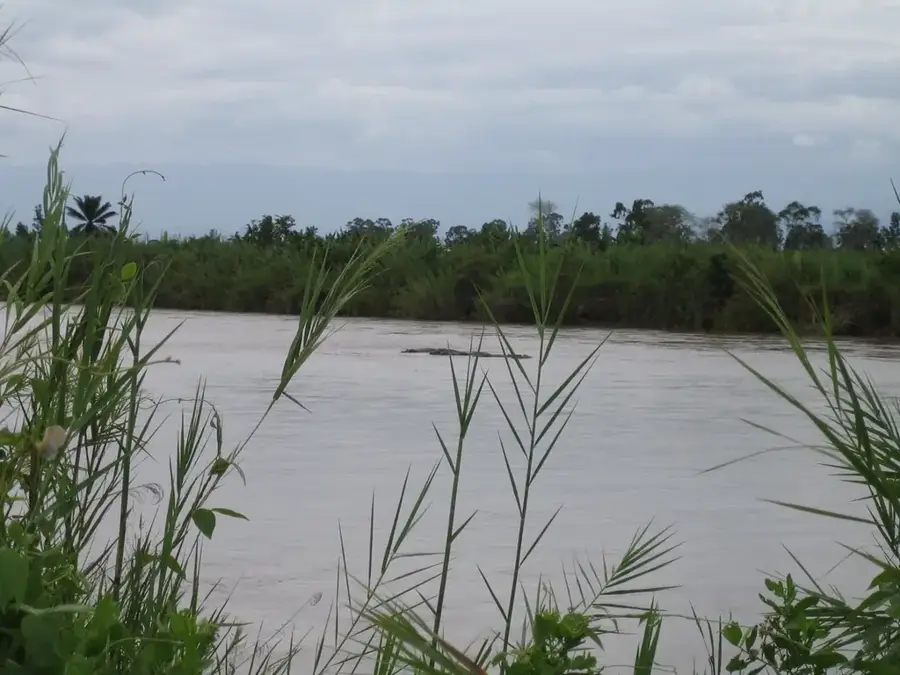
Ruzizi River
The Ruzizi River links the lake country north of Burundi with Lake Tanganyika.
Learn more →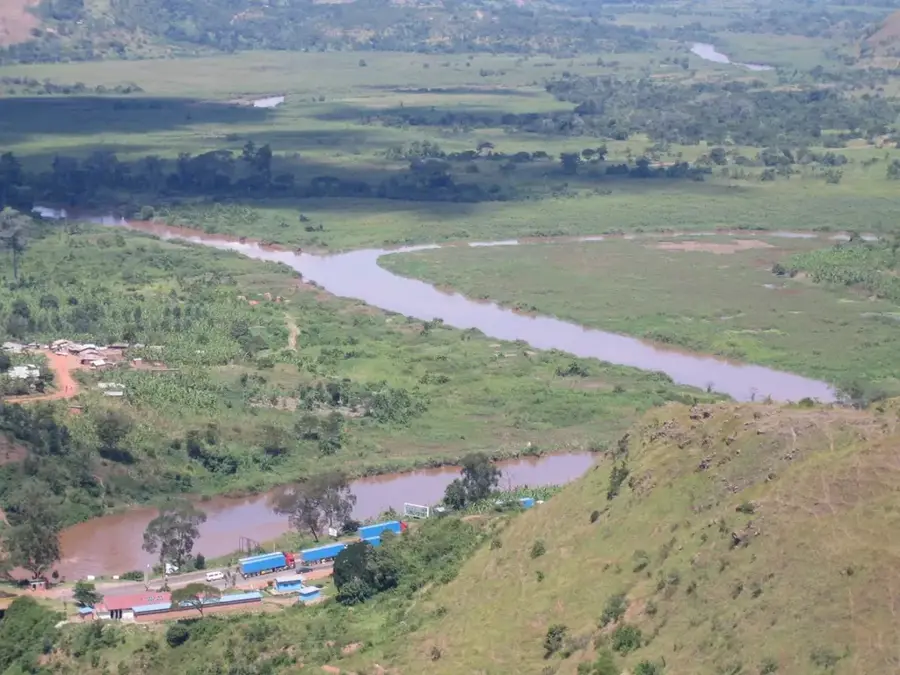
Ruvubu River
The Ruvubu River is one of Burundi's major waterways.
Learn more →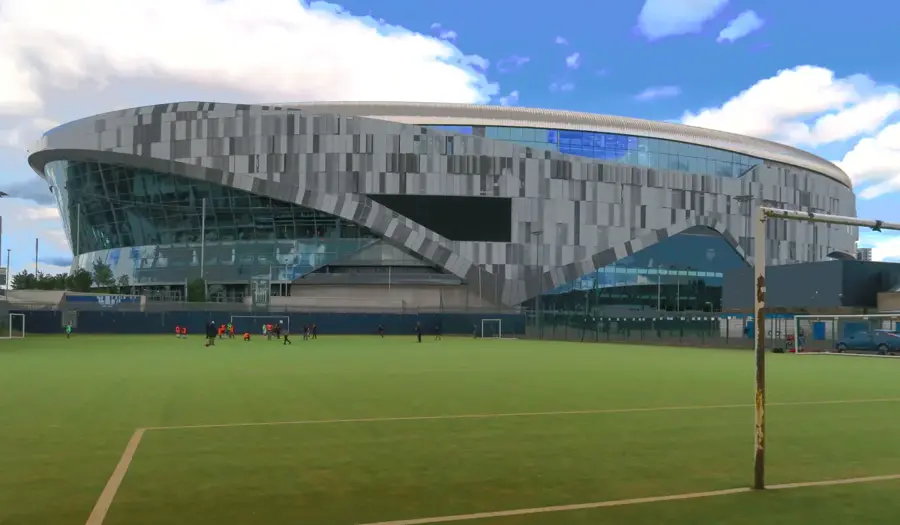
Mount Muregeya
A high peak in Kayanza Province, embedded in the fertile volcanic landscape of the north.
Learn more →More highlights
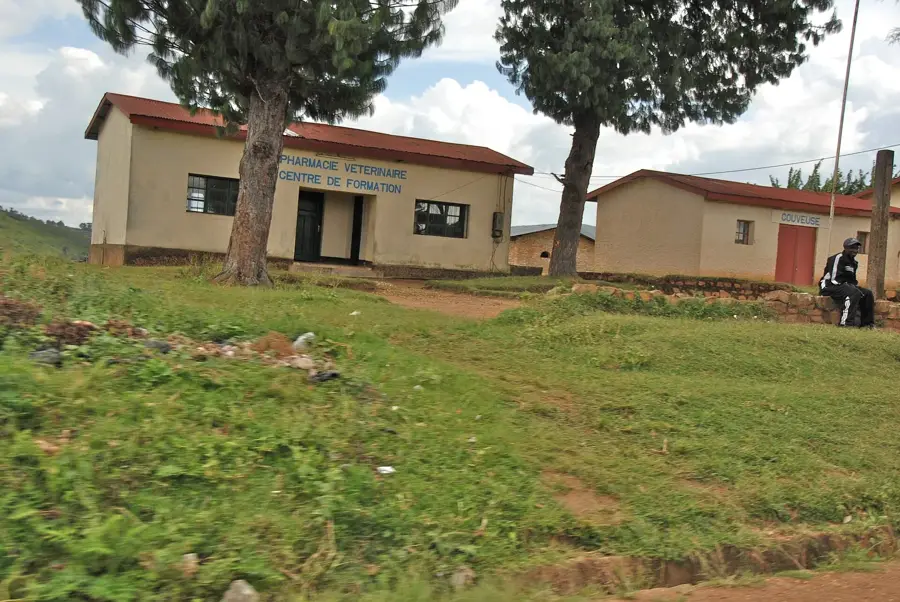
Gishora Drum Sanctuary
Gishora is a famous drum sanctuary near Gitega, linked to Burundi's royal drumming heritage.
Learn more →
Ancient Palace of Muramvya
Muramvya's ancient palace site points to the old royal court and the early power centers of Burundi.
Learn more →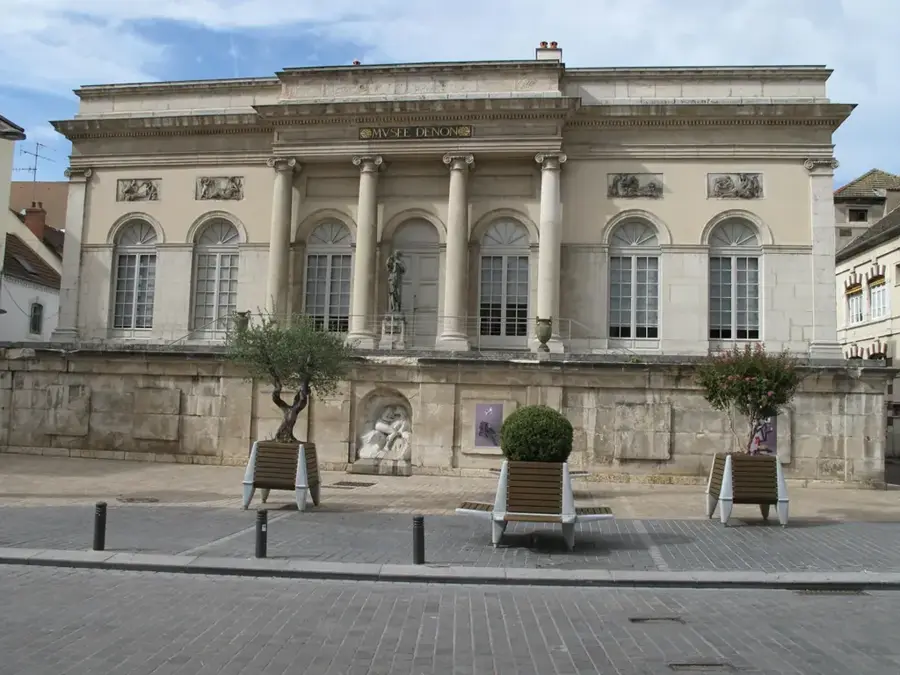
Musée Vivant
Musee Vivant in Bujumbura combines a small zoo with cultural displays.
Learn more →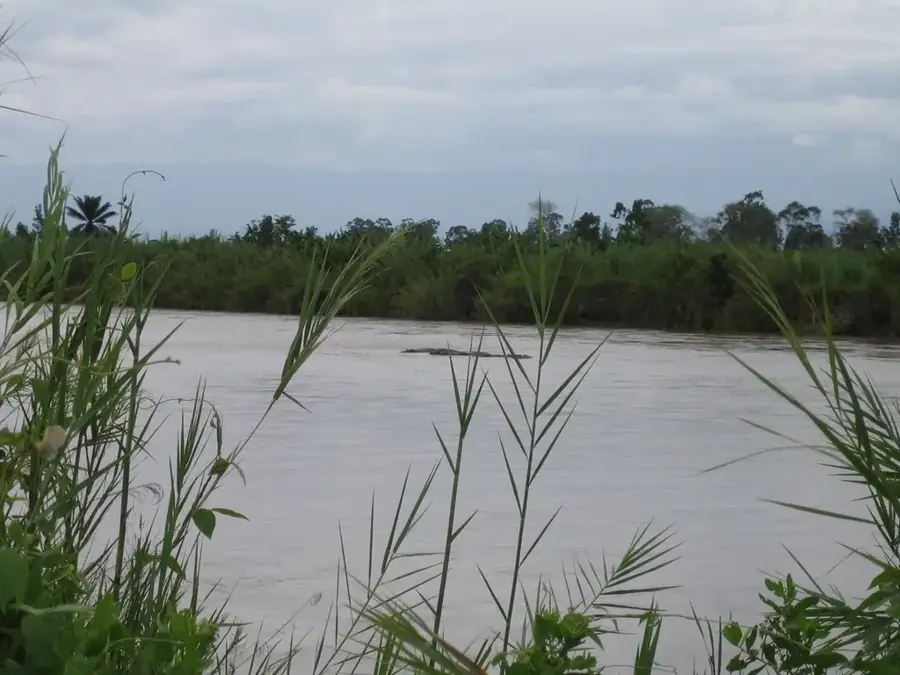
Rusizi Delta
The Rusizi Delta is a wetland zone where the river reaches the Lake Tanganyika system.
Learn more →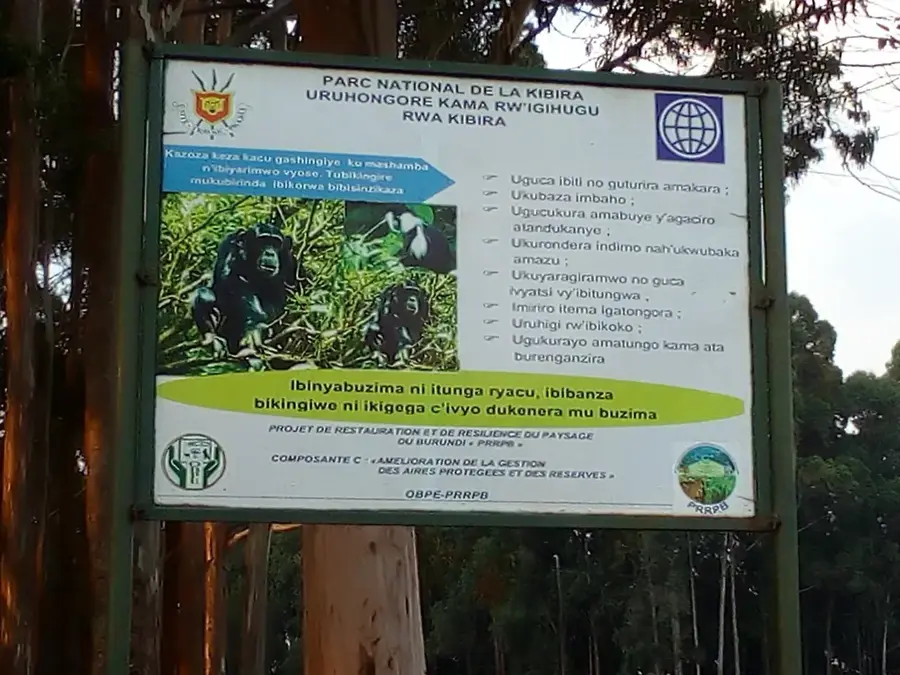
Kibira National Park
Kibira is a large mountain forest in northwestern Burundi.
Learn more →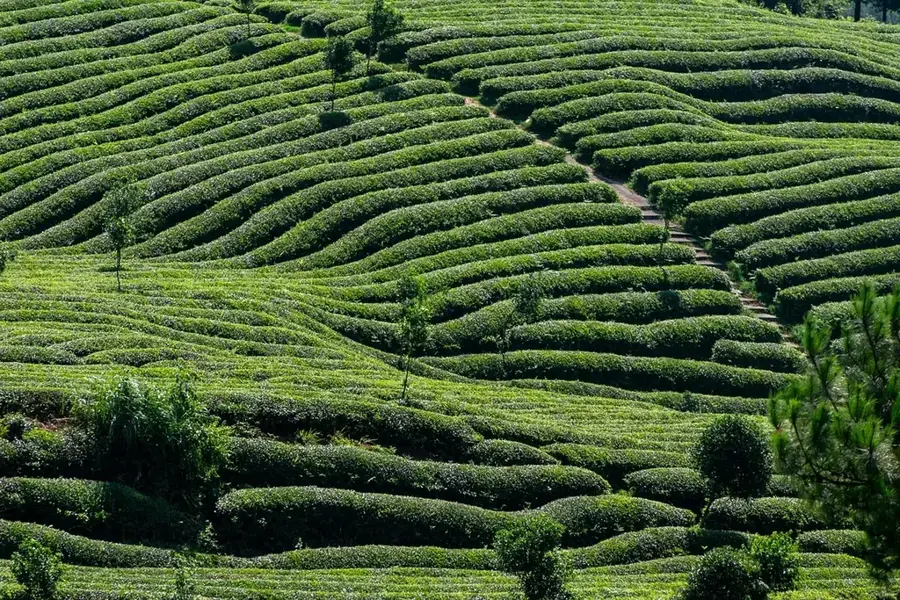
Mugamba Tea Gardens
Tea growing in Mugamba is part of Burundi's cooler highland economy.
Learn more →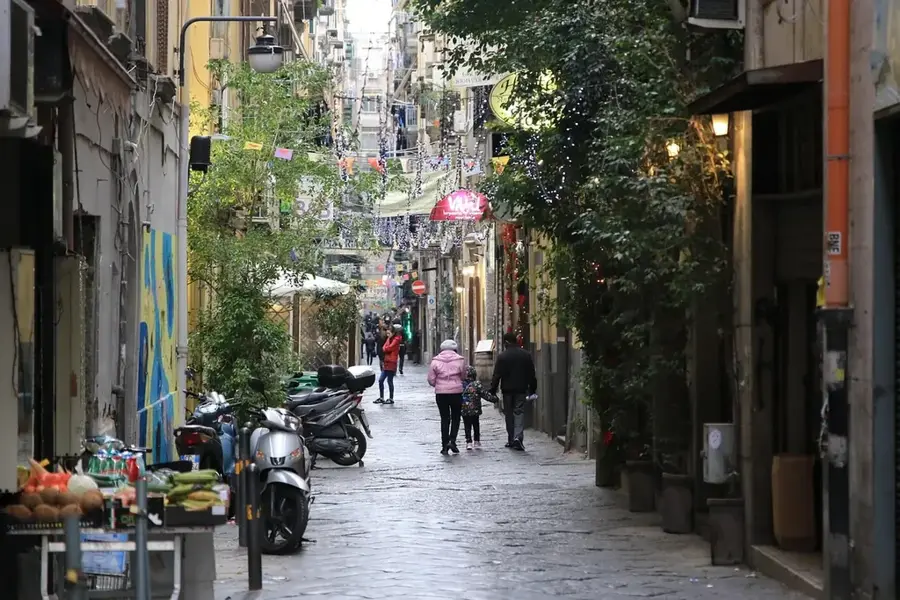
Historic Quarter of Rumonge
Rumonge's history is connected to Arab trading routes along the Tanganyika shore.
Learn more →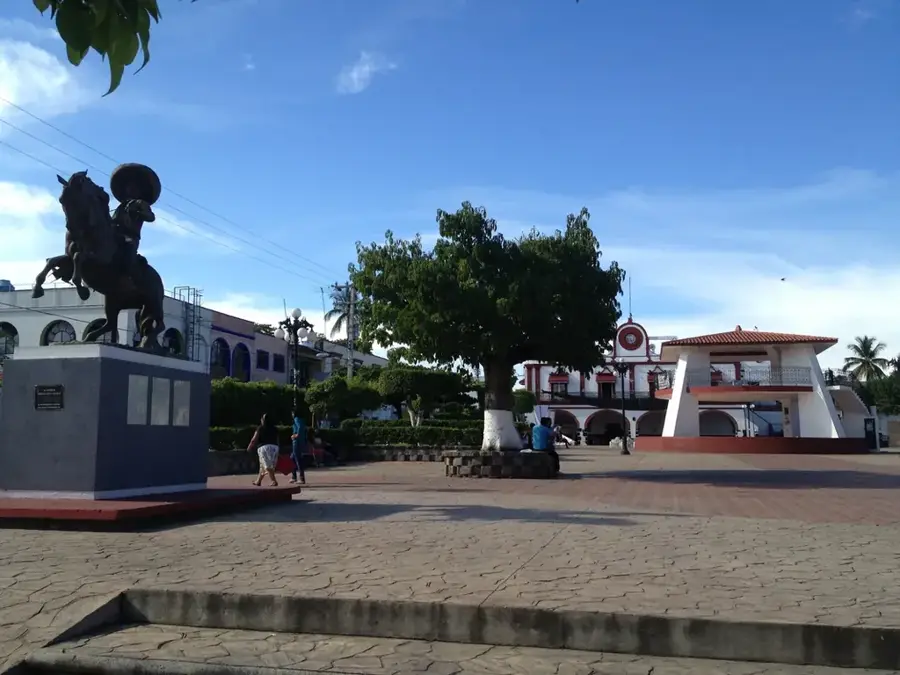
Mosso Valley Sugarcane Fields
The lower-lying Mosso Valley in the east offers ideal conditions for large-scale sugarcane cultivation.
Learn more →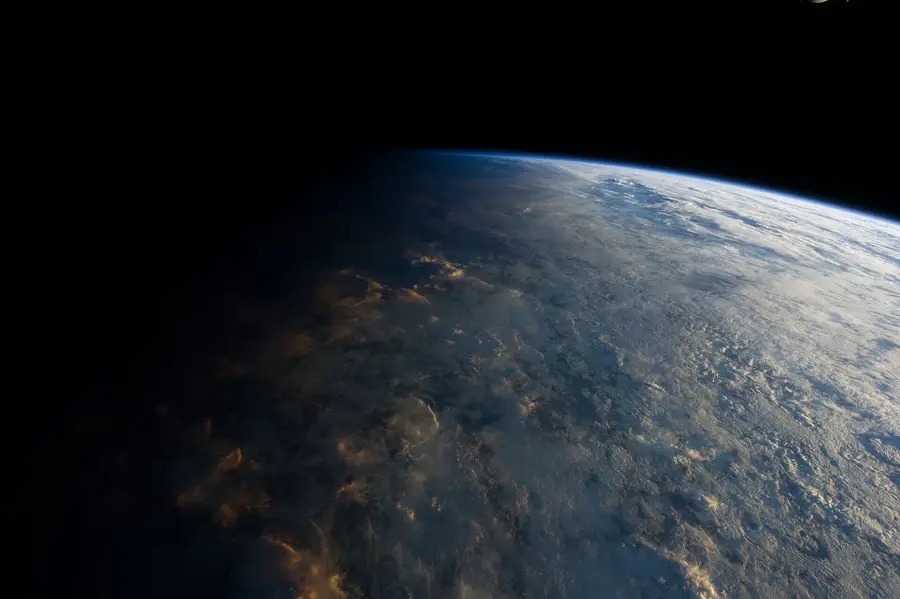
Kumoso Lowlands
A vast plain in eastern Burundi, located along the Tanzanian border and characterized by a warmer climate.
Learn more →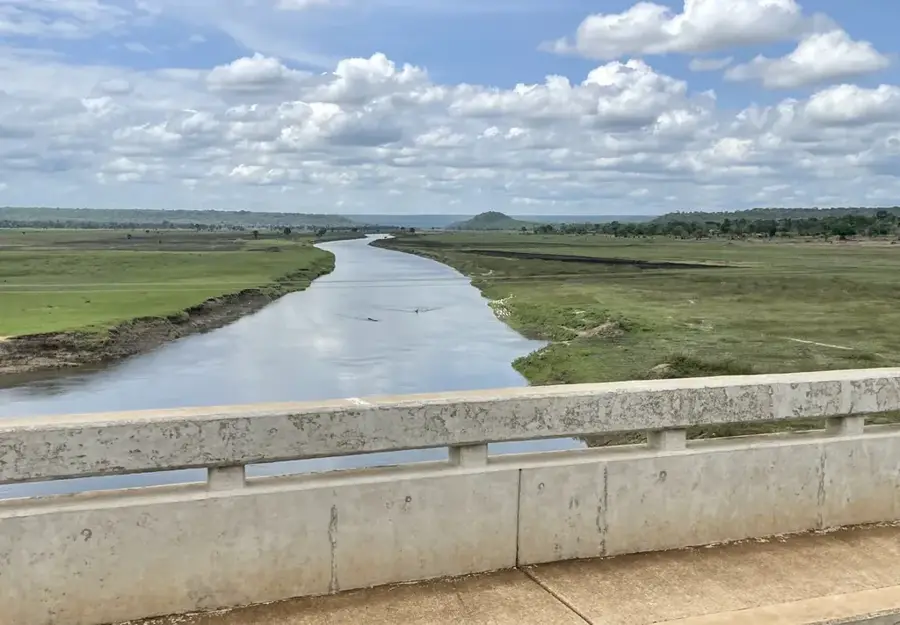
Malagarasi Swamps
A vast wetland in the east, known as one of the few places to spot the rare Shoebill stork.
Learn more →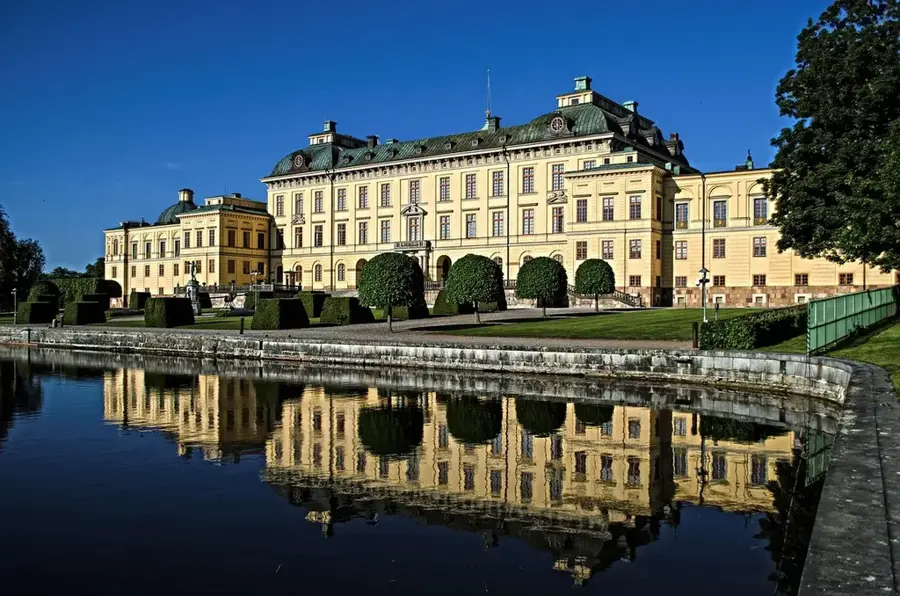
Royal Residences of Nkiko
Former royal estates in the Mugamba region, known for their traditional Burundian architecture.
Learn more →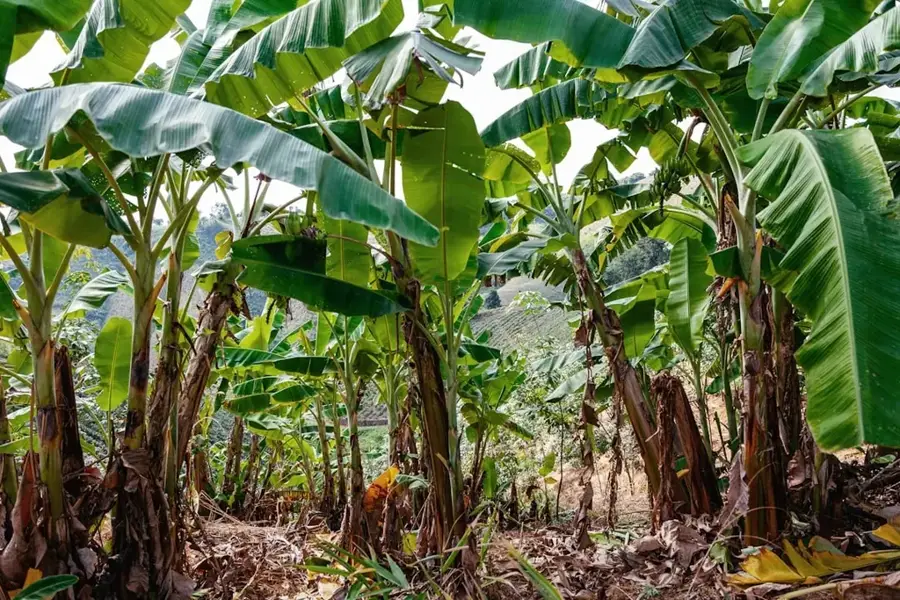
Muyinga Banana Groves
The Muyinga region is famous for its dense banana plantations, providing a staple food source.
Learn more →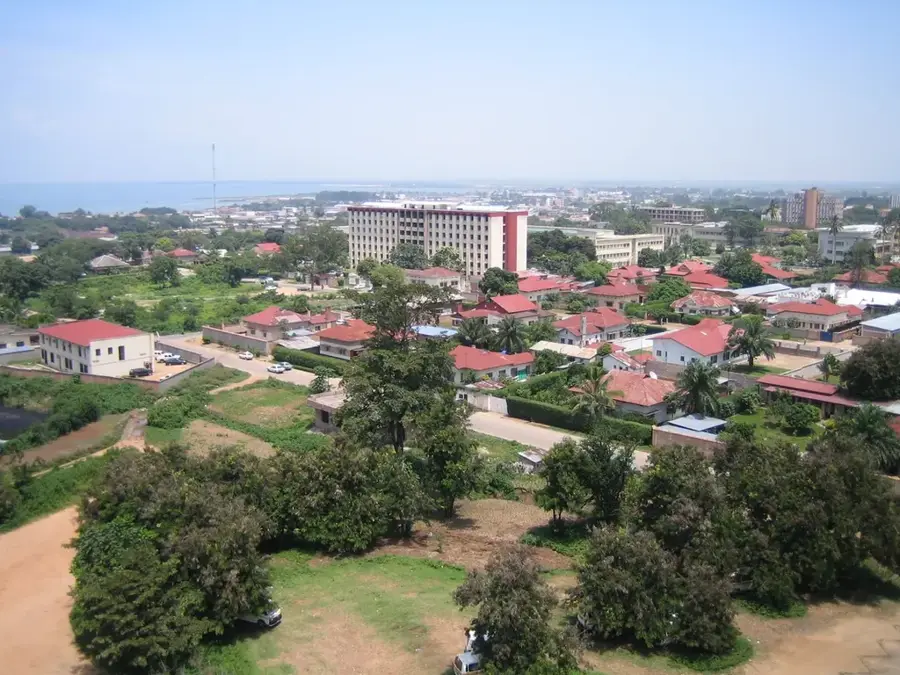
Bujumbura Public Beach
A popular spot for families on Lake Tanganyika, featuring sandy beaches and recreation facilities.
Learn more →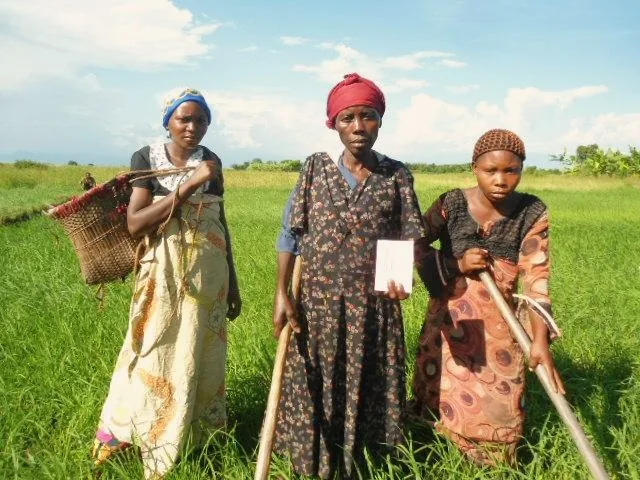
Cibitoke Cotton Fields
The hot Ruzizi plain in Cibitoke is ideal for growing cotton for the textile industry.
Learn more →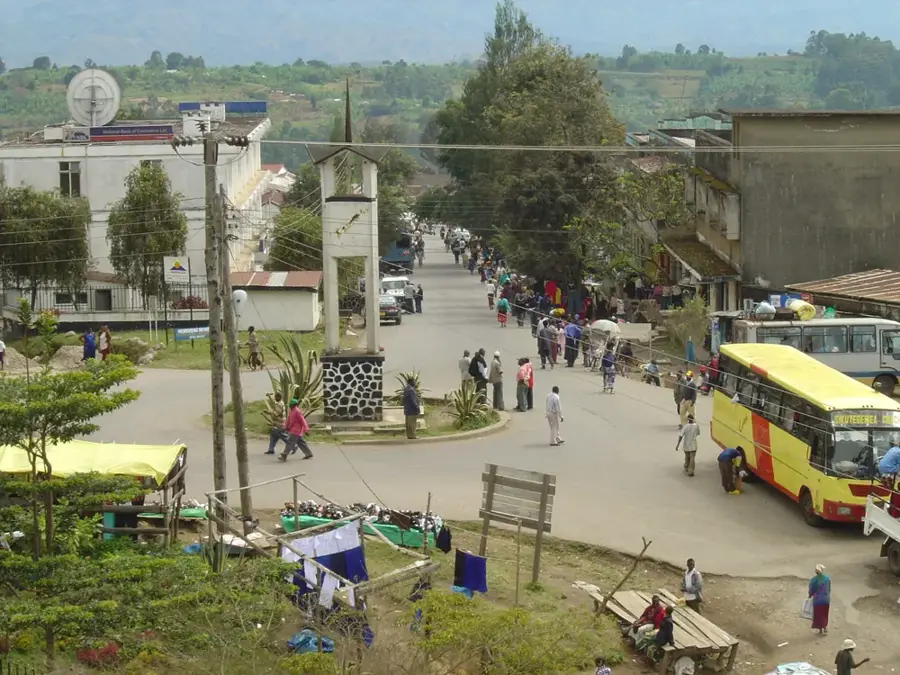
Ngozi Tea Factory
One of the largest tea processing plants in the north, surrounded by vast tea estates.
Learn more →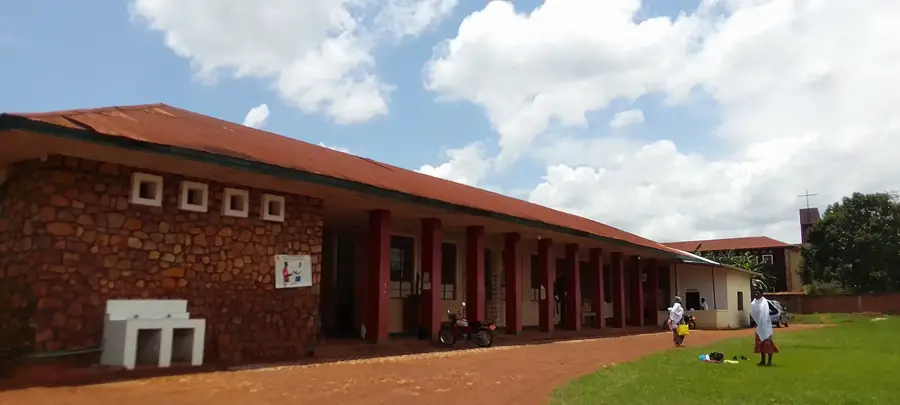
Mushasha Mission
One of the oldest Catholic missions in Burundi, which played a central role in education.
Learn more →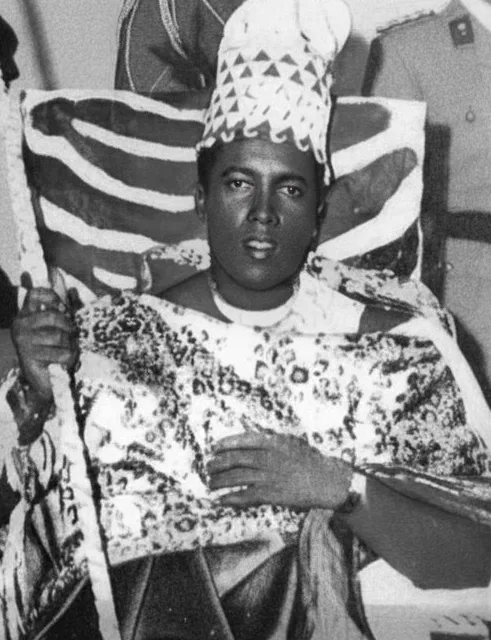
Grave of Ntare Rushatsi
The legendary burial site of the first king of Burundi, Ntare Rushatsi, founder of the kingdom.
Learn more →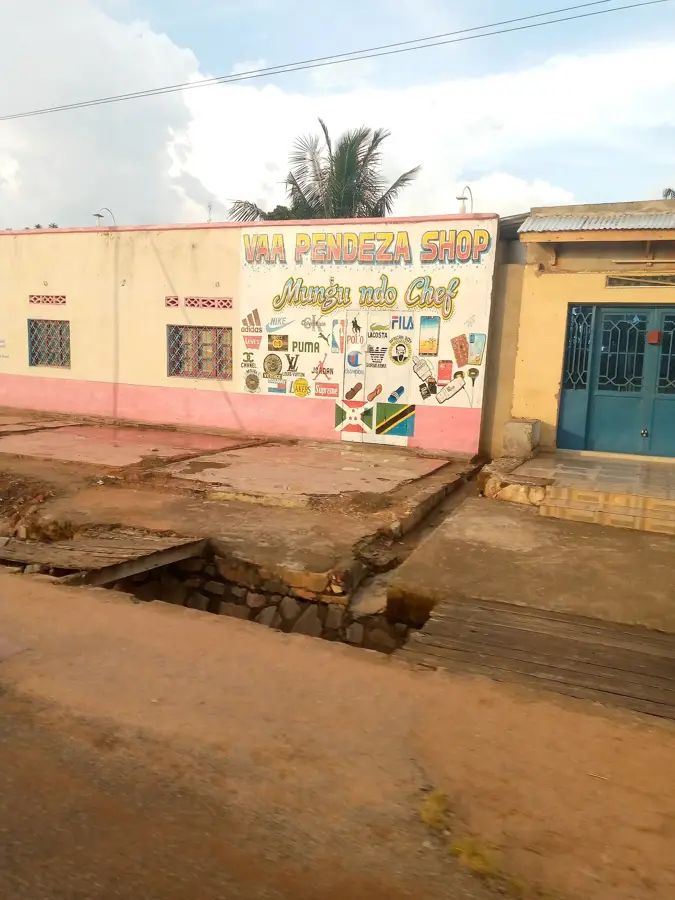
German Gorge of Nyanza
A strategically important gorge where remains of German colonial fortifications can be found.
Learn more →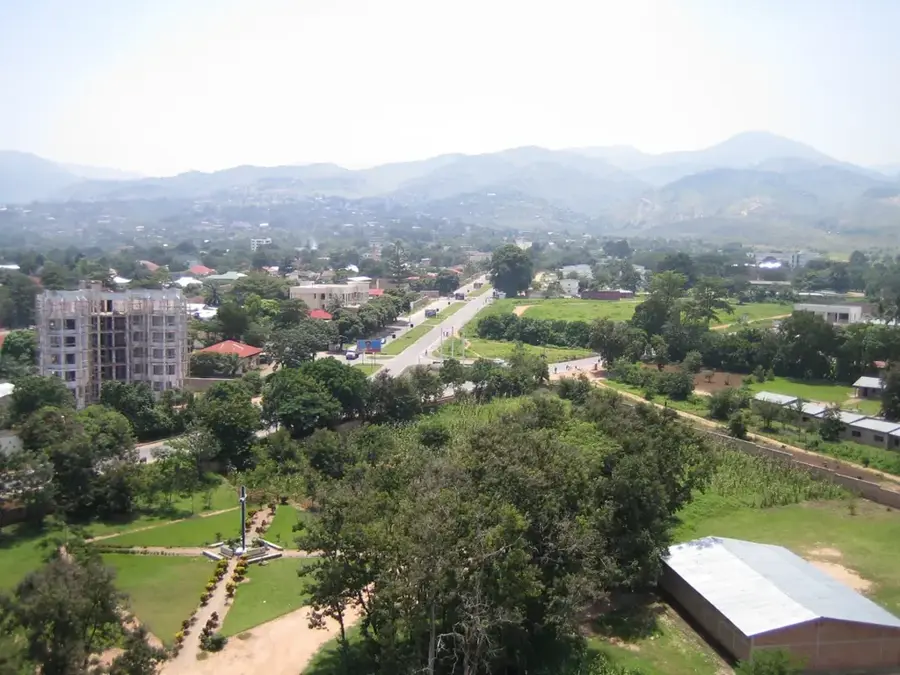
Regina Mundi Cathedral
The main cathedral of Bujumbura, a significant religious and architectural monument of the city.
Learn more →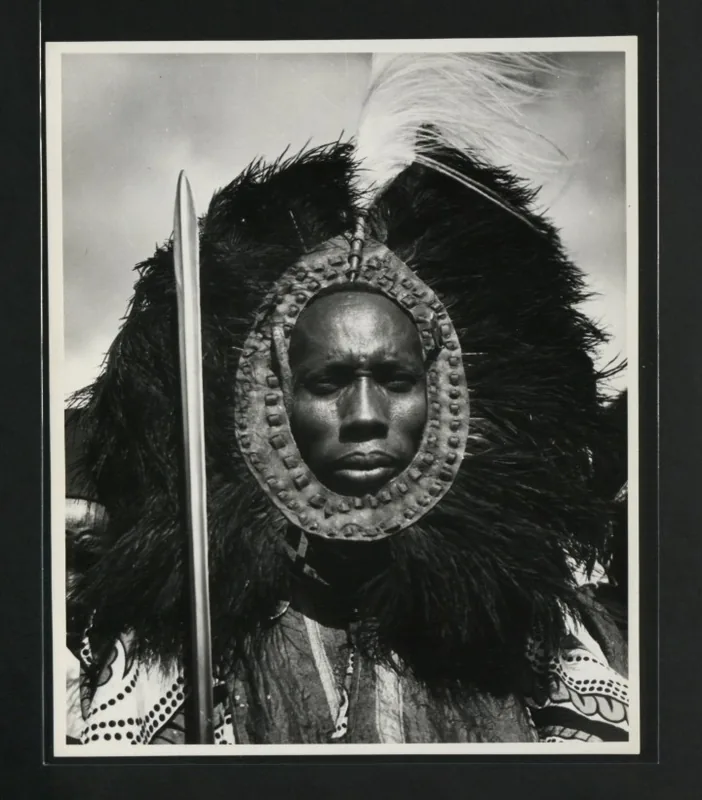
German Fort of Muyinga
Remains of a military station from the German East Africa era in the northeast of the country.
Learn more →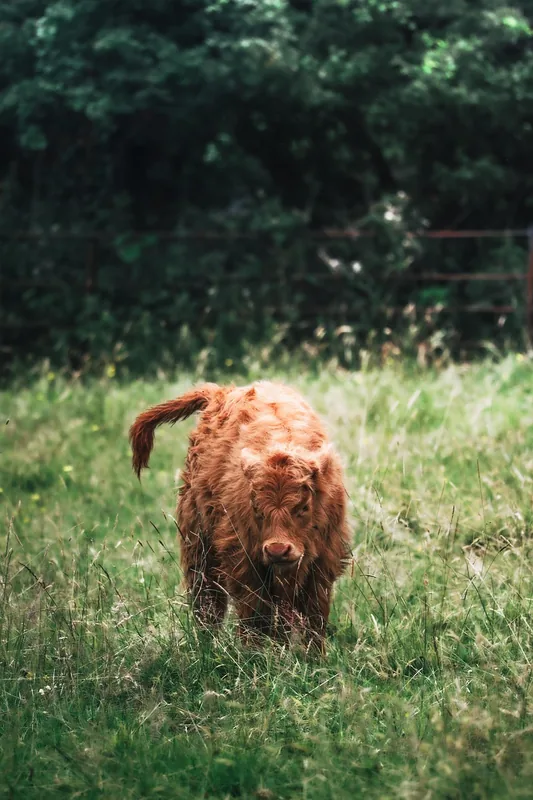
Buyogoma Cattle Grazing Lands
The eastern plateaus of Buyogoma are the traditional heartland of cattle ranching in Burundi.
Learn more →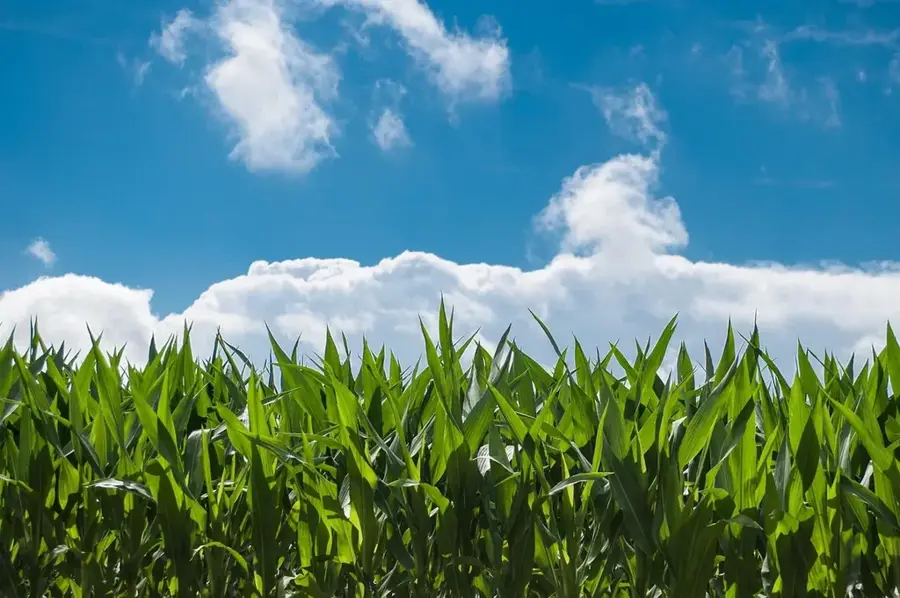
Makamba Maize Fields
The fertile soils in the south of Makamba are a hub for maize and bean cultivation.
Learn more →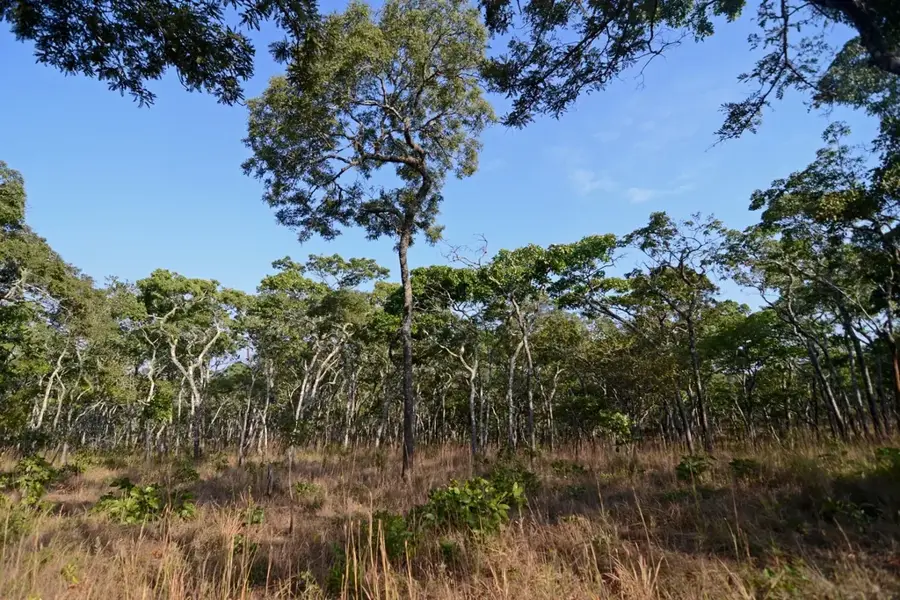
Ruvubu Plain
The grassy savannas along the Ruvubu River are home to large herds of buffalo and antelope.
Learn more →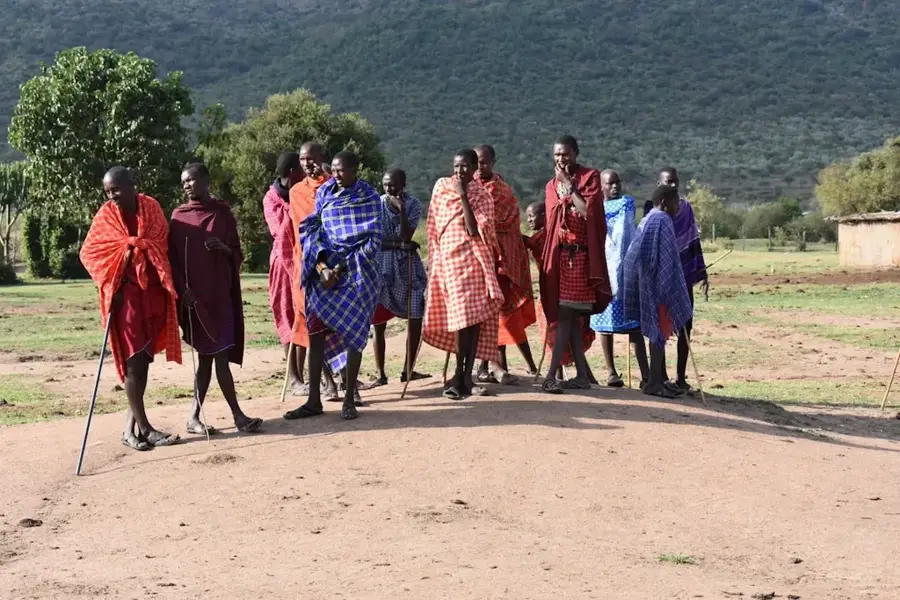
Kibumbu Mission
A historic mission site with old colonial-era buildings and a significant church.
Learn more →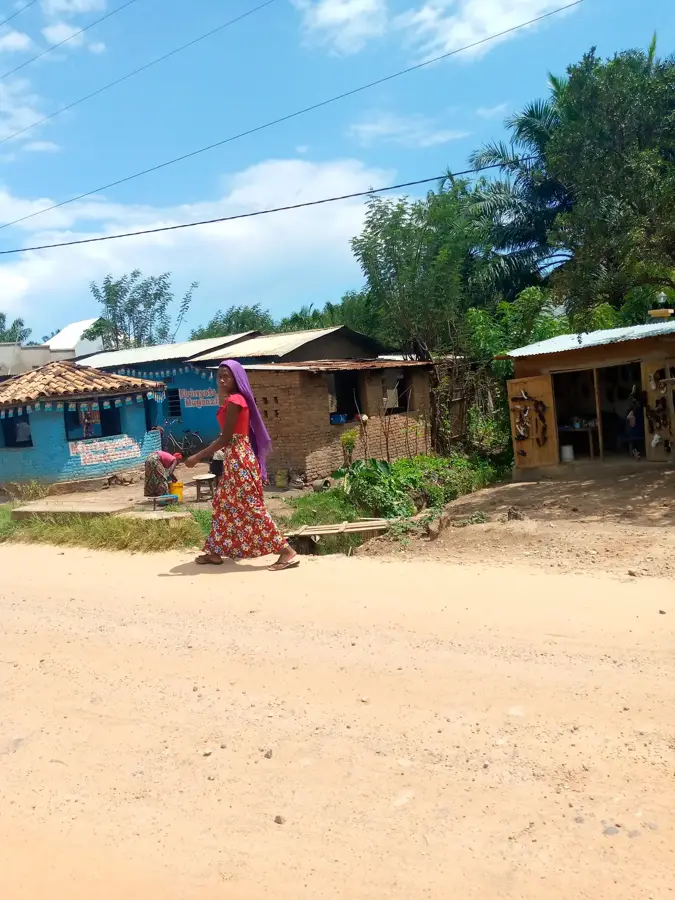
Mirwa Escarpment
A steep mountain range that separates the central plateau from the Lake Tanganyika rift.
Learn more →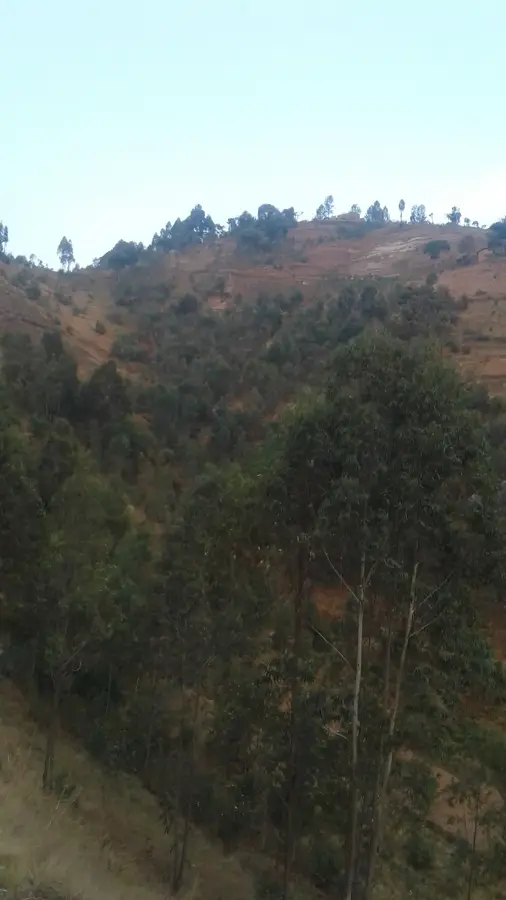
German Ruins of Kayanza
Remains of colonial infrastructure and administrative buildings in Kayanza Province.
Learn more →
Mumirwa Coffee Slopes
On the slopes of the Mumirwa mountains, coffee is grown in small family-owned plots.
Learn more →Frequently asked questions
What are the top attractions in Burundi?
Among the most popular are Independence Monument, Prince Louis Rwagasore Stadium, Lake Tanganyika, Livingstone-Stanley Monument, Melchior Ndadaye International Airport and many more – the full top 50 list is on this page.
When is the best time to visit Burundi?
May to October offers the most pleasant weather; July and August are warmest and busiest.