Plizio Visual Lab

Catete Palace

Plizio editorial teamData Sources
Historical site
—°19
Catete Palace (Brazil)

Weather…

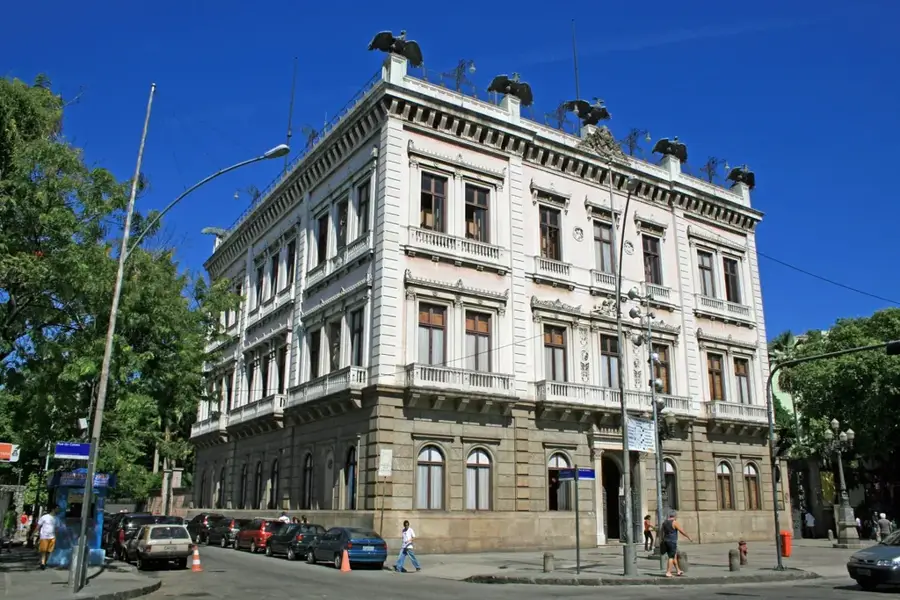
The Palácio do Catete in Rio de Janeiro served as the official seat of the Brazilian presidency from 1897 to 1960. Originally built between 1858 and 1867 as a residence for the Baron of Nova Friburgo in neoclassical style, the building reflects mid-19th century opulence. After the capital was moved to Brasília, the palace was transformed into the Museum of the Republic. A tragic moment in Brazilian history occurred here in 1954 when President Getúlio Vargas committed suicide in his bedroom on the third floor. The palace's architecture is renowned for its magnificent halls, such as the Ambassador's Hall and the Banquet Hall, adorned with European marble and intricate woodcarvings. The surrounding gardens offer a peaceful retreat in the heart of the city, mirroring the luxury of the imperial era. Today, visitors can view original furniture, artworks, and documents that record Brazil's political development over decades. The palace is a symbol of Brazil's transition from monarchy to republic and remains a central site of national memory.

Best time to visit & climate

The most pleasant time to visit is Jun–Aug.

JanFebMarAprMayJunJulAugSepOctNovDec
Avg °C262625242222212122232325
Rain mm2081521731017149454269108220232

📋 Practical info

🚪
Visiting
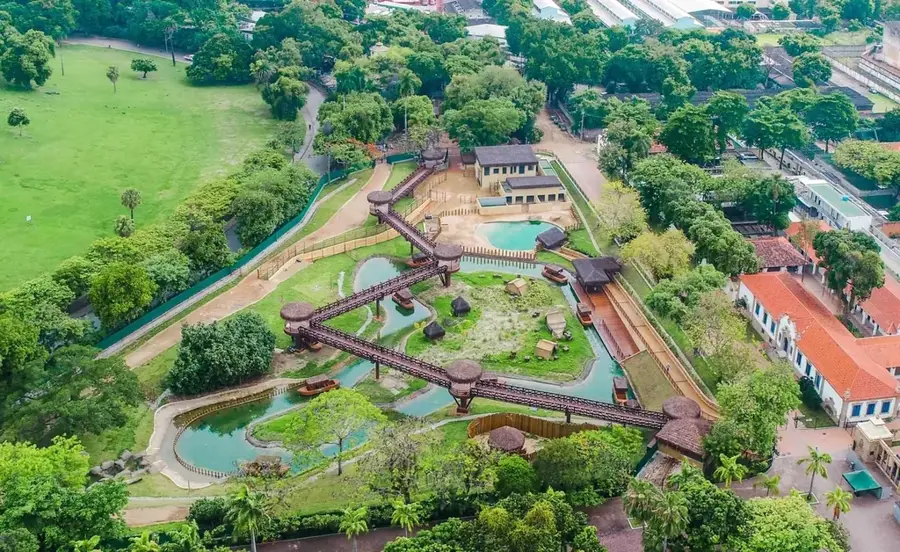
The former presidential palace is fully open to the public, allowing visitors to explore its opulent interior rooms and the expansive, beautifully landscaped gardens surrounding it. You can step inside to experience the grandeur of Brazilian political history firsthand.
🕒
Typical hours
As a national museum, it typically operates during standard daytime hours from Tuesday to Sunday, remaining closed on Mondays for general maintenance and administration. It is highly advisable to arrive early in the day to avoid the largest crowds.
📷
Photography
Photography for personal use is generally permitted in the gardens and most interior exhibition halls, though flash and tripods might be restricted to protect sensitive historical artifacts. The outdoor areas provide particularly impressive backdrops for memorable architectural shots.
⏱️
Time needed
You should plan to spend approximately two to three hours fully exploring the museum exhibits, the historically significant rooms, and taking a leisurely stroll through the adjacent park. History enthusiasts may find themselves wanting even more time to absorb the rich details.
Combine with
This visit seamlessly pairs with an exploration of the surrounding Catete neighborhood or a relaxing walk down to the nearby Flamengo Park, which features expansive views of the iconic Guanabara Bay. You can easily make a full cultural and scenic day out of this specific area.
🧭
Getting there
The palace is exceptionally well-connected by public transportation, with a dedicated subway station situated just a very short walking distance from the main entrance gates. Ride-sharing services and local buses also provide highly convenient drop-off points directly at the site.
💡
Insider tip
Take a moment to look out for the resident ducks and birds enjoying the peaceful ponds within the palace gardens, providing a tranquil contrast to the bustling city energy right outside. Enjoying a coffee in the garden cafe is a highly recommended way to conclude your visit here.

Geography

Coordinates
-22.92580, -43.17630

Facts

  • Originally the residence of the Baron of Nova Friburgo
  • Presidential seat from 1897 to 1960
  • Site of Getúlio Vargas's suicide in 1954
  • Became the Museum of the Republic in 1960
  • Known as the 'Palace of the Eagles' due to statues on the roof
  • The gardens were designed by French landscaper Glaziou

Explore nearby

Notable places around

Route planner — Car & Motorhome

Where do you start? We build the route here, with stops and country notes along the way.

Vehicle
Only stops with (optional):

© OpenStreetMap contributors · OpenRouteService

Sights in the town Catete Palace (19)

Carmen Miranda Museum🏛 museum

This circular-shaped museum in Rio de Janeiro exhibits the colorful costumes, turbans, and platform shoes worn by the iconic Brazilian entertainer.

🕒 Tu-Fr 11:00-17:00;Sa-Su 13:00-17:00;PH 13:00-17:00

Templo da Humanidade⛪ religious

Serving as the headquarters of the Positivist Church of Brazil in Rio de Janeiro, this temple's architecture reflects the Religion of Humanity's philosophical principles.

Palácio São Joaquim📍 landmark

This majestic palace in Rio de Janeiro serves as the official residence of the Catholic Archbishop and features an impressive domed interior.

Palácio Laranjeiras📍 landmark

Set within lush landscaped gardens, this eclectic mansion in Rio de Janeiro functions as the official residence of the state governor.

Aterro do Flamengo🌳 park

Designed by Roberto Burle Marx, this expansive urban park in Rio de Janeiro stretches along the Guanabara Bay with extensive sports facilities and native flora.

Jardins do Palácio do Catete🌳 park

Featuring royal palms and a pretty artificial lake, this historic romantic garden in Rio de Janeiro surrounds the former presidential palace.

Praça São Salvador🌳 park

This lively neighborhood square in Rio de Janeiro is famous for its lively weekend market and traditional choro music performances around the central fountain.

Praia do Flamengo🎡 recreation

Offering impressive views of the Sugarloaf Mountain, this sandy urban beach in Rio de Janeiro features calm bay waters well-suited for waterfront recreation.

Botafogo Beach🎡 recreation

Overlooking a scenic crescent bay filled with sailboats, this crescent-shaped beach in Rio de Janeiro provides an iconic panorama of Sugarloaf Mountain.

Museu Mauro Ribeiro Viegas🏛 museum

This specialized institution in Rio de Janeiro preserves historical collections relating to the architectural and urban development of the city.

Ana Carolina da Costa Lino🏺 historical

This civic monument in Rio de Janeiro pays tribute to local heritage through its carefully sculpted portraiture set in a public plaza.

Simon Bolívar🏺 historical

Erected to honor the renowned South American liberator, this distinguished statue in Rio de Janeiro stands as a symbol of continental independence.

Mural Corcovado🏺 historical

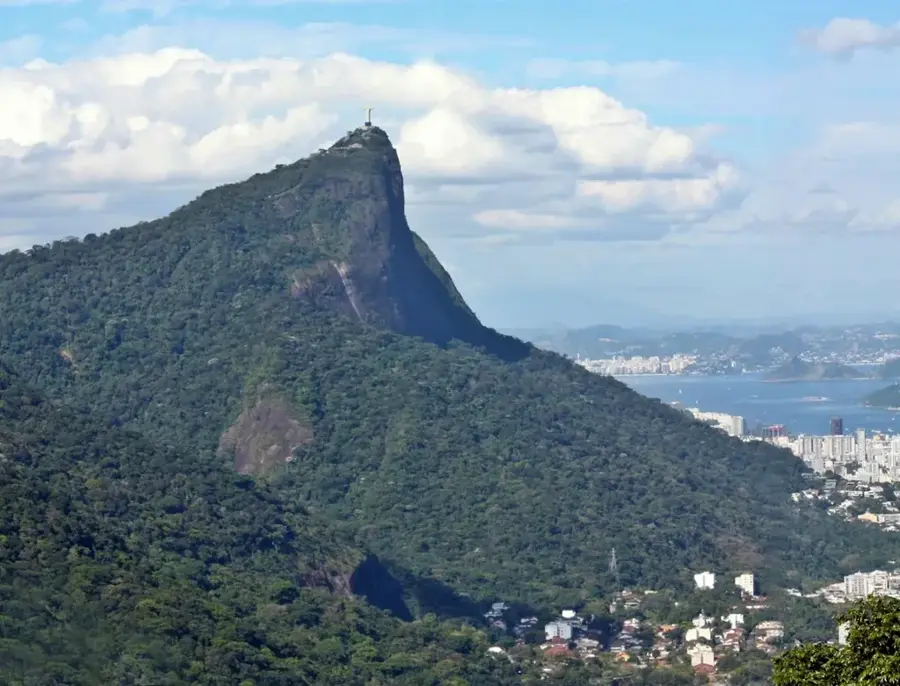
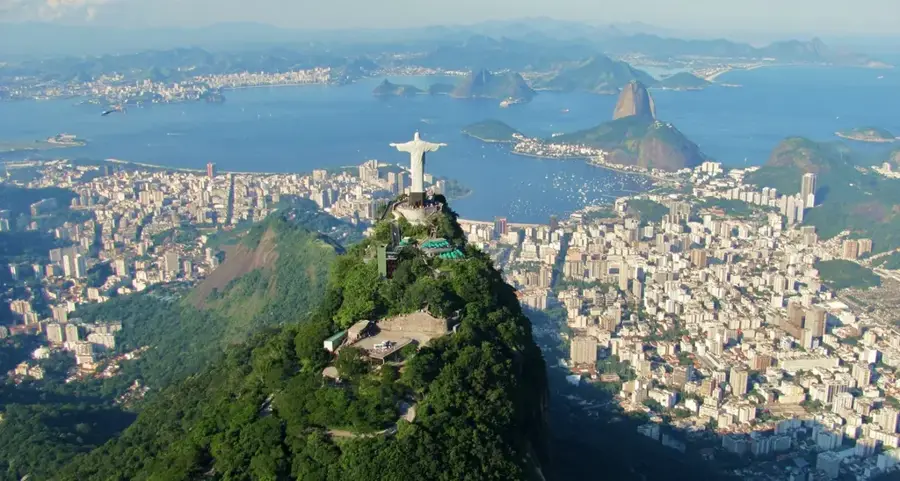
This bustling outdoor mural in Rio de Janeiro colorfully depicts the city's iconic mountain landscapes and the renowned Christ the Redeemer statue.

Centro de Estudo do Budismo Tibetano Shiwalha⛪ religious

This peaceful Buddhist temple in Rio de Janeiro provides a serene space dedicated to the teachings and meditation practices of Tibetan Buddhism.

Castelinho do Flamengo📍 landmark

This eclectic mansion and cultural center in the Flamengo neighborhood was designed by architect Gino Boccasavia.

Outeiro da Glória🌿 nature

This prominent hill in Rio de Janeiro is widely known for the historic Nossa Senhora da Glória do Outeiro church sitting at its summit.

Morro da Nova Cintra🌿 nature

This prominent urban hill provides views from its slopes over the surrounding neighborhoods of Rio de Janeiro.

Mirante do Rato Molhado🌿 nature

This viewpoint in Rio de Janeiro provides a sweeping panoramic view over the sloping roofs and streets of the city.

Museu Palácio do Catete🏛 museum

This former palace served as the residence of Brazilian presidents until 1960 and now houses an extensive historical museum.

🕒 3a a 6a - 10 às 17 h e Sábados, Domingos e Feriados- 11 às 1🆓

Sights nearby

Frequently asked questions

What is Palácio do Catete today?
It houses the Museum of the Republic and was formerly the seat of the Brazilian presidency.
Can you visit Getúlio Vargas's room?
Yes, the bedroom where the president passed away is preserved on the museum's third floor.
Is there a garden at the palace?
Yes, Parque do Catete is a beautiful public park with ponds and ancient trees behind the palace.
What are the museum's opening hours?
The museum is typically open from Tuesday to Friday (10 AM - 5 PM) and on weekends.
How do you get to Palácio do Catete?
The easiest way is by metro; the 'Catete' station is located directly opposite the main entrance.
Catete Palace: where is it located?
Catete Palace is located in Brazil.
Catete Palace: what is there to see?
Highlights include Carmen Miranda Museum, Templo da Humanidade, Palácio São Joaquim.
Catete Palace: when is the best time to visit?
The most pleasant time to visit is Jun, Aug.
Catete Palace: why is it worth visiting?
The Palácio do Catete in Rio de Janeiro served as the official seat of the Brazilian presidency from 1897 to 1960.
View on map → The Top 50 Attractions → OpenStreetMap →
South America
Explore with Plizio Discover more places in South America
More places in Brazil →

Nearby cities

History & landmarks

More places