Plizio Visual Lab
São Luís
ℹ️Practical info — São Luís
▾
🌤 Weather — 5 days
📍 Nearby
Sights nearby
💡 Tips
- Stick to the historic center during daylight hours; many colonial alleys can be isolated and unlit at night.
- The region experiences massive tidal variations; always check local tide tables before visiting the beaches.
- If possible, visit in June during the Festas Juninas to witness the spectacular Bumba Meu Boi performances.
- Wear sturdy, flat shoes, as the historic center is heavily paved with uneven and often slippery cobblestones.
- Take a catamaran across the bay to the ruined colonial town of Alcântara for a peaceful day trip.
🍽 Food
A typical Maranhão rice dish with dried shrimp and herbs; found in historic center restaurants.
The famous local pink, sweet soda with a hint of cinnamon and cloves; available at any local stall.
A delicious local fish stew, often served in the seafood restaurants at Ponta d'Areia.
🛍 Shopping · 🧘 Quiet spots
A historic market great for buying local spices, tiquira (cassava spirit), and handicrafts.
Purchase souvenirs inspired by the city's famous Portuguese colonial tiles at artisan shops.
A sprawling lagoon area offering calm walking paths, best enjoyed in the late afternoon.
A vast beach that provides a peaceful setting for a long walk as the sun goes down.
A tranquil square in the historic center with beautiful views out over the bay.
Water temperature…
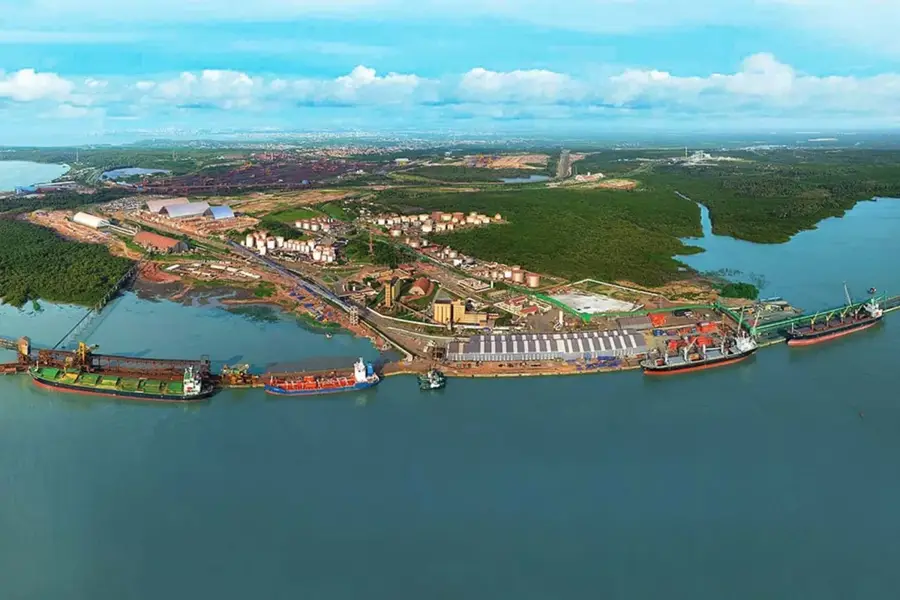
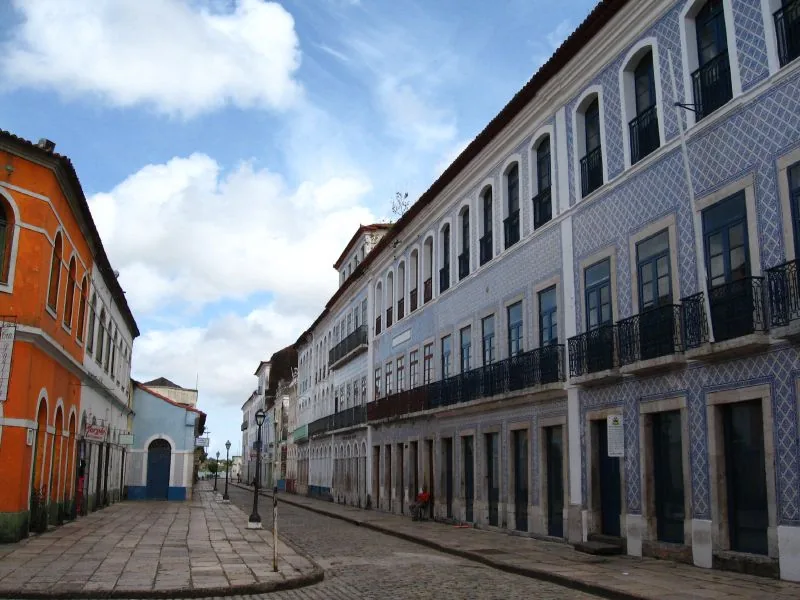
São Luís, the capital of Maranhão, is a city of remarkable cultural and architectural heritage, unique for being the only Brazilian state capital founded by the French in 1612. Located on the island of Upaon-Açu on the northeastern coast, the city was later occupied by the Dutch before finally being consolidated by the Portuguese. Its historic center is one of the most cohesive examples of Portuguese colonial architecture in South America, featuring thousands of historic buildings adorned with 'azulejos', traditional hand-painted ceramic tiles. This distinctive aesthetic, designed to withstand the tropical heat and humidity, led to its designation as a UNESCO World Heritage site in 1997. Often called the 'Brazilian Athens' due to its rich literary history and the purity of the Portuguese spoken there, São Luís remains a center of education and the arts. Economically, the city is a critical infrastructure hub; the Port of Itaqui is one of the deepest in the world and serves as the primary exit point for iron ore from the Carajás mines via the Carajás Railroad. Culturally, São Luís is home to the bustling Bumba-Meu-Boi festival, a multifaceted folk tradition that dominates the city's festivities in June. Additionally, the city has an unexpected and deep-seated connection to Reggae music, earning it the nickname 'Brazilian Jamaica.' Local cuisine is highly distinctive, featuring dishes like Arroz de Cuxá, made with vinagreira leaves and dried shrimp. As the gateway to the panoramic Lençóis Maranhenses National Park, São Luís attracts travelers from across the globe. The city beautifully balances its historic legacy with its role as a modern industrial and logistical powerhouse, offering a glimpse into a side of Brazil where history is literally written on its tiled walls.
Explore on the map
How well do you know Brazil?
Find cities, landscapes and regions in 10 varied challenges on the interactive map.
Your journey, your memory
A postcard from São Luís
Turn your own photo into a personal postcard with a local stamp. Free and no sign-up required.
Create a postcard- Location: Brazil
- Highlights: Forte Santo Antônio da Barra de São Luís · Casa das Minas Jeje (Querebentã Toi Zomadonu) · Igreja de Santana
- Population: ~917.237 (2026)
Best time to visit & climate
The most pleasant time to visit is Aug, Oct, Nov.
| Jan | Feb | Mar | Apr | May | Jun | Jul | Aug | Sep | Oct | Nov | Dec | |
|---|---|---|---|---|---|---|---|---|---|---|---|---|
| Avg °C | 27 | 27 | 26 | 26 | 27 | 27 | 27 | 28 | 28 | 28 | 28 | 28 |
| Rain mm | 191 | 247 | 322 | 357 | 238 | 149 | 88 | 23 | 23 | 15 | 17 | 47 |
Geography
Facts
- São Luís is located between the São Marcos and São José bays.
- The city was named after King Louis IX of France (Saint Louis).
- It features the largest collection of colonial buildings in the Brazilian Northeast.
- The average annual temperature in São Luís is approximately 26°C.
- The Port of Itaqui handles over 100 million tons of cargo annually.
- São Luís is the birthplace of the famous Brazilian writer Aluísio Azevedo.
- The city's historical center was inscribed as a World Heritage site in 1997.
- The local Bumba-Meu-Boi groups often practice throughout the year for the June festivals.
Route planner — Car & Motorhome
Where do you start? We build the route here, with stops and country notes along the way.
© OpenStreetMap contributors · OpenRouteService
Sights in the town São Luís (14)
Frequently asked questions
What is São Luís known for?
Is São Luís a UNESCO World Heritage site?
How do you get to Lençóis Maranhenses from here?
When is the Bumba Meu Boi festival?
Are there beaches in São Luís?
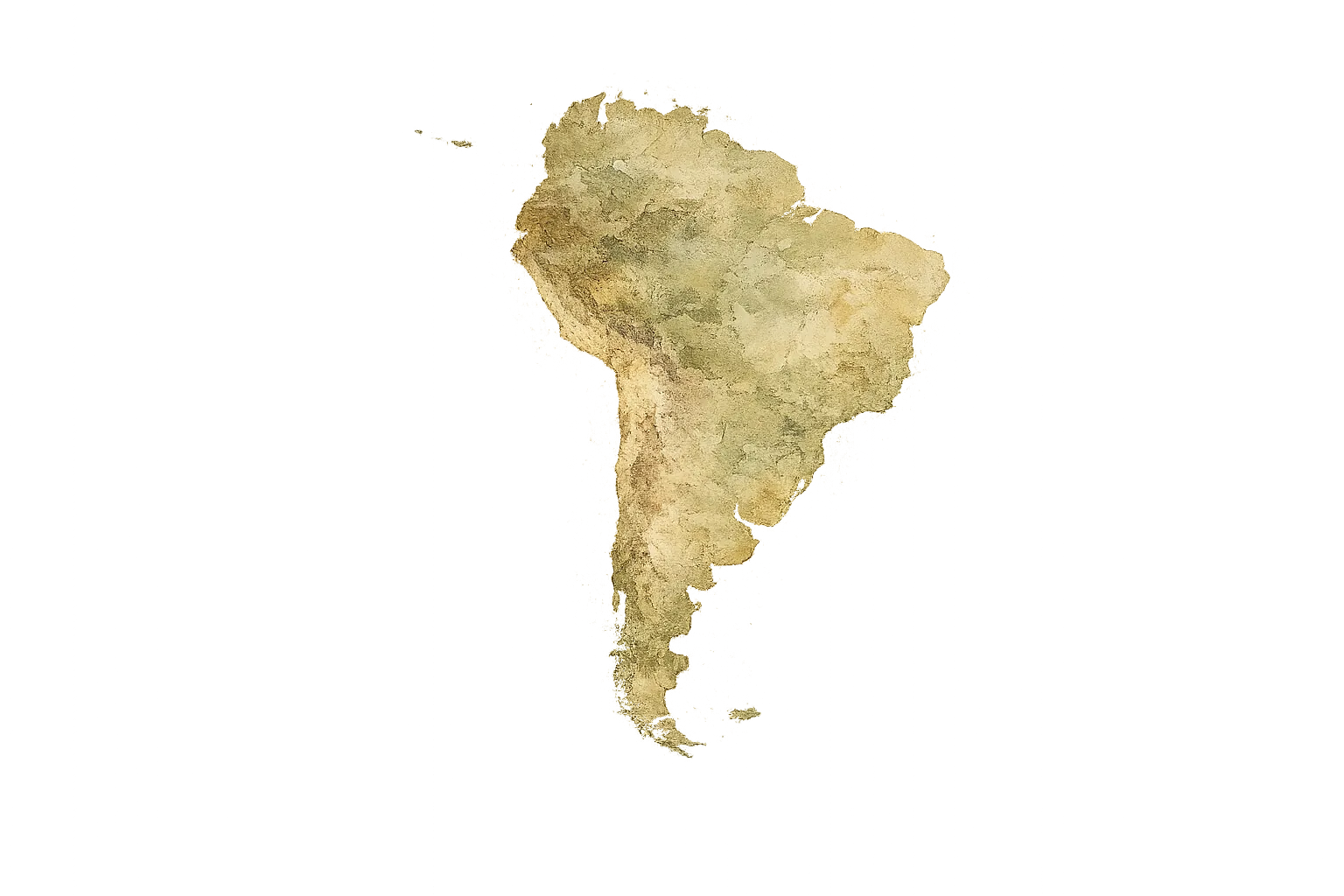
São Luís: where is it located?
São Luís: what is there to see?
São Luís: when is the best time to visit?
São Luís: why is it worth visiting?