Plizio Visual Lab
Altiplano Alpaca Breeding
Weather…
Water temperature…
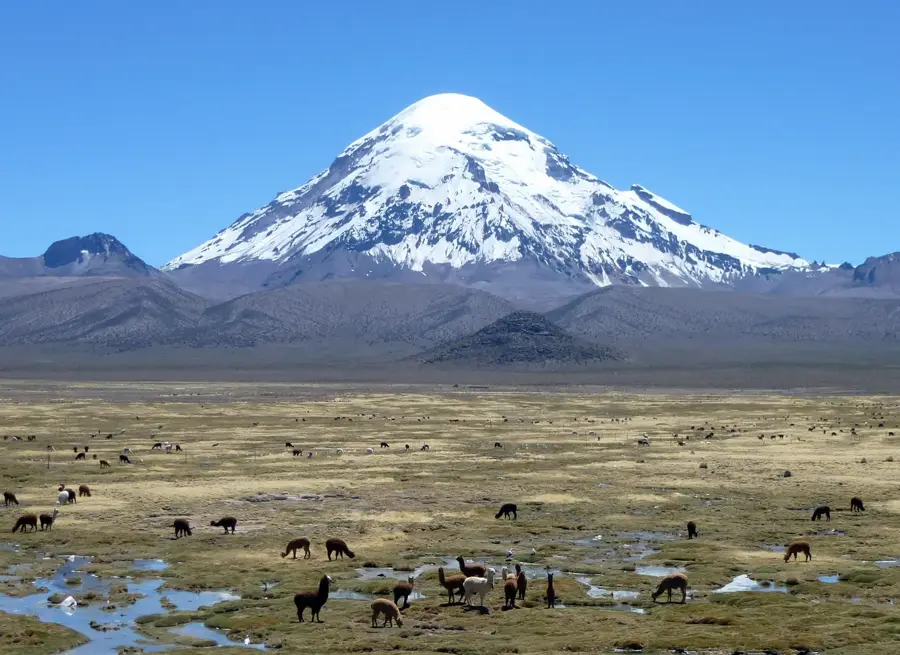
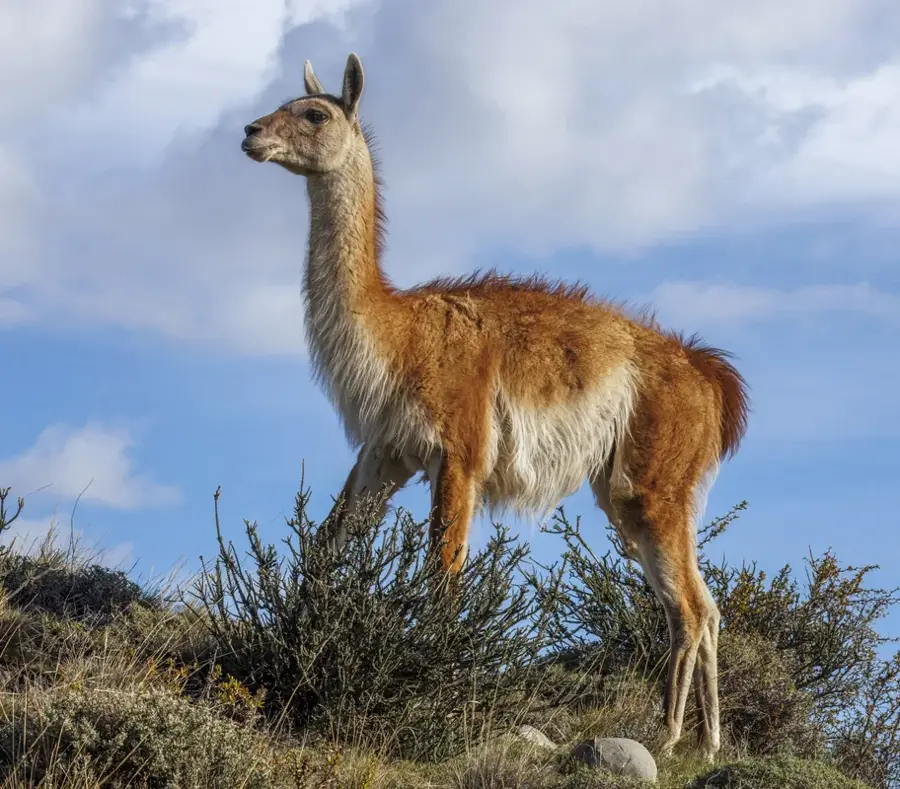
Alpaca breeding on the Bolivian Altiplano is a millennia-old tradition deeply rooted in the culture of the Aymara and Quechua indigenous peoples. These domesticated camelids were developed from wild vicuñas approximately 6,000 years ago and are perfectly adapted to the extreme conditions of the high plateau, which sits at an average elevation of 3,800 meters. The animals provide not only meat but also one of the world's highest-quality textile fibers, prized for its softness and exceptional thermoregulatory properties. In rural Bolivian communities, alpaca herding often represents the only sustainable livelihood, as the thin air and barren soils permit very little conventional agriculture. The wool is sorted through a meticulous manual process and is frequently dyed using natural plant-based pigments before being exported to international markets. In recent years, global demand for sustainable and ethically sourced luxury fibers has revitalized this traditional sector, providing a stable income for thousands of families.
Explore on the map
How well do you know Bolivia?
Find cities, landscapes and regions in 10 varied challenges on the interactive map.
Your journey, your memory
A postcard from Altiplano Alpaca Breeding
Turn your own photo into a personal postcard with a local stamp. Free and no sign-up required.
Create a postcardBest time to visit & climate
The most pleasant time to visit is Apr, Oct, Nov.
| Jan | Feb | Mar | Apr | May | Jun | Jul | Aug | Sep | Oct | Nov | Dec | |
|---|---|---|---|---|---|---|---|---|---|---|---|---|
| Avg °C | 11 | 10 | 10 | 9 | 6 | 4 | 4 | 5 | 7 | 10 | 11 | 11 |
| Rain mm | 101 | 86 | 53 | 19 | 5 | 31 | 5 | 8 | 17 | 27 | 26 | 79 |
📋 Practical info
Geography
Facts
- Alpacas were domesticated in the Andes approximately 6,000 years ago.
- An adult alpaca produces about 2 to 4 kilograms of high-quality fiber annually.
- The animals thrive on the Altiplano at altitudes between 3,500 and 5,000 meters.
- There are two primary alpaca breeds: the fluffy Huacaya and the silky Suri.
- Alpaca wool is hypoallergenic because it does not contain lanolin oils.
- Bolivia has the world's second-largest alpaca population after neighboring Peru.
Explore nearby
Notable places around


Route planner — Car & Motorhome
Where do you start? We build the route here, with stops and country notes along the way.
© OpenStreetMap contributors · OpenRouteService
Sights nearby
Frequently asked questions
What is the difference between a llama and an alpaca?
Where do you find the most alpacas?
Can you buy alpaca products?
When are the animals sheared?
Can you take photos of them?
Altiplano Alpaca Breeding: where is it located?
Altiplano Alpaca Breeding: when is the best time to visit?
Altiplano Alpaca Breeding: why is it worth visiting?

History & landmarks


Nature
More places