Plizio Visual Lab
Addison's Plantation

Weather…
Water temperature…
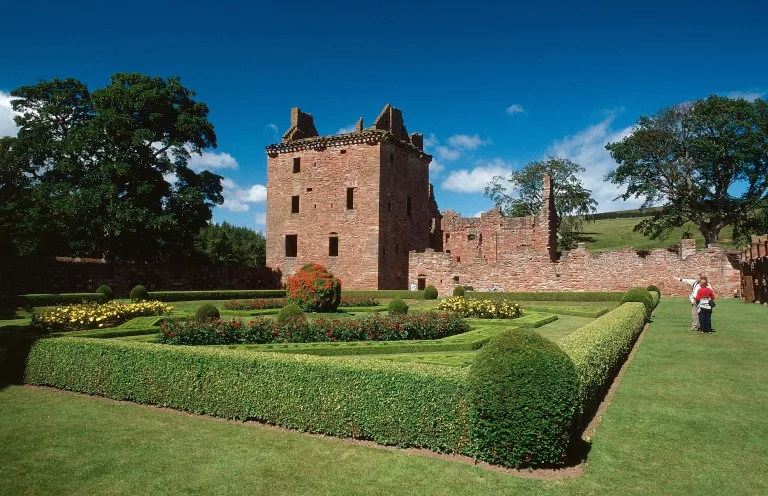
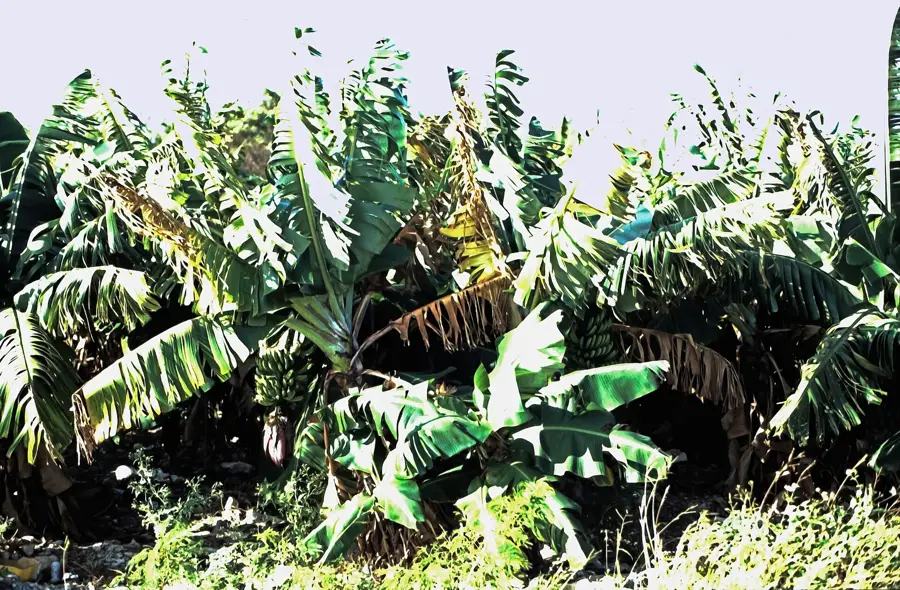
Addison's Plantation on Long Island stands as a significant historical witness to the Loyalist era in the Bahamas during the late 18th century. Following the American Revolutionary War, British Loyalists migrated to the islands and established extensive plantations, primarily focused on producing high-quality Sea Island cotton. The ruins of Addison's Plantation today showcase the limestone remains of the main manor house and the slave quarters, providing a glimpse into the architectural styles of the period. These structures illustrate the socio-economic system of the time, which was heavily reliant on the labor of enslaved individuals. The eventual decline of the plantation in the early 19th century was caused by soil exhaustion and devastating infestations of the chenille bug. Today, the site serves as a poignant historical landmark, documenting both the economic ambitions and the social hardships of this formative period in Bahamian history.
Explore on the map
How well do you know Bahamas?
Find cities, landscapes and regions in 10 varied challenges on the interactive map.
Your journey, your memory
A postcard from Addison's Plantation
Turn your own photo into a personal postcard with a local stamp. Free and no sign-up required.
Create a postcard- Location: Bahamas
- Nearby: Gordon's (5 km)
Best time to visit & climate
The most pleasant time to visit is Jan–Mar.
| Jan | Feb | Mar | Apr | May | Jun | Jul | Aug | Sep | Oct | Nov | Dec | |
|---|---|---|---|---|---|---|---|---|---|---|---|---|
| Avg °C | 24 | 24 | 25 | 25 | 26 | 28 | 29 | 29 | 29 | 28 | 27 | 26 |
| Rain mm | 29 | 20 | 21 | 36 | 74 | 65 | 49 | 57 | 75 | 107 | 64 | 32 |
📋 Practical info
Geography
Facts
- Established after 1783 by Loyalist refugees from North America.
- The primary crop grown was the premium Sea Island cotton.
- Structures were built using locally quarried Bahamian limestone.
- Chenille bug infestations led to the crop's failure in the 1800s.
- Located in the northern region of Long Island near Stella Maris.
- The site includes remains of the Great House and slave dwellings.
Explore nearby
Notable places around
Route planner — Car & Motorhome
Where do you start? We build the route here, with stops and country notes along the way.
© OpenStreetMap contributors · OpenRouteService
Sights nearby
Frequently asked questions
What is Addisons Plantage?
Where are the ruins located?
Is a guide required for the visit?
Are there restrooms or cafes on site?
When is the best time to visit the plantation?
Addison's Plantation: where is it located?
Addison's Plantation: when is the best time to visit?
Addison's Plantation: why is it worth visiting?

Nearby cities
History & landmarks
More places