Plizio Visual Lab

Cauchari Solar Park

Plizio editorial teamData Sources
Industrial site
—°4
Cauchari Solar Park (Argentina)

Weather…

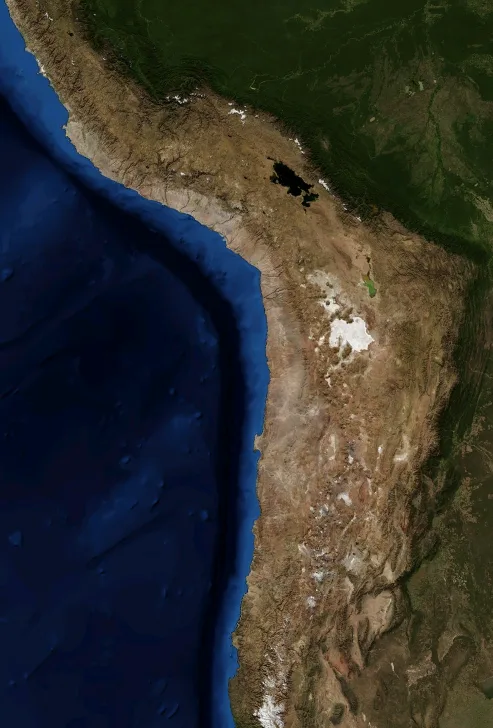
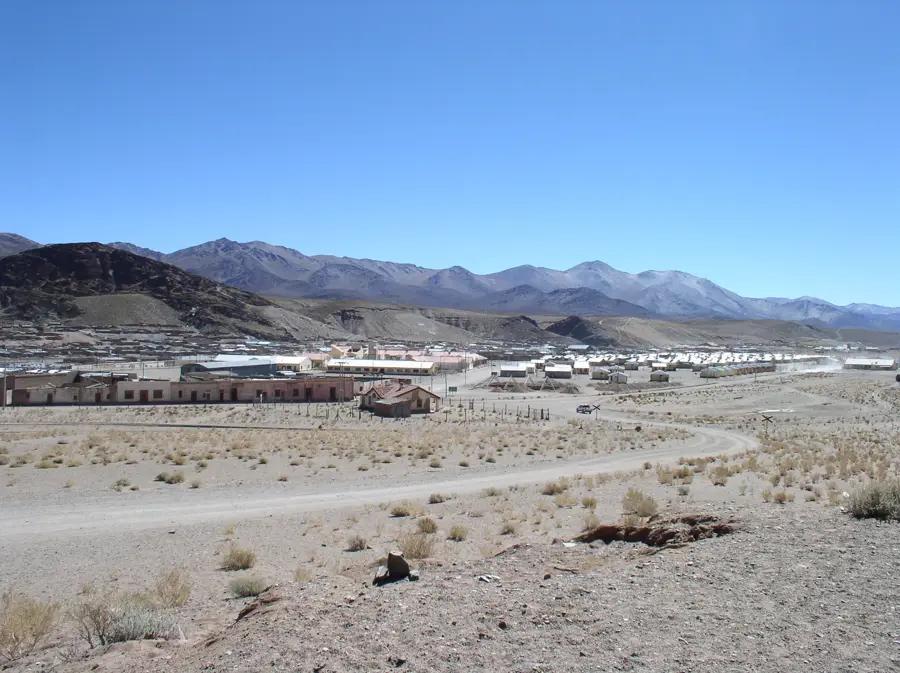
The Caucharí solar park in the province of Jujuy is the largest solar park in Latin America and one of the highest in the world. It is located in the Puna at over 4,000 meters above sea level, a region with one of the highest solar radiation rates on Earth. The park consists of hundreds of thousands of solar panels and has an installed capacity of 300 megawatts, enough to supply tens of thousands of households with clean energy. The project is a milestone in Argentina's energy transition and a symbol of the potential of renewable energy in the Andean region. Construction in this remote and extreme environment was a technical and logistical masterpiece. Caucharí is not only a power plant but also a project with a social impact, as the profits are shared with the local indigenous communities.

Best time to visit & climate

The most pleasant time to visit is Sep–Nov.

JanFebMarAprMayJunJulAugSepOctNovDec
Avg °C87630-1-102468
Rain mm1431299642932342246114

📋 Practical info

🏭
What is this place?
The Cauchari Solar Park is one of the largest photovoltaic installations in South America, harnessing intense high-altitude sunlight in the Puna region. Its role is to supply clean electricity to Argentina's grid and support regional energy transition.
🚪
Visiting
The solar park itself is a restricted industrial facility, but its vast expanse of panels is visible from public roads and surrounding hills. Typically, visitors can observe the installation from outside its perimeter fence without entering.
👀
Where to view it
The best public viewpoint is from the RN52 highway that crosses the Puna, offering panoramic views of the solar panels stretching across the arid plateau. Alternatively, a small hill near the entrance provides an elevated overlook of the entire plant.
🧺
Local products
While the park does not produce tangible goods, its output feeds into the local energy market reducing reliance on fossil fuels. Nearby communities benefit from improved electricity access, and seasonal solar energy is strongest during the dry months with clear skies.
📆
Active season
The plant operates year-round, but electricity generation peaks during the Southern Hemisphere's summer (December to February) when sunlight is most abundant. The dry season (April to October) also gives optimal conditions with minimal cloud cover.
Nearby
Combine a visit to Cauchari with the nearby salinas, such as Salinas Grandes, and high-altitude lagoons for a full Puna experience. The town of Susques has hot springs and pre-Hispanic ruins, making a varied day trip from the solar park.

Geography

Coordinates
-24.08800, -66.75500

Facts

  • One of the largest solar parks in Latin America with 300 MW capacity.
  • Located at an extreme altitude of 4,020 meters above sea level.
  • Consists of more than 1.1 million solar panels across 800 hectares.
  • A major binational project involving significant Chinese investment.
  • Reduces CO2 emissions by approximately 325,000 tons per year.
  • The Puna region has some of the highest solar radiation levels on Earth.
  • Connected to the national grid via a high-voltage substation.
  • A cornerstone of Jujuy's 'Green Province' development strategy.

Explore nearby

Notable places around
Route planner — Car & Motorhome

Where do you start? We build the route here, with stops and country notes along the way.

Vehicle
Only stops with (optional):

© OpenStreetMap contributors · OpenRouteService

Sights in the town Cauchari Solar Park (4)

El Salar de Cauchari📍 landmark

El Salar de Cauchari is an expansive salt flat renowned for its stark landscape and modern solar economic developments.

La Laguna de Cauchari📍 landmark

This striking high-altitude lagoon provides a beautiful natural contrast to the surrounding arid landscapes of Cauchari.

Cerro Cauchari🌿 nature

Cerro Cauchari is an imposing mountain peak dominating the high plains of the Cauchari region.

Cerro Miscantis🌿 nature

Cerro Miscantis is a mountain peak offering panoramic views over the high-altitude terrain and salt flats of the area.

Sights nearby

Frequently asked questions

What is the Cauchari solar park?
Cauchari is a large solar park in the highlands of Jujuy. It uses the strong sunshine of the Puna to generate electricity.
Can you visit the solar park?
Access is usually limited because it is a technical facility at high altitude and in a remote area. On organized visits, usually only certain outdoor areas are possible.
When is the best time to go to Cauchari?
The dry season is best because roads and weather are more stable. Daytime light is very strong, so mornings and late afternoon are more comfortable.
What is interesting nearby?
The surroundings offer salt flats, highland landscapes, and routes toward Salinas Grandes. The area is convenient for open space, silence, and strong natural contrasts.
What is Cauchari known for?
Cauchari stands for renewable energy at extreme altitude and Jujuy’s role as a solar region. It is one of the best-known symbols of the energy transition in the north.
Cauchari Solar Park: where is it located?
Cauchari Solar Park is located in Argentina.
Cauchari Solar Park: what is there to see?
Highlights include El Salar de Cauchari, La Laguna de Cauchari, Cerro Cauchari.
Cauchari Solar Park: when is the best time to visit?
The most pleasant time to visit is Sep, Nov.
Cauchari Solar Park: why is it worth visiting?

The Caucharí solar park in the province of Jujuy is the largest solar park in Latin America and one of the highest in the world.
View on map → The Top 50 Attractions → OpenStreetMap →
South America
Explore with Plizio Discover more places in South America
More places in Argentina →

Nearby cities

History & landmarks

More places