Plizio Visual Lab
Cerro Tronador
Weather…
Water temperature…
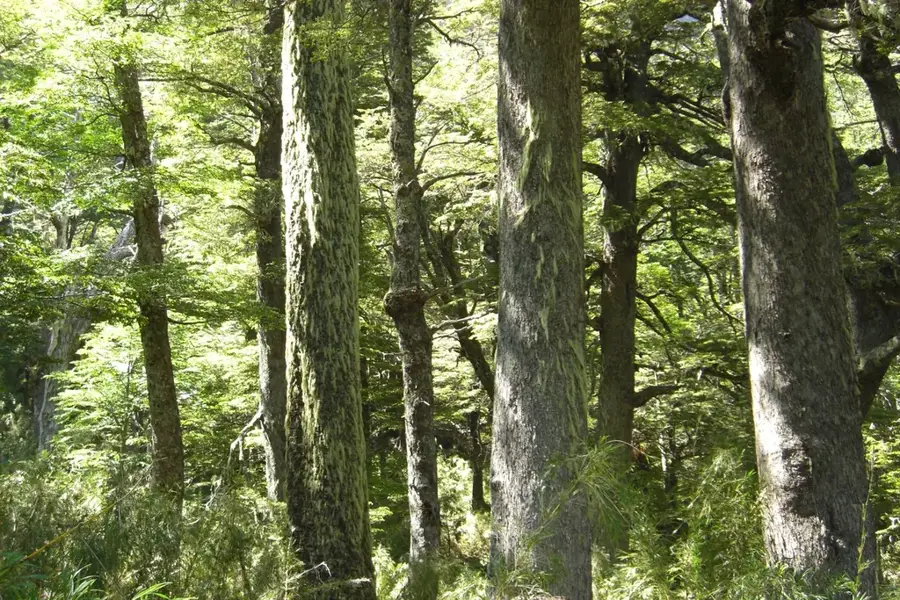
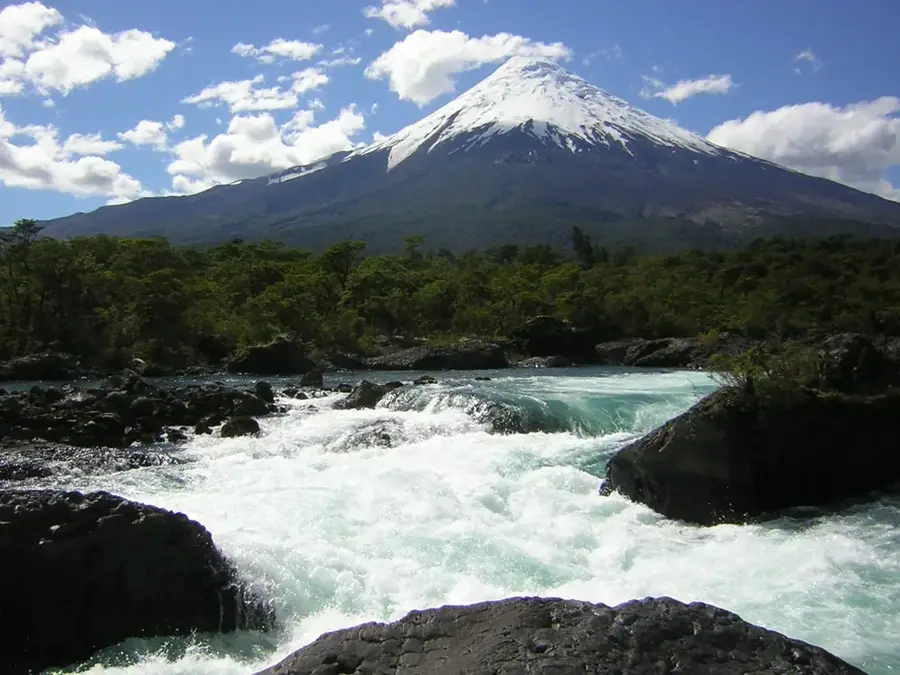
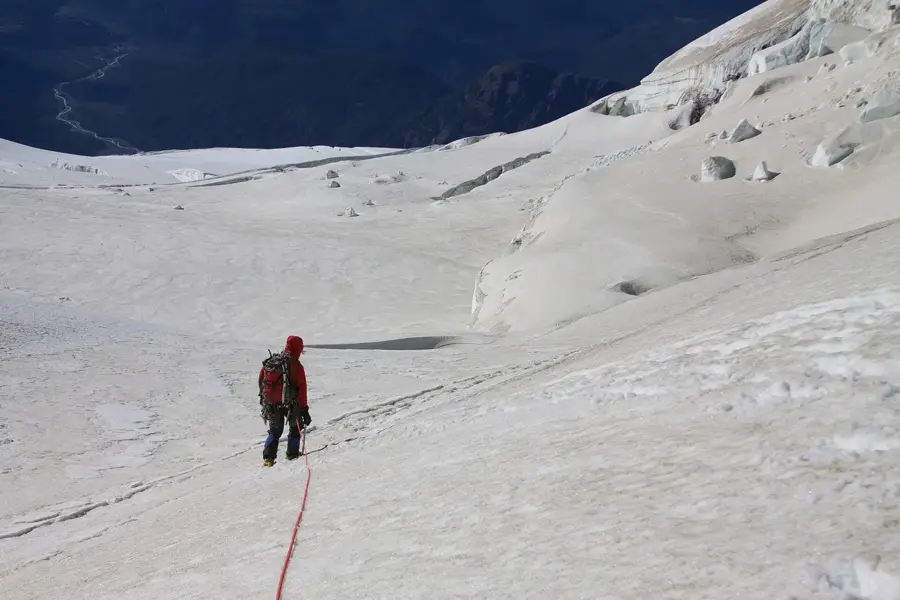
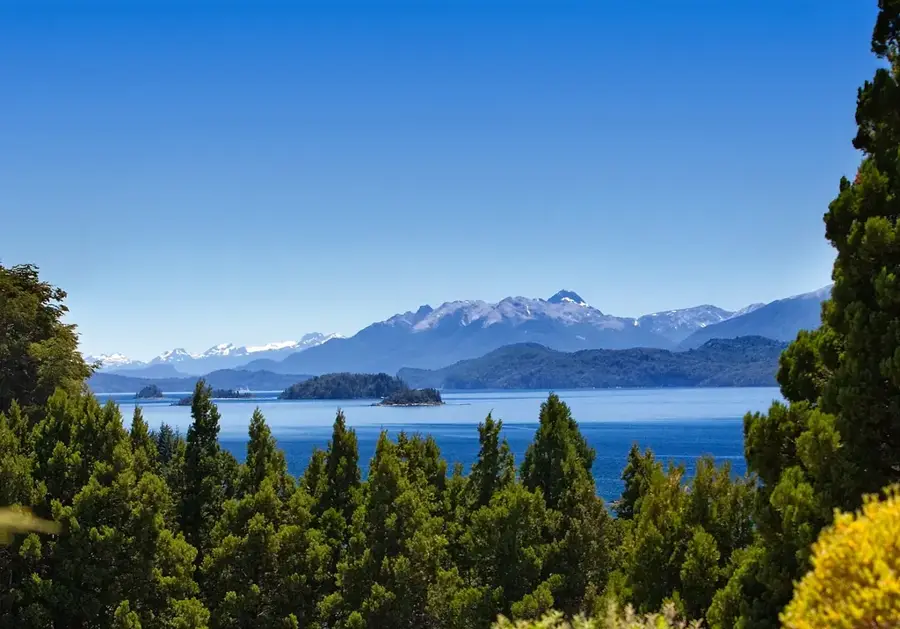
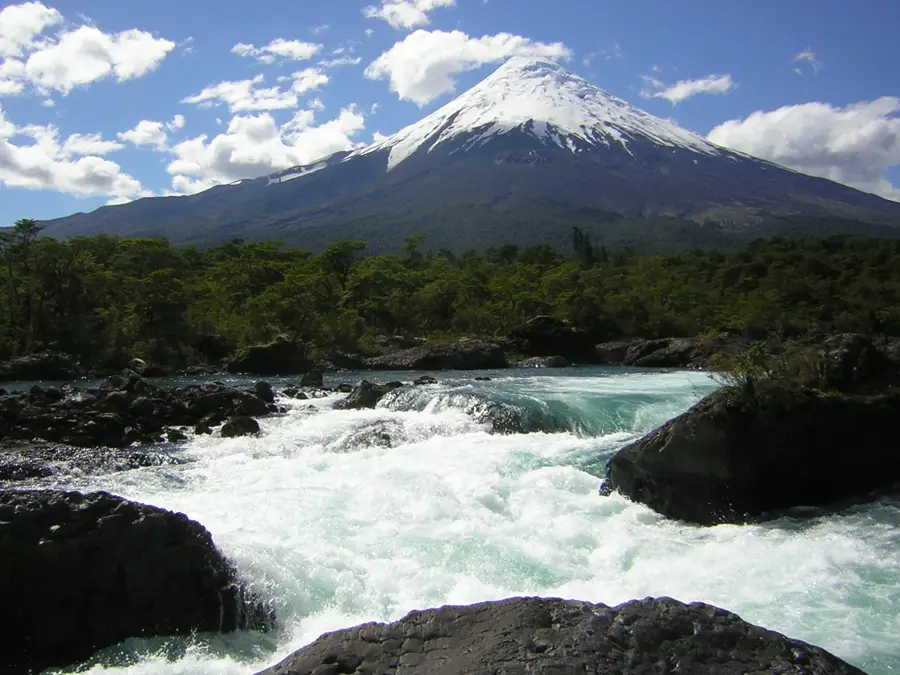
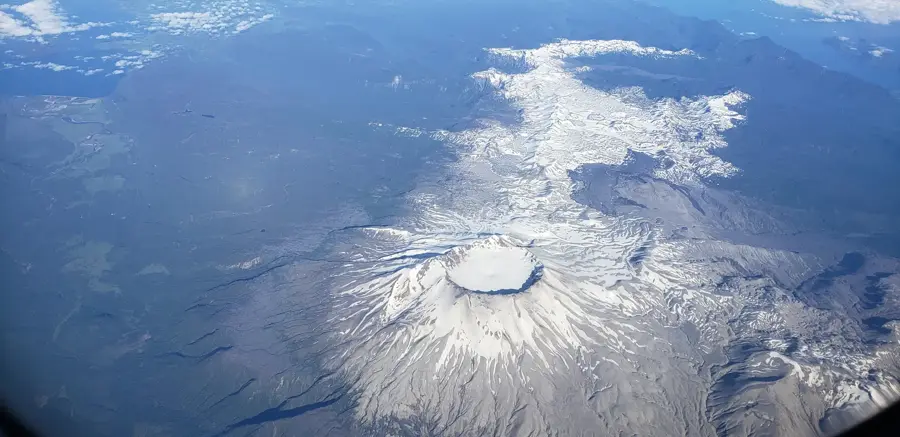
Cerro Tronador is an imposing extinct volcano in the southern Andes, forming the natural border between Argentina and Chile near the city of Bariloche. Its name, which means The Thunderer, originates from the loud, booming sounds produced by large chunks of ice breaking off from its seven glaciers and crashing down. The mountain features three distinct peaks: the Argentine, the Chilean, and the International summit, which is the highest at 3,491 meters. The surrounding Nahuel Huapi National Park gives a variety of ecosystems, from dense temperate rainforests to alpine tundras. A notable attraction at its base is the Ventisquero Negro (Black Glacier), which has a unique dark appearance due to the high concentration of dirt and sediment trapped within the ice, creating a stark contrast with the surrounding snowy peaks.
Explore on the map
How well do you know Argentina?
Find cities, landscapes and regions in 10 varied challenges on the interactive map.
Your journey, your memory
A postcard from Cerro Tronador
Turn your own photo into a personal postcard with a local stamp. Free and no sign-up required.
Create a postcard- Location: Argentina
- Nearby: Villa La Angostura (49 km)
Best time to visit & climate
The most pleasant time to visit is Jan, Feb, Dec.
| Jan | Feb | Mar | Apr | May | Jun | Jul | Aug | Sep | Oct | Nov | Dec | |
|---|---|---|---|---|---|---|---|---|---|---|---|---|
| Avg °C | 12 | 12 | 10 | 6 | 4 | 1 | 0 | 1 | 3 | 5 | 7 | 10 |
| Rain mm | 44 | 36 | 52 | 77 | 132 | 163 | 144 | 136 | 72 | 70 | 56 | 46 |
📋 Practical info
Geography
Facts
- Highest point is the International Peak at 3,491 meters
- Features seven major glaciers on both sides of the border
- Located within Nahuel Huapi, Argentina's oldest national park
- The Ventisquero Negro is a rare black-colored glacier at its base
- Geologically composed of ancient basalt and andesite rocks
- First successful ascent achieved by Hermann Claussen in 1934
- Serves as a critical site for glaziological research in South America
- The name refers to the thundering sound of calving glaciers
Explore nearby
Notable places around
Route planner — Car & Motorhome
Where do you start? We build the route here, with stops and country notes along the way.
© OpenStreetMap contributors · OpenRouteService
Sights in the town Cerro Tronador (1)
Sights nearby
Frequently asked questions
Why is it called 'Thunder Mountain'?
Where is the best viewpoint?
Are there mountain huts?
How is the access?
Is the glacier water drinkable?
Cerro Tronador: where is it located?
Cerro Tronador: when is the best time to visit?
Cerro Tronador: why is it worth visiting?
Nearby cities
Nature

More places