Plizio Visual Lab
Engordany
ℹ️Practical info — Engordany
▾
🌤 Weather — 5 days
📍 Nearby
Sights nearby
💡 Tips
- Explore the historic stone streets on foot, as they are narrow and steep.
- Combine a visit with the thermal baths in Les Escaldes, just a short walk away.
- Look out for traditional Romanesque architecture details on the older buildings.
- Parking is extremely limited; use the large car parks in Escaldes and walk up.
🍽 Food
A traditional cabbage and potato dish, first-rate for cold days. Look for it in the rustic bordas (traditional restaurants) in the old town.
A hearty Andorran stew. Best enjoyed in local family-run restaurants.
A local version of crème brûlée. Try it in a cozy cafe near the historic center.
🛍 Shopping · 🧘 Quiet spots
Small artisan shops tucked away in the stone streets offer unique handmade items.
For larger shopping needs, head down to the main commercial avenue in Les Escaldes.
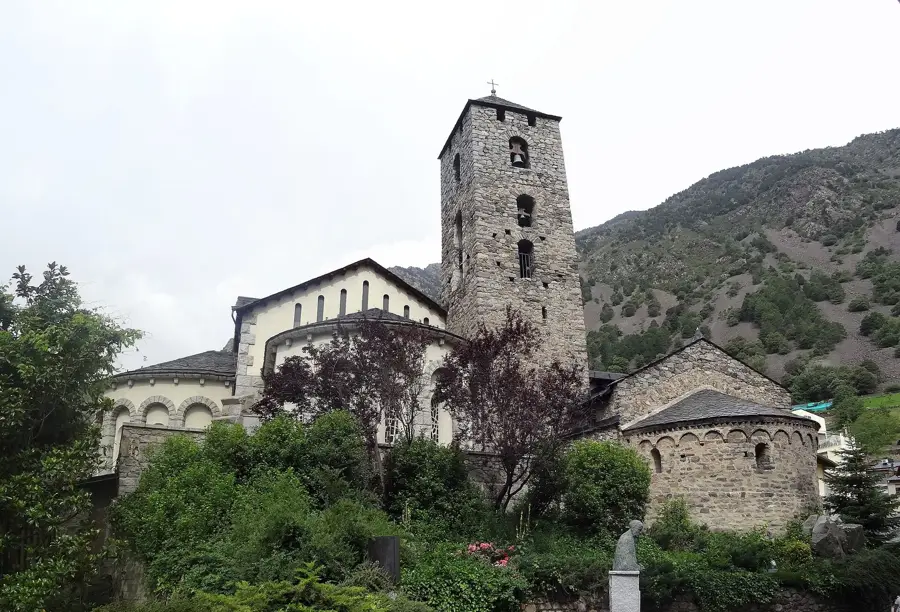
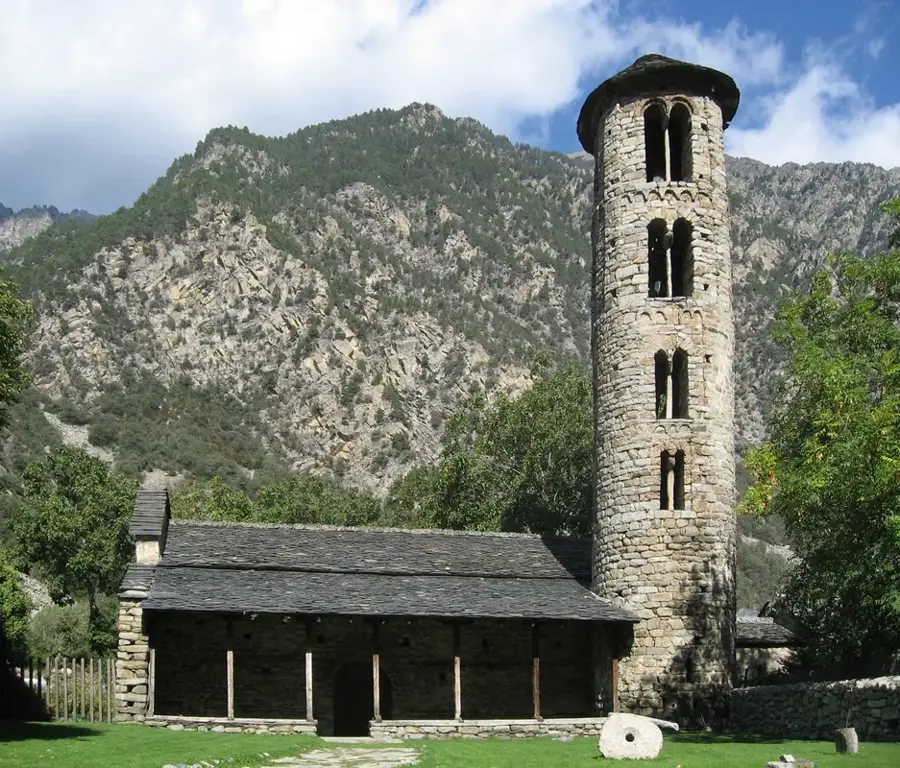
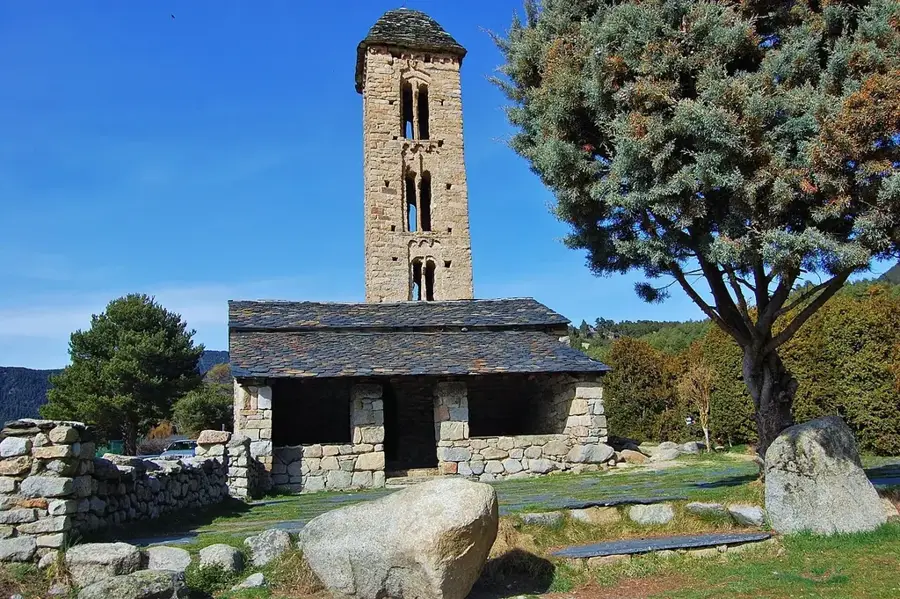
A peaceful spot to sit and admire the classic architecture of the church.
Follow the old trails leading out of the village for immediate tranquility.
Water temperature…
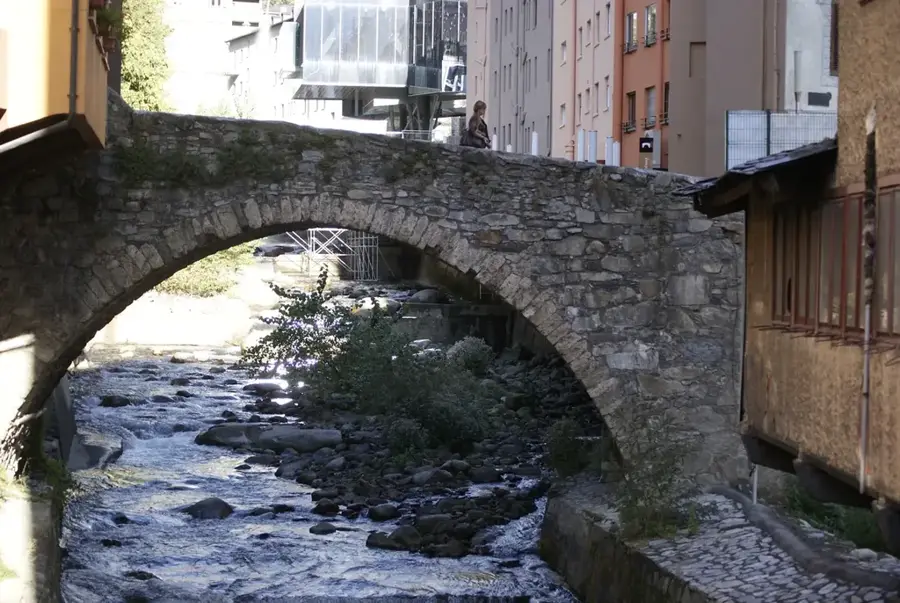
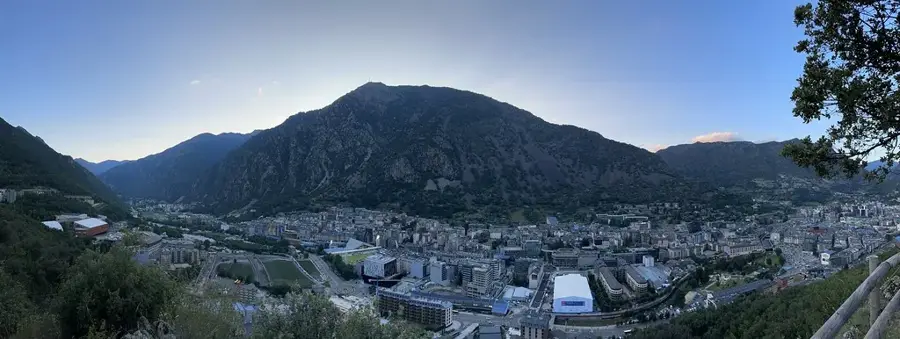
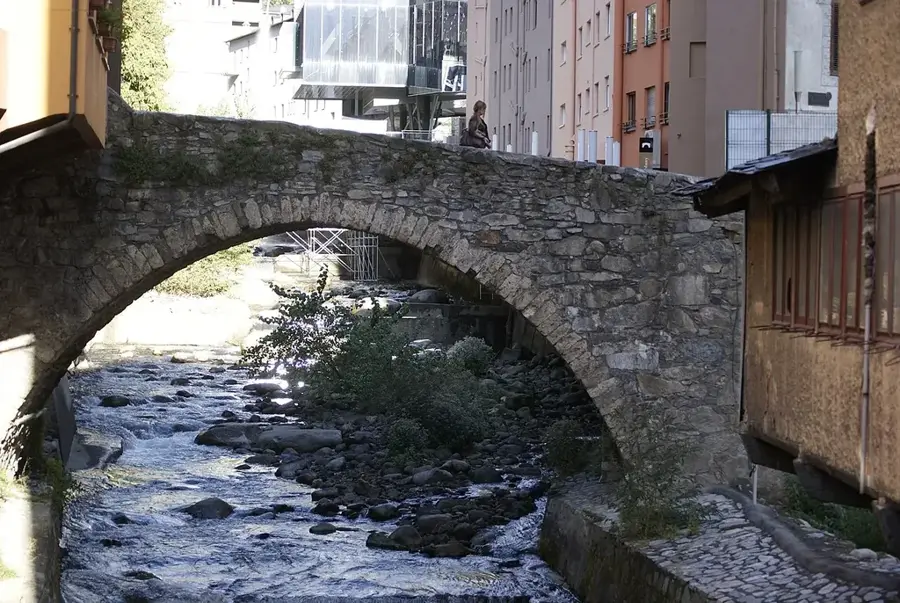
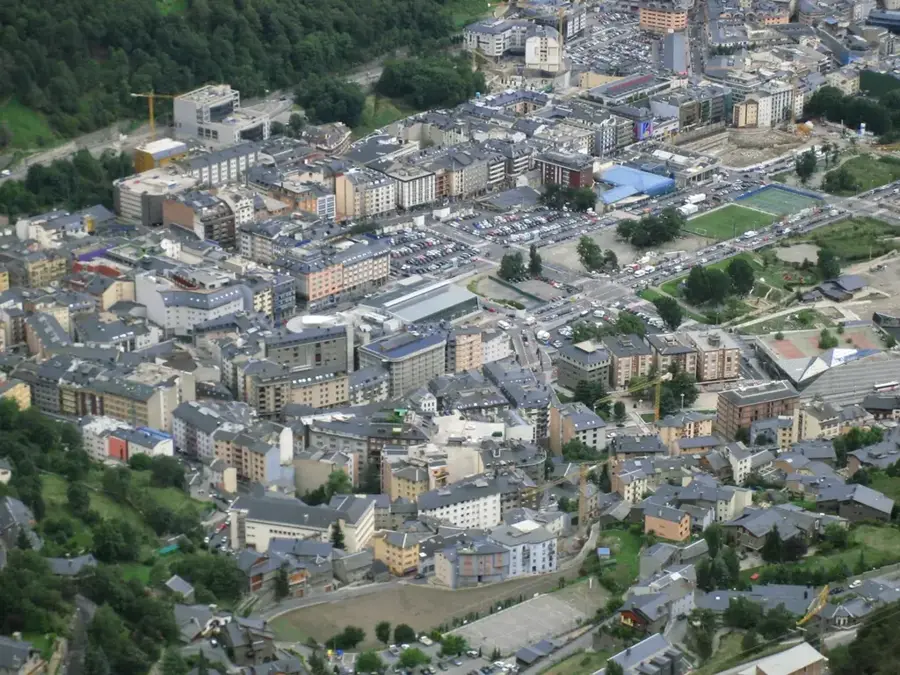
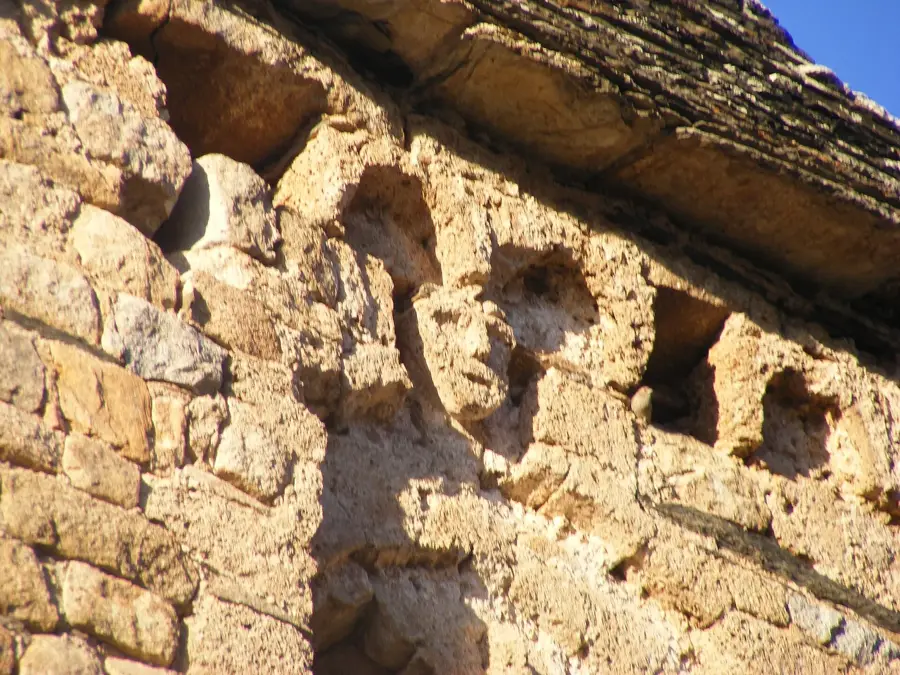
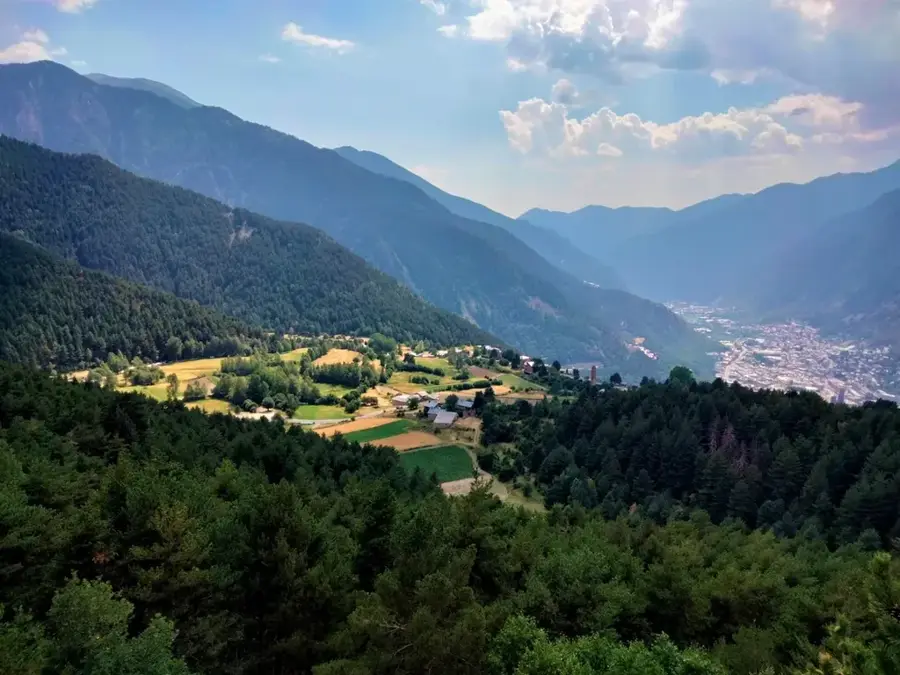
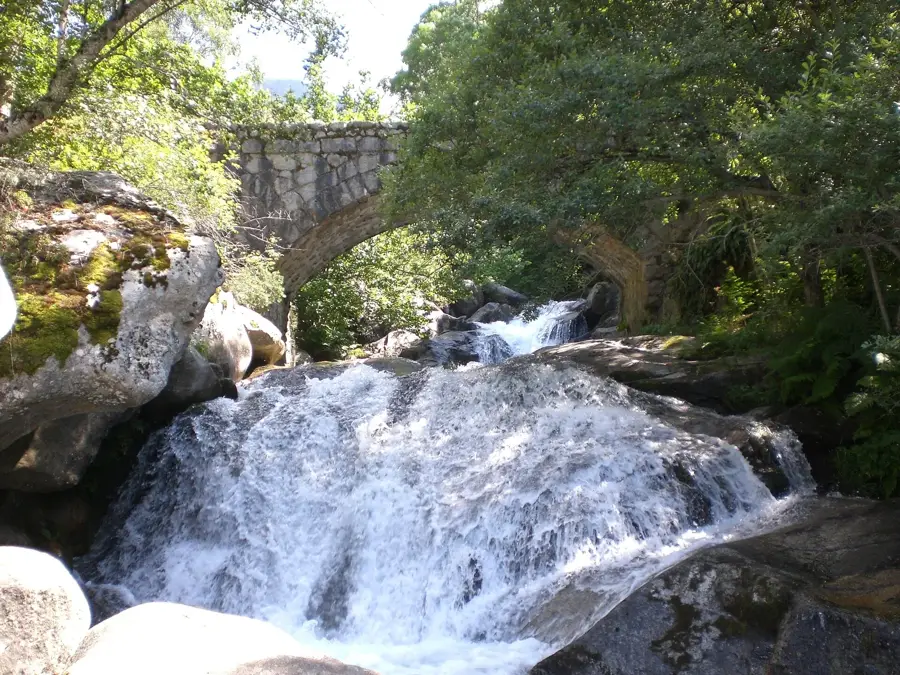
Engordany is one of the oldest and most historically significant settlement cores in the Principality of Andorra, forming along with Escaldes the modern parish of Escaldes-Engordany. Originally an independent village, Engordany was renowned for its agricultural traditions and livestock farming on the terraced mountain slopes. The town's architecture is characterized by massive stone houses with slate roofs, typical of the high Alpine construction found in the Pyrenees, many of which have been preserved for centuries. A central role in its history is played by its strategic location on the sunny side of the valley, with evidence of human habitation dating back to the Bronze Age. Historical bridges, such as the Pont d'Engordany, have connected this district with Escaldes on the opposite bank since the 18th century, bearing witness to the importance of the local waterways. Today, Engordany has evolved into a characterful residential neighborhood that has maintained its village-like structure amidst modern urban expansion. The steep, narrow streets lead to small squares that often serve as starting points for hikes into the UNESCO World Heritage site of the Madriu Valley. Culturally, the town is closely linked to traditional festivals and the ironworking craft that once defined the economic landscape of the region.
Explore on the map
How well do you know Andorra?
Find cities, landscapes and regions in 10 varied challenges on the interactive map.
Your journey, your memory
A postcard from Engordany
Turn your own photo into a personal postcard with a local stamp. Free and no sign-up required.
Create a postcard- Location: Escaldes-Engordany (Parish), Andorra
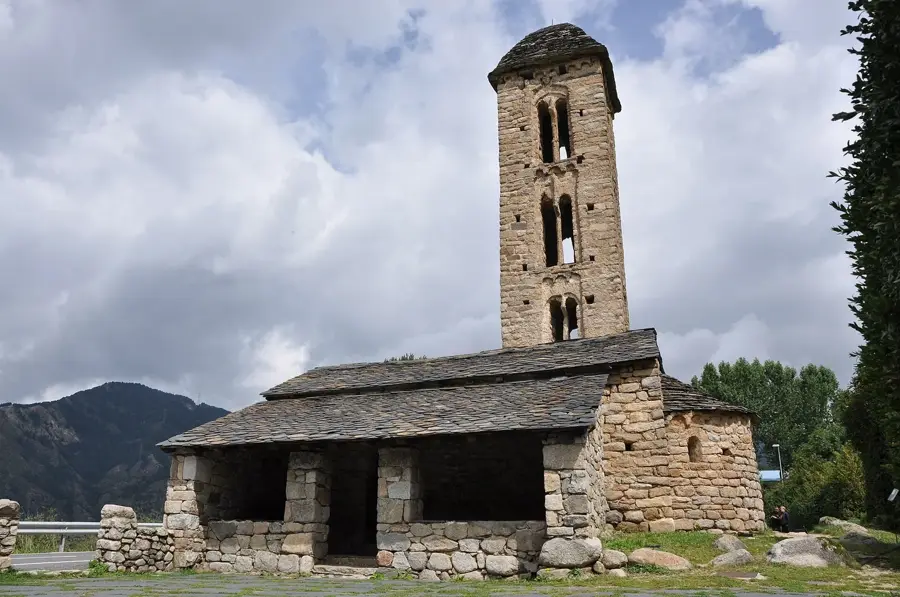
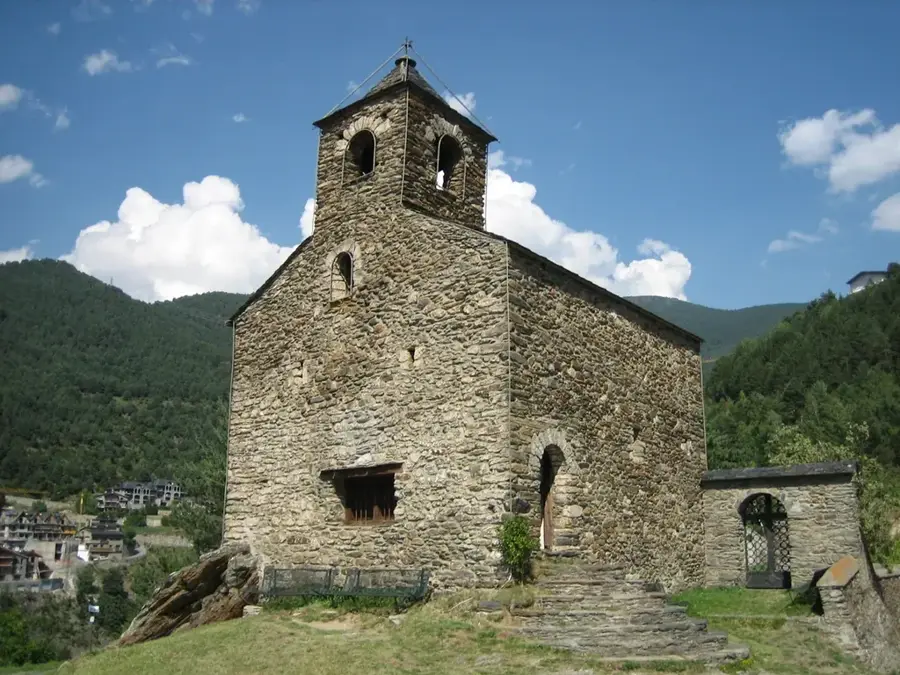
- Highlights: Centre d'Interpretació de l'Agua i del Madriu (CIAM) · Mirador Coll de Jou · Sant Jaume d'Engordany
- Nearby: L'Aldosa de La Massana (4 km)
- Population: ~15.853
Best time to visit & climate
The most pleasant time to visit is Jun–Aug.
| Jan | Feb | Mar | Apr | May | Jun | Jul | Aug | Sep | Oct | Nov | Dec | |
|---|---|---|---|---|---|---|---|---|---|---|---|---|
| Avg °C | -2 | -2 | 1 | 5 | 9 | 14 | 16 | 16 | 12 | 8 | 2 | -1 |
| Rain mm | 60 | 48 | 57 | 71 | 77 | 52 | 46 | 47 | 50 | 64 | 70 | 49 |
Geography
Facts
- Engordany is mentioned in historical documents dating back to 1176.
- The district is located on the sunny side (Solana) of the Valira valley.
- The parish of Escaldes-Engordany was officially established only in 1978.
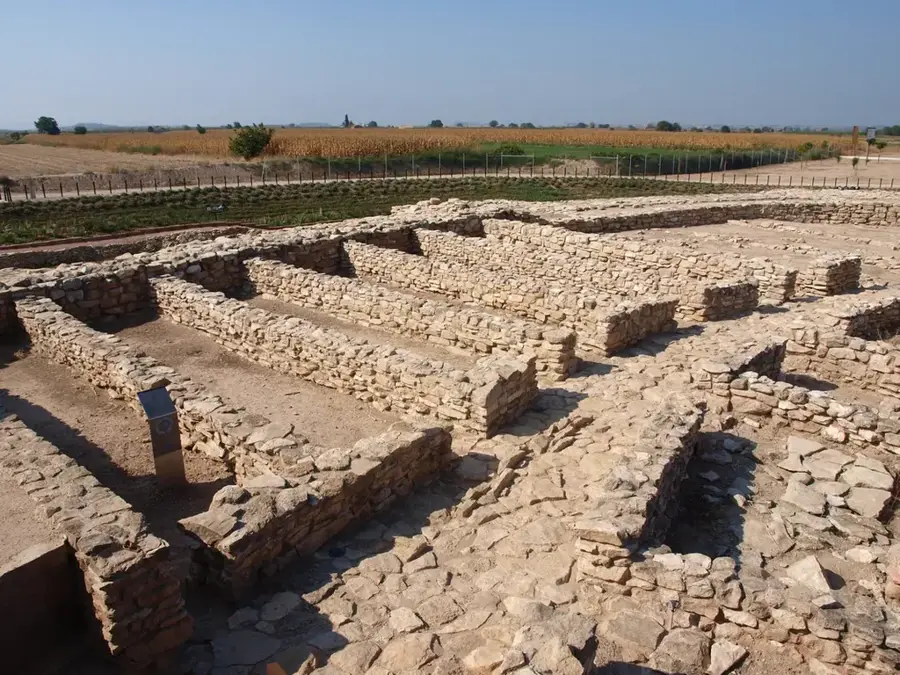
- Archaeological finds confirm human settlement since the Bronze Age.
- The Pont d'Engordany bridge was constructed in the year 1785.
- Traditional houses often feature wooden balconies used for drying tobacco.
Explore nearby
Notable places around
Route planner — Car & Motorhome
Where do you start? We build the route here, with stops and country notes along the way.
© OpenStreetMap contributors · OpenRouteService
Sights in the town Engordany (10)
Sant Pere Màrtir
Church building in Escaldes-Engordany, Andorra.
Centre d'Art d'Escaldes-Engordany (CAEE)🏛 museum
Historic 3-story granite building with a museum, art gallery and sculptures.
Torre de Caldea
Landmark tower in Escaldes-Engordany, part of the Caldea spa complex.
MW Museu de l'Electricitat🏛 museum
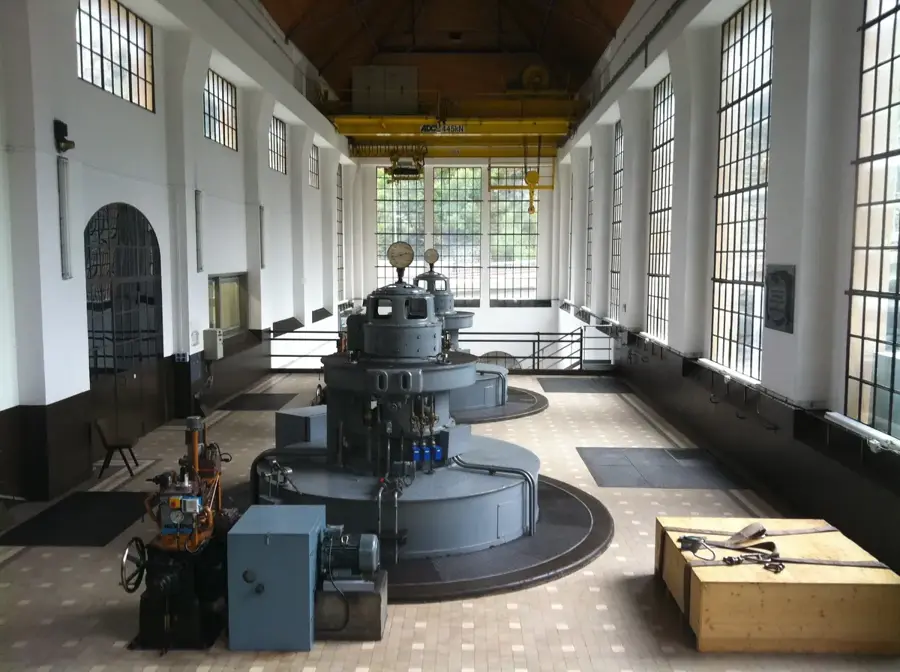
Museum in Engordany about the history of electricity.
Esglèsia de Sant Romà dels Vilars
Church building in Escaldes-Engordany, Andorra.
Pont de Paris
Cable-stayed bridge with fan system in Andorra la Vella, Andorra.
Frequently asked questions
What is the main attraction in Engordany?
Is the district accessible on foot?
Are there restaurants here?
When is the best time to visit?
What is special about the architecture?
Engordany: where is it located?
Engordany: what is there to see?
Engordany: when is the best time to visit?
Engordany: why is it worth visiting?
Nearby cities
More places