Plizio Visual Lab
Souk Ahras
ℹ️Practical info — Souk Ahras
▾
🌤 Weather — 5 days
📍 Nearby
Sights nearby
💡 Tips
- Saint Augustine's Olive Tree is a key historical site; visit early for a peaceful experience.
- The city is hilly; wear comfortable shoes if you plan to explore the downtown area on foot.
- Winter can be surprisingly cold and snowy due to the elevation, so pack accordingly.
- Local cafes are the social hubs; sitting down for a coffee is a great way to observe daily life.
🍽 Food
Look for local restaurants serving rich, slow-cooked meat and vegetable couscous.
A crispy, savory pastry filled with meat or potatoes, widely available in street stalls.
Algerian coffee is strong and often flavored with orange blossom water; try it at any neighborhood cafe.
🛍 Shopping · 🧘 Quiet spots
The heart of local commerce, excellent for buying fresh regional produce and spices.
Small shops in the center often sell colorful Berber rugs and woven items.
The hill itself has a serene atmosphere and nice views over the valley.
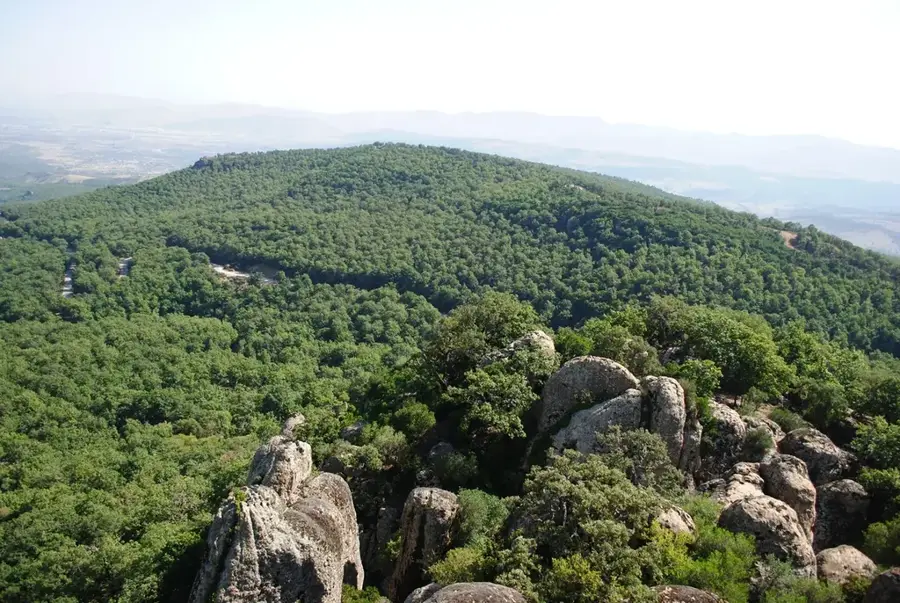
Forested walking paths on the hillsides great for a quiet morning hike.
Water temperature…
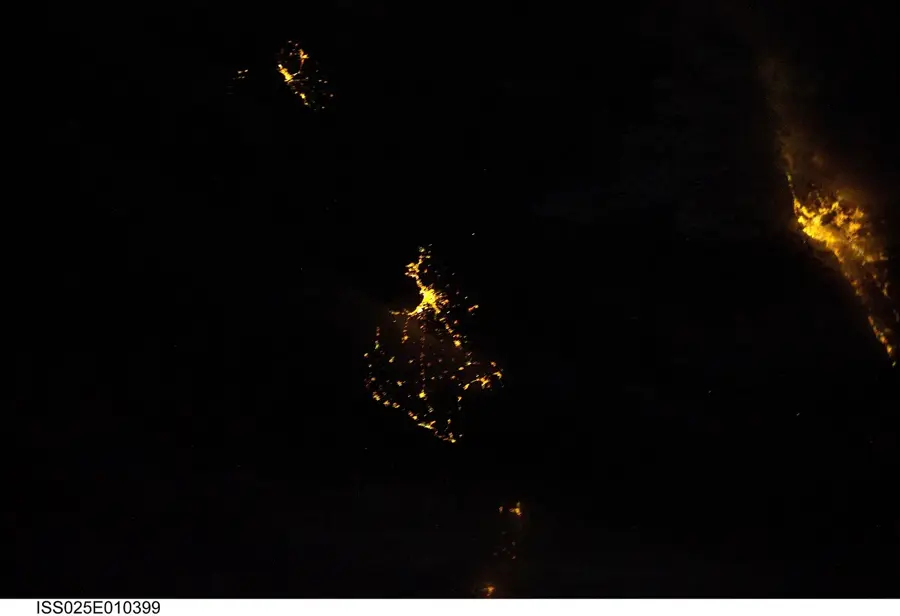
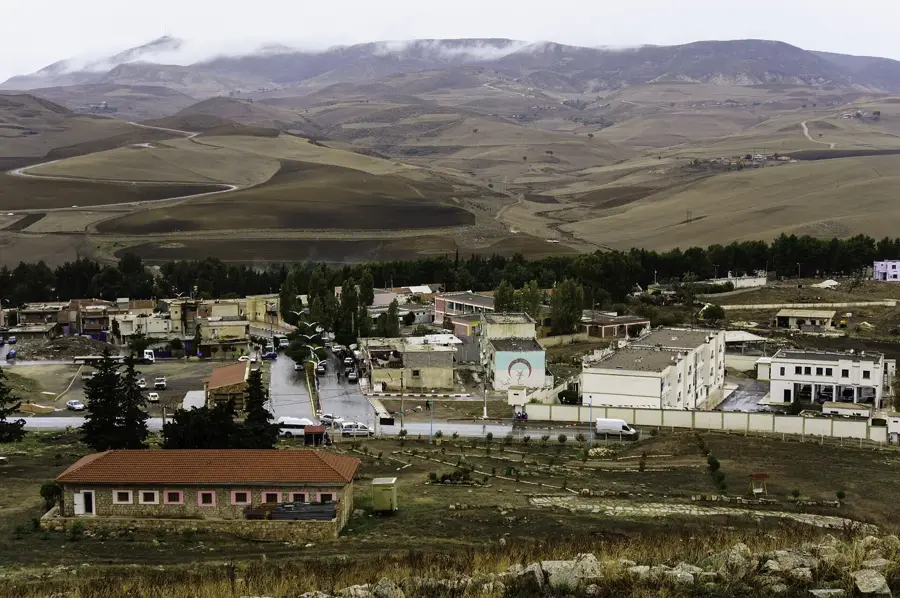
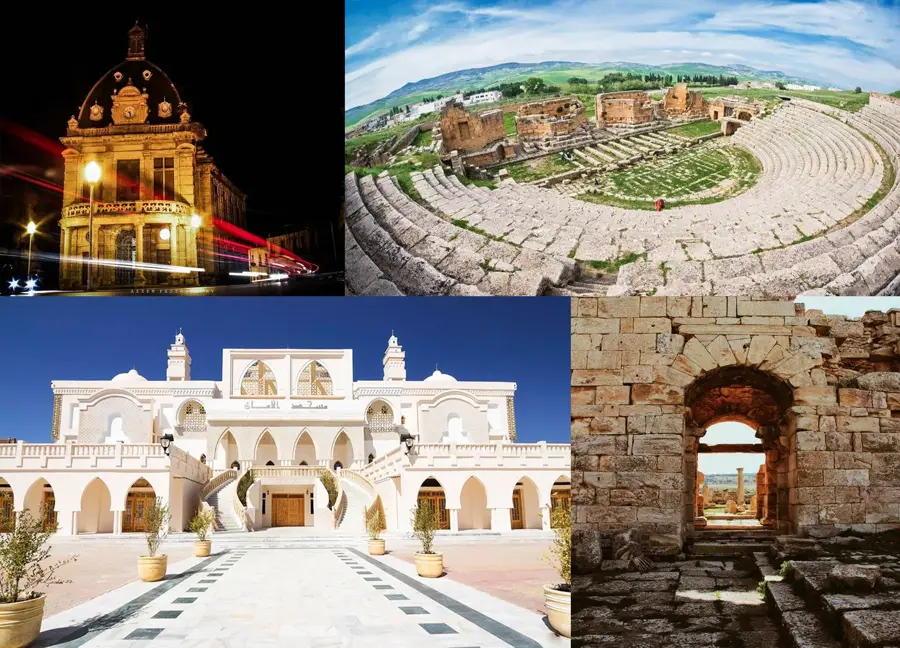
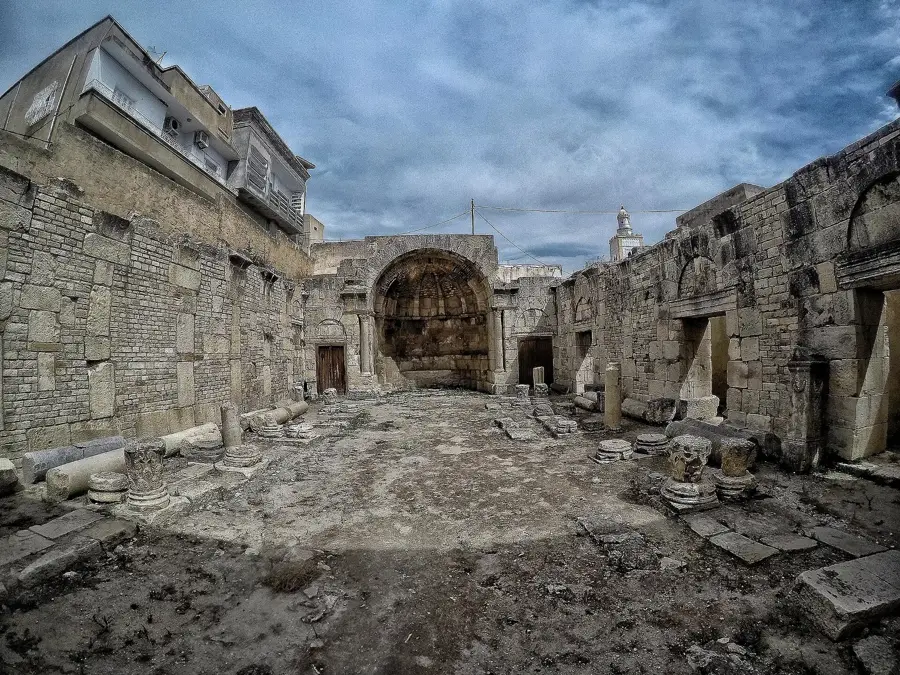
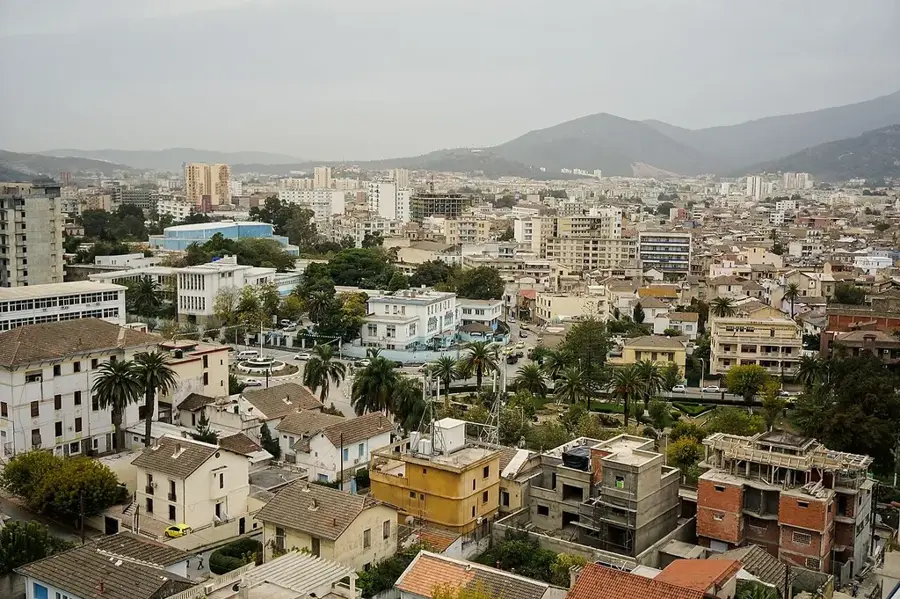
Souk Ahras, located in northeastern Algeria near the Tunisian border, has a history spanning millennia that traces back to the Numidian era. Known in antiquity as Tagaste, it is globally renowned as the birthplace of Saint Augustine of Hippo in 354 AD, a pivotal figure in Western philosophy and Christian theology. Geographically, the city is positioned on a plateau within the Medjerda Mountains at an altitude of approximately 700 meters, providing a cooler climate than the southern regions. During Roman rule, Tagaste was a thriving cultural and agricultural center, with its significance evidenced by various archaeological finds. In the 19th century, under French colonial rule, the city was developed into a strategic railway hub connecting Constantine to Tunis. Today, Souk Ahras serves as an important administrative and economic center, recognized for its grain production, forestry, and livestock farming in the surrounding fertile valleys and forests.
Explore on the map
How well do you know Algeria?
Find cities, landscapes and regions in 10 varied challenges on the interactive map.
Your journey, your memory
A postcard from Souk Ahras
Turn your own photo into a personal postcard with a local stamp. Free and no sign-up required.
Create a postcard- Location: Algeria
- Highlights: Musée du Moudjahid · Théatre
- Nearby: Guelma (51 km)
- Population: ~153.479 (2026)
Best time to visit & climate
The most pleasant time to visit is Jun, Jul, Sep.
| Jan | Feb | Mar | Apr | May | Jun | Jul | Aug | Sep | Oct | Nov | Dec | |
|---|---|---|---|---|---|---|---|---|---|---|---|---|
| Avg °C | 8 | 8 | 11 | 14 | 18 | 22 | 26 | 26 | 22 | 18 | 13 | 9 |
| Rain mm | 121 | 98 | 96 | 81 | 55 | 20 | 10 | 29 | 64 | 75 | 103 | 118 |
Geography
Facts
- Birthplace of Saint Augustine in 354 AD.
- Located at an average altitude of 700 meters above sea level.
- The ancient city was named Tagaste and had Numidian origins.
- Strategic railway junction on the line connecting to Tunisia.
- The climate is Mediterranean with relatively high rainfall levels.
- The region is a major producer of wheat and cereal in Algeria.
Explore nearby
Notable places around
Route planner — Car & Motorhome
Where do you start? We build the route here, with stops and country notes along the way.
© OpenStreetMap contributors · OpenRouteService
Sights in the town Souk Ahras (2)
Frequently asked questions
Who is the most famous person from Souk Ahras?
What can you see archaeologically?
What is the landscape like around the city?
Where is Souk Ahras located?
What is the Olive Tree of Saint Augustine?
Souk Ahras: where is it located?
Souk Ahras: what is there to see?
Souk Ahras: when is the best time to visit?
Souk Ahras: why is it worth visiting?
Nearby cities
More places