Lake Shkodra Festival
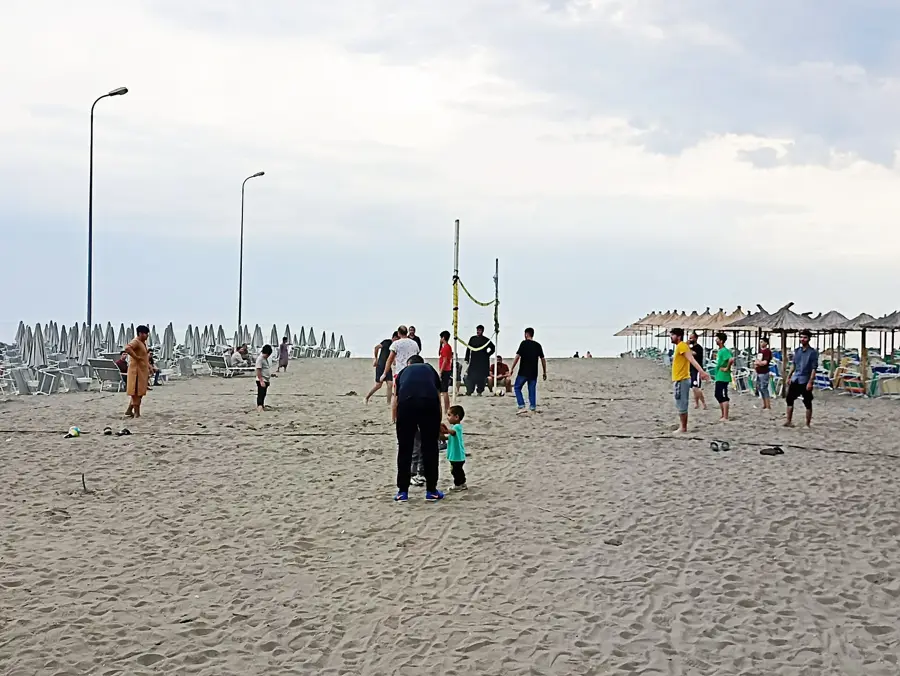
Held in late summer on the shores of Lake Shkodra, the festival features traditional and contemporary music with local bands and international artists.
PlizioGo
Try this traditional baked carp dish at a restaurant along the shores of Lake Shkodra.
A hearty dish of peppers, tomatoes, and cheese, best enjoyed in a traditional tavern in the city center.
Grab a spinach or cheese-filled savory pastry from a local bakery for a quick and cheap snack.
Look for handmade filigree jewelry or traditional textiles in the pedestrian area.
Small shops and markets in the center sell excellent local agricultural products.
A peaceful place for a walk or to rent a small boat, away from the city noise.
Located just below Rozafa castle, a serene historical site surrounded by nature.
Water temperature…
Held in late summer on the shores of Lake Shkodra, the festival features traditional and contemporary music with local bands and international artists.
Celebrated since 1860, the Shkodra Carnival takes place in February with parades through the old bazaar, medieval costumes, music and masked balls.
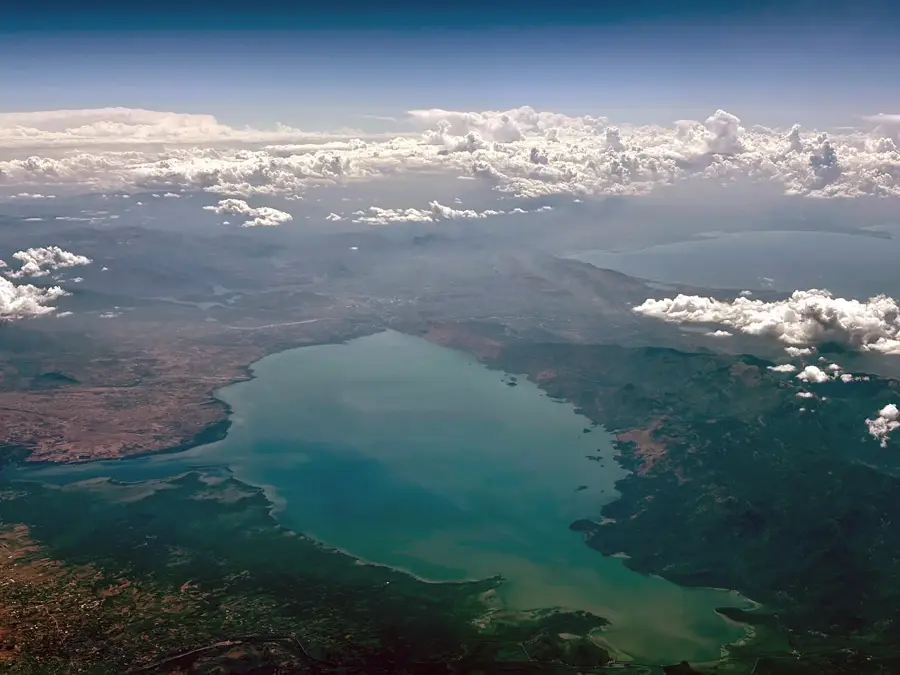
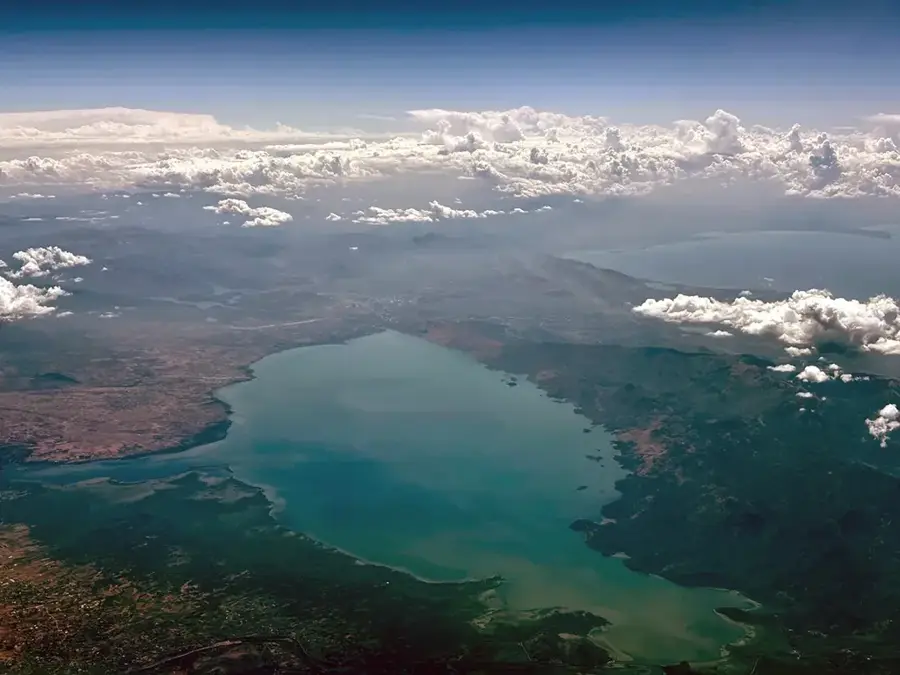
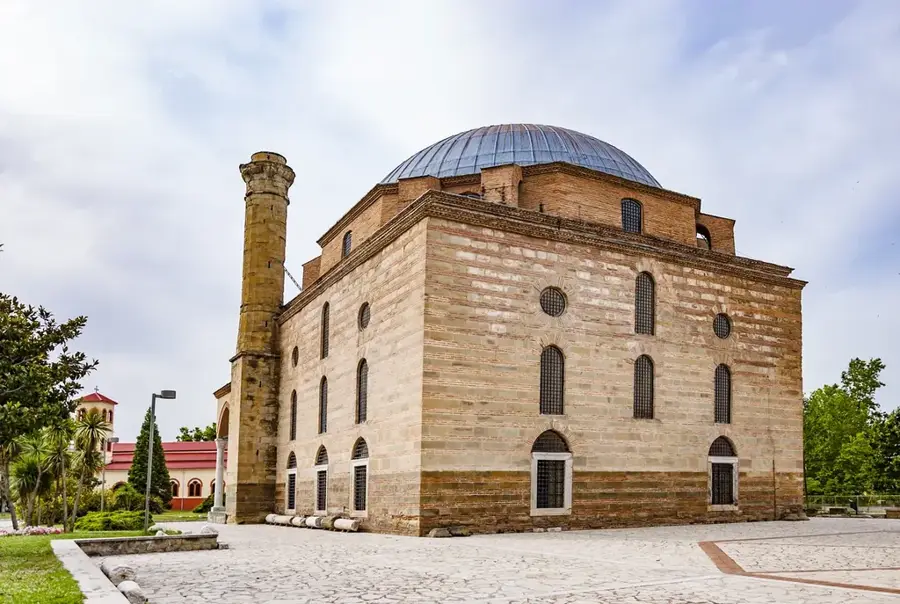
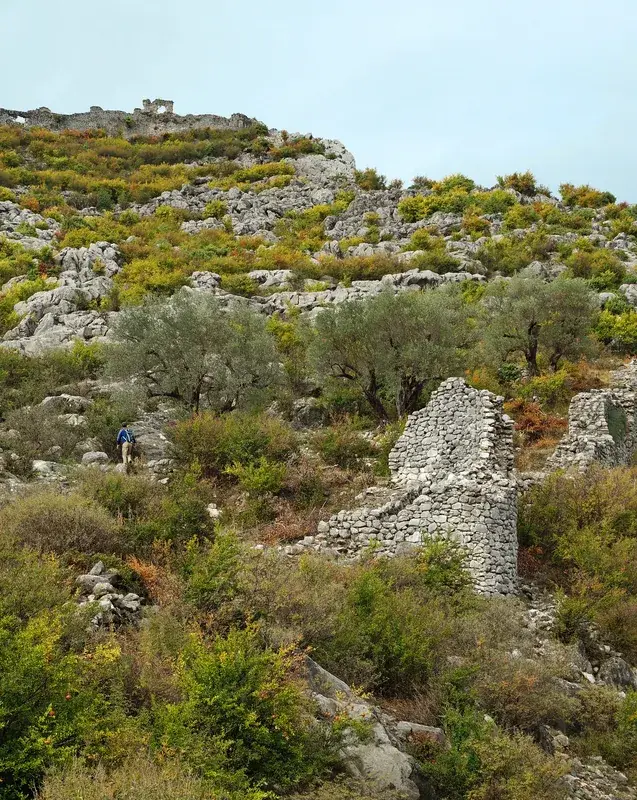
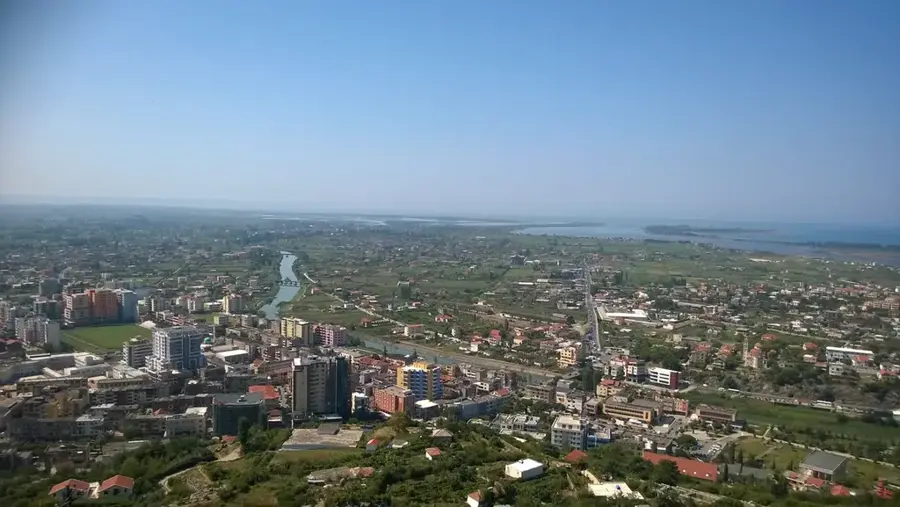
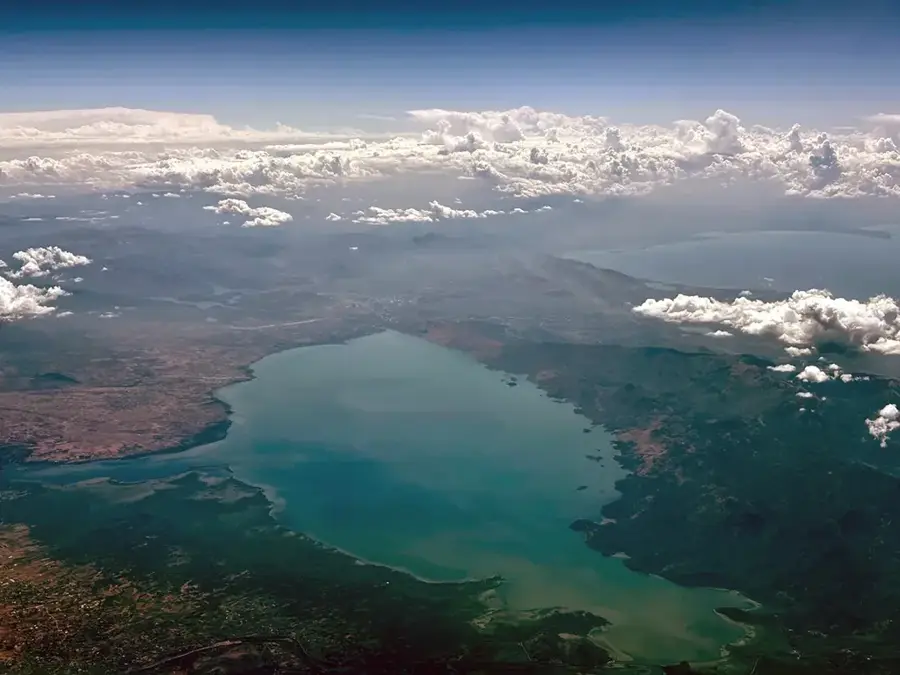
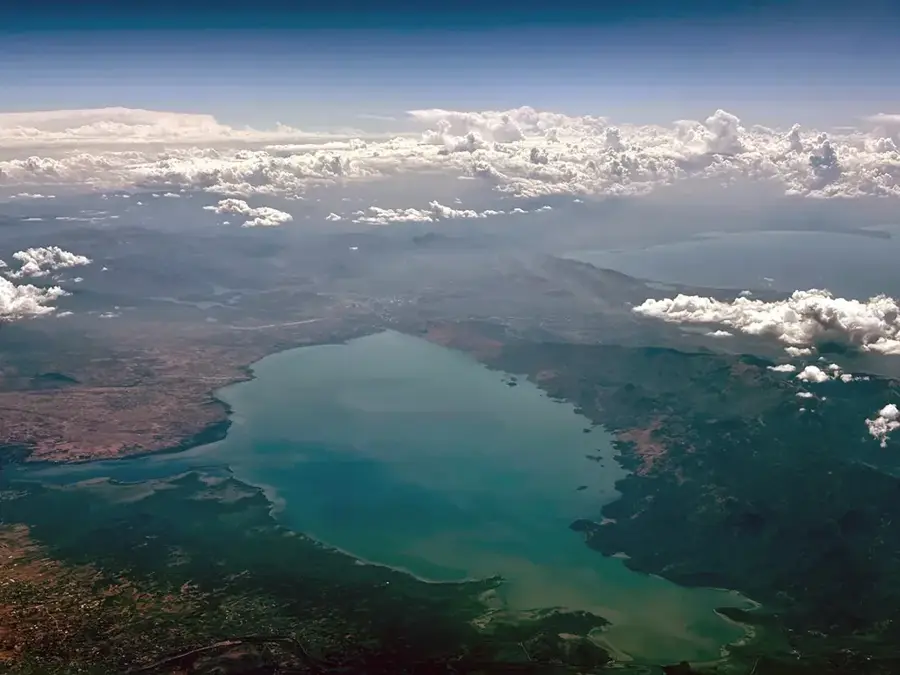
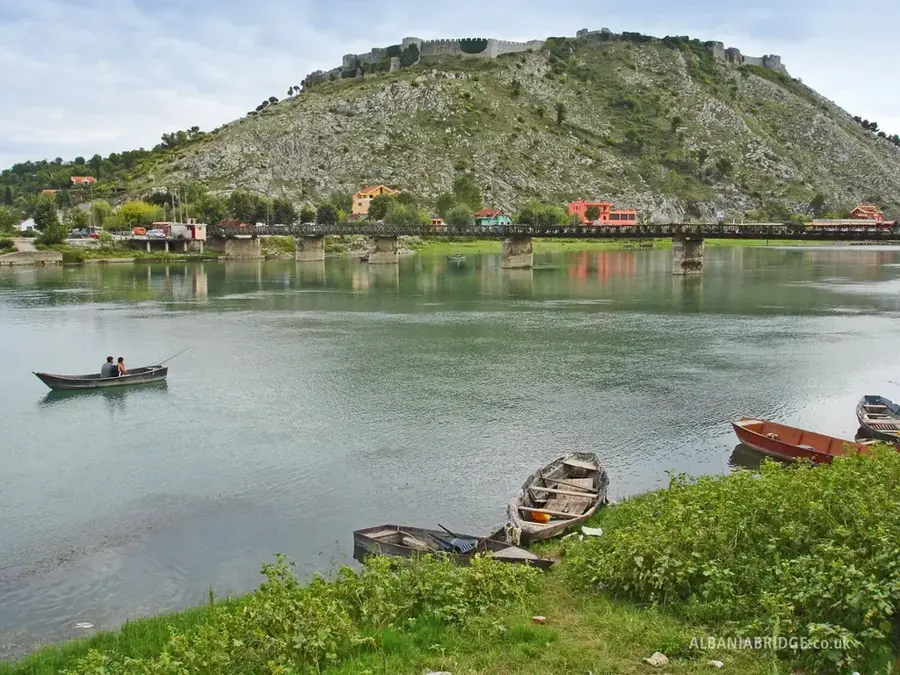
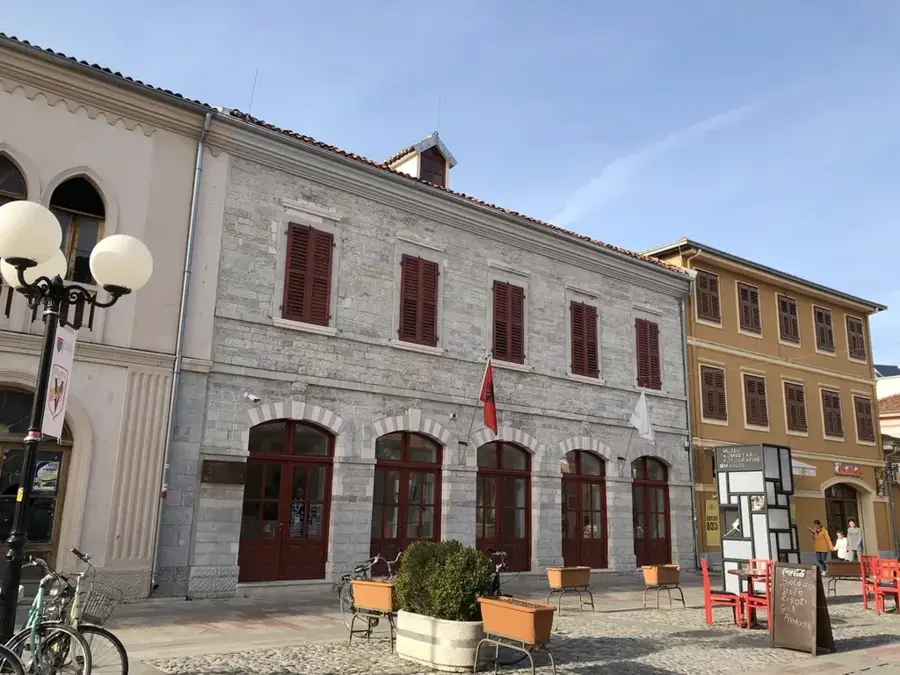
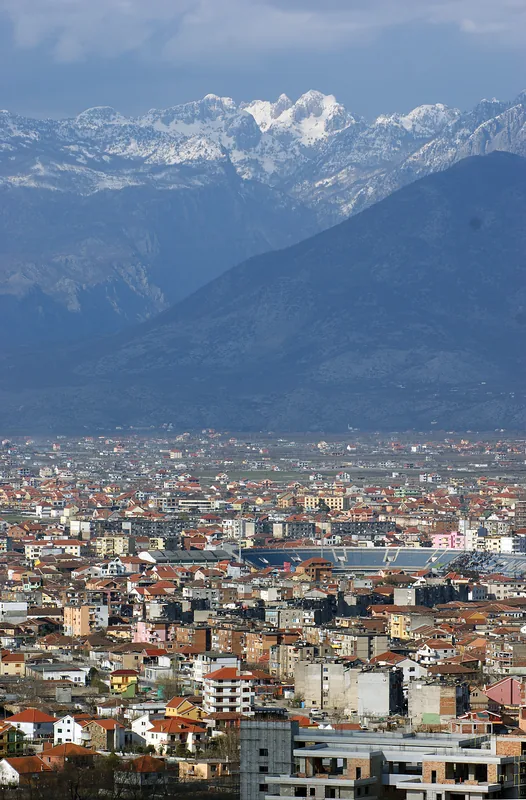
Shkodra is one of Albania's oldest and most culturally rich cities, beautifully situated on the shores of Lake Shkodër near the Montenegrin border. Founded by the Illyrians, it served as the capital of the Illyrian Kingdom under monarchs such as Gentius and Teuta. Perched on a rocky hill above the city, Rozafa Castle is its most iconic landmark, bearing witness to centuries of sieges and reconstructions by Romans, Venetians, and Ottomans. Often referred to as the 'cradle of Albanian culture,' Shkodra has been a center for literature, arts, and education, hosting the prestigious Marubi National Museum of Photography. The architecture of the old town, particularly the Kole Idromeno pedestrian street, showcases elegant Venetian-style buildings alongside traditional structures. Religious harmony is a cornerstone of the city, evidenced by the proximity of the 18th-century Lead Mosque to grand Catholic and Orthodox cathedrals. Today, Shkodra remains a spirited intellectual hub and the primary gateway to the Albanian Alps.
Explore on the map
Find cities, landscapes and regions in 10 varied challenges on the interactive map.
Your journey, your memory
Turn your own photo into a personal postcard with a local stamp. Free and no sign-up required.
Create a postcardThe most pleasant time to visit is Jun, Jul, Sep.
| Jan | Feb | Mar | Apr | May | Jun | Jul | Aug | Sep | Oct | Nov | Dec | |
|---|---|---|---|---|---|---|---|---|---|---|---|---|
| Avg °C | 6 | 7 | 10 | 14 | 18 | 23 | 26 | 26 | 22 | 17 | 12 | 8 |
| Rain mm | 142 | 131 | 125 | 94 | 80 | 57 | 32 | 33 | 104 | 126 | 170 | 163 |
Notable places around
Where do you start? We build the route here, with stops and country notes along the way.
© OpenStreetMap contributors · OpenRouteService
In the morning, explore the heart of Shkodra, starting with the Ebu Beker Mosque and the scenic Kole Idromeno pedestrian street. At midday, dive into history at the Marubi Photo Museum and visit the Cathedral. The afternoon features a rewarding walk up to Rozafa Castle for panoramic views, concluding at the historic Lead Mosque below the hill.
Cycling allows you to see the city and its surroundings. Start with a ride to the historic Mesi Bridge, then return to visit the Mask Factory and city museums. Late afternoon is reserved for Rozafa Castle and a peaceful ride along the shores of Lake Skadar in Shirokë.
By car, you can seamlessly connect Shkodra's urban highlights with its outskirts. After a stroll through the center, drive to the Mesi Bridge, then head up to Rozafa Castle. Conclude your day in Shirokë on the lakefront, perfect for an early dinner with views across to Montenegro.
The Pashko Vasa Museum in Shkodra is dedicated to the renowned Albanian writer and poet.
The Historic Museum of Shkodër showcases the rich cultural and historical heritage of the region.
The Site of Witness and Memory is a museum located in Shkodra.