Cities in Mongolia
The most important cities in Mongolia at a glance – from the bustling metropolis to the charming small town. Each city links to a detailed page with map, attractions and travel tips.
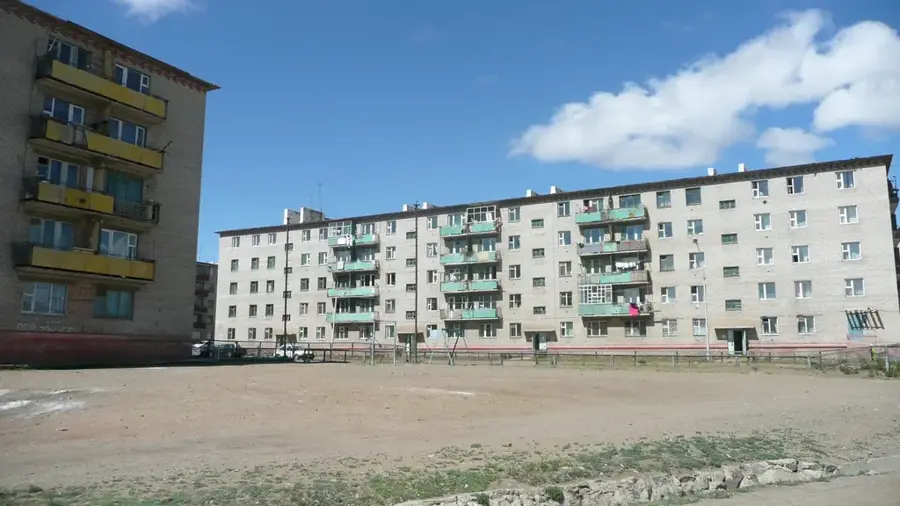
Nalaikh
Nalaikh, formerly the most important coal mine for Ulaanbaatar, is today a remote district.
Learn more →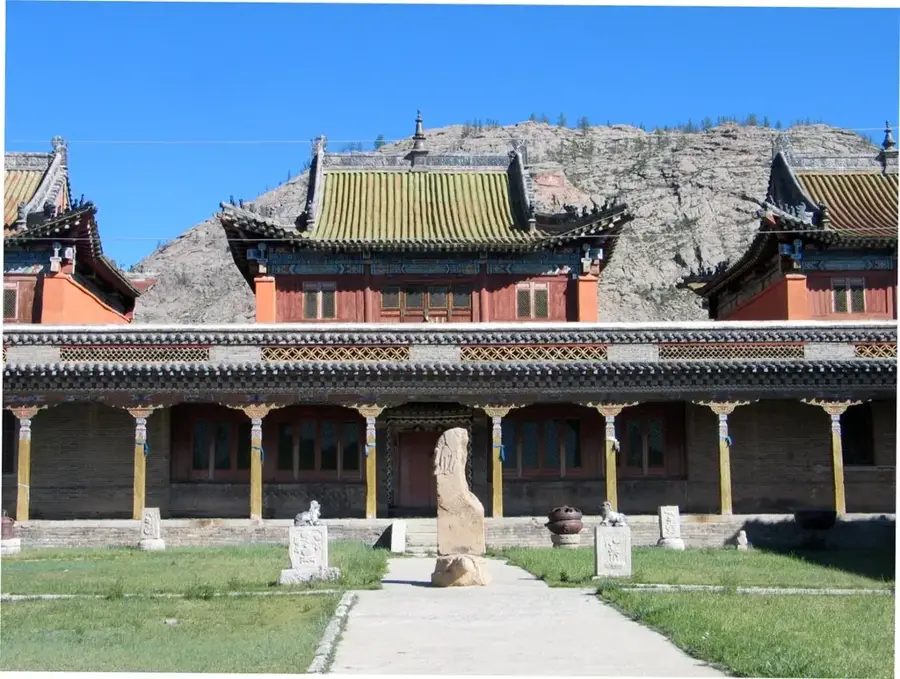
Tsetserleg
Tsetserleg translates to 'garden' and is considered one of the most beautiful provincial towns in Mongolia.
Learn more →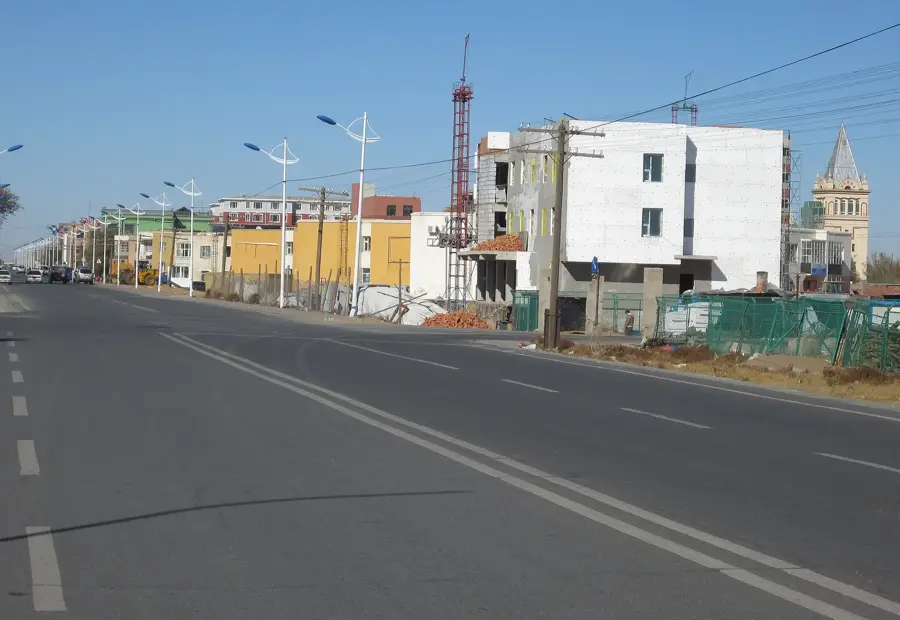
Zamyn-Üüd
Zamyn-Üüd is the most important border crossing between Mongolia and China.
Learn more →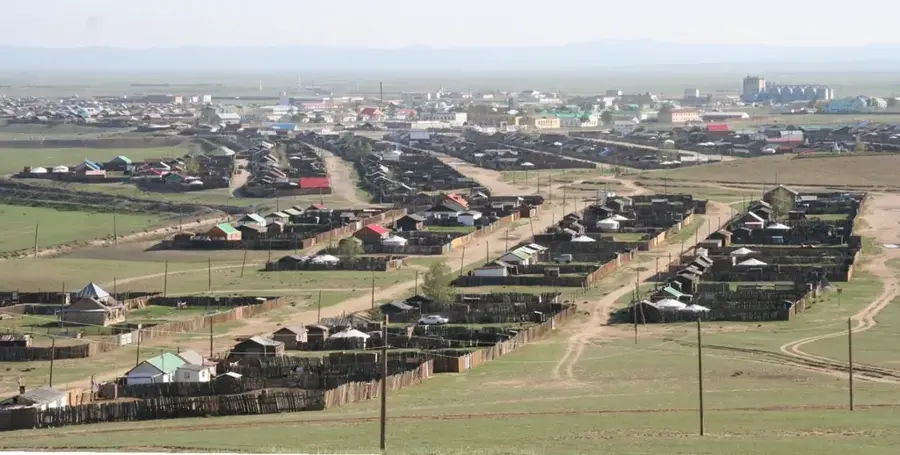
Kharkhorin
Kharkhorin is located near the ruins of Karakorum, the ancient capital of the Mongol Empire in the 13th century.
Learn more →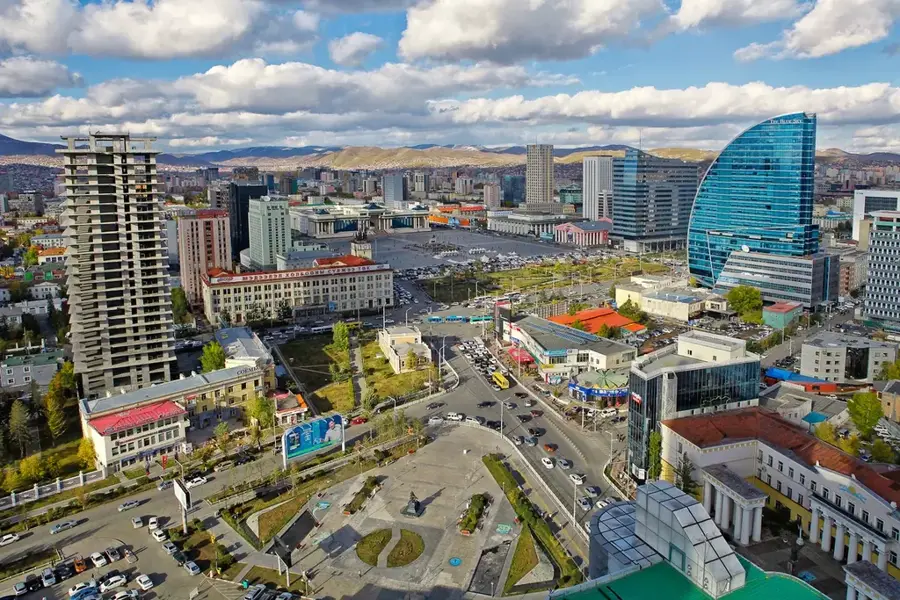
Ulaanbaatar
Ulaanbaatar is the coldest capital city in the world, home to nearly half of Mongolia's population.
Learn more →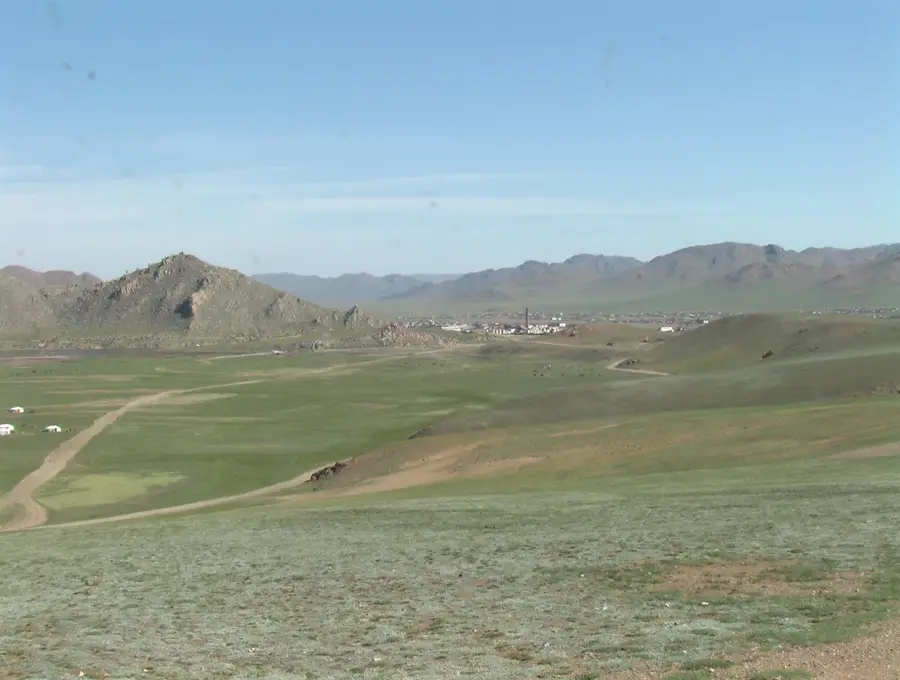
Tosontsengel
Tosontsengel is considered one of the coldest settlements in Mongolia.
Learn more →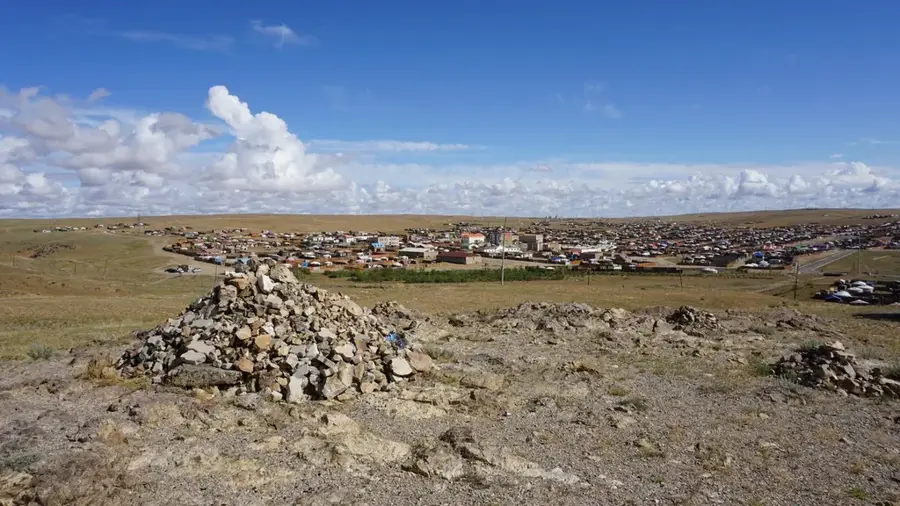
Mandalgovi
Mandalgovi is the capital of the Middle Gobi province and forms the transition between the steppe and the actual Gobi Desert.
Learn more →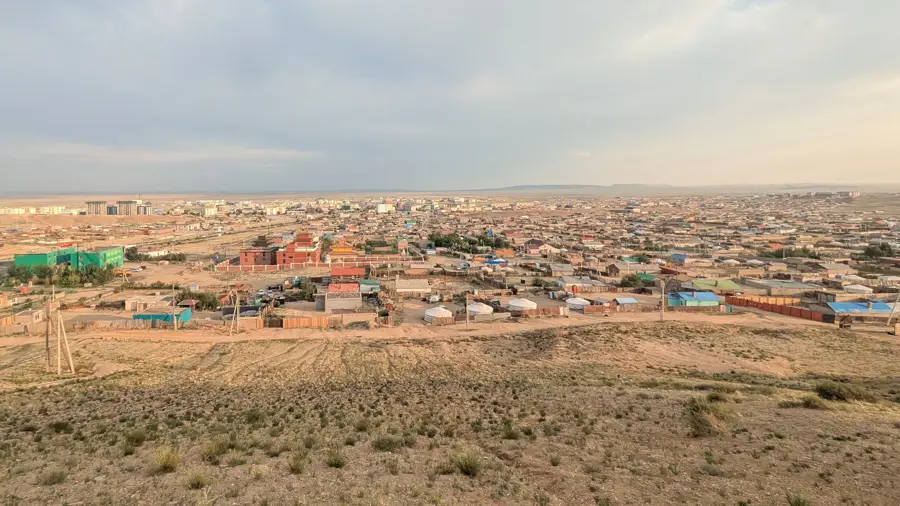
Sainshand
Sainshand is a desert city on the Trans-Mongolian Railway leading into Chinese Inner Mongolia.
Learn more →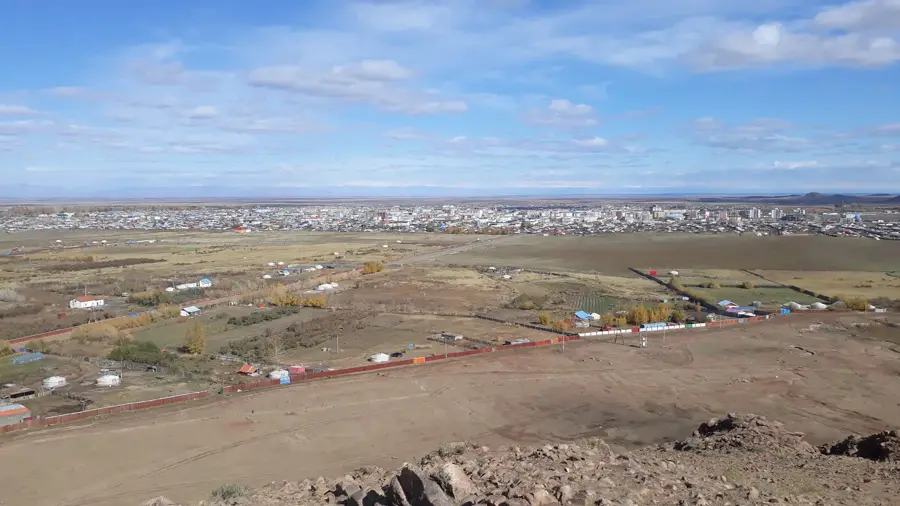
Ulaangom
Ulaangom is located near the Russian border in an extreme climatic zone within the Uvs Basin.
Learn more →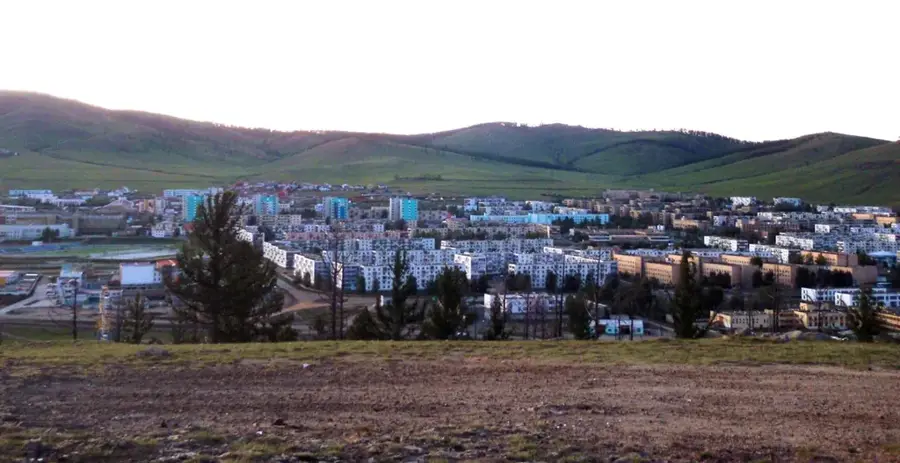
Erdenet
Erdenet is the second-largest city in Mongolia, founded in 1974 specifically for copper and molybdenum mining.
Learn more →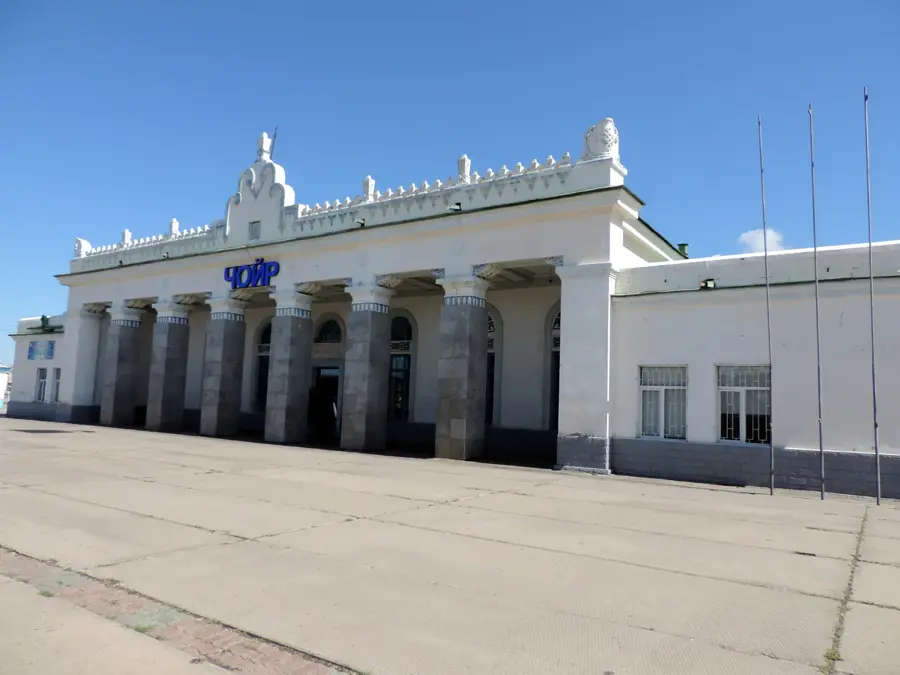
Choir
Choir emerged as a significant Soviet military base along the Trans-Mongolian Railway.
Learn more →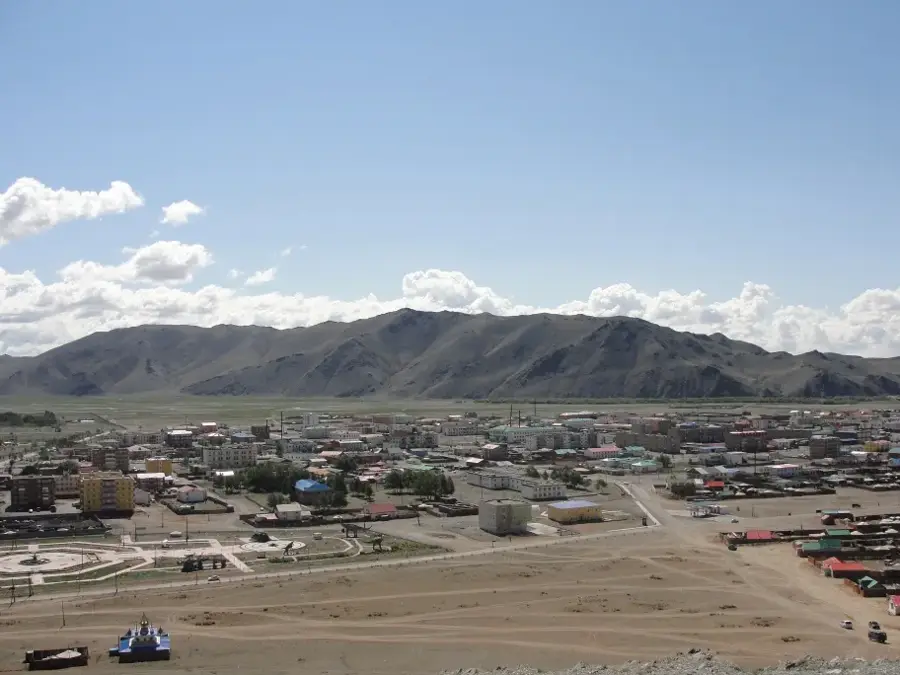
Bayankhongor
Bayankhongor offers an extreme scenic diversity, from snow-capped peaks in the north to sandy deserts in the south.
Learn more →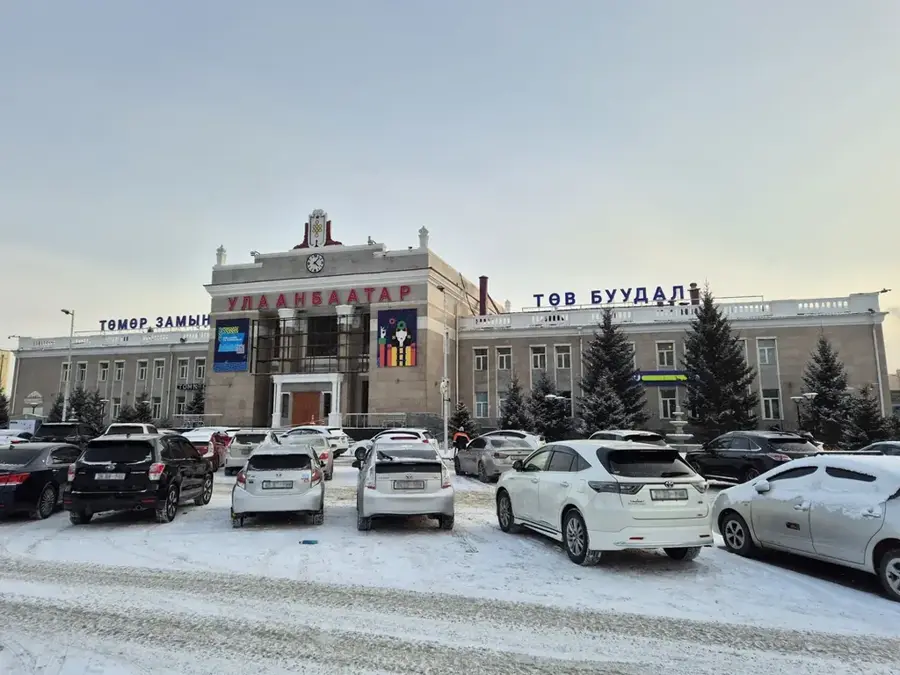
Khutul
Khutul is a major center for the building materials industry.
Learn more →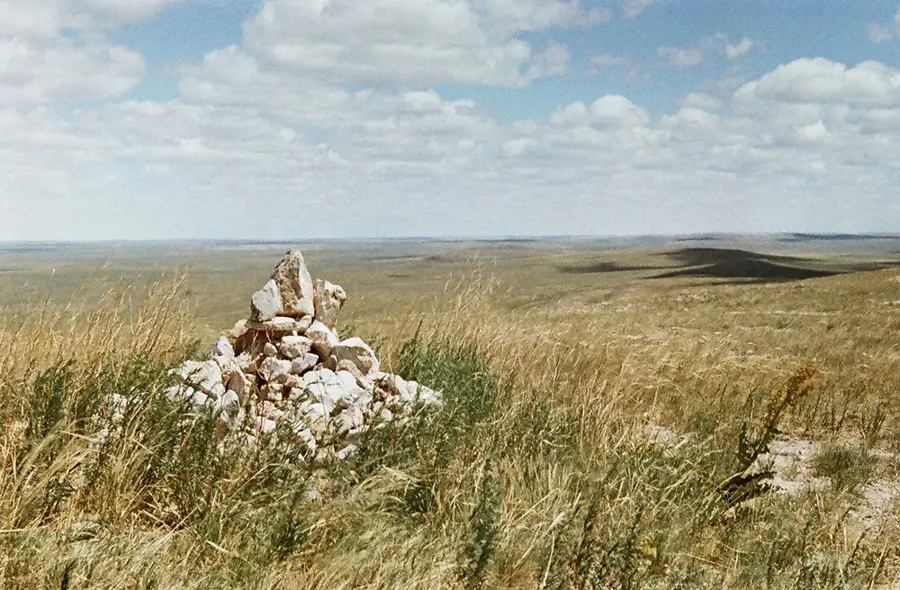
Sükhbaatar
Sükhbaatar is located at the confluence of the Orkhon and Selenge rivers on the Russian border.
Learn more →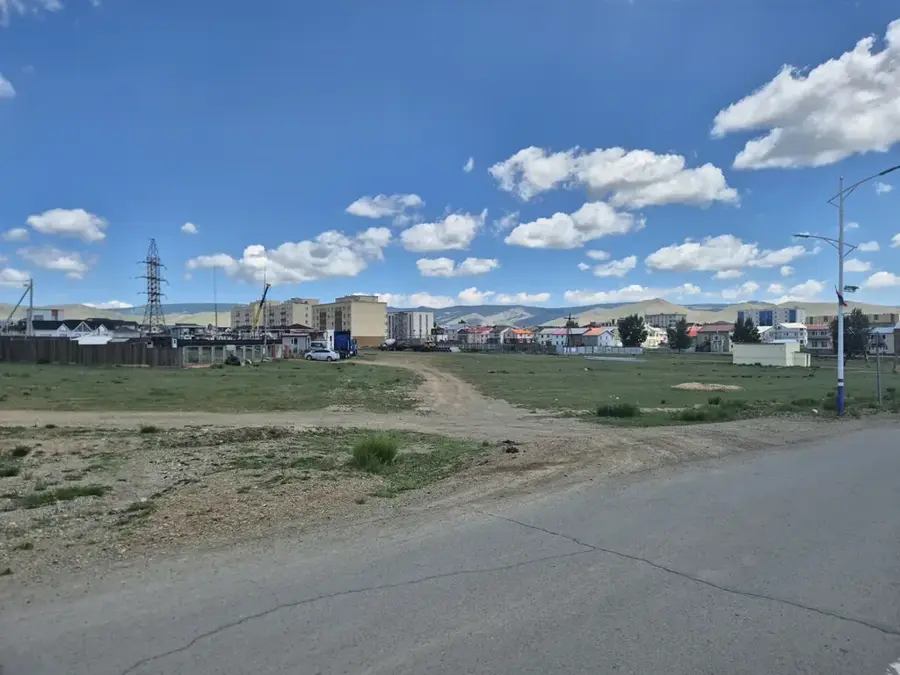
Züünmod
Züünmod is located just 40 kilometers south of Ulaanbaatar, separated by the Bogd Khan Uul mountains.
Learn more →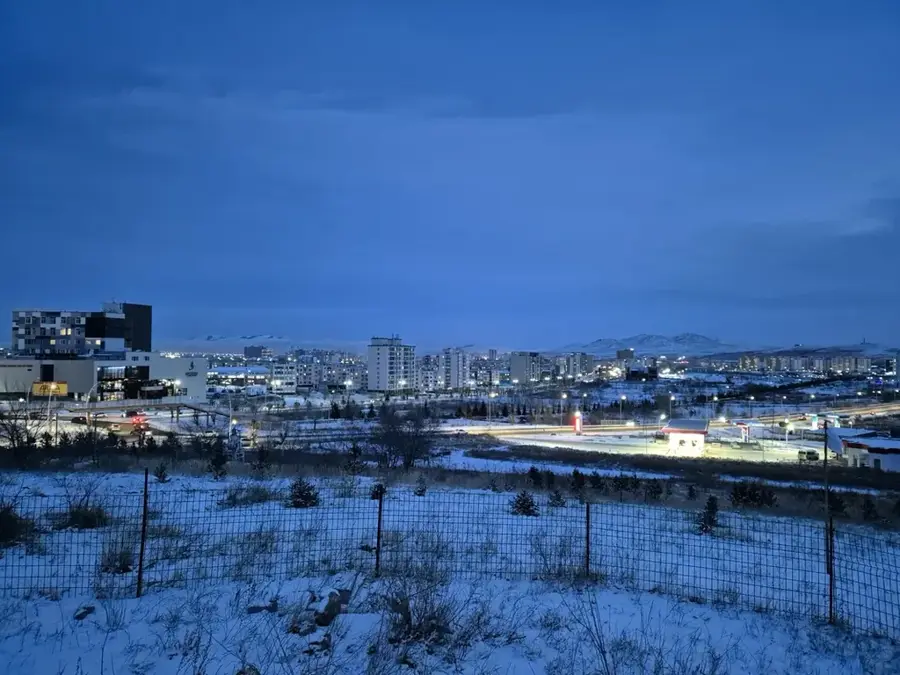
Darkhan
Darkhan was built in 1961 with massive Soviet support as an industrial hub in the north.
Learn more →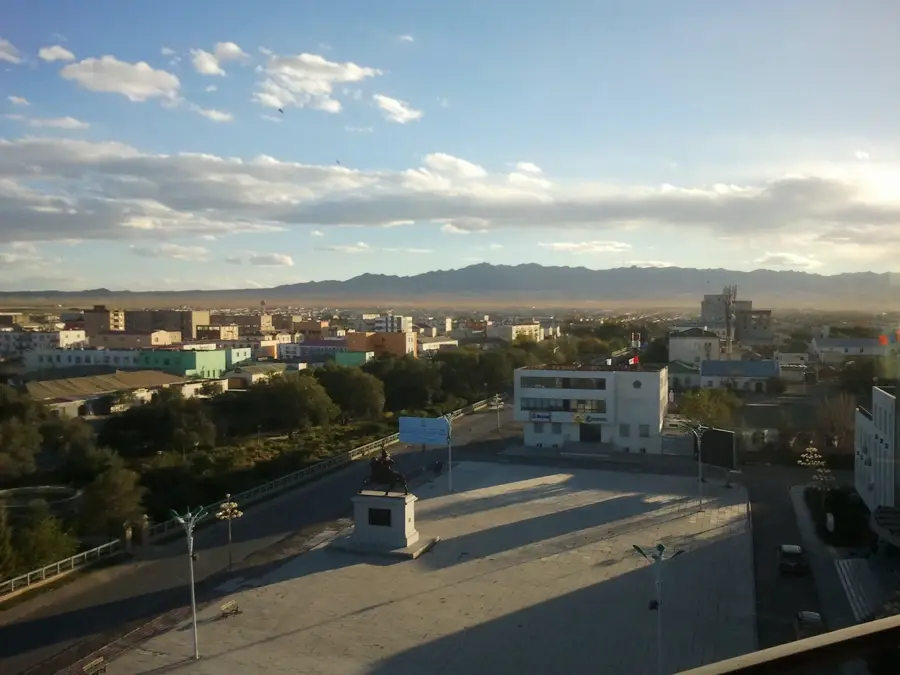
Dalanzadgad
Dalanzadgad is the gateway to the Gobi Desert in southern Mongolia.
Learn more →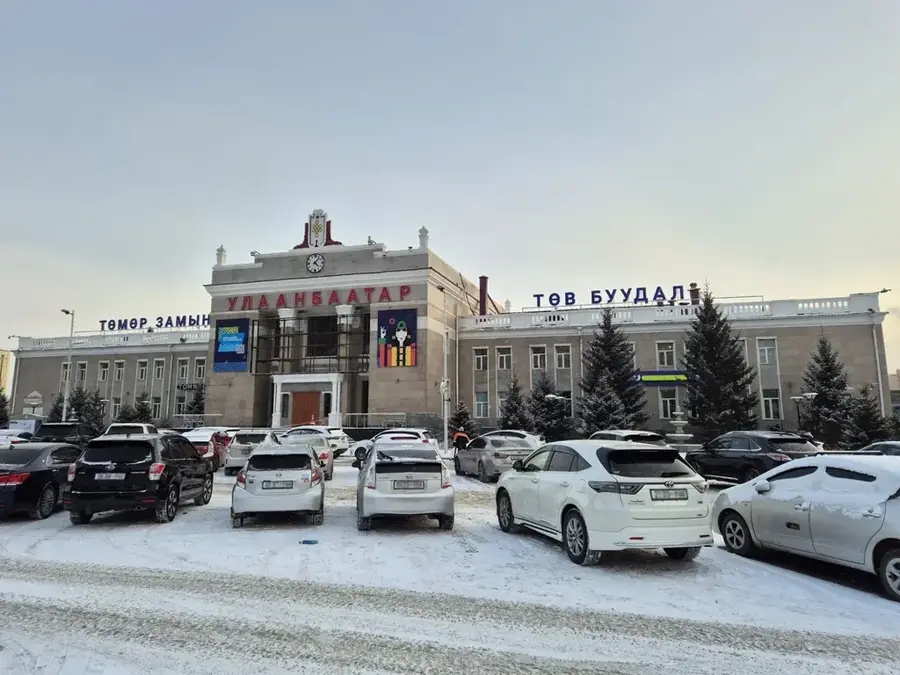
Sharyn Gol
Sharyn Gol is a classic Soviet coal-mining town nestled in a valley.
Learn more →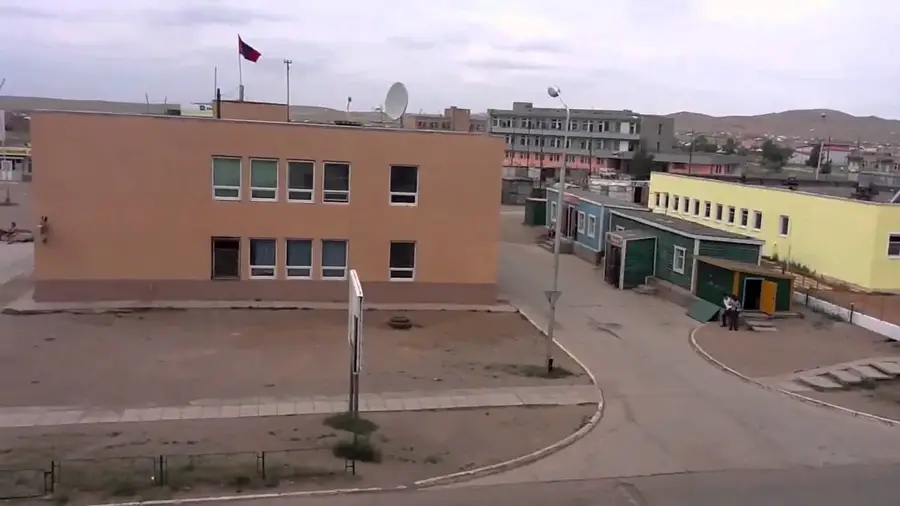
Bor-Öndör
Bor-Öndör is a relatively isolated mining town in the vast steppe.
Learn more →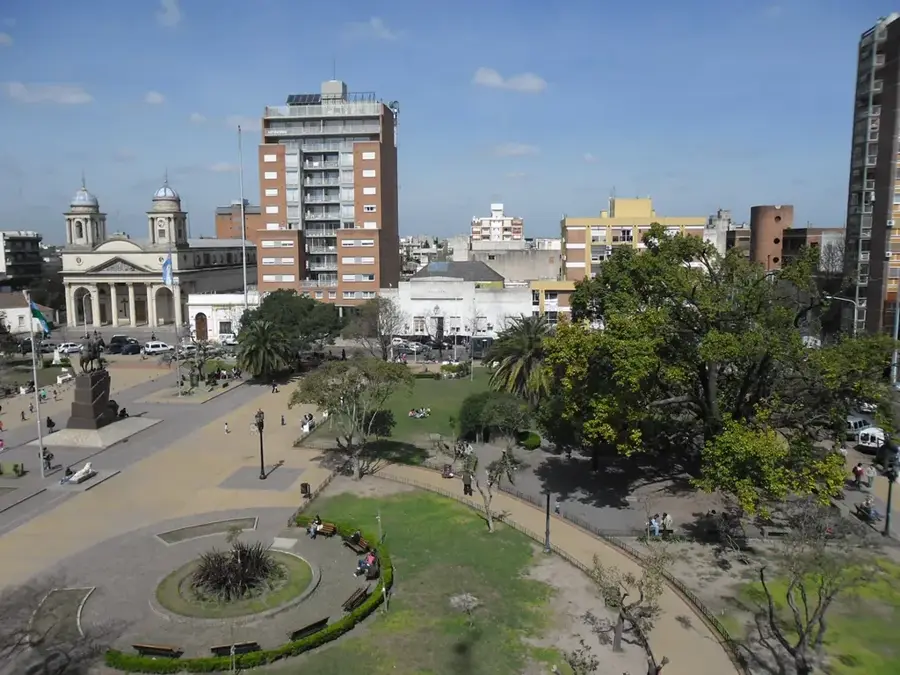
Mörön
Mörön serves as the administrative center of the mountainous Khövsgöl province in the north.
Learn more →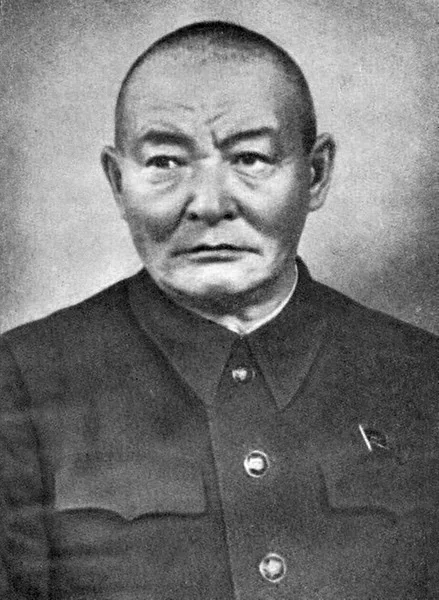
Choibalsan
Choibalsan is the economic hub of eastern Mongolia.
Learn more →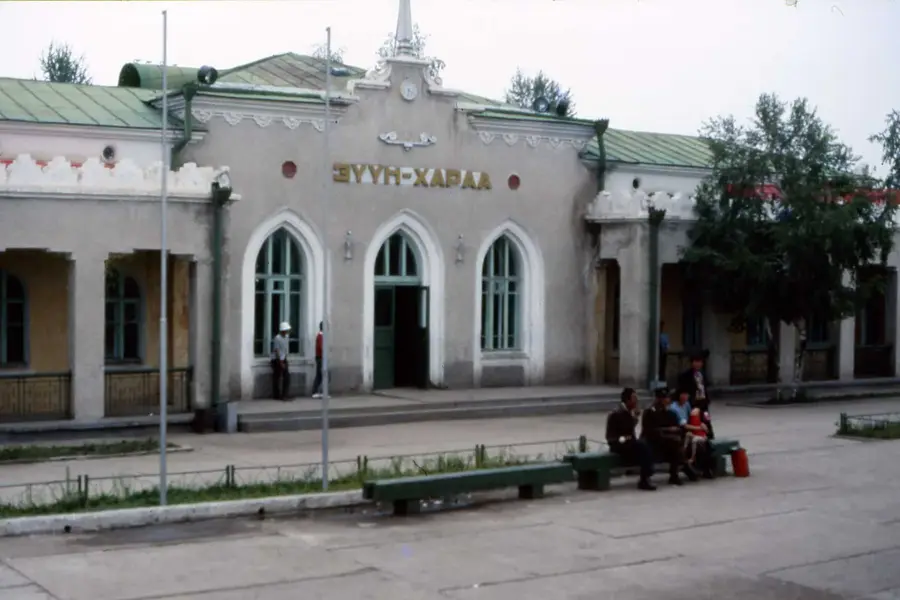
Züünkharaa
Züünkharaa is a bustling railway town in the scenic Kharaa River valley.
Learn more →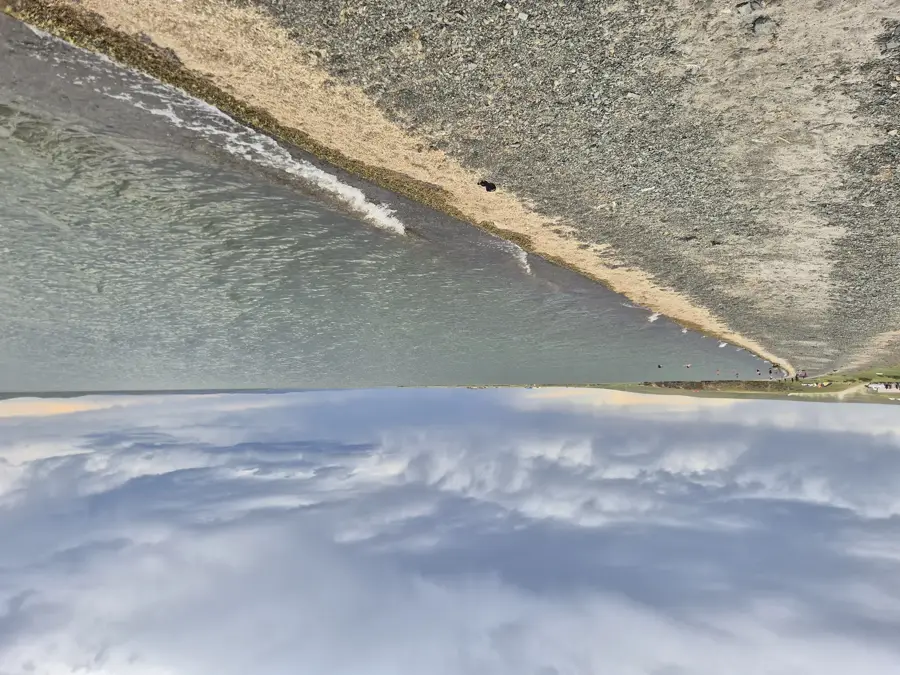
Ögii Lake
A scenic freshwater lake in Arkhangai, famous for its abundant fish and as a paradise for birdwatchers in the central Mongolian steppe.
Learn more →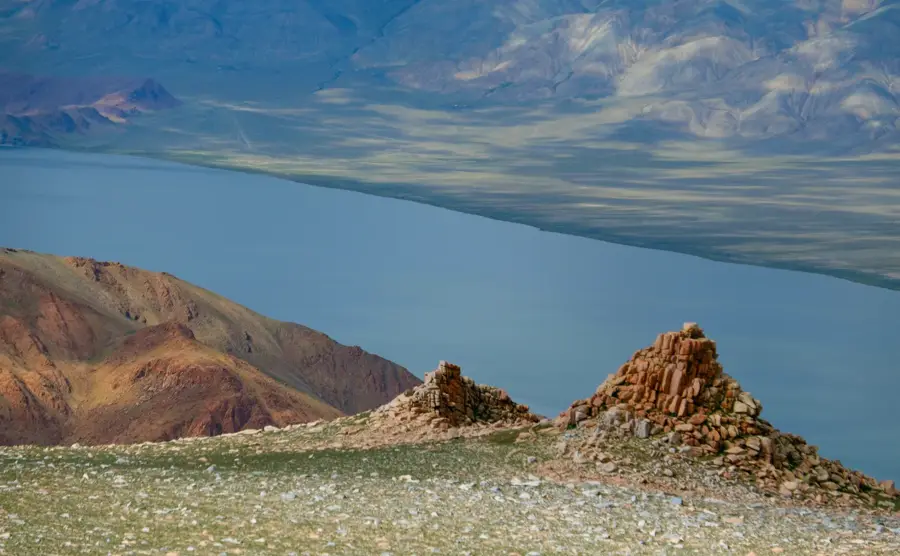
Tolbo Lake
A high-altitude freshwater lake along the road to Ölgii, known for its deep blue colors and historical significance.
Learn more →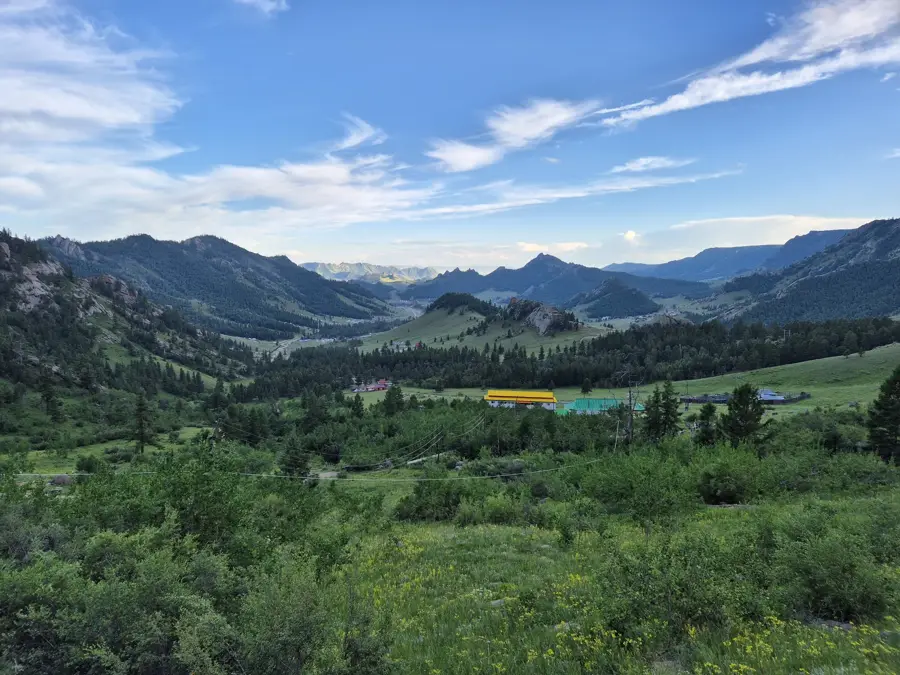
Terelj
A stunning national park near Ulaanbaatar, famous for its bizarre rock formations and green alpine valleys.
Learn more →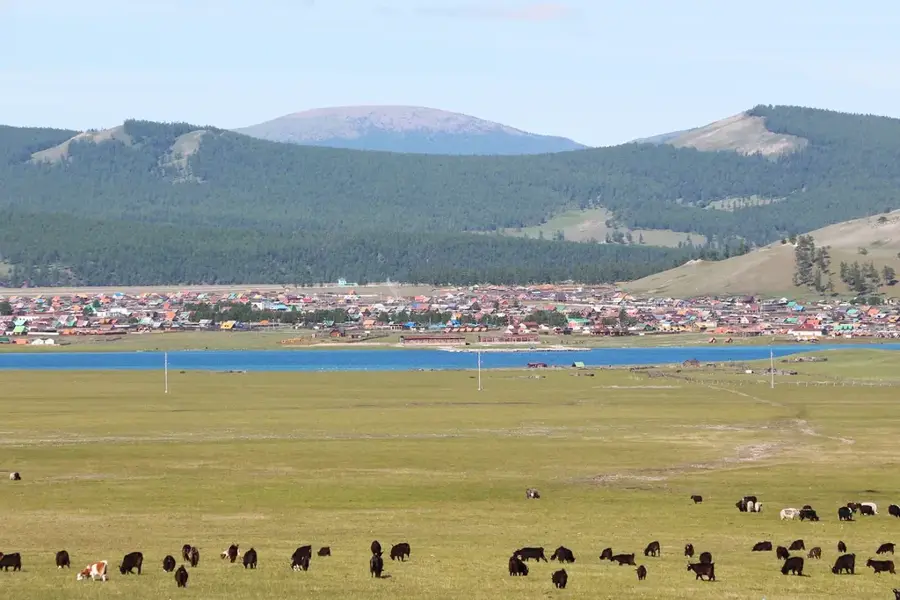
Khatgal
A charming village on the southern shore of Khövsgöl Lake, serving as the main gateway for explorations in the region.
Learn more →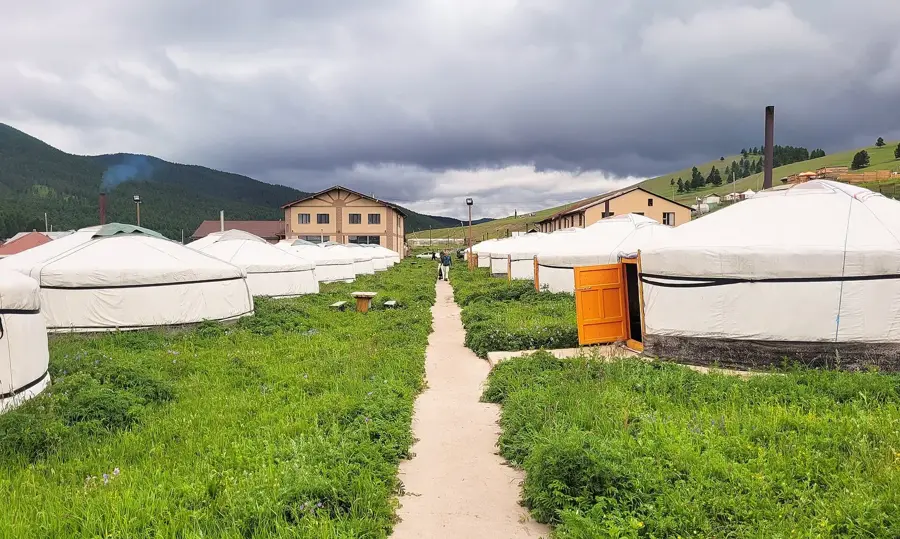
Tsenkher Hot Springs
Natural geothermal springs located in a lush mountain valley, offering relaxation in mineral-rich waters.
Learn more →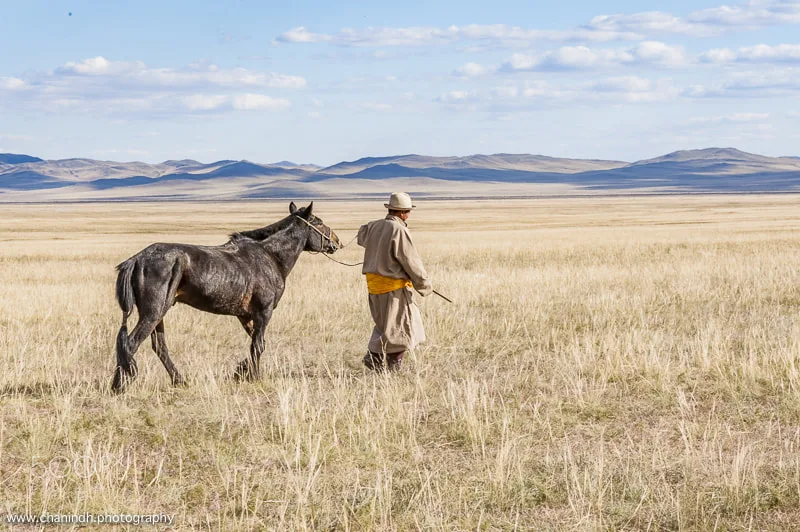
Gun-Galuut
A scenic nature reserve combining high mountains, steppes, and wetlands along the Kherlen River.
Learn more →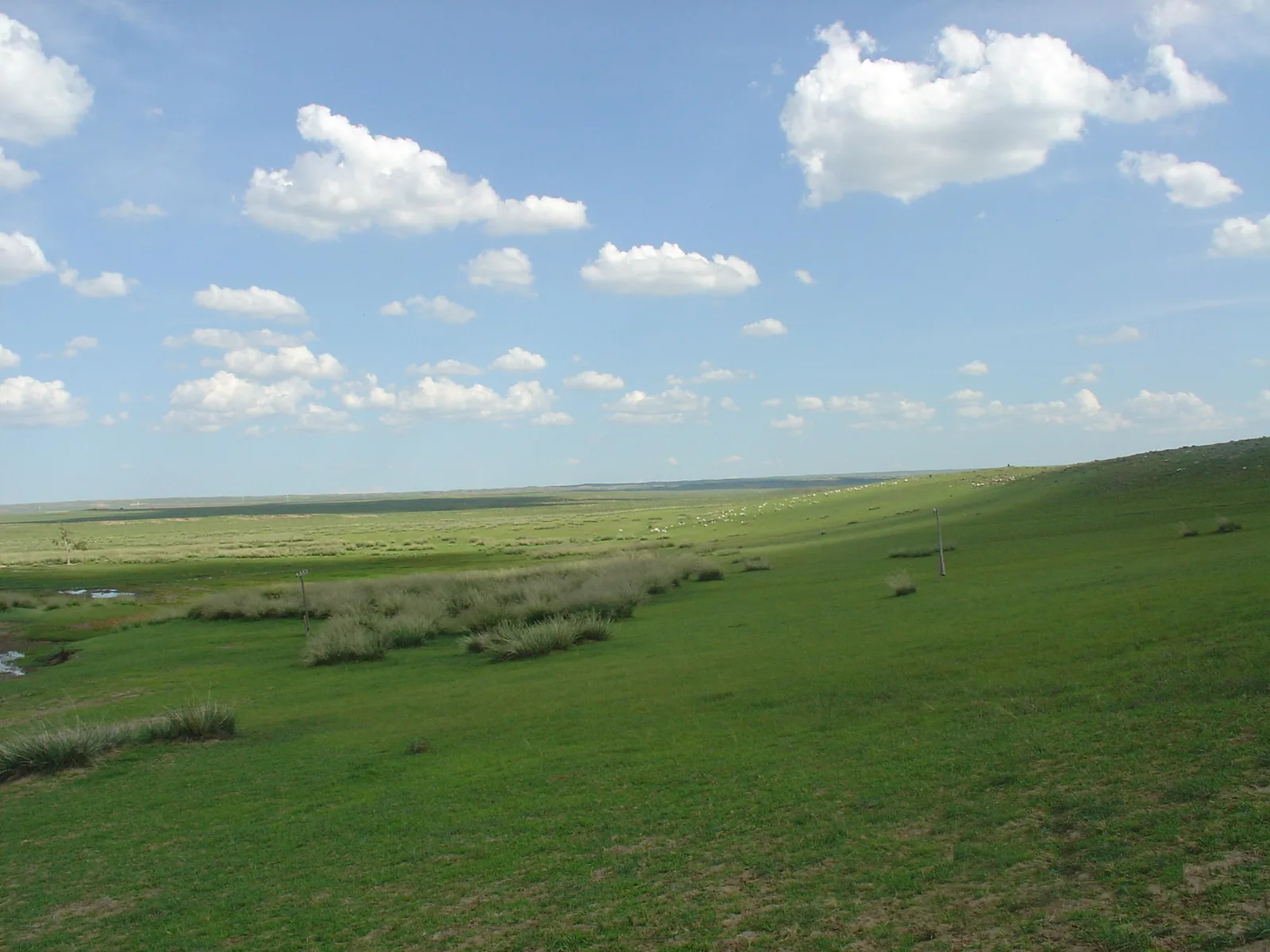
Ikh Gazriin Chuluu
A stunning granite rock range in Dundgovi Province, famous for its unique and bizarre geological formations.
Learn more →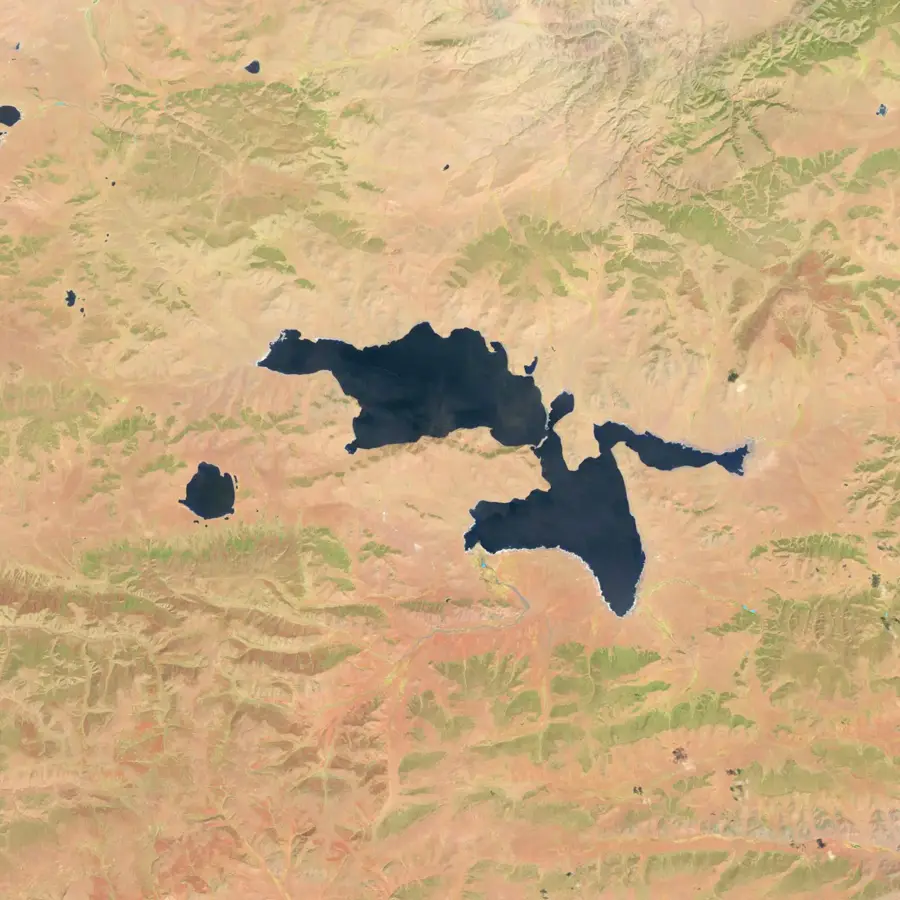
Sangiin Dalai Lake
A peaceful saltwater lake in northern Mongolia, known for its pristine nature and rare bird species.
Learn more →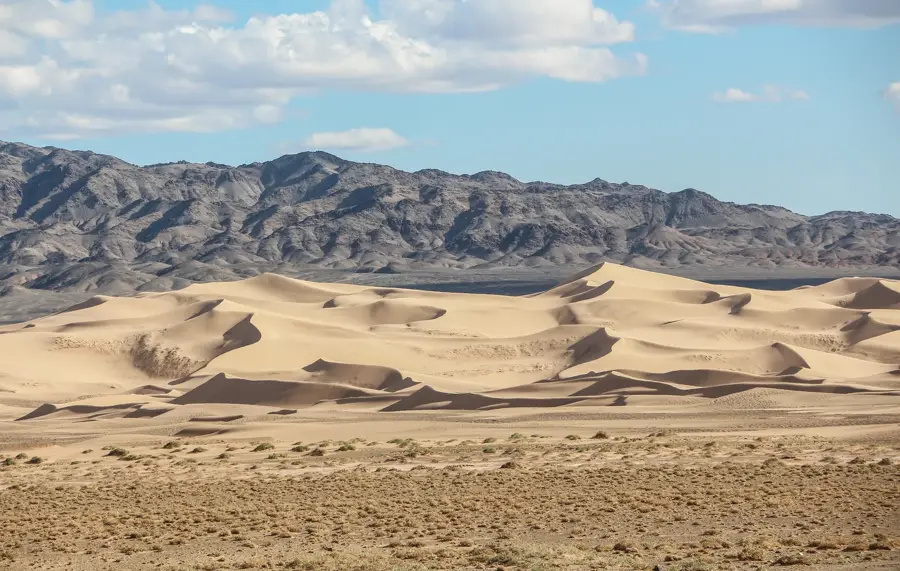
Khongoryn Els
Massive sand dunes in the Gobi Desert known for the musical sound produced by shifting winds.
Learn more →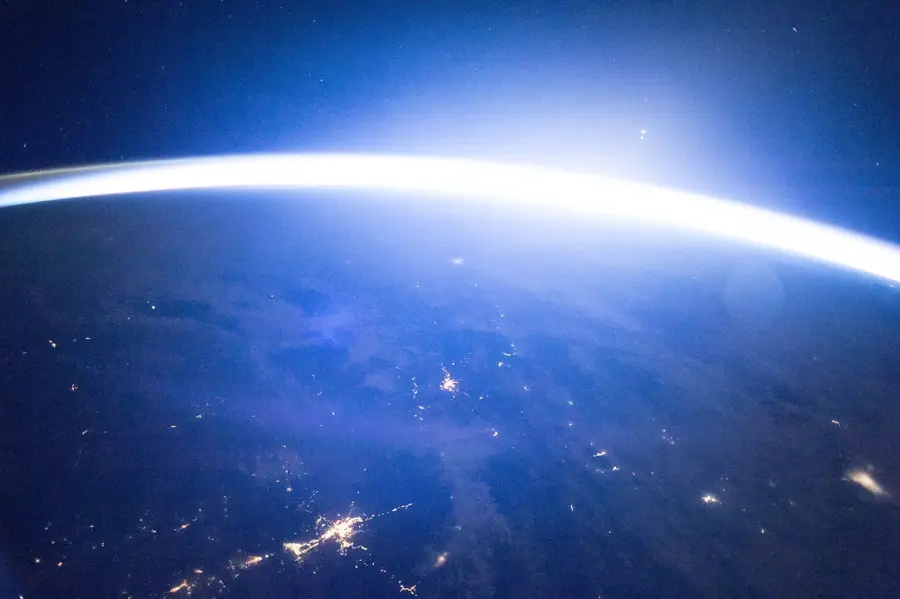
Renchinlkhümbe
A remote village in the Darkhad Valley, famous for its shamanic traditions and proximity to the taiga.
Learn more →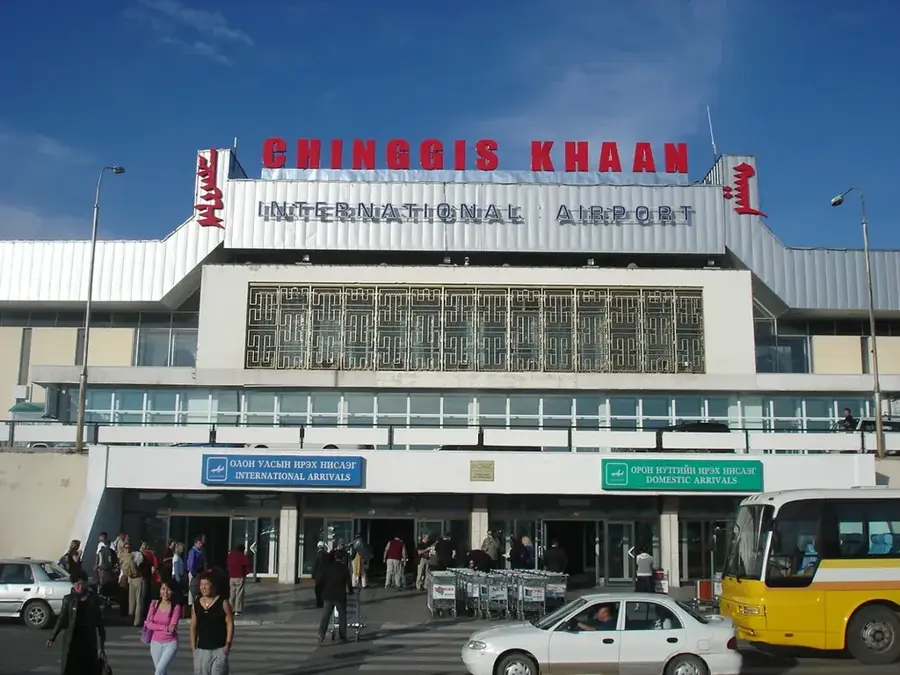
Khujirt
A famous spa resort in the Orkhon Valley, renowned for its healing thermal springs and mud baths.
Learn more →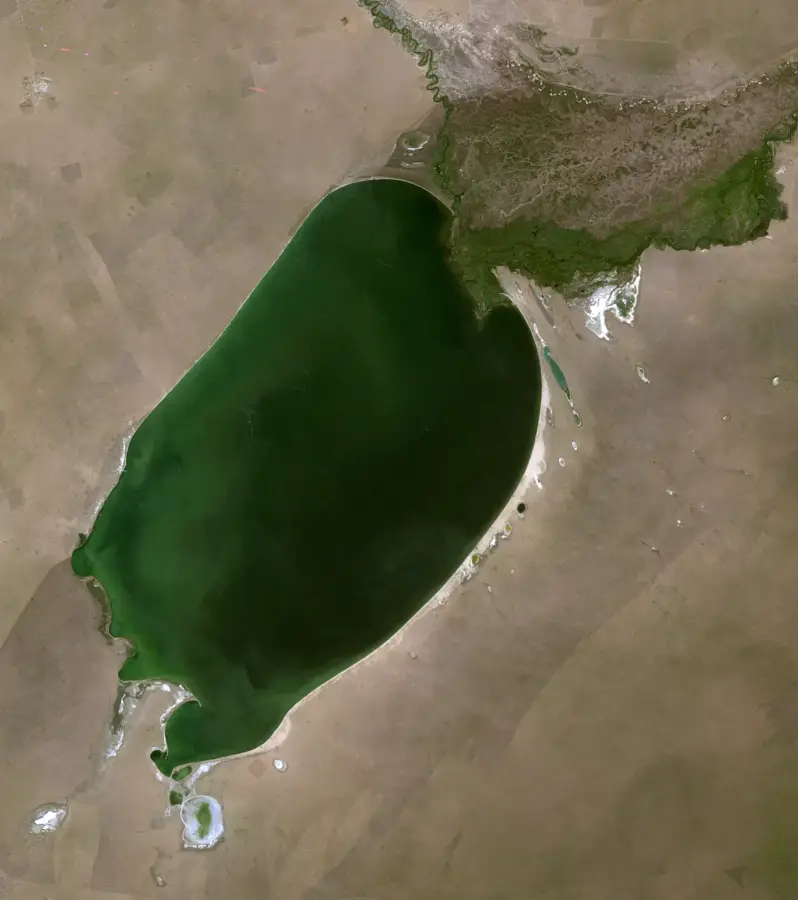
Buir Lake
The largest lake in Eastern Mongolia, famous for its sandy beaches and abundant fish species.
Learn more →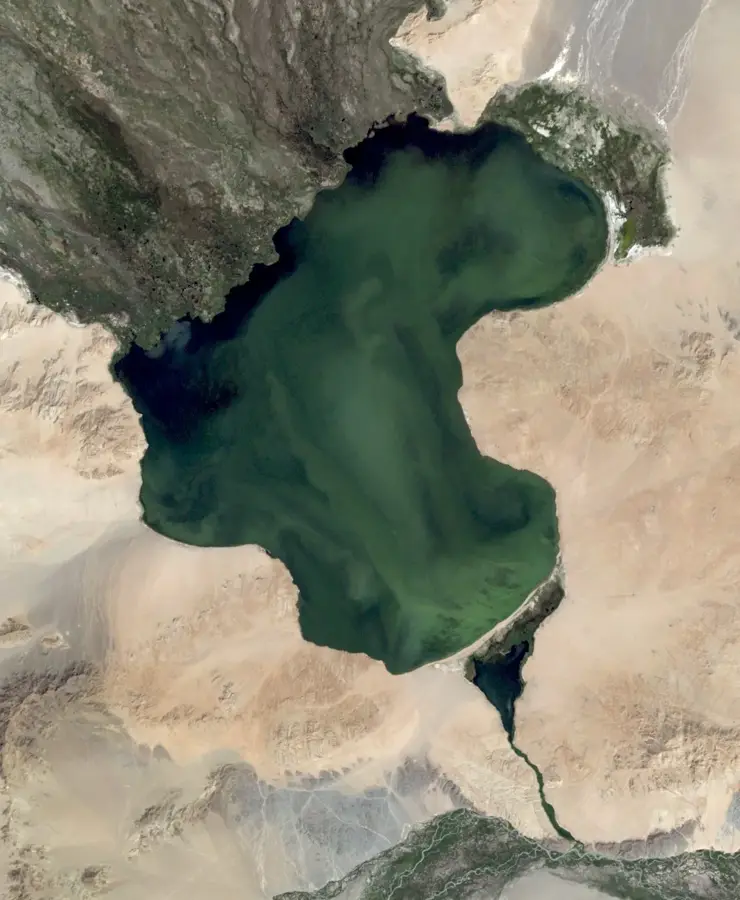
Lake Achit
The largest freshwater lake in Uvs Province, a haven for migratory birds and nature enthusiasts.
Learn more →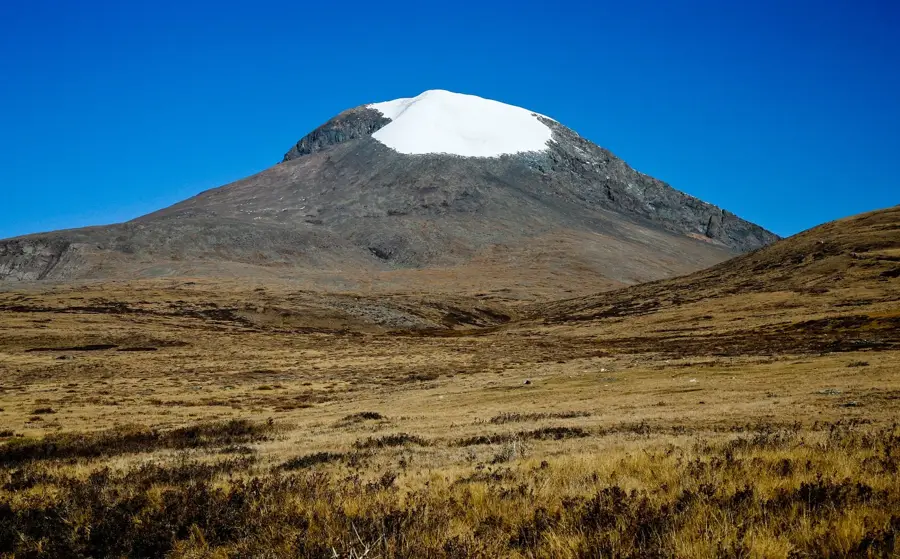
Otgontenger
The highest peak of the Khangai Mountains, a sacred peak covered in eternal snow.
Learn more →Frequently asked questions
What are the largest cities in Mongolia?
This page lists the most important cities by population – each with its own detail page, map and attractions.
How do I find attractions per city?
Click a city – the detail page lists the top attractions, a map and travel tips.