Plizio Visual Lab
Hwange
ℹ️Practical info — Hwange
▾
🌤 Weather — 5 days
📍 Nearby
Sights nearby
💡 Tips
- The town can be dusty due to the nearby coal mines; bring a scarf or bandana if you are sensitive to dust.
- Hwange National Park is nearby; always carry binoculars and a good zoom lens for wildlife viewing.
- US Dollars are widely accepted and preferred, but make sure to carry small denominations for minor purchases.
- Malaria precautions are strongly advised; consult your doctor for prophylactics and use mosquito nets at night.
🍽 Food
The staple maize meal served with leafy greens and a rich meat stew in local diners.
Many local lodges offer sustainably sourced game meat like kudu or warthog.
Try some of the locally brewed sorghum beers if you want a traditional taste.
🛍 Shopping · 🧘 Quiet spots
Beautifully crafted wooden wildlife figures sold by local artisans along the main roads.
Colorful and intricate beadwork made by local women, available at craft markets.
Many lodges on the outskirts have viewing decks overlooking watering holes; sit quietly and watch the animals.
Find a spot under the shade of a giant baobab tree just outside the town center for a peaceful break.
Water temperature…
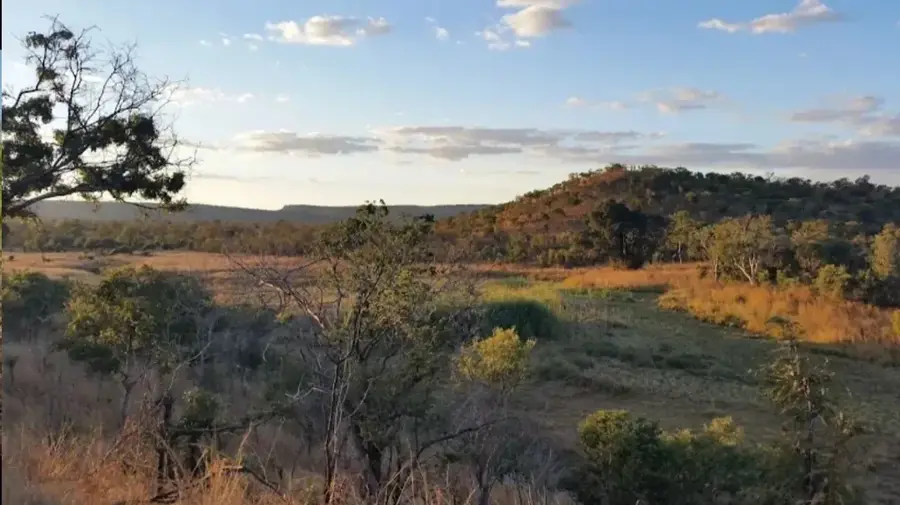
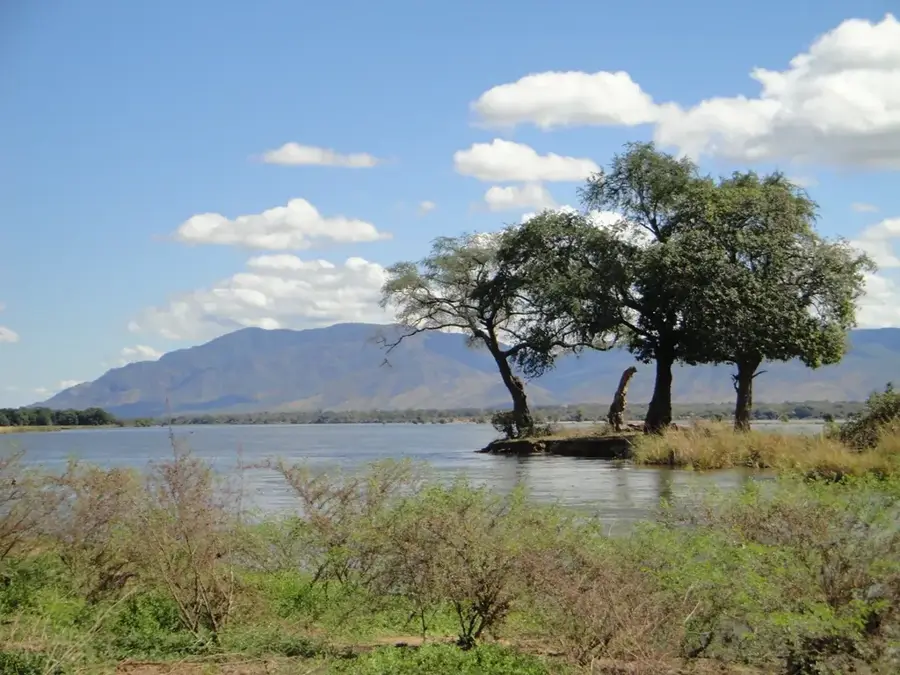
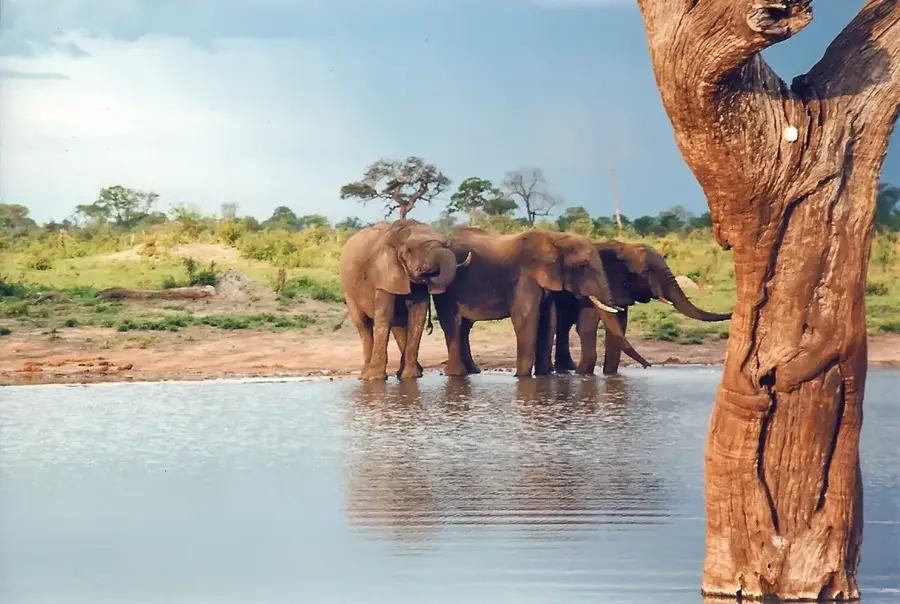
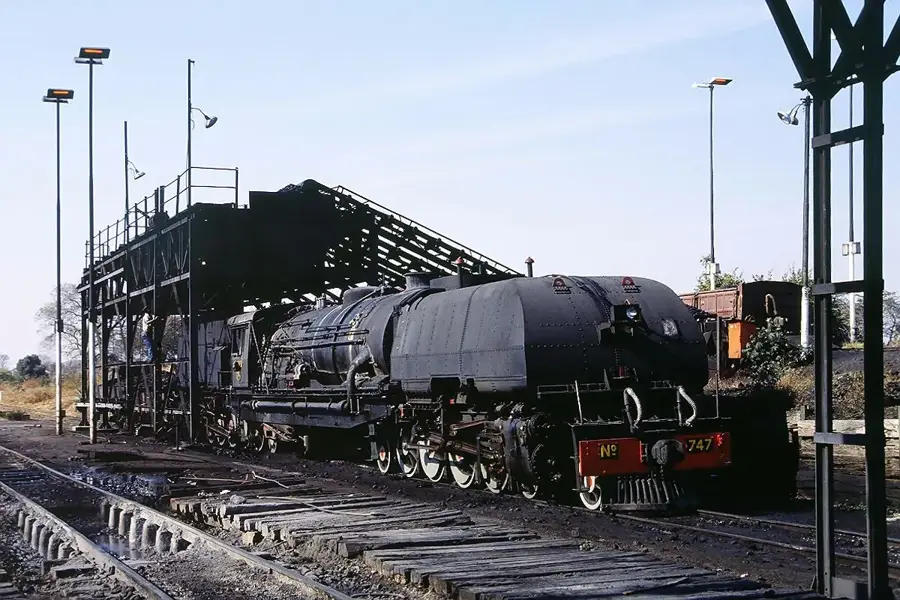
Hwange, situated in the northwestern part of Zimbabwe, is the cornerstone of the nation’s energy production and mining industry. Established in the early 20th century following the discovery of massive coal deposits, the town has grown around the Hwange Colliery, the country’s largest coal mine. It is home to the massive Hwange Power Station, which provides a significant portion of Zimbabwe's electricity. Beyond its industrial significance, the town serves as the primary gateway to the world-renowned Hwange National Park. This vast wilderness, just a short distance from the urban center, is one of Africa’s premier wildlife destinations, famous for its enormous herds of Cape elephants and diverse birdlife. The contrast between the heavy industrial landscape of coal pits and the nearby pristine savanna creates a unique atmosphere for visitors passing through to the safari camps.
Explore on the map
How well do you know Zimbabwe?
Find cities, landscapes and regions in 10 varied challenges on the interactive map.
Your journey, your memory
A postcard from Hwange
Turn your own photo into a personal postcard with a local stamp. Free and no sign-up required.
Create a postcard- Location: Zimbabwe
- Nearby: Dete (48 km)
- Population: ~39.750 (2024)
Best time to visit & climate
The most pleasant time to visit is May, Jun, Aug.
| Jan | Feb | Mar | Apr | May | Jun | Jul | Aug | Sep | Oct | Nov | Dec | |
|---|---|---|---|---|---|---|---|---|---|---|---|---|
| Avg °C | 25 | 25 | 25 | 23 | 21 | 18 | 18 | 21 | 25 | 28 | 28 | 26 |
| Rain mm | 136 | 127 | 78 | 28 | 3 | 5 | 0 | 0 | 2 | 12 | 63 | 134 |
Geography
Facts
- Hwange has a population of about 35,000 (2012).
- Hwange National Park covers 14,651 km².
- The Hwange coal mine produces about 4.5 million tonnes annually.
- Elephant population in the park is estimated at 45,000.
- The town is at an elevation of 770 m.
- Hwange Power Station has a capacity of 920 MW.
Explore nearby
Notable places around
Route planner — Car & Motorhome
Where do you start? We build the route here, with stops and country notes along the way.
© OpenStreetMap contributors · OpenRouteService
Sights in the town Hwange (1)
Frequently asked questions
Why do people travel to Hwange?
What is the accommodation situation?
When is the best safari season?
How do you get there?
Do you need a guide?
Hwange: where is it located?
Hwange: when is the best time to visit?
Hwange: why is it worth visiting?
Nearby cities

History & landmarks
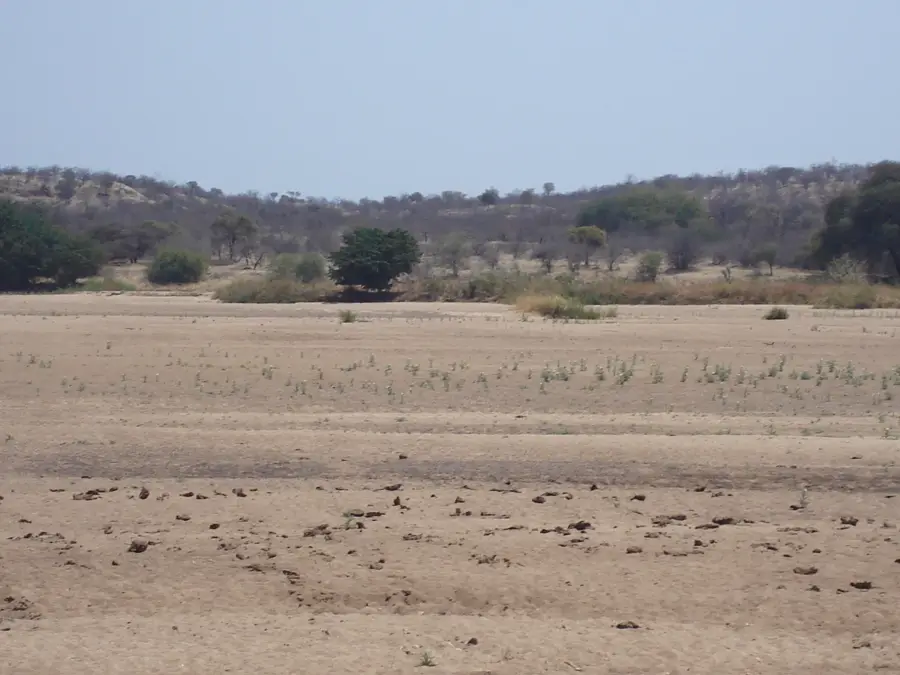
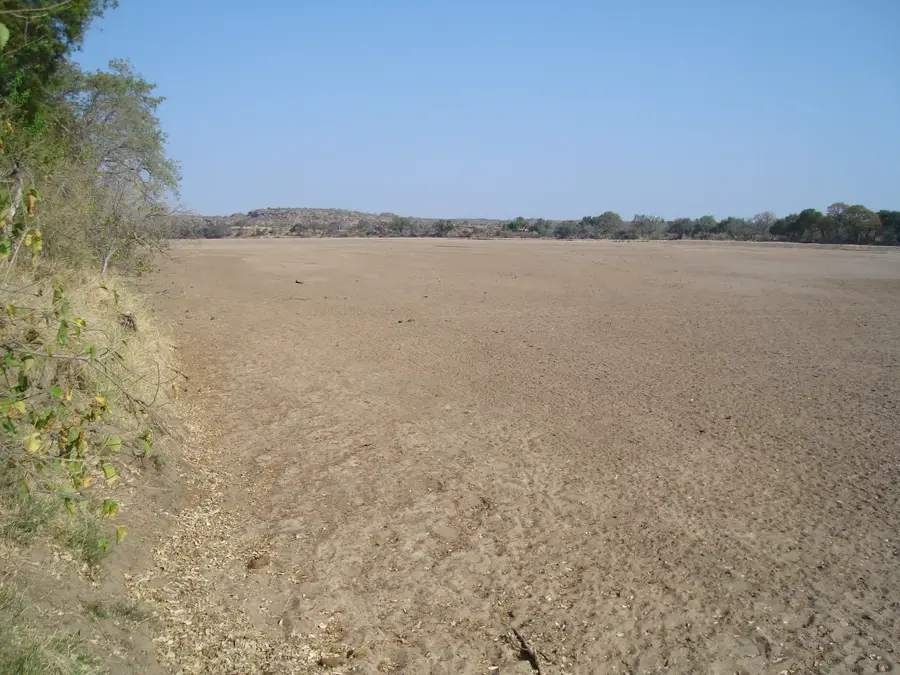
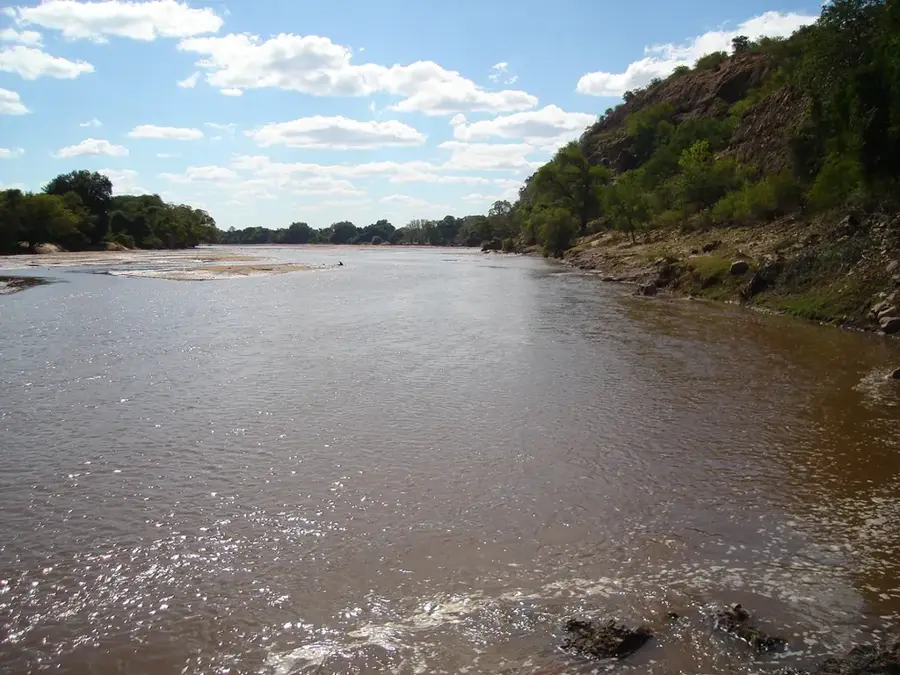
Nature
More places