Plizio Visual Lab
Zvongombe Ruins

Weather…
Water temperature…
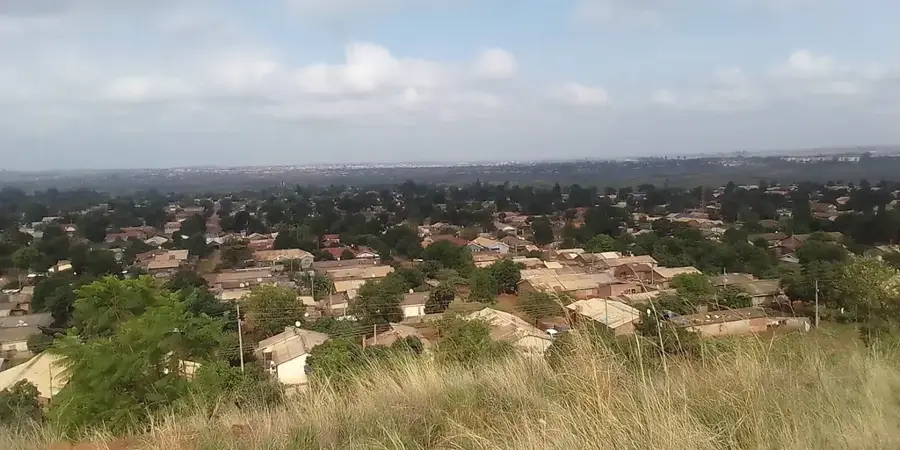
The Zvongombe Ruins are located in the Centenary district of northern Zimbabwe and represent a significant archaeological site of the Great Zimbabwe tradition. Dating from the 15th to the 16th century, the complex consists of two separate masonry enclosures built atop granite hills. Evidence suggests that Zvongombe was a major administrative or residential center for the Mutapa State during its early developmental phases. The dry-stone walls reflect the sophisticated engineering skills characteristic of the era, though on a more intimate scale than the Great Zimbabwe site. Archaeological excavations have unearthed prestigious items, including imported ceramics, indicating that the occupants were part of an extensive trade network reaching the Indian Ocean coast. Today, the ruins serve as a key resource for understanding the transition between the Great Zimbabwe and Mutapa civilizations. As a protected national monument, it provides a quiet yet profound look into the organized statehood of pre-colonial Southern Africa.
Explore on the map
How well do you know Zimbabwe?
Find cities, landscapes and regions in 10 varied challenges on the interactive map.
Your journey, your memory
A postcard from Zvongombe Ruins
Turn your own photo into a personal postcard with a local stamp. Free and no sign-up required.
Create a postcard- Location: Zimbabwe
- Nearby: Guruve (23 km)
Best time to visit & climate
The most pleasant time to visit is Apr, May, Aug.
| Jan | Feb | Mar | Apr | May | Jun | Jul | Aug | Sep | Oct | Nov | Dec | |
|---|---|---|---|---|---|---|---|---|---|---|---|---|
| Avg °C | 24 | 24 | 24 | 23 | 21 | 18 | 18 | 21 | 24 | 27 | 27 | 25 |
| Rain mm | 203 | 164 | 84 | 17 | 2 | 1 | 2 | 0 | 2 | 8 | 62 | 174 |
📋 Practical info
Geography
Facts
- The ruins date back to the 15th and 16th centuries.
- The site consists of two distinct clusters: Zvongombe North and South.
- It is located in the Centenary district, northern Zimbabwe.
- Evidence links the site to the early rulers of the Mutapa State.
- The walls were constructed using local granite without mortar.
- Excavations revealed trade goods from the Indian Ocean region.
Explore nearby
Notable places around
Route planner — Car & Motorhome
Where do you start? We build the route here, with stops and country notes along the way.
© OpenStreetMap contributors · OpenRouteService
Sights nearby
Frequently asked questions
What exactly are the Zvongombe ruins?
Are the ruins easy to find?
What precautions should be taken?
When is the best time for an excursion?
Is this site very crowded?
Zvongombe Ruins: where is it located?
Zvongombe Ruins: when is the best time to visit?
Zvongombe Ruins: why is it worth visiting?
Nearby cities

Nature
More places