Plizio Visual Lab
Kafue Bridge
Weather…
Water temperature…
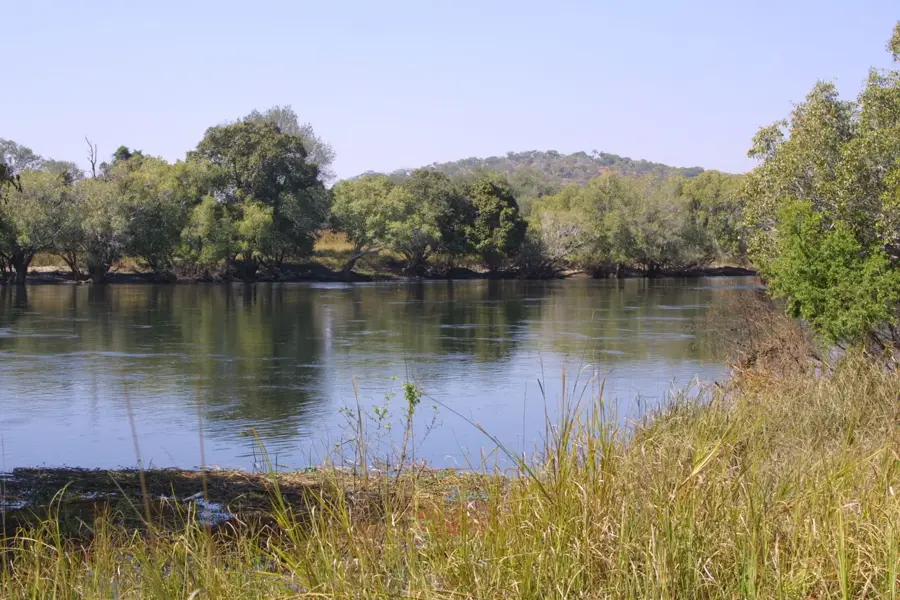
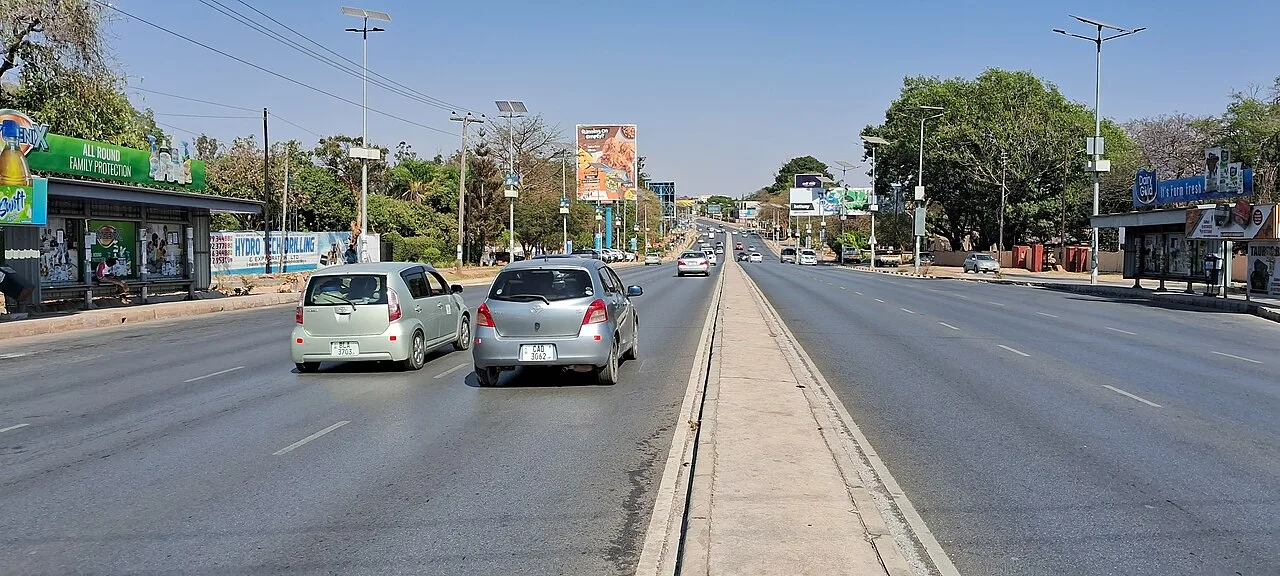
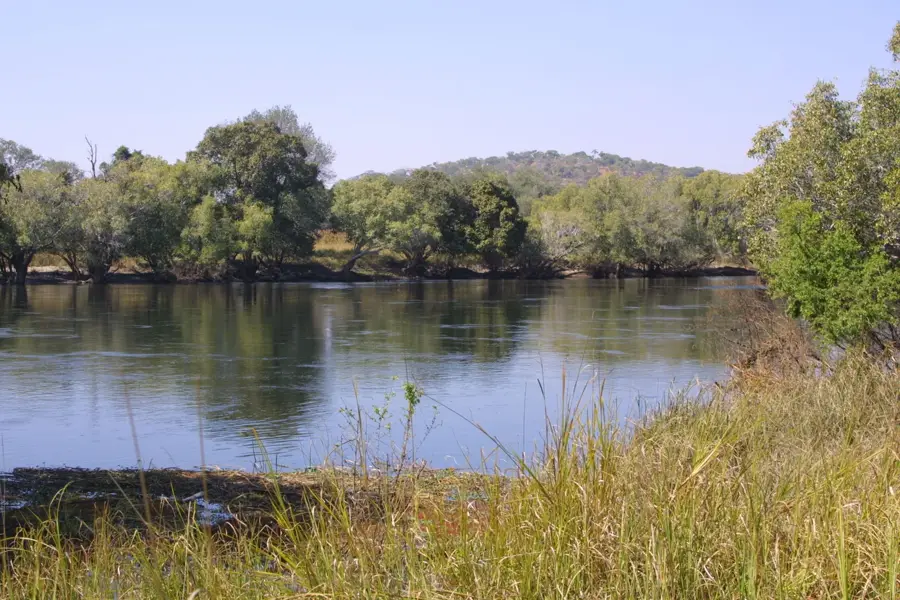
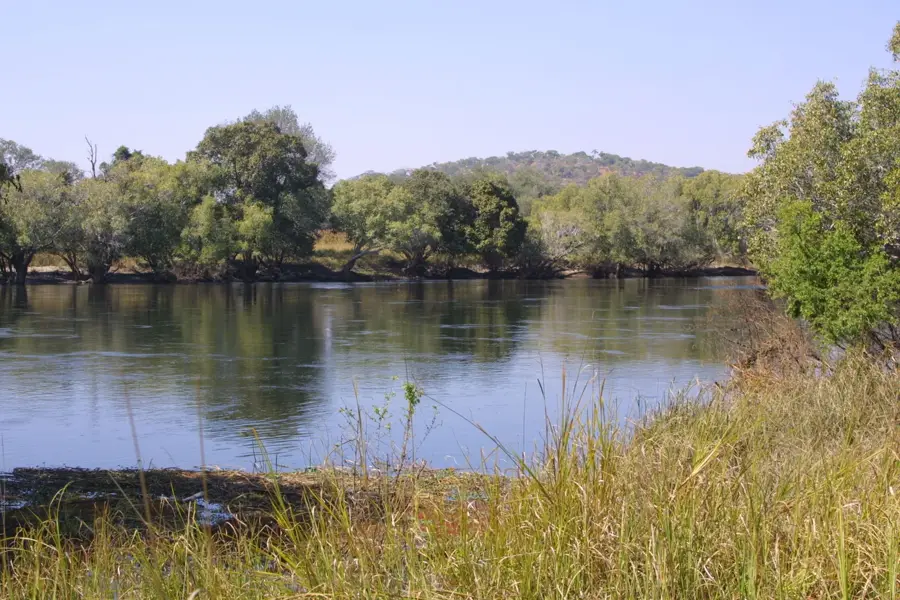
Kafue Bridge is an essential piece of infrastructure in Zambia, spanning the mighty Kafue River south of Lusaka. The history of bridges at this site dates back to 1906, when the first railway bridge was completed to facilitate the colonial expansion northward. The current road bridge is a key component of the T2 highway (Great North Road), providing a vital link between the capital, the Southern Province, and neighboring Zimbabwe. Engineering-wise, it is a robust steel and concrete structure capable of supporting heavy traffic, including the massive trucks transporting copper for export. The bridge plays a pivotal role in Zambia's economy and regional trade within the Southern African Development Community (SADC). Beyond its functional importance, the bridge features views of the Kafue Flats, an ecologically significant wetland area. Due to high traffic volumes and the age of the structure, it has undergone extensive rehabilitation works in recent years. It remains a strategic bottleneck and a symbol of national connectivity and logistics.
Explore on the map
How well do you know Zambia?
Find cities, landscapes and regions in 10 varied challenges on the interactive map.
Your journey, your memory
A postcard from Kafue Bridge
Turn your own photo into a personal postcard with a local stamp. Free and no sign-up required.
Create a postcard- Location: Zambia
- Nearby: Mazabuka (53 km)
Best time to visit & climate
The most pleasant time to visit is Apr, May, Aug.
| Jan | Feb | Mar | Apr | May | Jun | Jul | Aug | Sep | Oct | Nov | Dec | |
|---|---|---|---|---|---|---|---|---|---|---|---|---|
| Avg °C | 23 | 23 | 23 | 22 | 20 | 18 | 18 | 20 | 24 | 27 | 27 | 24 |
| Rain mm | 183 | 133 | 95 | 28 | 3 | 1 | 1 | 0 | 1 | 11 | 74 | 189 |
📋 Practical info
Geography
Facts
- The first railway bridge at this site was built in 1906
- It crosses the Kafue River, a major tributary of the Zambezi
- The bridge is part of the T2 highway (Great North Road)
- It connects Lusaka with the border of Zimbabwe at Chirundu
- It is located approximately 45 kilometers south of Lusaka
- Rehabilitation works were completed between 2012 and 2015
Explore nearby
Notable places around
Route planner — Car & Motorhome
Where do you start? We build the route here, with stops and country notes along the way.
© OpenStreetMap contributors · OpenRouteService
Sights nearby
Frequently asked questions
Is Kafue Bridge a tourist attraction?
Can you stop on the bridge?
Is there a viewpoint?
What is special about the Kafue River?
When is the best time to visit?
Kafue Bridge: where is it located?
Kafue Bridge: when is the best time to visit?
Kafue Bridge: why is it worth visiting?
Nearby cities
History & landmarks

Nature
More places