Plizio Visual Lab
Glacier National Park
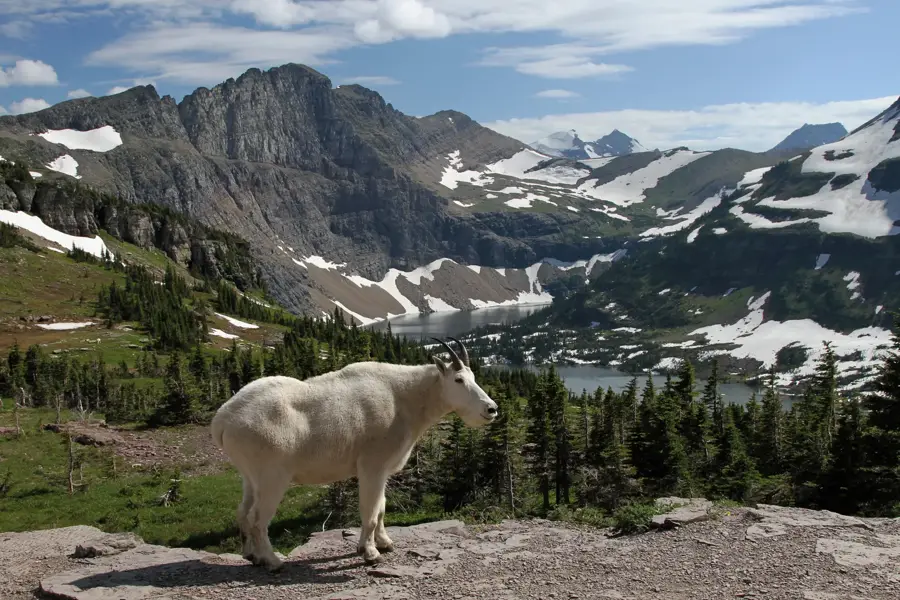
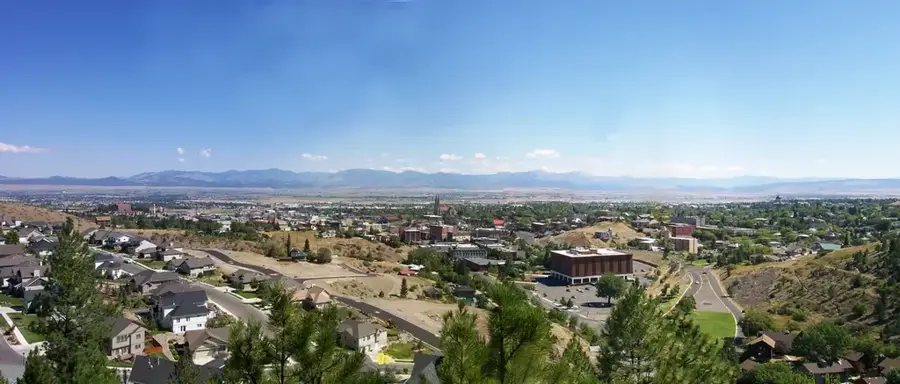
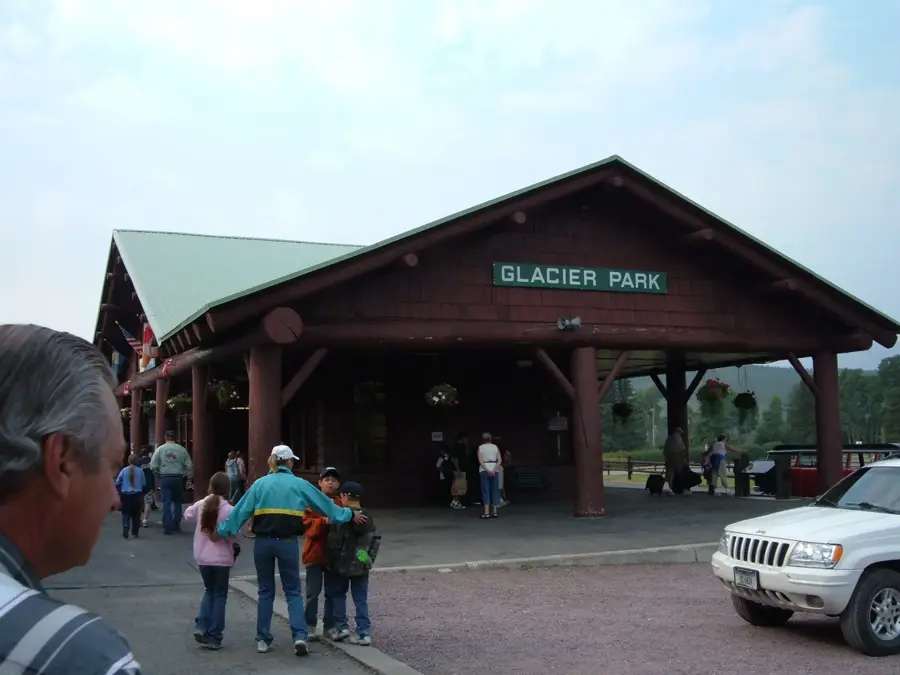
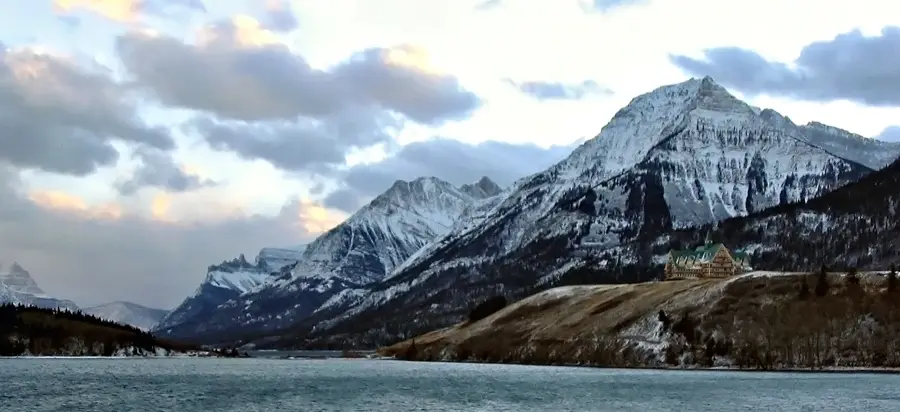
Glacier National Park, located in northern Montana, is often referred to as the 'Crown of the Continent.' Established on May 11, 1910, the park covers over 1 million acres of land along the Canadian border. Together with Canada's Waterton Lakes National Park, it forms the world's first International Peace Park. The geography is characterized by the rugged peaks of the Rocky Mountains, over 130 named lakes, and the remnants of massive glaciers that carved the valleys during the last Ice Age. A highlight for visitors is the Going-to-the-Sun Road, a 50-mile engineering marvel that crosses the Continental Divide at Logan Pass. The park is a vital stronghold for species such as mountain goats, grizzly bears, and lynx. Climate change has significantly impacted the park's namesake features; of the estimated 150 glaciers present in 1850, only about 25 remain active today. As a UNESCO World Heritage site, it remains a premier destination for backcountry hiking and experiencing high-alpine ecosystems and turquoise glacial waters like Lake McDonald.
Explore on the map
How well do you know United States?
Find cities, landscapes and regions in 10 varied challenges on the interactive map.
Your journey, your memory
A postcard from Glacier National Park
Turn your own photo into a personal postcard with a local stamp. Free and no sign-up required.
Create a postcard- Location: United States
- Highlights: McPartland Mountain · Heavens Peak · Red Rocks
- Nearby: East Glacier Park Village (33 km)
Best time to visit & climate
The most pleasant time to visit is Jul–Sep.
| Jan | Feb | Mar | Apr | May | Jun | Jul | Aug | Sep | Oct | Nov | Dec | |
|---|---|---|---|---|---|---|---|---|---|---|---|---|
| Avg °C | -9 | -9 | -5 | 0 | 6 | 10 | 15 | 14 | 9 | 2 | -4 | -9 |
| Rain mm | 66 | 58 | 70 | 71 | 88 | 111 | 36 | 43 | 55 | 62 | 76 | 67 |
📋 Practical info
Geography
Facts
- Established on May 11, 1910, by President William Howard Taft.
- The park contains over 700 miles (1,100 km) of hiking trails.
- Home to over 130 named lakes within its borders.
- Only about 25 glaciers remain of the 150 present in 1850.
- The Going-to-the-Sun Road was completed in 1932.
- Joined with Waterton Lakes in 1932 to form a Peace Park.
Explore nearby
Notable places around
Route planner — Car & Motorhome
Where do you start? We build the route here, with stops and country notes along the way.
© OpenStreetMap contributors · OpenRouteService
Sights in the town Glacier National Park (6)
Sights nearby
Frequently asked questions
Is the 'Going-to-the-Sun Road' open?
Do I need reservations for the road?
Are there grizzly bears in the park?
When is the best time for hiking?
Are there accommodations nearby?
Glacier National Park: where is it located?
Glacier National Park: what is there to see?
Glacier National Park: when is the best time to visit?
Glacier National Park: why is it worth visiting?

Nearby cities