Plizio Visual Lab

Gulf of Mexico
Plizio editorial teamData Sources
Sea
—°
Gulf of Mexico (United States)

Weather…

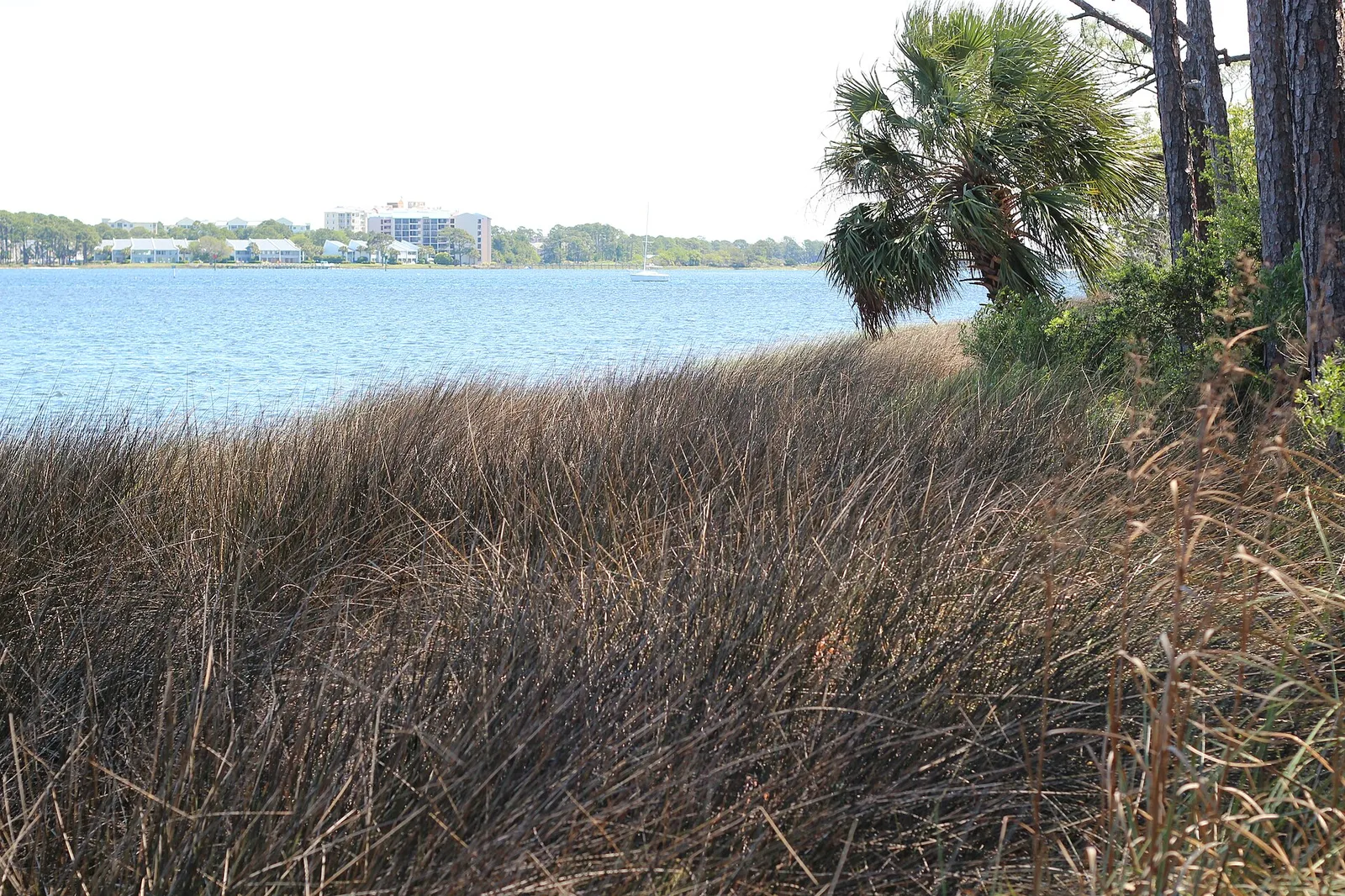
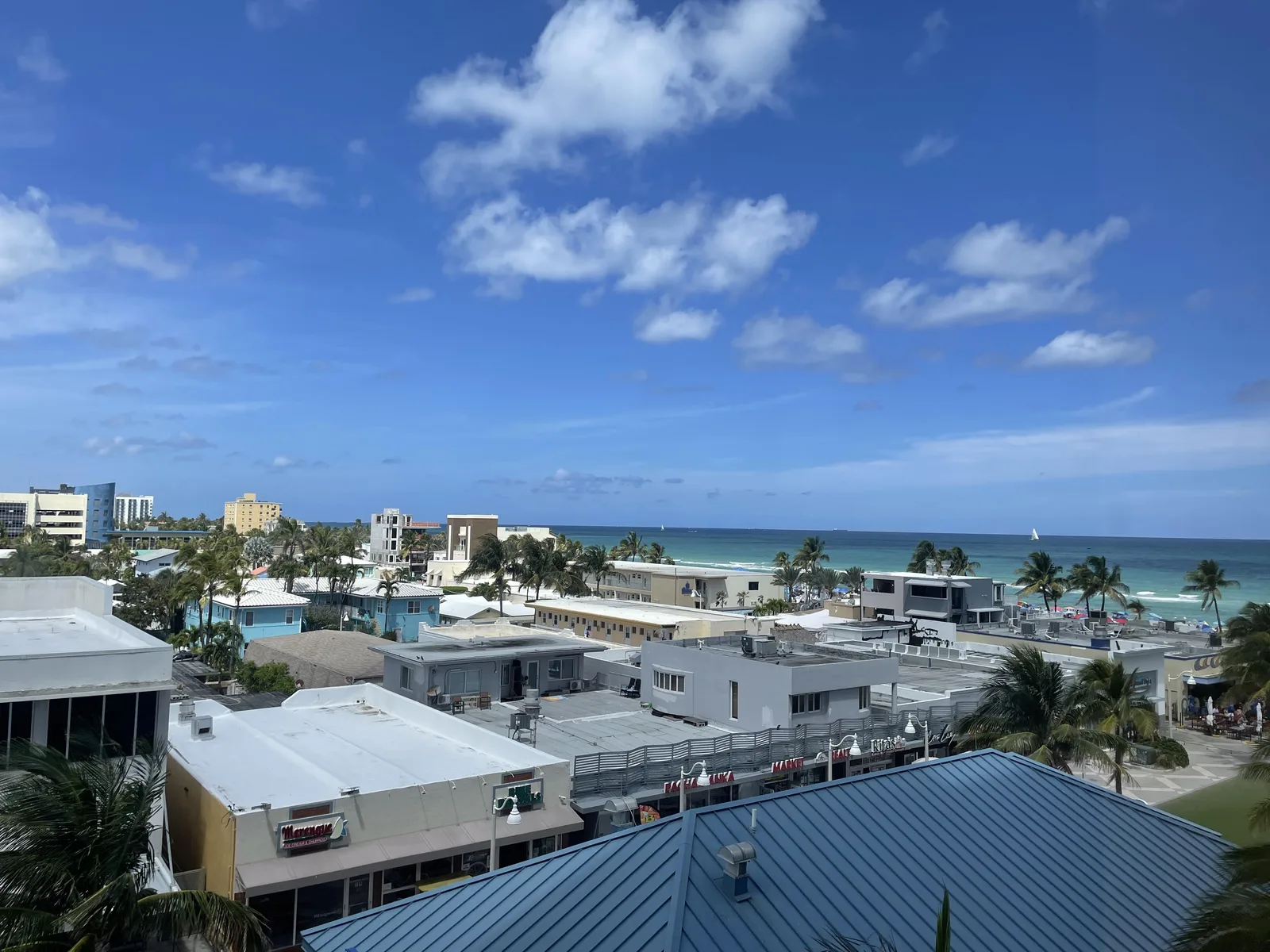
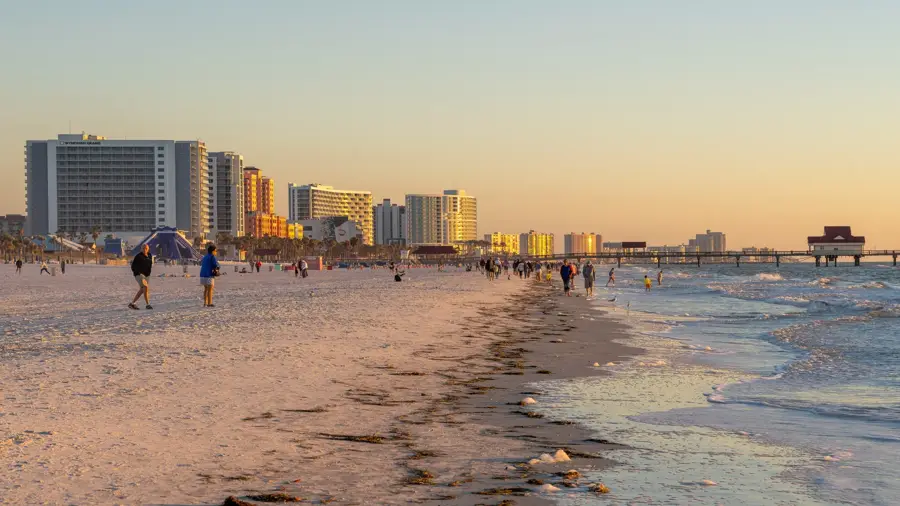
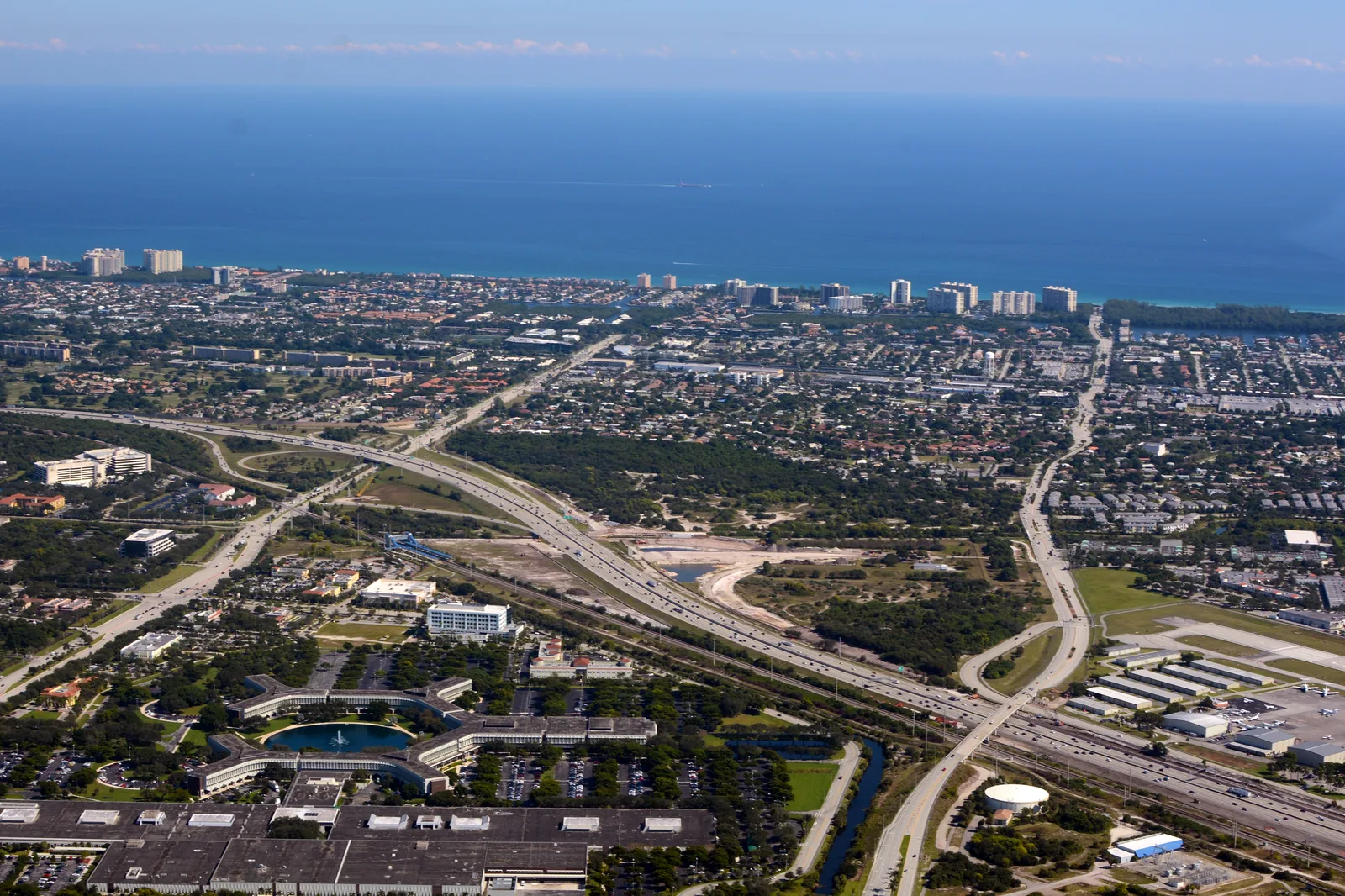
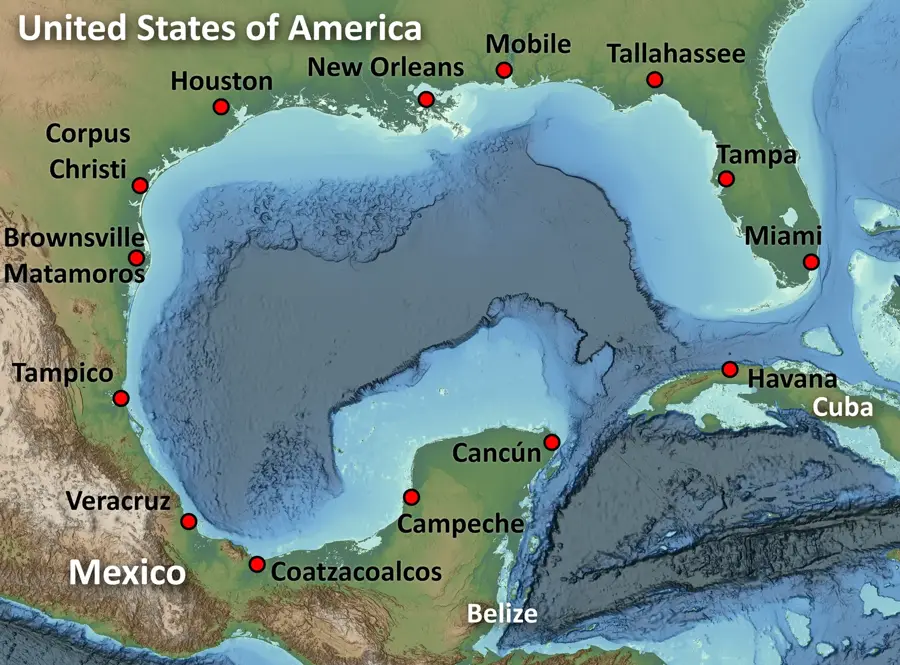
The Gulf of Mexico is a massive, incredibly diverse ocean basin bordered by the United States, Mexico, and Cuba, encompassing an expansive area of over 600,000 square miles. It serves as a formidable engine for the global climate, heavily influencing weather patterns across North America through the powerful Gulf Stream current. The basin is an absolute ecological treasure, harboring extensive coral reefs, massive coastal wetlands, and crucial breeding grounds for thousands of marine species, including the endangered Kemp's ridley sea turtle. Economically, it is a titanic powerhouse, yielding massive quantities of offshore oil and natural gas, while simultaneously supporting a multi-billion-dollar commercial fishing industry heavily dependent on shrimp and menhaden.

Best time to visit & climate

The most pleasant time to visit is Jan–Mar.

JanFebMarAprMayJunJulAugSepOctNovDec
Avg °C222324252628292929272524
Rain mm795959545810981105139986267

📋 Practical info

🧭
Getting there
The Gulf of Mexico is accessible via thousands of miles of coastline, primarily accessed from major US states like Florida, Alabama, Mississippi, Louisiana, and Texas. Visitors can reach its shores through numerous state parks, public beaches, and coastal highways like US Route 90.
📅
Best season
Spring and fall offer the most comfortable weather for enjoying the Gulf Coast, avoiding the extreme heat and high humidity of summer. Travelers should be acutely aware of the Atlantic hurricane season, which runs from June to November and can severely impact travel plans.
⛰️
Terrain & paths
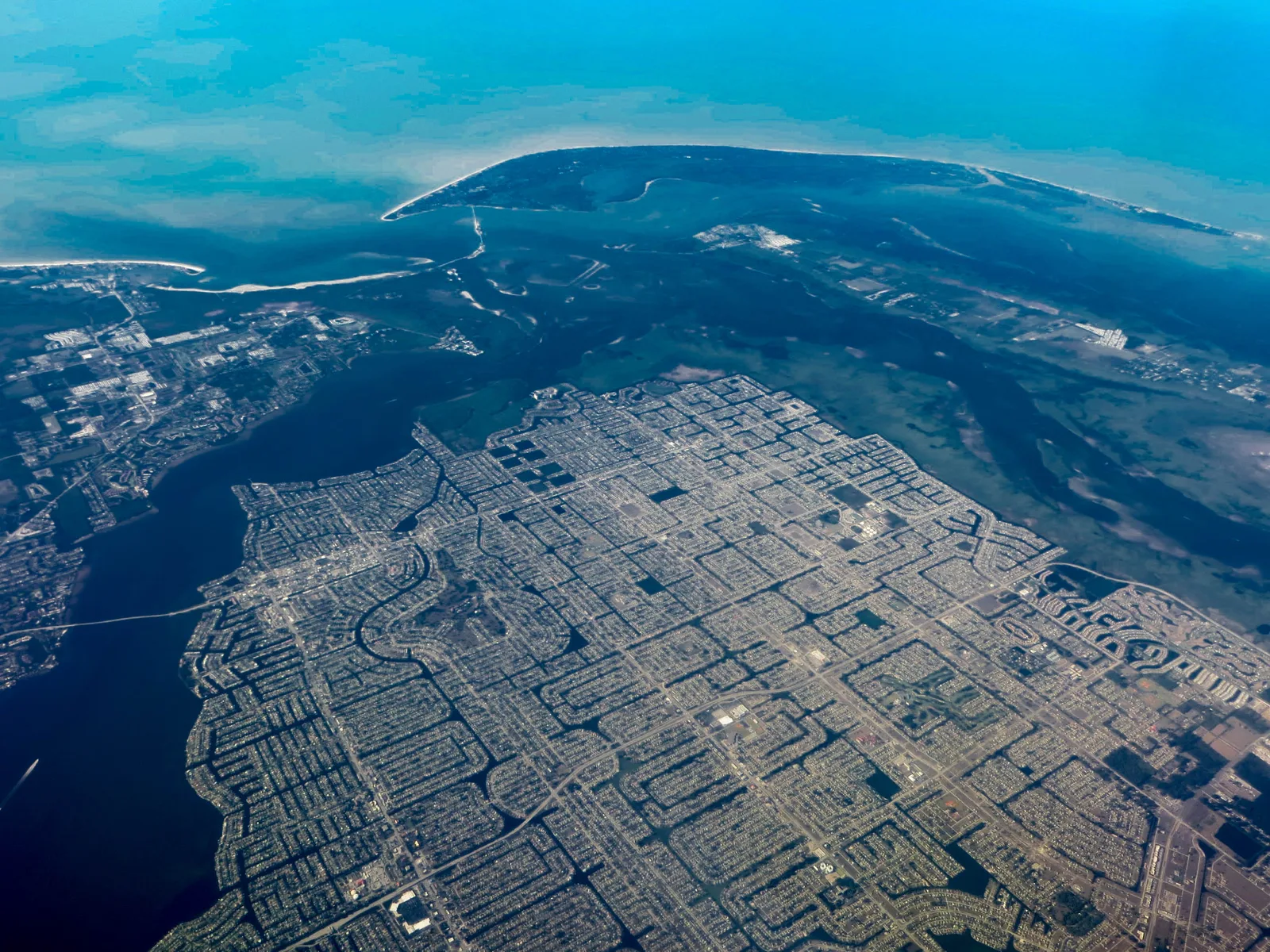
The terrain varies dramatically along the coast, featuring sugar-white sand beaches in Florida and Alabama, to complex marshlands and bayous in Louisiana. Regardless of the area, the immediate coastal terrain is typically flat, making access and general walking relatively straightforward.
🎒
What to bring
Essential gear heavily depends on your specific destination, but general coastal visits require strong sunblock, a wide hat, and beachwear. If exploring the marshlands or nature reserves, high-quality insect repellent and waterproof walking shoes are absolute necessities.
🅿️
Parking
Extensive parking infrastructure is standard across most public beaches, state parks, and coastal communities lining the Gulf of Mexico. Note that in popular resort towns during spring break or summer holidays, prime parking spaces require arriving very early in the morning.
⚠️
Safety
Marine safety involves watching for rip currents, which are common and clearly indicated by colored beach flags in supervised areas. Sunburn, heat exhaustion, and sudden afternoon thunderstorms are prevalent environmental hazards that demand constant awareness.
⏱️
Time needed
Travelers can easily spend anywhere from a half-day at a local beach to multiple weeks road-tripping along the entire coastal stretch. A typical vacation focused on the Gulf Coast generally spans five to seven days to fully enjoy the beaches and local seafood cuisine.

Geography

Coordinates
25.00000, -85.00000

Facts

  • Covers a massive area of approximately 615,000 square miles.
  • The Sigsbee Deep is the lowest point at 14,383 feet.
  • Drives the powerful Gulf Stream, influencing global climate.
  • Yields over 15 percent of total U.S. crude oil production.
  • A critical habitat for the endangered Kemp's ridley sea turtle.
  • Supports a massive multi-billion-dollar commercial seafood industry.

Explore nearby

Notable places around
Route planner — Car & Motorhome

Where do you start? We build the route here, with stops and country notes along the way.

Vehicle
Only stops with (optional):

© OpenStreetMap contributors · OpenRouteService

Sights nearby

Frequently asked questions

Which region is most popular?
The Florida beaches on the Gulf are world-famous.
What is the water temperature?
Very warm, usually over 25C in the summer.
Is there hurricane risk?
Yes, from June through November caution is advised.
Is it good for fishing?
Excellent, both from boat and pier.
Are there dangerous animals?
Jellyfish and in some areas sharks or alligators in estuaries.
Gulf of Mexico: where is it located?
Gulf of Mexico is located in United States.
Gulf of Mexico: when is the best time to visit?
The most pleasant time to visit is Jan, Mar.
Gulf of Mexico: why is it worth visiting?
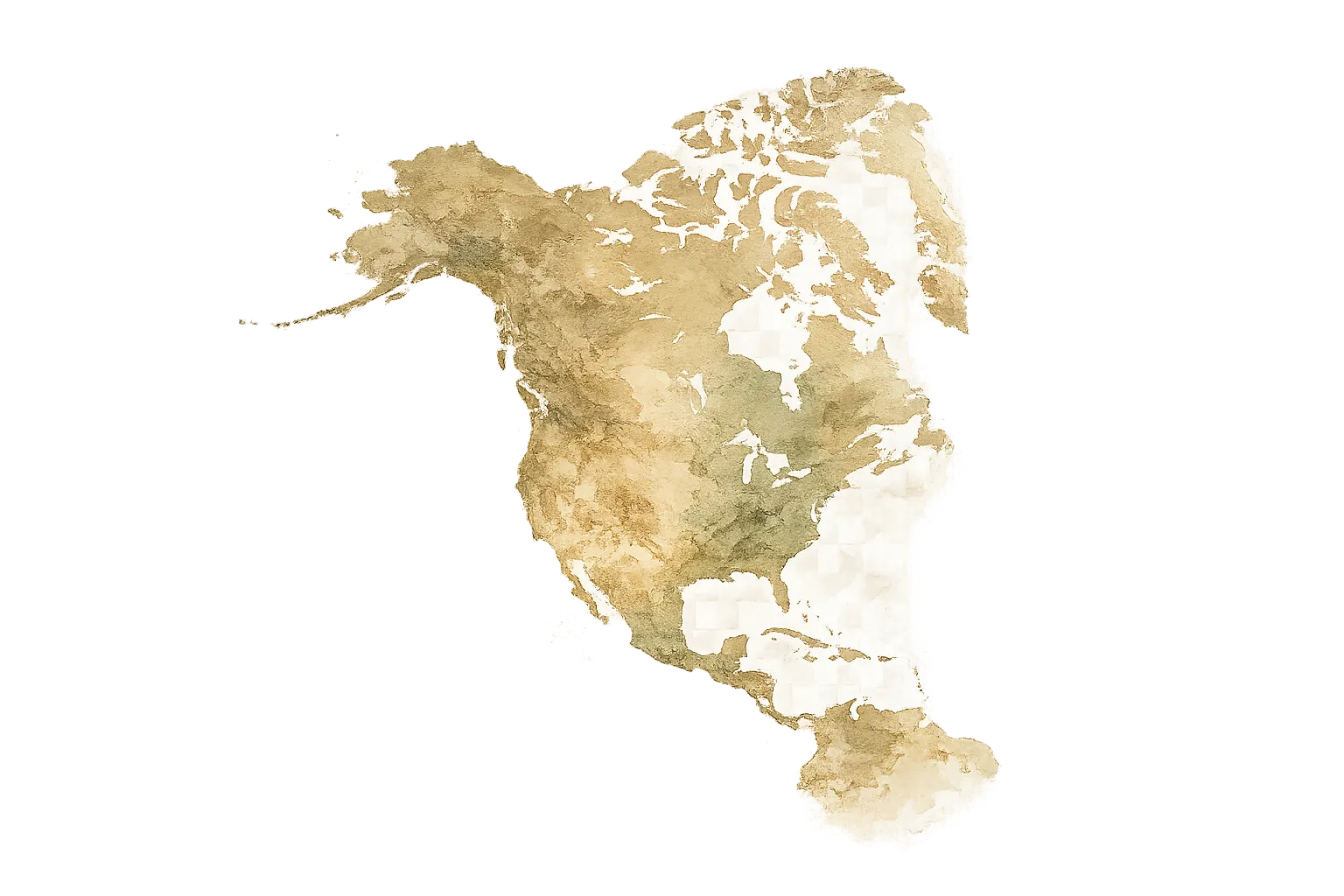
The Gulf of Mexico is a massive, incredibly diverse ocean basin bordered by the United States, Mexico, and Cuba, encompassing an expansive area of over 600,000 square miles.
View on map → The Top 50 Attractions → OpenStreetMap →
North America
Explore with Plizio Discover more places in North America
More places in United States →

Nearby cities