Plizio Visual Lab

Queguay River
Plizio editorial teamData Sources
River
—°10
Queguay River (Uruguay)

Weather…

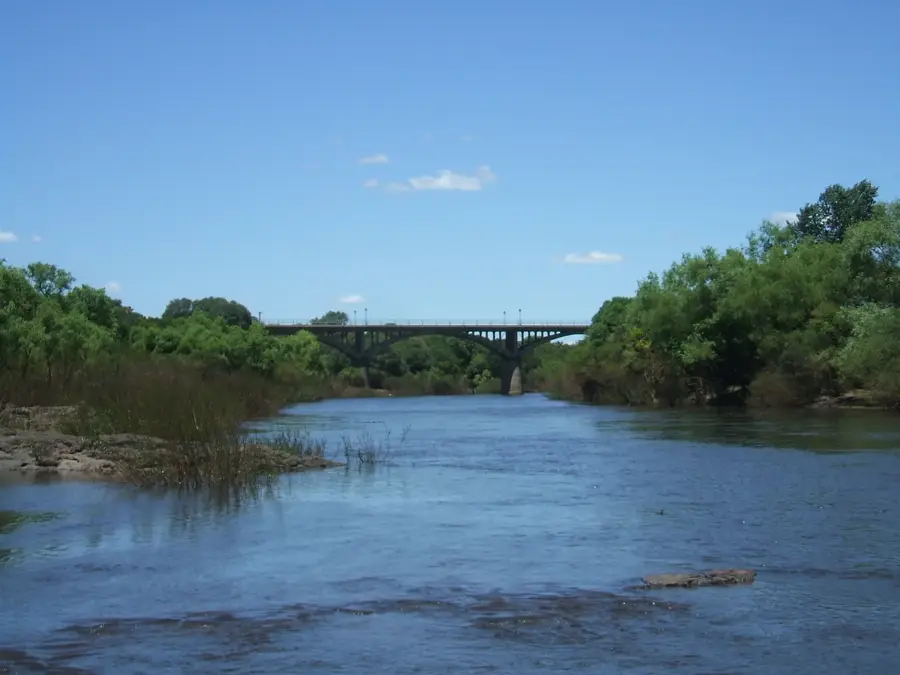
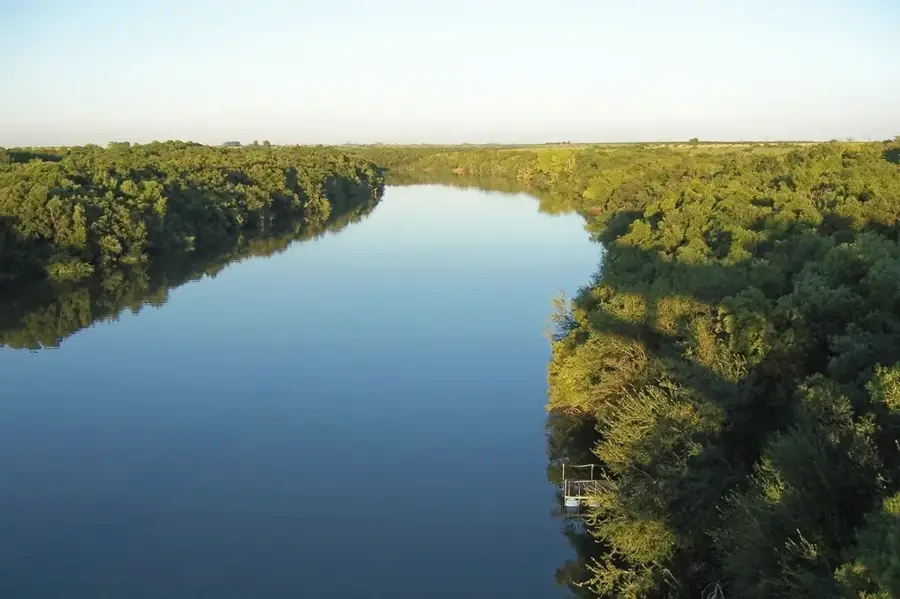
The Queguay River is another significant tributary of the Uruguay River, flowing entirely within the Paysandú Department. It has a length of approximately 280 kilometers, making it one of the longest rivers that run exclusively within Uruguayan territory. Its source is in the Cuchilla de Haedo, and it meanders westward through a landscape dominated by cattle ranching and agriculture. In 2014, a large area around the river, known as Montes del Queguay, was incorporated into the National System of Protected Areas (SNAP). This protected area covers around 50,000 hectares and safeguards one of the country's largest assemblages of gallery forests. These forests are crucial for biodiversity conservation, including endangered species like the giant otter and the marsh deer. The name 'Queguay' also has Guaraní origins and is often interpreted as 'river where dreams converge'.

Best time to visit & climate

The most pleasant time to visit is Mar, Apr, Nov.

JanFebMarAprMayJunJulAugSepOctNovDec
Avg °C262522191512111315182124
Rain mm12814812514810067508492145124137

📋 Practical info

🧭
Getting there
Visitors normally access the area through established regional routes leading to riverside communities, where local guides or boat operators facilitate exploration.
📅
Best season
Planning a trip outside the peak rainy season is strongly recommended to avoid heavy downpours, ensuring a much more relaxed and thoroughly enjoyable excursion.
⛰️
Terrain & paths
Trails around the area are typically informal and unmaintained, requiring moderate physical agility to properly navigate exposed roots, loose stones, and damp mud.
🎒
What to bring
It is highly recommended to bring a fully charged camera for wildlife observation, while wearing closed-toe shoes and carrying a basic first aid kit for safety.
🅿️
Parking
Travelers arriving by car should aim to park near established commercial centers in the closest town, ensuring their vehicles are left in a visible, secure area.
⚠️
Safety
Common sense dictates staying on the clearly visible paths, checking local weather forecasts to anticipate floods, and continuously monitoring your surroundings.
⏱️
Time needed
Depending on specific interests such as intensive birdwatching, a visit here typically lasts anywhere from a couple of hours to a deeply rewarding full afternoon.

Geography

Coordinates
-32.15000, -58.15000

Facts

  • The river has a length of approximately 280 kilometers.
  • It flows entirely within the Paysandú Department.
  • The Montes del Queguay protected area was established in 2014.
  • The protected area covers around 50,000 hectares.
  • It is home to endangered species like the giant otter.
  • The name 'Queguay' is of Guaraní origin.

Explore nearby

Notable places around

Route planner — Car & Motorhome

Where do you start? We build the route here, with stops and country notes along the way.

Vehicle
Only stops with (optional):

© OpenStreetMap contributors · OpenRouteService

Sights in the town Queguay River (10)

Molino Forclaz🏛 museum

This historic Dutch-style windmill, built by Swiss immigrants in the late 19th century, now serves as an open-air museum.

Museo Històrico Regional de la Colonia de San José🏛 museum

This museum preserves the heritage of the first European settlers in the San José colony through antique agricultural tools and personal artifacts.

Museo de Ciencias Naturales Guillermo Goméz Cadret🏛 museum

This natural science museum displays collections of local taxidermy, fossils, and geological specimens from the Uruguay River basin.

Playa Sur Balneario San José🎡 recreation

This southern sandy riverbank of the San José resort features calm waters and shaded areas for family picnics.

🕒 Mo-Su 14:00-20:00

Reserva Natural Balneario San José🌿 nature

Situated along the river, this protected natural area preserves native gallery forests and features scenic trails for birdwatching.

Termas San José🎡 recreation

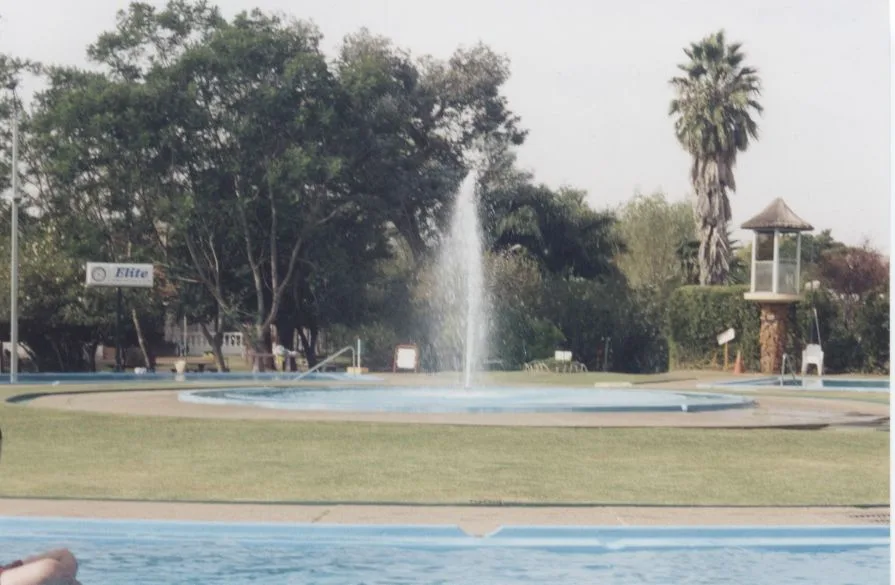
This recreational thermal complex features multiple outdoor and indoor pools equipped with hydro-massage features.

Playa Balneario San José🎡 recreation

Characterized by its wide expanse of golden sand, this popular river beach is a summer hub for sunbathing and water sports.

Santa María📍 landmark

This small rural chapel provides a tranquil worship space surrounded by the natural landscapes of the San José region.

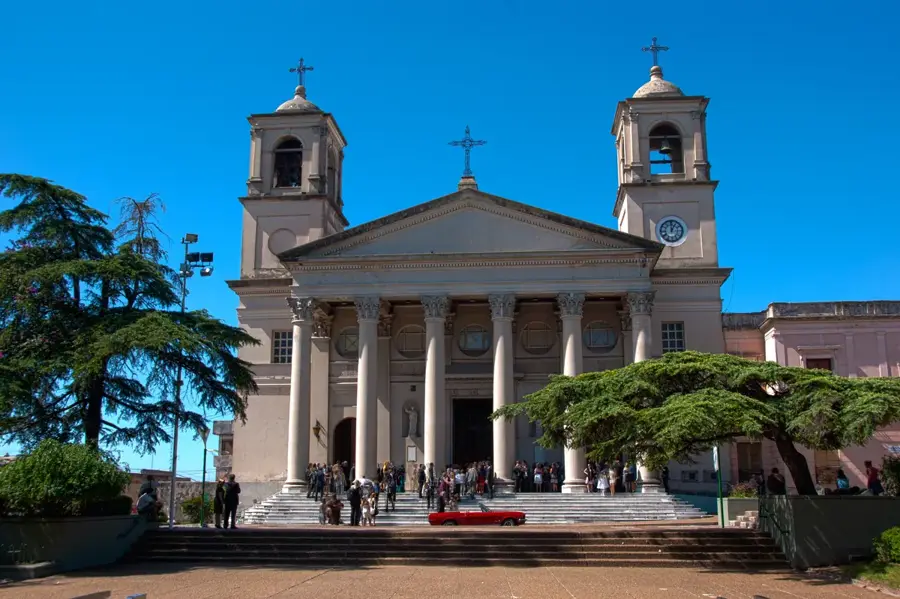
Parroquia San José📍 landmark

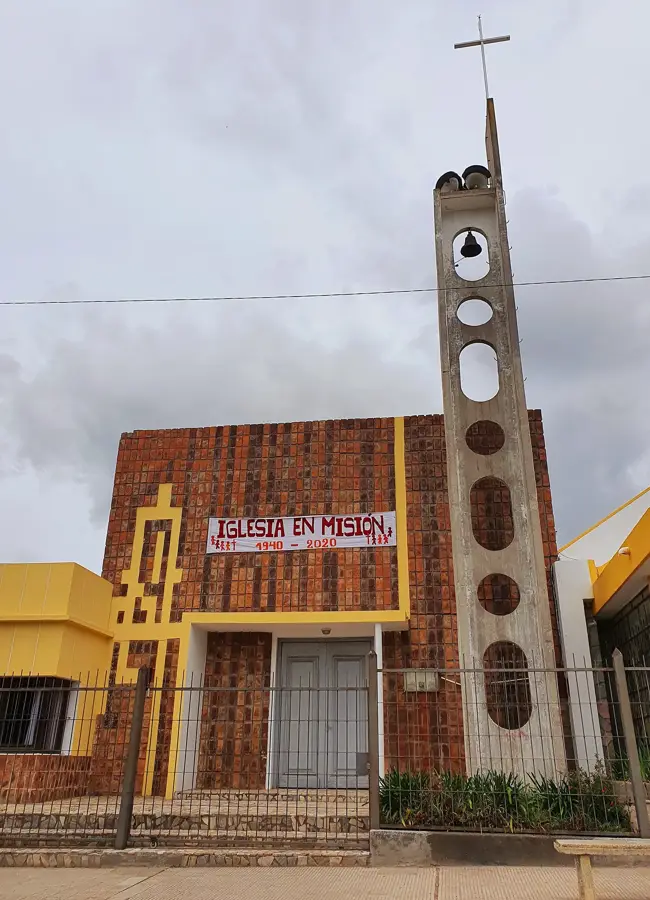
Located in the heart of the community, this Catholic parish church features a distinct bell tower and classical religious art.

Sagrado Corazón de Jesús📍 landmark

Dedicated to the Sacred Heart of Jesus, this local church serves as a center for regular mass and spiritual fellowship.

Sights nearby

Frequently asked questions

Is the Río Queguay a nature reserve?
Yes, parts of the river are part of an important nature reserve with diverse flora and fauna.
Can you kayak here?
Yes, it is a superb location for kayak expeditions as the river is very calm.
What is the best time for wildlife viewing?
Animals are most active early in the morning or just before sunset.
Are there guided tours?
Local guides are available to show visitors the nature and history of the river.
Is camping allowed by the river?
Wild camping is usually not allowed; please use the official campsites nearby.
Queguay River: where is it located?
Queguay River is located in Uruguay.
Queguay River: what is there to see?
Highlights include Molino Forclaz, Museo Històrico Regional de la Colonia de San José, Museo de Ciencias Naturales Guillermo Goméz Cadret.
Queguay River: when is the best time to visit?
The most pleasant time to visit is Mar, Apr, Nov.
Queguay River: why is it worth visiting?

The Queguay River is another significant tributary of the Uruguay River, flowing entirely within the Paysandú Department.
View on map → The Top 50 Attractions → OpenStreetMap →
South America
Explore with Plizio Discover more places in South America
More places in Uruguay →

Nearby cities

Nature

More places