Plizio Visual Lab
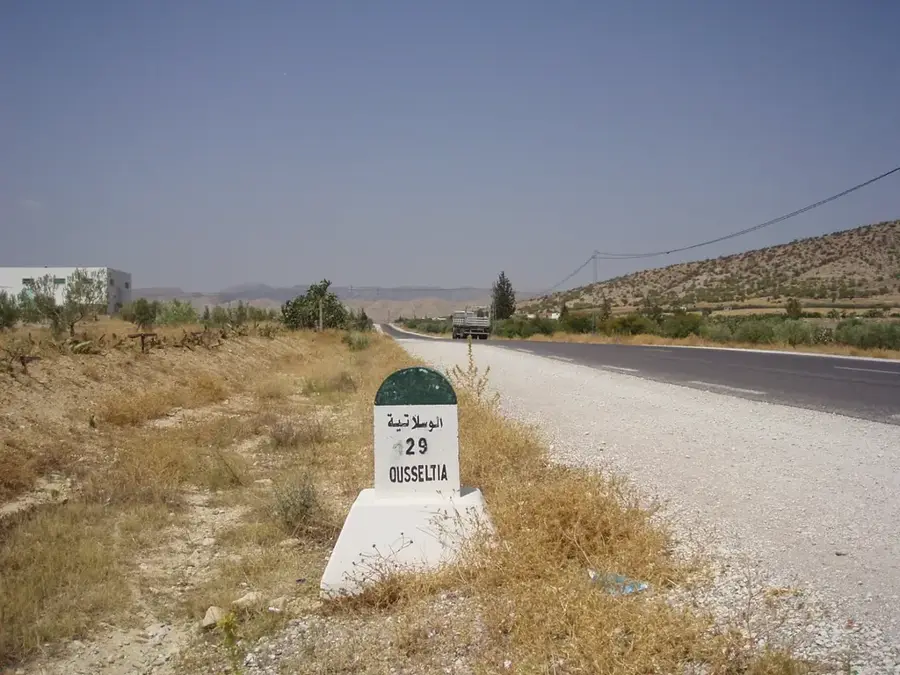
Oueslatia
ℹ️Practical info — Oueslatia
▾
🌤 Weather — 5 days
📍 Nearby
Sights nearby
💡 Tips
- Buy the famous Oueslati olive oil directly from local producers; it is highly prized for its unique fragrance.
- Hike Djebel Bargou for incredible views, but be sure to hire a local guide from the village of Ain Bousadia.
- Visit the Byzantine fortress of Ksar Lemsa, one of Tunisia's most impressive and least-visited archaeological sites.
- Visit in spring (March to May) to see the mountains covered in spectacular wildflowers.
- Try local carob products, as the hardy carob tree is a staple of the region's agriculture.
🍽 Food
A fragrant oil made from a local olive variety; try to buy it directly from an oil mill (maasra) in the area.
Look for local beekeepers selling forest and wildflower honey at roadside stalls.
The region is famous for carob; look for the dried pods or ground carob powder in local markets.
🛍 Shopping · 🧘 Quiet spots
The best place to buy bulk almonds, dried figs, and high-quality olive oil from local farmers.
Look for simple, handmade clay pots in the surrounding villages, often used for traditional cooking.
A peaceful archaeological site at the foot of the mountain, well-suited for a quiet picnic among ancient stones.
This mountain village features serene views over the agricultural plains and a very calm atmosphere.
Water temperature…
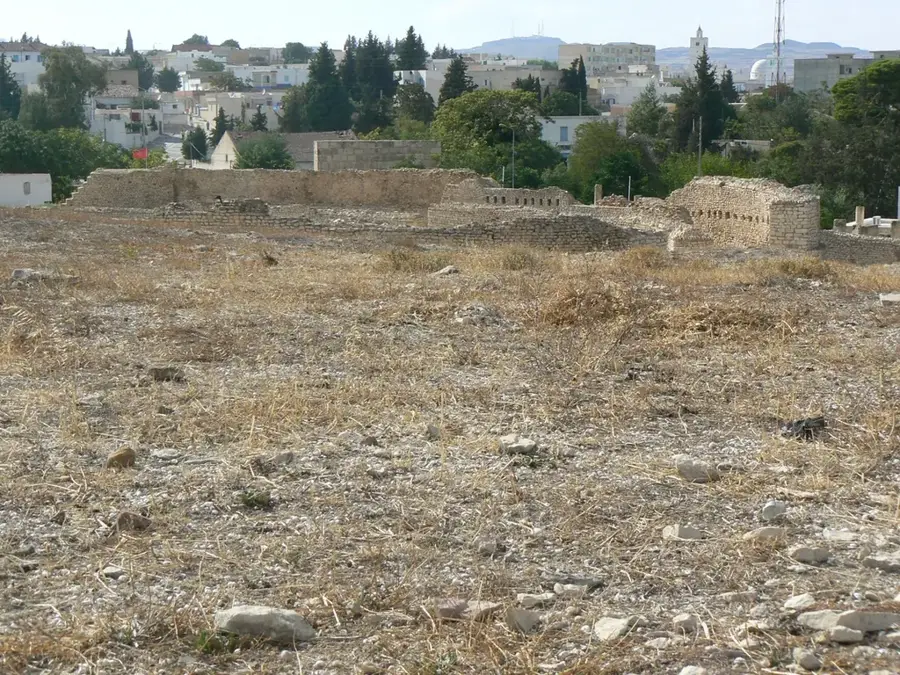
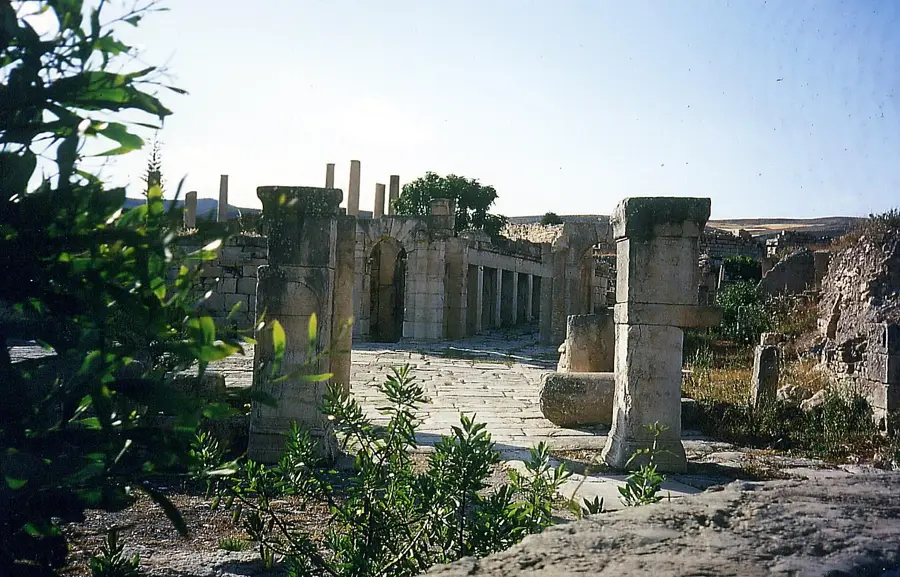
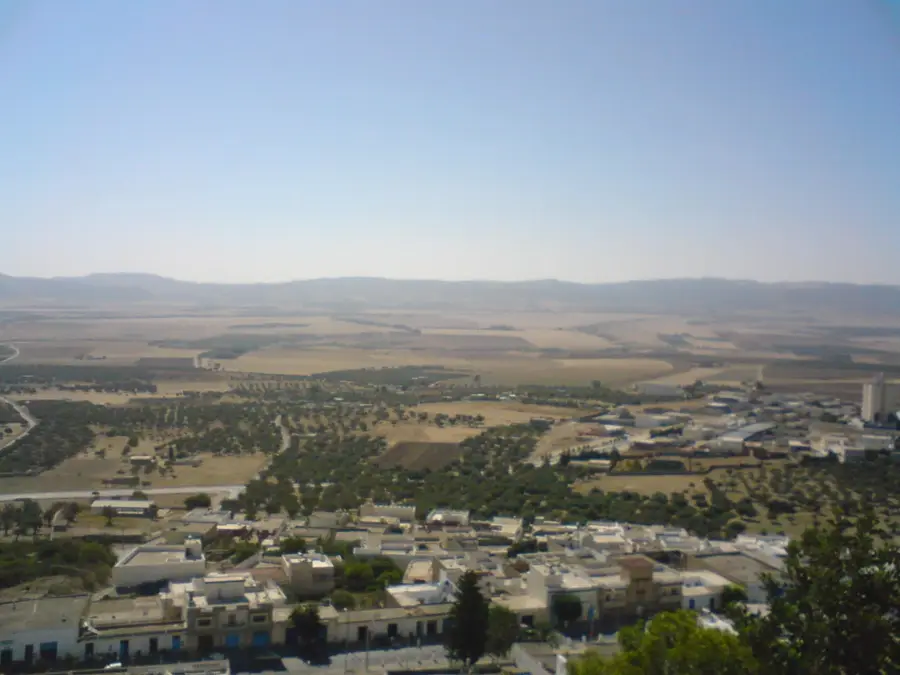
Oueslatia is a historically and geographically captivating town in the Kairouan Governorate, situated at the foot of the Djebel Ousselat in central Tunisia. The region is internationally renowned for its exceptional prehistoric heritage, particularly the rock paintings found in caves such as Aïn Khanfous, which are among the most significant in North Africa. These ancient artworks provide insight into the lives of hunter-gatherer societies that inhabited the area thousands of years ago. Historically, the town was the ancestral home of the Ousselatia Berber tribe, who were forcibly dispersed in the mid-18th century following a rebellion against the Bey of Tunis, leading to a major demographic shift. Today, Oueslatia is an agricultural center focused on olive cultivation and livestock farming. The rugged landscape surrounding the town is dotted with Roman ruins and Byzantine fortifications, highlighting its long-standing strategic importance as a mountain pass connecting the coastal plains to the interior plateaus.
Explore on the map
How well do you know Tunisia?
Find cities, landscapes and regions in 10 varied challenges on the interactive map.
Your journey, your memory
A postcard from Oueslatia
Turn your own photo into a personal postcard with a local stamp. Free and no sign-up required.
Create a postcard- Location: Tunisia
- Nearby: Makthar (34 km)
- Population: ~9.006 (2024)
Best time to visit & climate
The most pleasant time to visit is May, Jun, Sep.
| Jan | Feb | Mar | Apr | May | Jun | Jul | Aug | Sep | Oct | Nov | Dec | |
|---|---|---|---|---|---|---|---|---|---|---|---|---|
| Avg °C | 7 | 8 | 11 | 14 | 18 | 23 | 26 | 26 | 22 | 18 | 12 | 8 |
| Rain mm | 78 | 58 | 76 | 56 | 42 | 21 | 10 | 26 | 55 | 58 | 59 | 76 |
Geography
Facts
- Home to significant prehistoric rock art in the Aïn Khanfous area.
- The town takes its name from the nearby Djebel Ousselat mountains.
- Was the stronghold of the Ousselatia Berbers until their defeat in 1756.
- The surrounding area is rich in fossils and unique geological strata.
- Located approximately 60 kilometers west of the holy city of Kairouan.
- Current economic activities focus on olive farming and quarrying.
Explore nearby
Notable places around
Route planner — Car & Motorhome
Where do you start? We build the route here, with stops and country notes along the way.
© OpenStreetMap contributors · OpenRouteService
Frequently asked questions
What is special about Oueslatia?
Is Oueslatia suitable for adventurers?
Is the area culturally interesting?
When is the best time to travel?
Are there tourist accommodations there?
Oueslatia: where is it located?
Oueslatia: when is the best time to visit?
Oueslatia: why is it worth visiting?
Nearby cities
History & landmarks
More places