Plizio Visual Lab
Vrang Buddhist Stupa

Weather…
Water temperature…
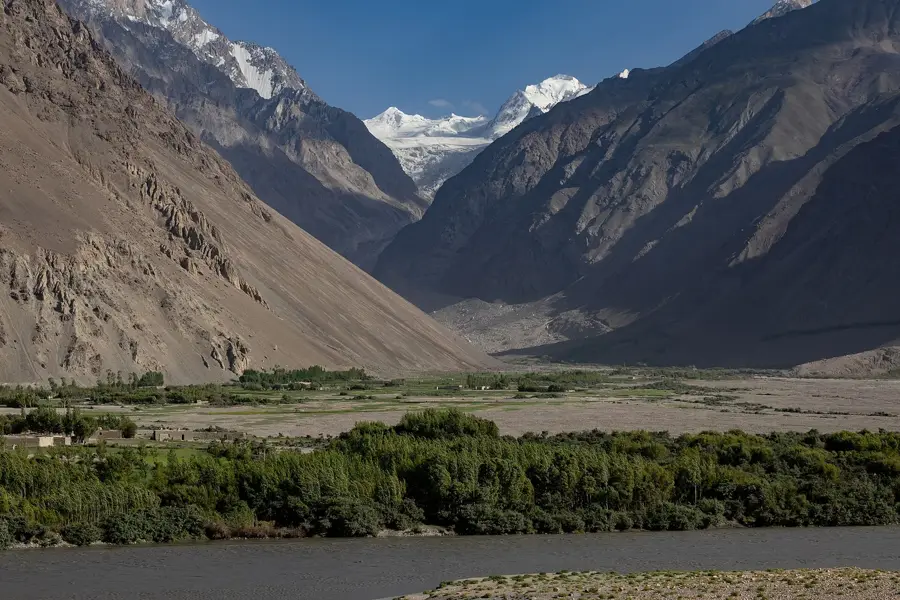
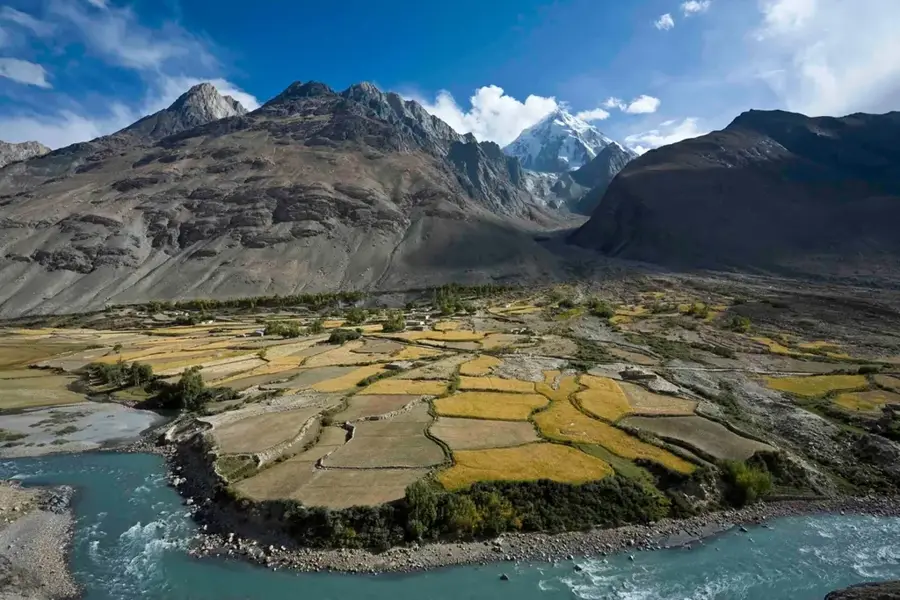
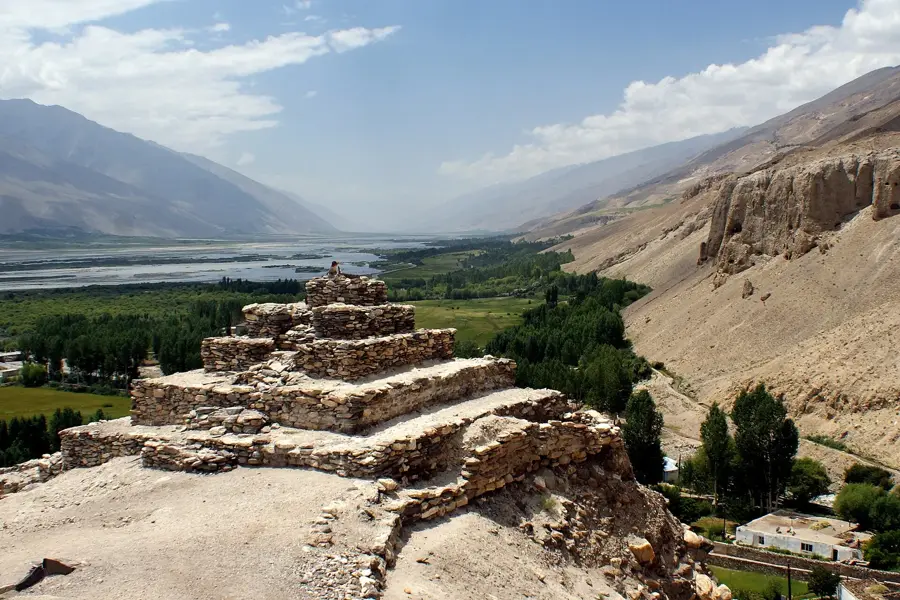
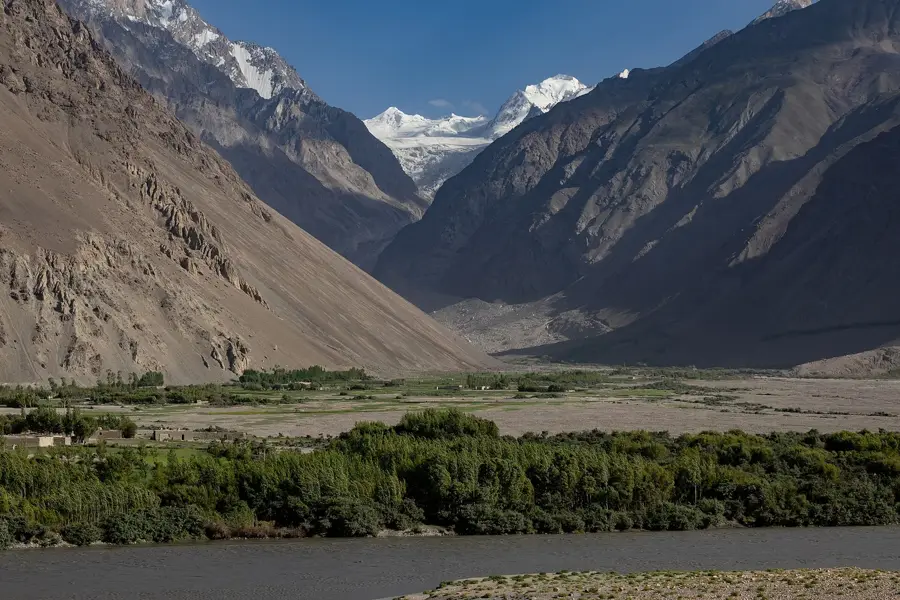
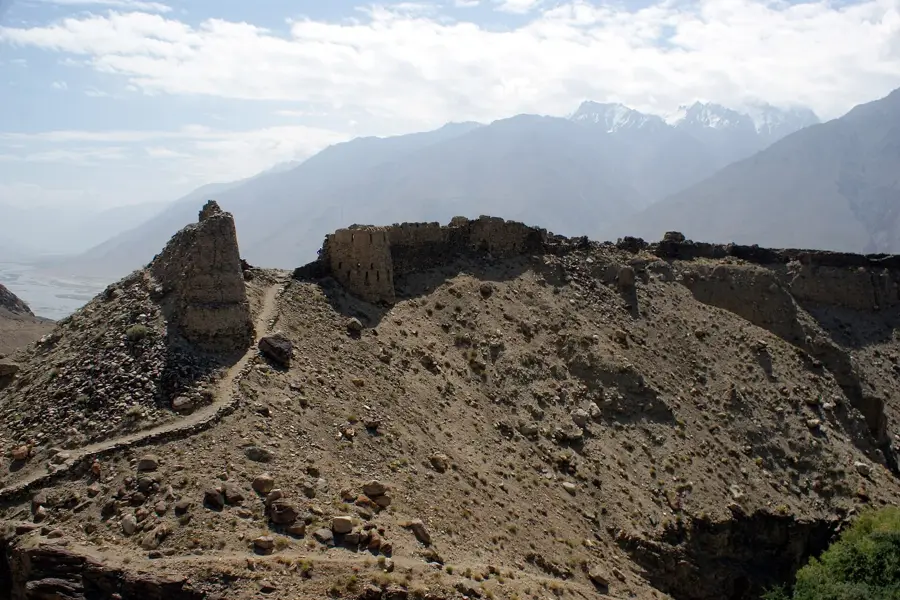
The Vrang Buddhist Stupa is perched on a high rocky outcrop in the Wakhan Valley, serving as a remarkable testament to Tajikistan's pre-Islamic religious heritage. Dating from the 4th to the 7th century AD, the structure is a unique stepped pyramid constructed from local stone and mudbrick, originally topped with a dome to house sacred relics. This stupa was the heart of a significant Buddhist monastery complex that attracted pilgrims and traders traveling along the southern branch of the Silk Road between China and India. The architectural design closely mirrors Indian Buddhist monuments, illustrating the extensive cultural and spiritual exchange between Central Asia and the Indian subcontinent during the first millennium. Archaeologists have identified numerous man-made caves nearby that were used by monks for meditation, alongside courtyards designed for ritual gatherings. Its elevated position provides sweeping panoramic views of the Panj River and the snow-capped peaks of the Hindu Kush in nearby Afghanistan. The Vrang Stupa remains an enigmatic site, highlighting the historical spread and deep influence of Buddhism into the high altitudes of the Pamir Mountains.
Explore on the map
How well do you know Tajikistan?
Find cities, landscapes and regions in 10 varied challenges on the interactive map.
Your journey, your memory
A postcard from Vrang Buddhist Stupa
Turn your own photo into a personal postcard with a local stamp. Free and no sign-up required.
Create a postcard- Location: Tajikistan
- Nearby: Ishkoshim (79 km)
Best time to visit & climate
The most pleasant time to visit is Jun–Aug.
| Jan | Feb | Mar | Apr | May | Jun | Jul | Aug | Sep | Oct | Nov | Dec | |
|---|---|---|---|---|---|---|---|---|---|---|---|---|
| Avg °C | -18 | -16 | -11 | -4 | 0 | 4 | 7 | 7 | 2 | -3 | -9 | -15 |
| Rain mm | 16 | 18 | 21 | 24 | 12 | 7 | 6 | 3 | 3 | 6 | 13 | 13 |
📋 Practical info
Geography
Facts
- Built between the 4th and 7th centuries AD in the pre-Islamic era.
- Located in the village of Vrang in the Tajik Wakhan Valley.
- The stupa is shaped like a distinct three-tiered stepped pyramid.
- Served as a vital religious center for Buddhists on the Silk Road.
- Man-made caves used by monks for meditation are found nearby.
- Constructed from local stone and sun-dried mud bricks from the valley.
Explore nearby
Notable places around
Route planner — Car & Motorhome
Where do you start? We build the route here, with stops and country notes along the way.
© OpenStreetMap contributors · OpenRouteService
Sights in the town Vrang Buddhist Stupa (1)
Sights nearby
Frequently asked questions
What is a stupa?
How old is the stupa in Vrang?
Is it suitable for wheelchair users?
Are you allowed to enter the stupa?
Are there parking spaces?
Vrang Buddhist Stupa: where is it located?
Vrang Buddhist Stupa: when is the best time to visit?
Vrang Buddhist Stupa: why is it worth visiting?
Nearby cities
History & landmarks
Nature
More places