Plizio Visual Lab
Tartus Olive Groves
Weather…
Water temperature…
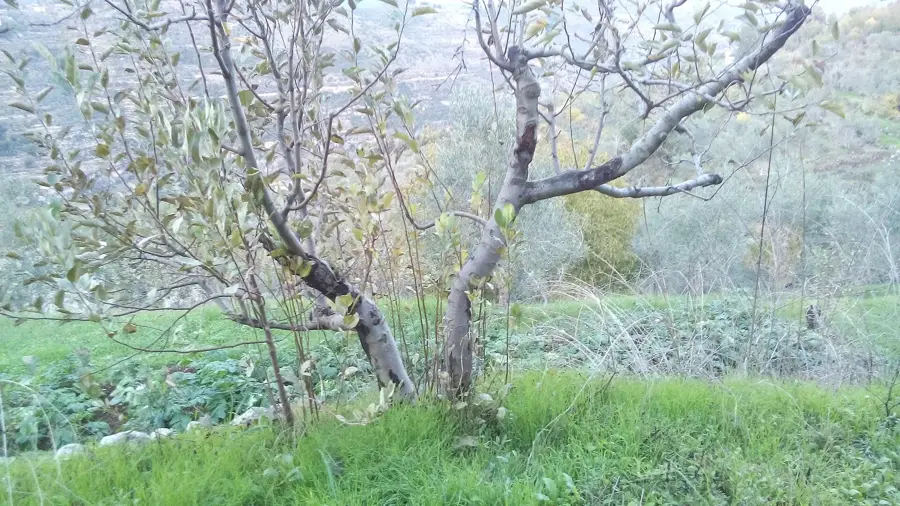
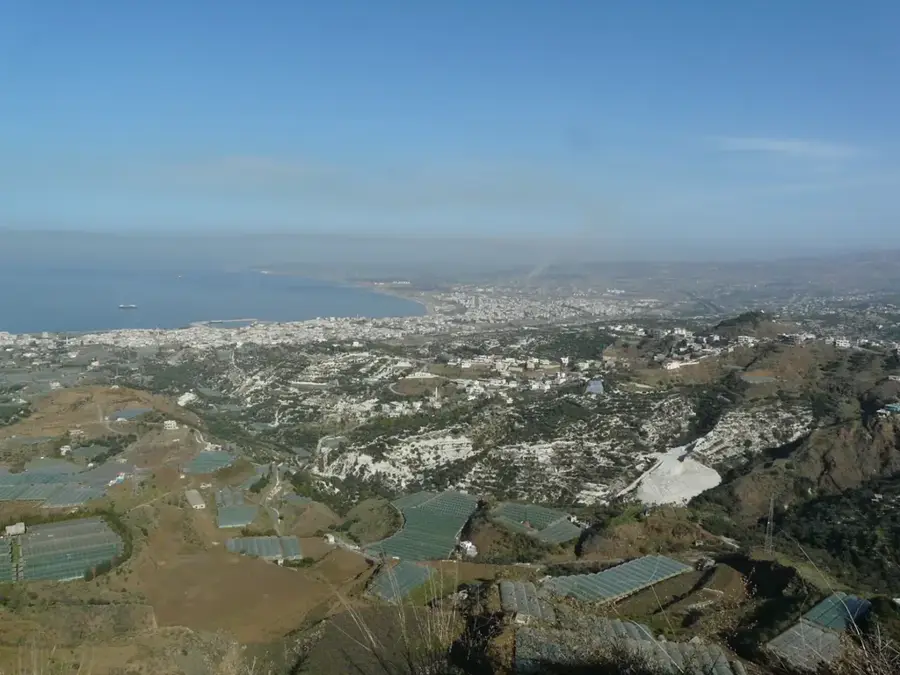
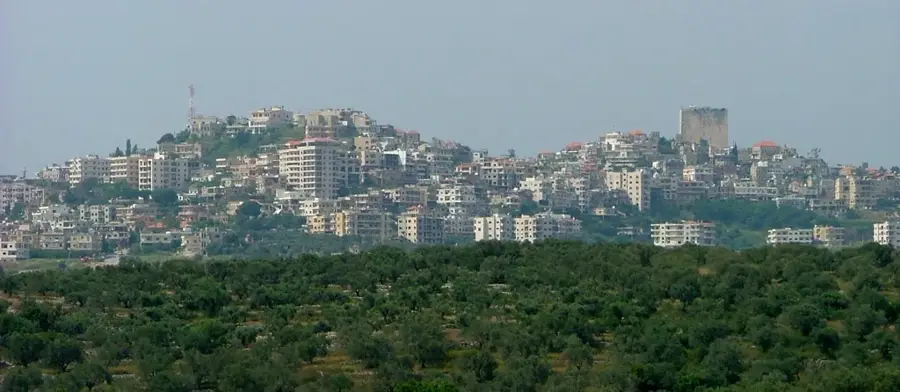
The olive groves of Tartus form a vital part of Syria's agricultural heritage, covering the coastal hills with silvery-green canopies. Cultivation methods have changed little since antiquity: trees are pruned by hand, and harvesting uses cloths spread beneath the branches. The region’s olives are pressed into extra virgin oil, much of which is exported to Europe. The oldest trees are estimated to be over 2,000 years old, dating to Phoenician times. The groves also serve as a buffer against coastal erosion and support a rich understory of wildflowers. In recent years, organic farming initiatives have gained traction, and some producers have obtained international certification. The annual olive festival in Tartus celebrates this cultural cornerstone.
Explore on the map
How well do you know Syria?
Find cities, landscapes and regions in 10 varied challenges on the interactive map.
Your journey, your memory
A postcard from Tartus Olive Groves
Turn your own photo into a personal postcard with a local stamp. Free and no sign-up required.
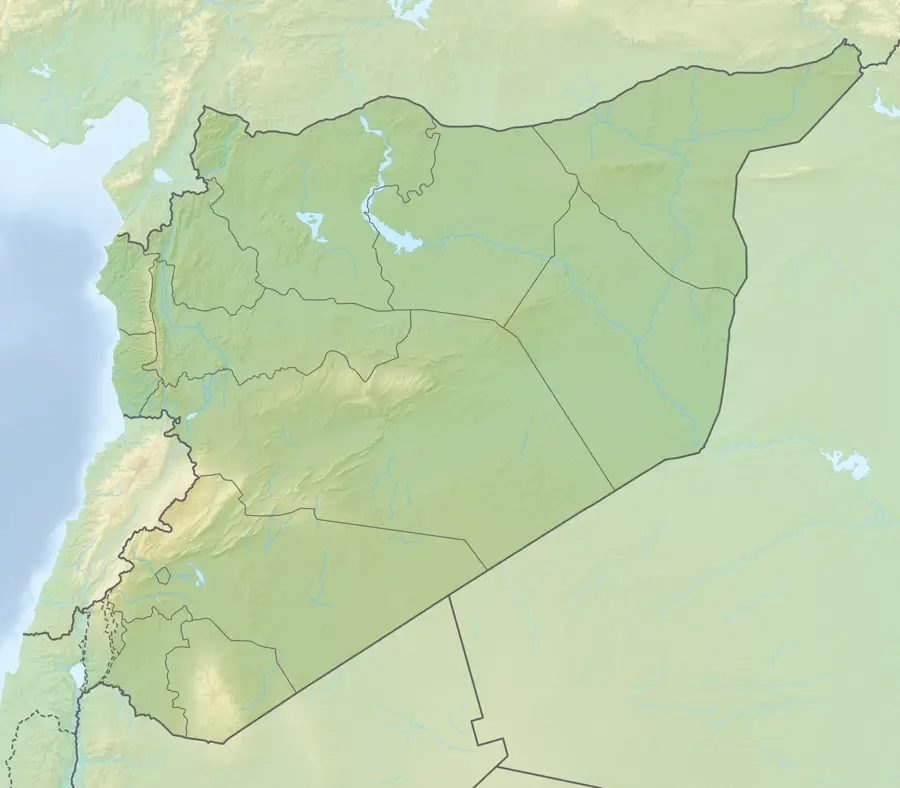
Create a postcard- Location: Syria
- Nearby: Tartus (10 km)
📋 Practical info
Geography
Facts
- The groves cover approximately 15,000 hectares.
- Annual olive production is about 50,000 tons.
- The oldest trees exceed 2,000 years in age.
- Harvest season runs from October to November.
- Extra virgin olive oil output is around 10,000 tons per year.
- Some producers have obtained organic certification since 2015.
Explore nearby
Notable places around

Route planner — Car & Motorhome
Where do you start? We build the route here, with stops and country notes along the way.
© OpenStreetMap contributors · OpenRouteService
Sights in the town Tartus Olive Groves (1)
Sights nearby
Frequently asked questions
How old are the olive trees in Tartus?
Can one visit the olive groves freely?
When is the olive harvest?
Is the olive oil from Tartus recommended?
Are there hiking trails through the groves?
Tartus Olive Groves: where is it located?
Tartus Olive Groves: why is it worth visiting?

Nearby cities
History & landmarks
Nature
More places