Plizio Visual Lab

Khabur

Plizio editorial teamData Sources
River
—°2
Khabur (Syria)

Weather…

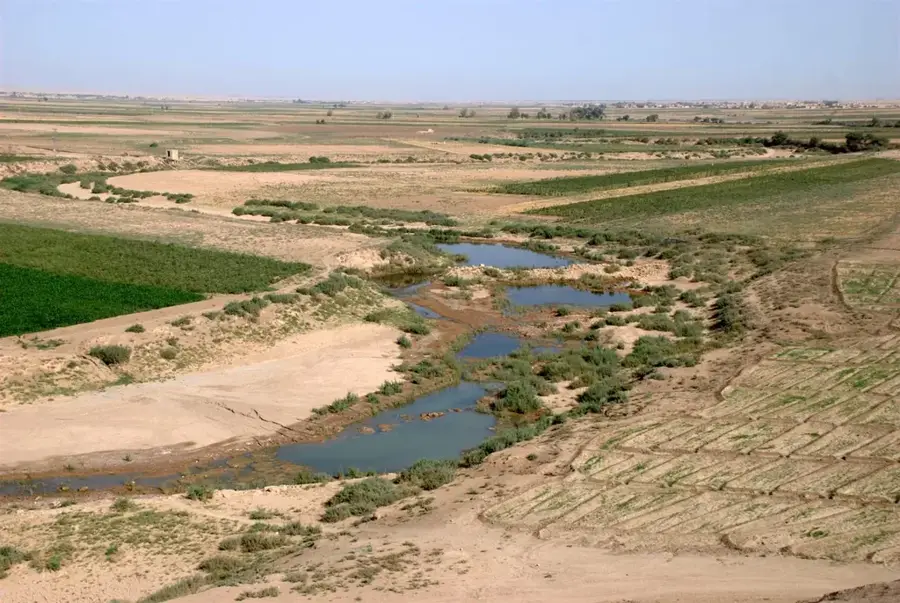
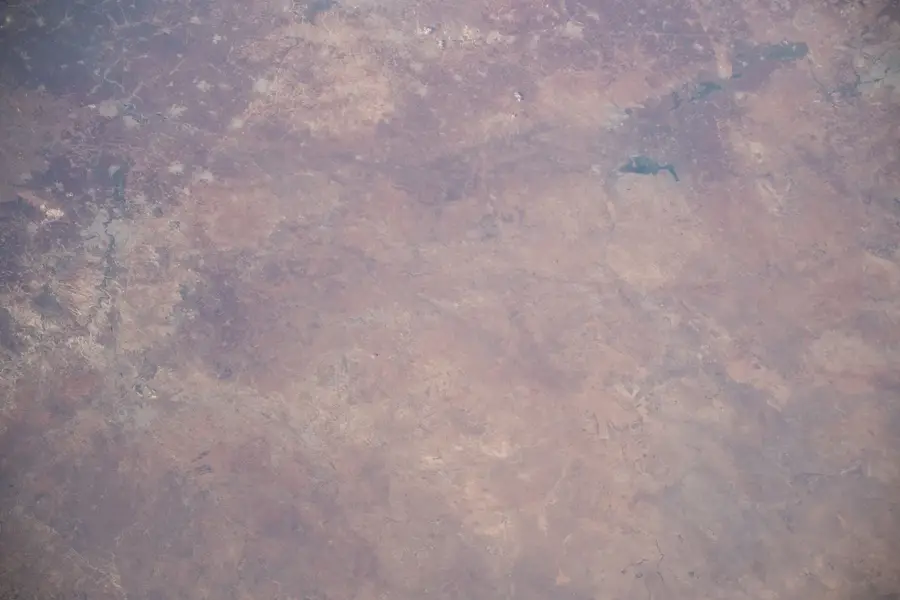
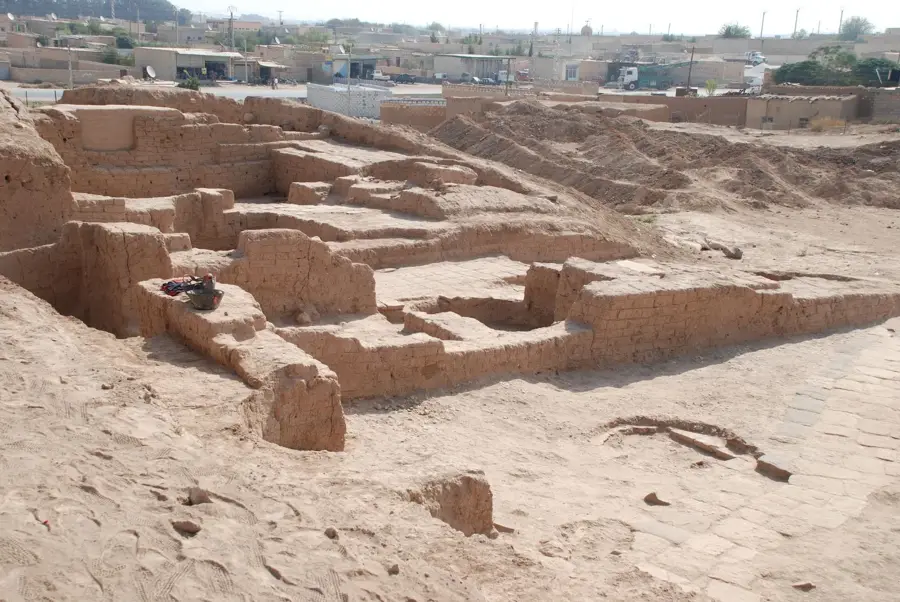
The Khabur is the largest perennial tributary of the Euphrates within Syrian territory, originating in the Ras al-Ayn region near the Turkish border. It flows through the Al-Hasakah Governorate in northeastern Syria, serving as the backbone of agriculture in the region often referred to as 'Al-Jazira' (the island). Geographically, the river is crucial for irrigating the vast plains of the fertile north, where wheat, cotton, and vegetables are grown on a large scale. Historically, the Khabur Valley was densely populated as early as the Bronze Age, hosting significant ancient settlements such as Tell Halaf and Tell Brak. The river's flow is regulated by several dams and canals constructed during large-scale development projects in the 1960s and 1970s. Ecologically, the Khabur acts as a vital corridor in an otherwise semi-arid landscape, supporting diverse riparian flora and fauna. In recent decades, however, the river has struggled with declining water levels due to excessive extraction and climatic shifts. Nevertheless, the Khabur remains a fundamental element of food security and regional identity in northeastern Syria.

Best time to visit & climate

The most pleasant time to visit is Apr, May, Oct.

JanFebMarAprMayJunJulAugSepOctNovDec
Avg °C581217243034332922137
Rain mm35323029121002152434

📋 Practical info

🧭
Getting there
Normally reached by road from major regional centers like Al-Hasakah in the Al-Jazira region, though current local security conditions heavily dictate practical access; professional local guidance is absolutely necessary here.
📅
Best season
Spring is traditionally the most beautiful and safest time when the surrounding agricultural plains are vibrantly green; summers are typically extremely hot, dry, and physically exhausting in this exposed eastern landscape.
⛰️
Terrain & paths
The area is predominantly flat, consisting of fertile agricultural floodplains characterized by intense farming fields and soft, sometimes deeply muddy banks; formal recreational pathways are generally completely absent.
🎒
What to bring
Basic, comfortable walking footwear and lightweight, highly breathable clothing are recommended, along with intense sun protection, a wide hat, and ample personal water supplies to combat the severe regional daytime heat.
🅿️
Parking
Vehicles are usually left securely in the immediate center of adjacent agricultural villages, or parked very carefully along the wider, established shoulders of the primary connecting regional roads in the flat valley.
⚠️
Safety
Beyond standard deep-water river safety, travelers must rigorously verify the current regional security situation with trusted local authorities, strictly obey all local regulations, and remain only on heavily established routes.
⏱️
Time needed
A visit under current conditions might take anywhere from a brief, cautious one-hour stop to admire the agricultural lifeline, to a guided half-day excursion if specifically exploring the surrounding historical valley sites.

Geography

Coordinates
36.50000, 40.75000

Facts

  • Source: Natural springs of Ras al-Ayn
  • Mouth: Tributary to the Euphrates (near Busayra)
  • Length: Approximately 486 kilometers
  • Agriculture: Primary irrigation source for the Al-Hasakah Governorate
  • Archaeology: Center of major ancient sites such as Tell Halaf
  • Infrastructure: Regulated by several dams, including the Hasakah South Dam

Explore nearby

Notable places around

Route planner — Car & Motorhome

Where do you start? We build the route here, with stops and country notes along the way.

Vehicle
Only stops with (optional):

© OpenStreetMap contributors · OpenRouteService

Sights in the town Khabur (2)

Jam' el Kabir

Grand Mosque in Khabur, central location for Muslim prayers.

daowar al tareef

A monument in Khabur, commemorating a local event.

Sights nearby

Frequently asked questions

Where does the Khabur flow?
It flows through northeastern Syria into the Euphrates.
Is the area ecologically valuable?
Yes, the Khabur valley is an important region for biodiversity.
Are there archaeological sites by the river?
Yes, the valley is rich in ancient settlement mounds (tells).
When is the water level highest?
In spring after the snow melt.
Is tourism common there?
No, it is largely off the beaten track.
Khabur: where is it located?
Khabur is located in Syria.
Khabur: what is there to see?
Highlights include Jam' el Kabir, daowar al tareef.
Khabur: when is the best time to visit?
The most pleasant time to visit is Apr, May, Oct.
Khabur: why is it worth visiting?
The Khabur is the largest perennial tributary of the Euphrates within Syrian territory, originating in the Ras al-Ayn region near the Turkish border.
View on map → The Top 50 Attractions → OpenStreetMap →
Asia
Explore with Plizio Discover more places in Asia
More places in Syria →

Nearby cities

History & landmarks

Nature

More places