Plizio Visual Lab
CERN
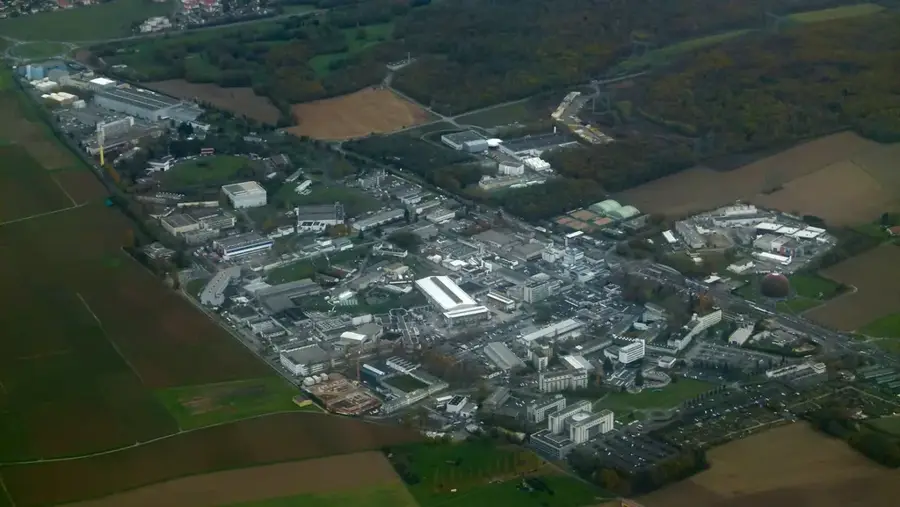
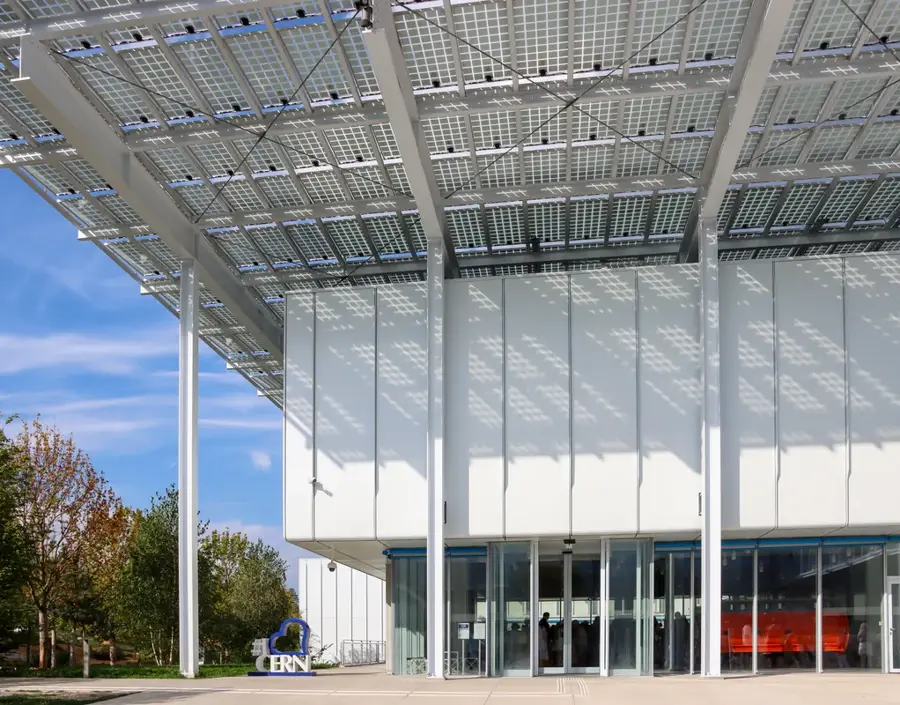
CERN (European Organization for Nuclear Research) near Geneva is the world's leading research center for particle physics. Established in 1954, it is currently supported by 23 member states. Its most significant facility is the Large Hadron Collider (LHC), a 27-kilometer underground circular accelerator where protons collide at nearly the speed of light. The primary goal of the research is to understand the fundamental laws of the universe and the structure of matter. One of its most spectacular discoveries was the detection of the Higgs boson in 2012. Beyond fundamental physics research, CERN is also the birthplace of major technological milestones, such as the World Wide Web, developed by Tim Berners-Lee in 1989. The institution fosters international cooperation and hosts thousands of scientists from across the globe. Visitors can gain insights into the subatomic world at the Globe of Science and Innovation.
Explore on the map
How well do you know Switzerland?
Find cities, landscapes and regions in 10 varied challenges on the interactive map.
Your journey, your memory
A postcard from CERN
Turn your own photo into a personal postcard with a local stamp. Free and no sign-up required.
Create a postcard- Location: Switzerland, Switzerland
- Highlights: Cockcroft-Walton generator · The Globe of Science and Innovation · A Radio Frequency cavity of the Large Electron Positron Collider
- Nearby: Geneva (7 km)
Best time to visit & climate
The most pleasant time to visit is Jun–Aug.
| Jan | Feb | Mar | Apr | May | Jun | Jul | Aug | Sep | Oct | Nov | Dec | |
|---|---|---|---|---|---|---|---|---|---|---|---|---|
| Avg °C | -1 | 0 | 4 | 8 | 12 | 17 | 19 | 18 | 14 | 10 | 4 | 0 |
| Rain mm | 98 | 73 | 90 | 75 | 111 | 100 | 93 | 99 | 76 | 92 | 96 | 106 |
📋 Practical info
Geography
Facts
- CERN was officially founded on September 29, 1954.
- The Large Hadron Collider (LHC) has a circumference of 27 kilometers.
- The accelerator tunnels are located up to 100 meters underground.
- The World Wide Web was invented at CERN by Tim Berners-Lee in 1989.
- The discovery of the Higgs boson was announced at CERN in 2012.
- About 12,000 visiting scientists from all over the world research at CERN annually.
Explore nearby
Notable places around
Route planner — Car & Motorhome
Where do you start? We build the route here, with stops and country notes along the way.
© OpenStreetMap contributors · OpenRouteService
Sights in the town CERN (10)
Gargamelle bubble chamber
A bubble chamber that conducted neutrino experiments at CERN.
ATLAS Visitors Centre🏛 museum
A museum offering insights into the ATLAS detector at the LHC.
Aula de l'ecole des Vergers
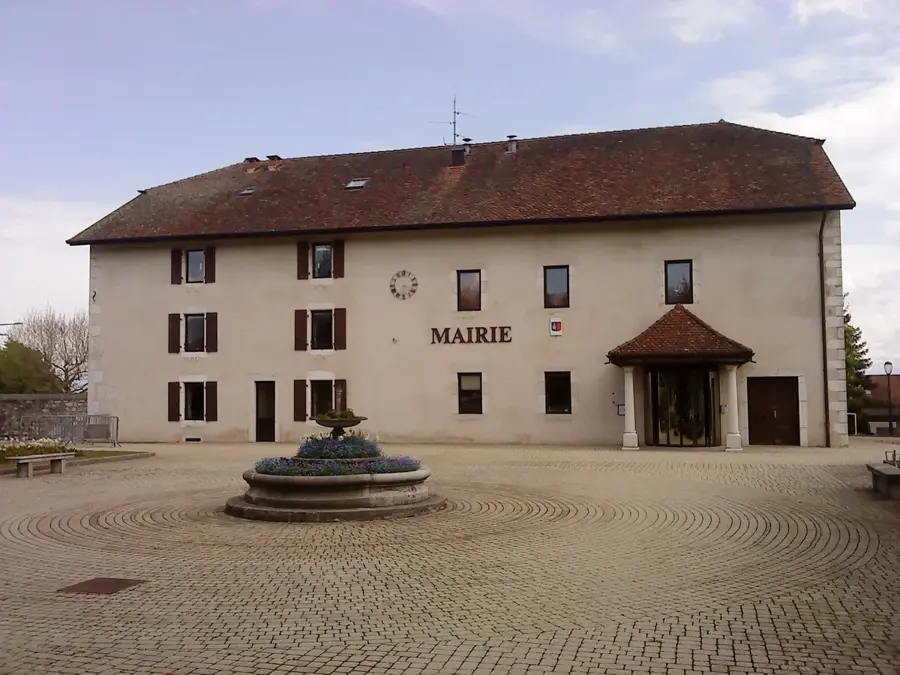
A theatre in Meyrin used for school and community events.
Super Papier
An arts centre in Meyrin focusing on paper art and workshops.
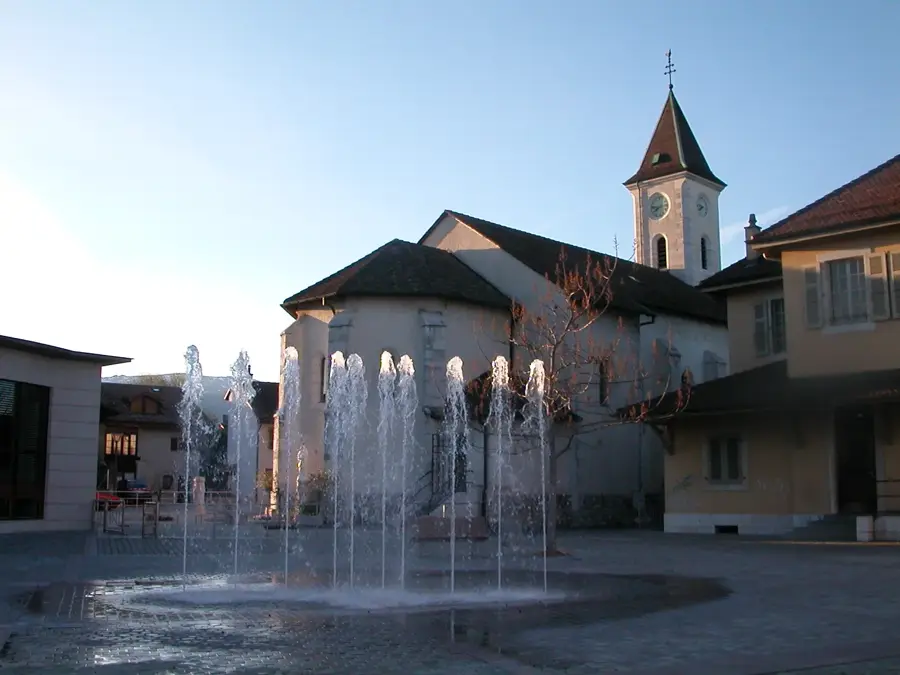
Église Saint-Julien
A church building in Meyrin, Switzerland, serving the local congregation.
Jardin des Disparus🌳 park
A park in Meyrin, Geneva, Switzerland, commemorating missing persons.
Sights nearby
Frequently asked questions
What does the abbreviation CERN stand for?
How far in advance should I book a guided tour?
Can you visit the particle accelerator (LHC)?
Is there parking available at CERN?
How much time should I plan for the whole CERN site?
CERN: where is it located?
CERN: what is there to see?
CERN: when is the best time to visit?
CERN: why is it worth visiting?

Nearby cities


History & landmarks

Nature
More places