Plizio Visual Lab
Kurunegala
ℹ️Practical info — Kurunegala
▾
🌤 Weather — 5 days
📍 Nearby
Sights nearby
💡 Tips
- Climb Ethagala (Elephant Rock) in the early morning or late afternoon to avoid the midday heat.
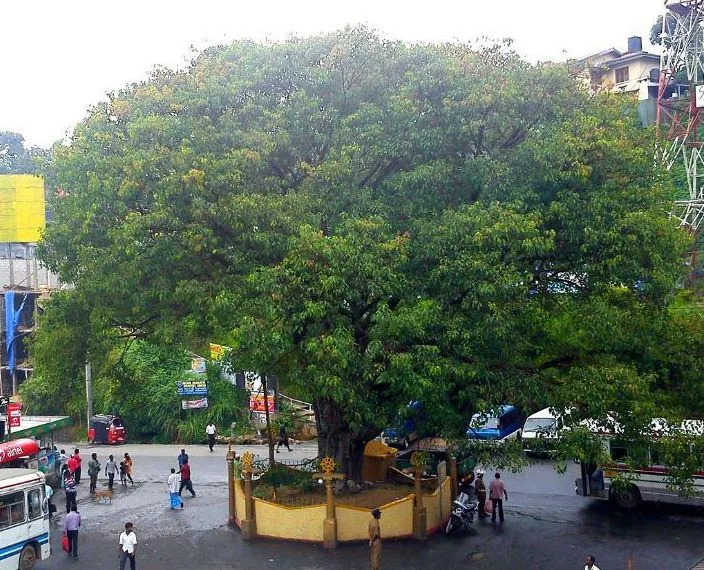
- The town is a massive transport hub; allow extra time for bus transfers.
- Dress respectfully (shoulders and knees covered) when visiting the local temple grounds.
- Drink plenty of water as the climate here is often very humid and hot.
🍽 Food
Found in the bustling local 'hotels' (simple restaurants), often packed at lunchtime.
These bowl-shaped pancakes are best tried fresh for breakfast.
At street stands in the evening, where you can listen to the rhythmic chopping of the cooks.
🛍 Shopping · 🧘 Quiet spots
The best place for buying fresh spices, vegetables, and tropical fruits.
In the city center, you will find a wide range of colorful saris and sarongs.
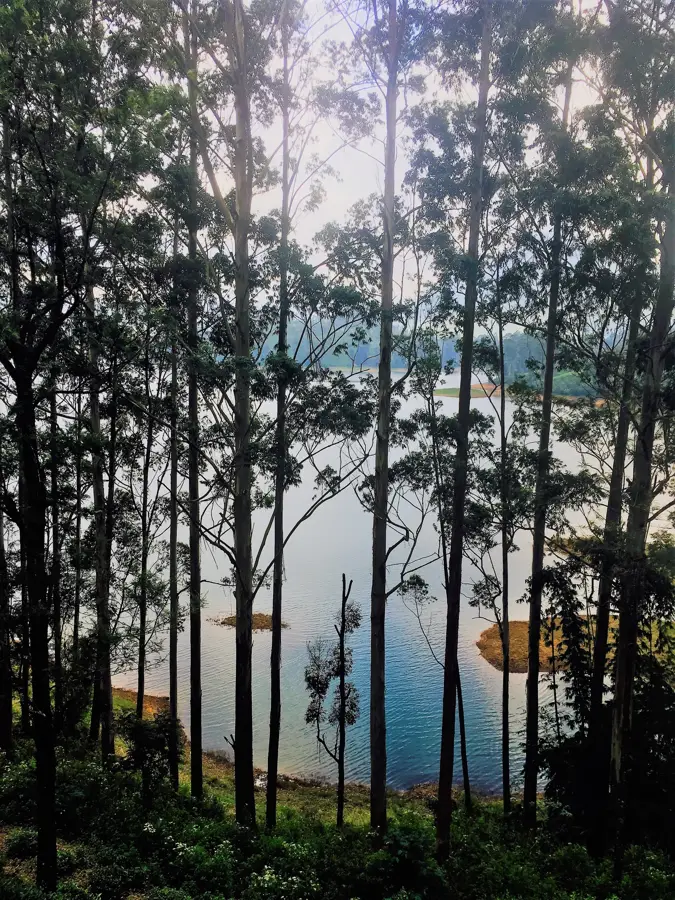
The walking paths around the water are very peaceful, especially in the early evening.
A small temple offering a spiritual and quiet atmosphere away from the city noise.
Water temperature…
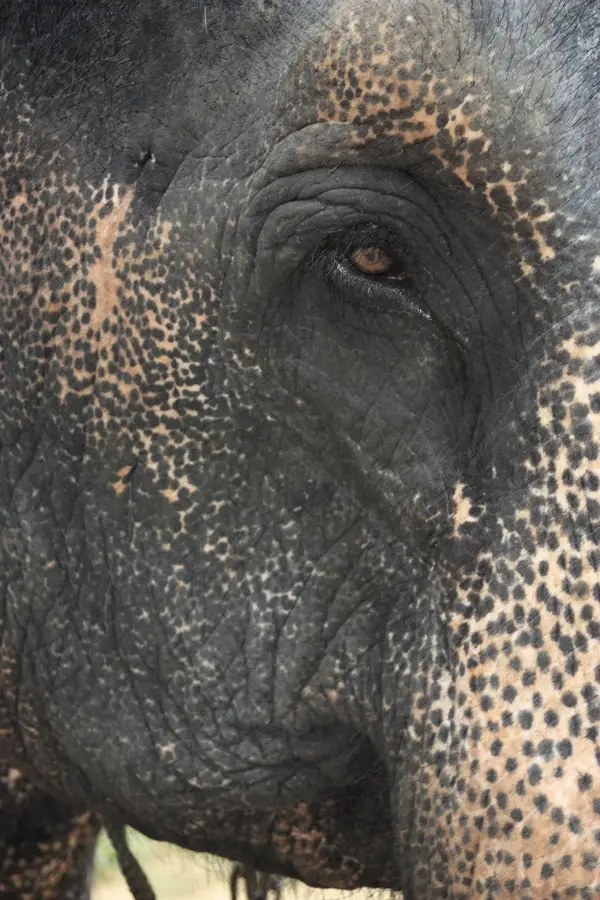
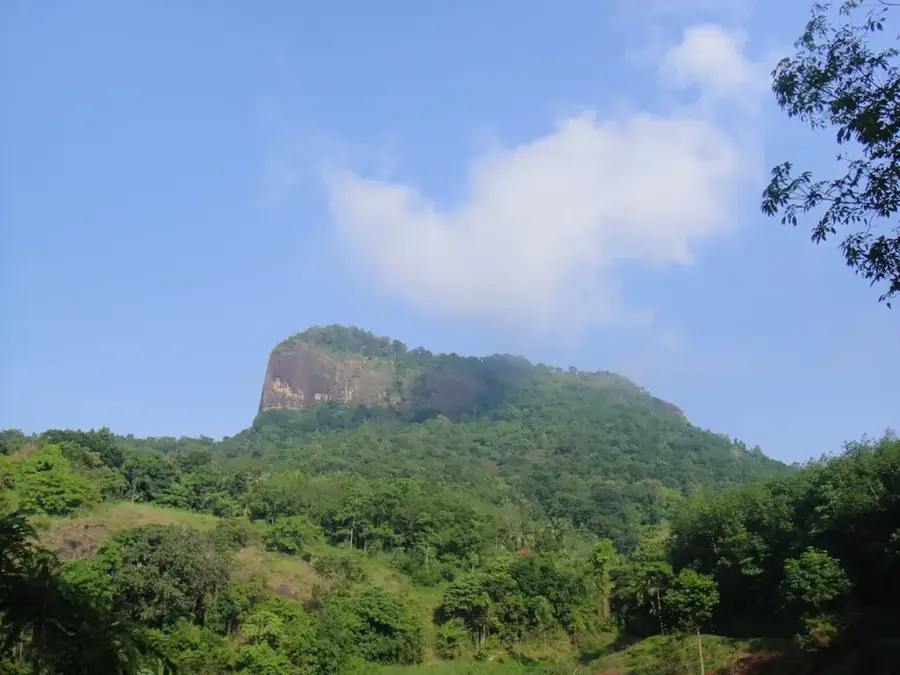
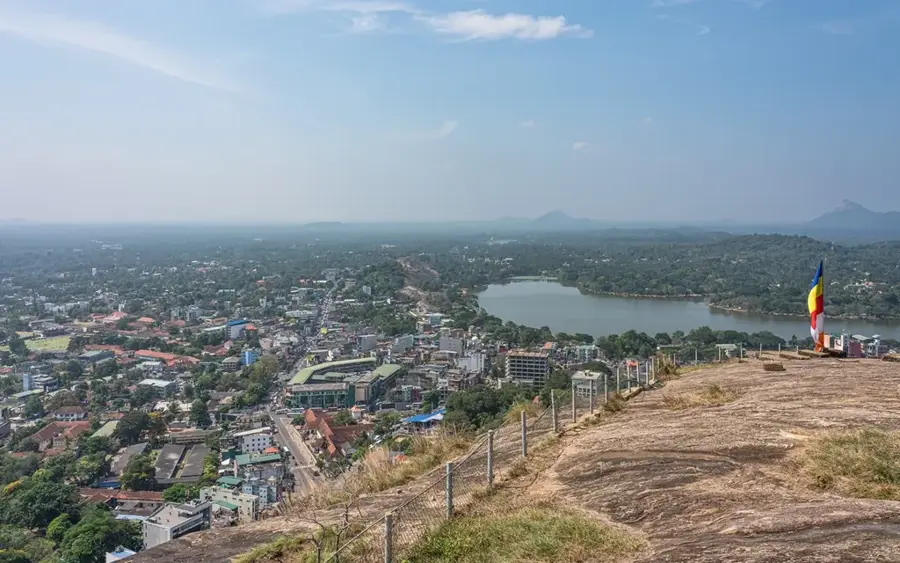
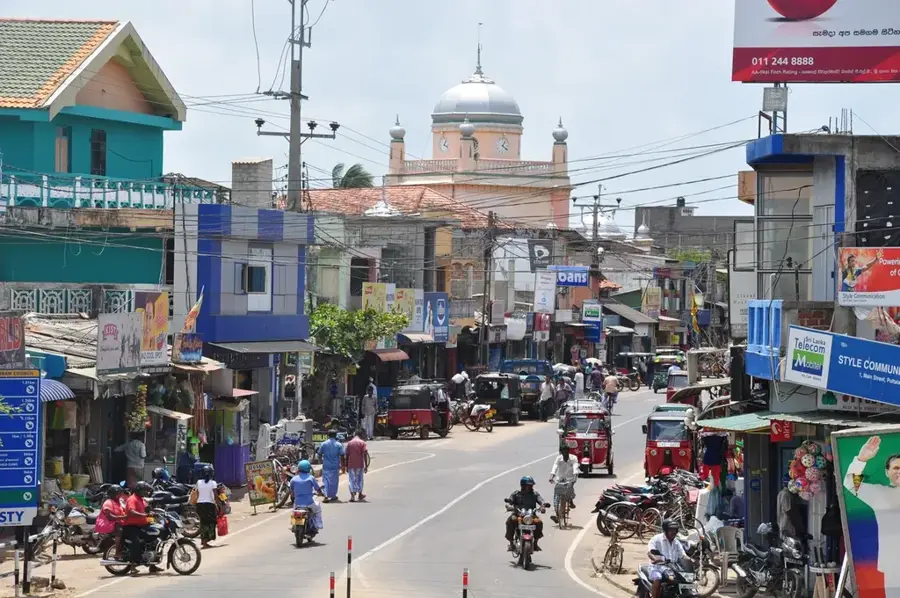
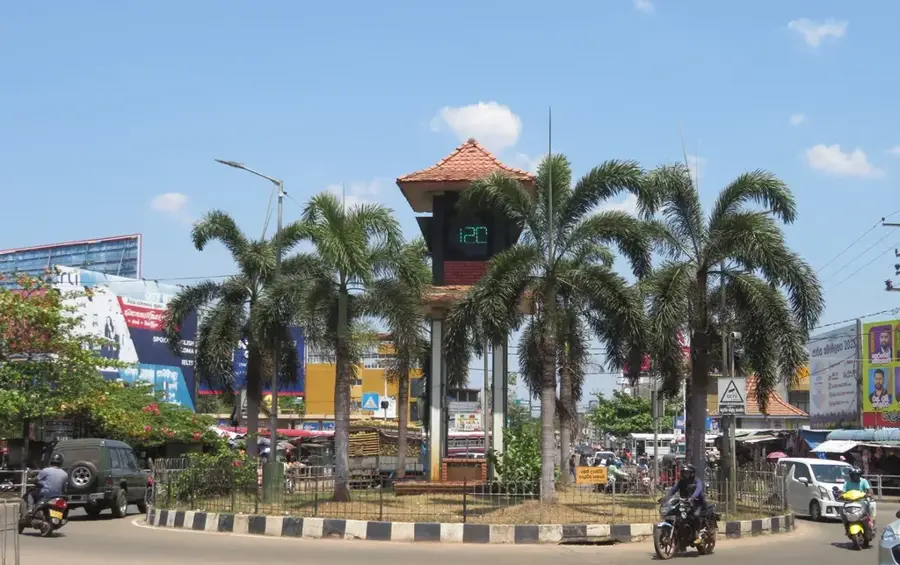
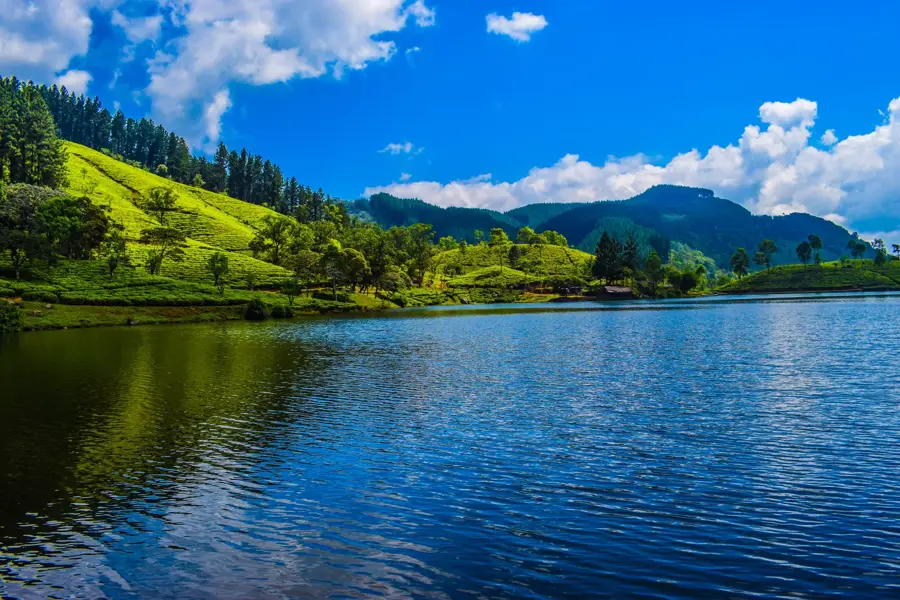
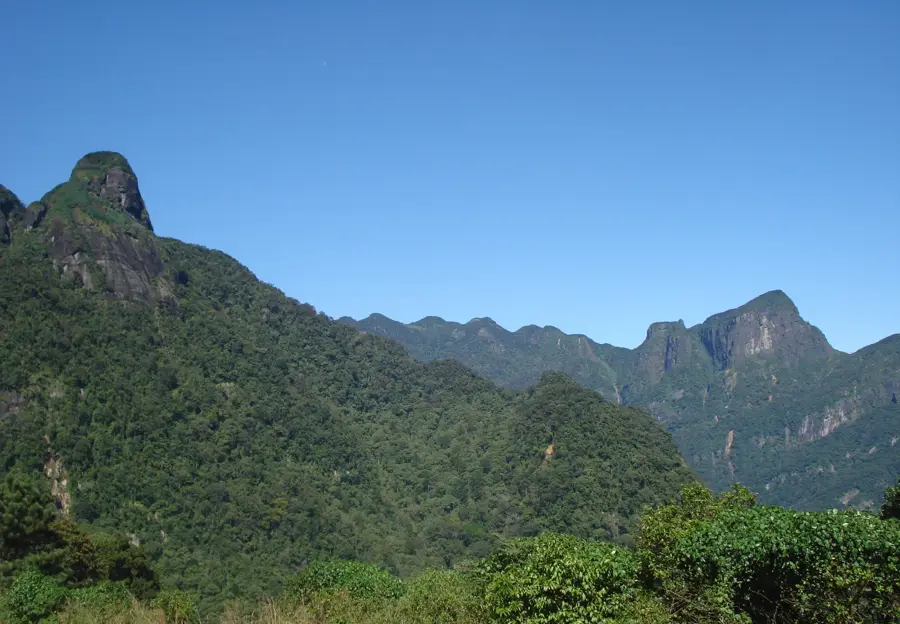
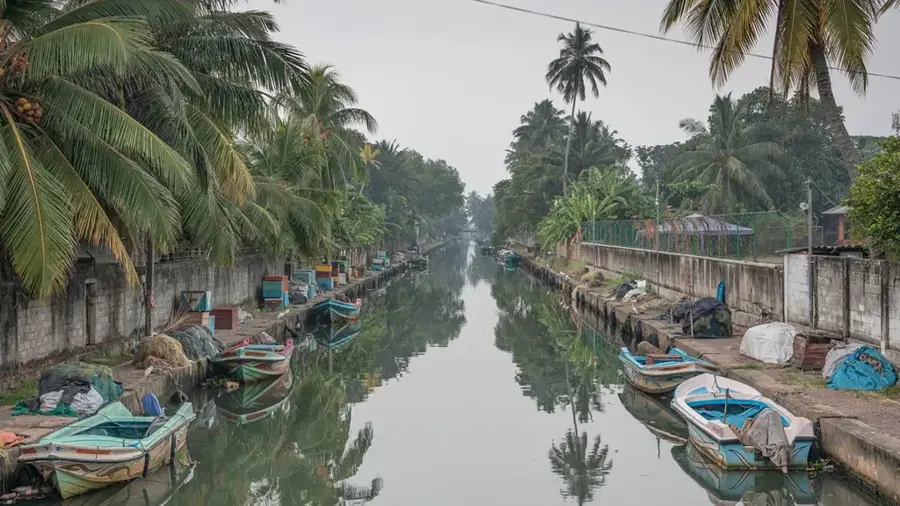
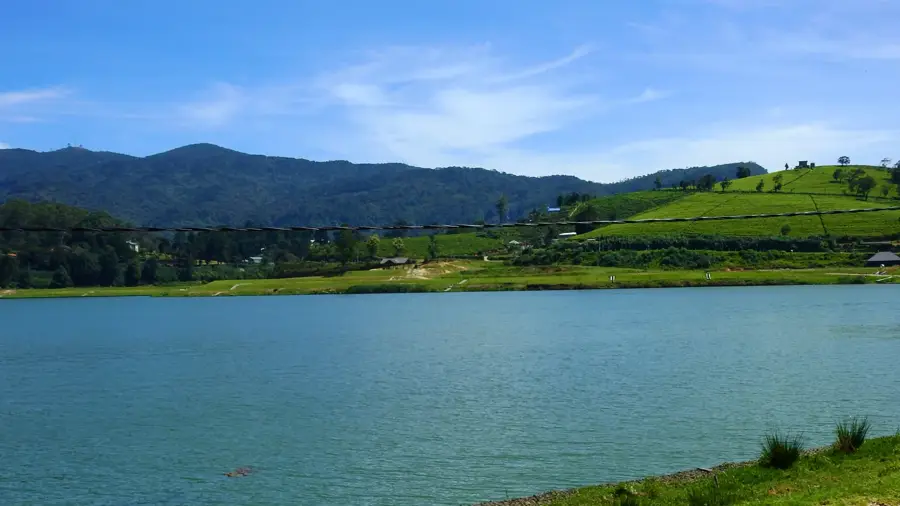
Kurunegala, the administrative capital of the North Western Province, is a historically significant city set against a backdrop of dramatic geological formations. Known as 'Ethugalpura' (Elephant Rock City), it is uniquely encircled by eight massive rock outcrops, each named after the animal it supposedly resembles; the most prominent is Ethagala, which rises 316 meters above the city and is crowned by a giant seated Buddha statue. Kurunegala held the mantle of the royal capital of Sri Lanka from 1293 to 1341, serving as a bastion of the Kingdom during the medieval era following the decline of Polonnaruwa. Geographically, it is located at a major crossroads, making it one of the busiest transport hubs in the country, linking the coastal regions with the interior and the north. The city is the commercial heart of the 'Coconut Triangle,' where a vast portion of Sri Lanka’s coconut exports is produced. Beyond coconuts, the surrounding fertile plains support extensive paddy cultivation and rubber plantations. The Kurunegala Lake, a large man-made reservoir, provides both a scenic attraction and a vital water source for local agriculture. The city's history is deeply intertwined with the Sacred Tooth Relic of Buddha, which was housed here during its tenure as the capital. Modern Kurunegala is a thriving urban center with a strong focus on education and light industry, yet it remains deeply connected to its agrarian roots and its spectacular natural environment. The nearby Ridi Vihara (Silver Temple), dating back to the 2nd century BC, underscores the region's long-standing spiritual and cultural heritage.
Explore on the map
How well do you know Sri Lanka?
Find cities, landscapes and regions in 10 varied challenges on the interactive map.
Your journey, your memory
A postcard from Kurunegala
Turn your own photo into a personal postcard with a local stamp. Free and no sign-up required.
Create a postcard- Location: Sri Lanka
- Highlights: Ibbagala Viharaya · Sinexpo · St. Anne's Church
- Nearby: Kegalle (26 km)
- Population: ~28.571 (2026)
Best time to visit & climate
The most pleasant time to visit is Jan, Feb, Jul.
| Jan | Feb | Mar | Apr | May | Jun | Jul | Aug | Sep | Oct | Nov | Dec | |
|---|---|---|---|---|---|---|---|---|---|---|---|---|
| Avg °C | 23 | 24 | 26 | 27 | 26 | 26 | 26 | 26 | 26 | 25 | 24 | 23 |
| Rain mm | 116 | 89 | 96 | 155 | 133 | 73 | 62 | 70 | 101 | 228 | 279 | 243 |
Geography
Facts
- Kurunegala is located 94 km from Colombo and 42 km from Kandy.
- The city's height is approximately 116 meters above sea level.
- Ethagala is the most famous of the eight rocks surrounding the city.
- Kurunegala was a kingdom from 1293 to 1341 AD.
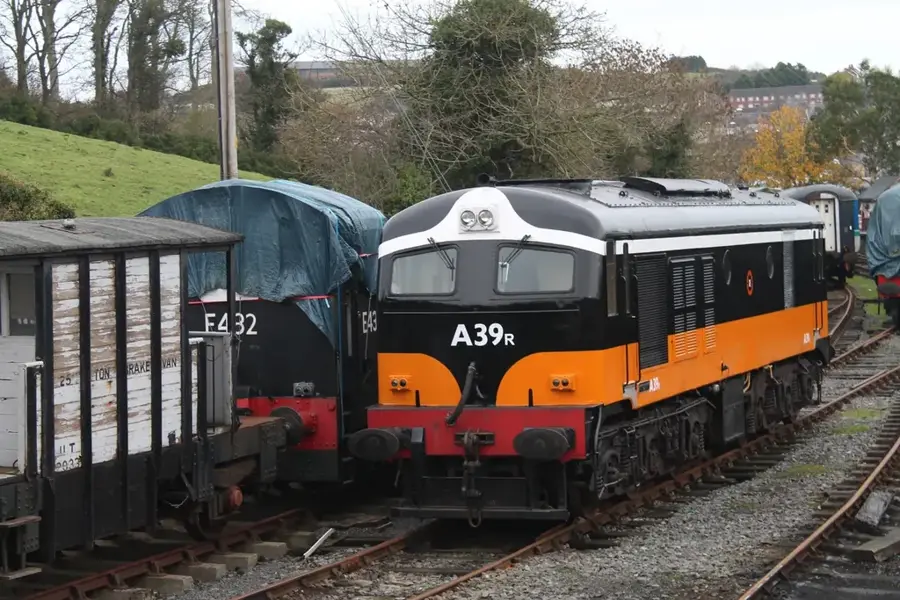
- The city is a major junction on the Sri Lanka Railway's Northern Line.
- The region is known for producing high-quality graphite (plumbago).
- Kurunegala was the last capital of the Dambadeniya period.
- The climate is tropical, with temperatures ranging from 22°C to 33°C.
Explore nearby
Notable places around
Route planner — Car & Motorhome
Where do you start? We build the route here, with stops and country notes along the way.
© OpenStreetMap contributors · OpenRouteService
Sights in the town Kurunegala (9)
Frequently asked questions
What is Kurunegala known for?
What is Ethagala?
Is it worth making a stop here?
How is the weather?
Are there good restaurants in the city?
Kurunegala: where is it located?
Kurunegala: what is there to see?
Kurunegala: when is the best time to visit?
Kurunegala: why is it worth visiting?
Nearby cities
History & landmarks
More places