Plizio Visual Lab
Bajuni Coastal Cliffs
Weather…
Water temperature…
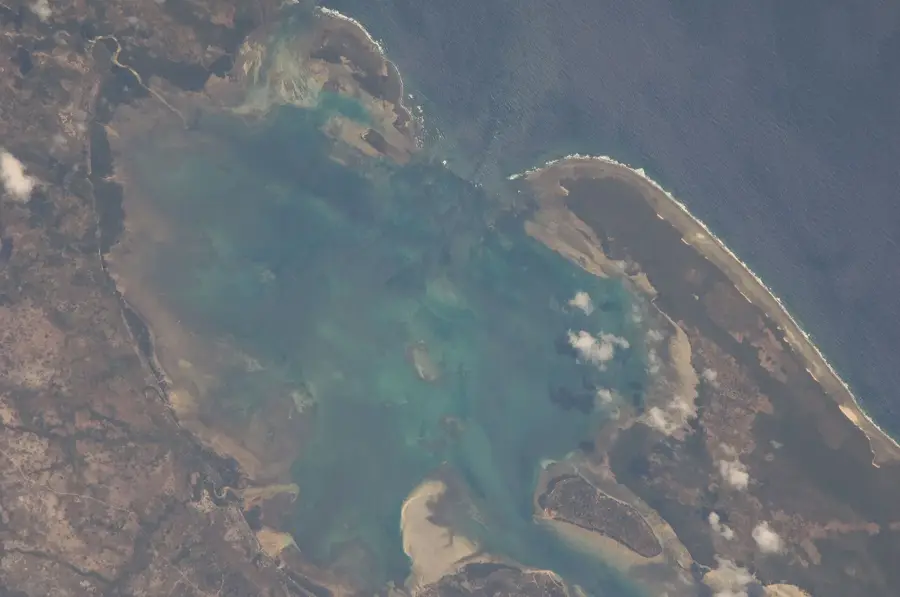
The Bajuni coastal cliffs in the far south of Somalia form the transition to the Bajuni Archipelago and are characterized by prominent limestone formations. These cliffs are the result of millennia of erosion by the Indian Ocean and rise partially steeply from the turquoise water. The region is culturally unique as it marks the northern end of the Swahili cultural area, reflected in the architecture and traditions of the local fishing communities. Geologically, the cliffs consist of fossil coral reefs that reached the surface through tectonic uplift. The flora includes dense mangrove forests in protected bays and coastal forests that exhibit high biodiversity of marine and terrestrial species. Historically, the Bajuni cliffs were strategic vantage points for overseas trade between Mogadishu, Zanzibar, and the Arab states. The remoteness of the region has led to many traditional practices and the natural state of the coastline being largely preserved.
Explore on the map
How well do you know Somalia?
Find cities, landscapes and regions in 10 varied challenges on the interactive map.
Your journey, your memory
A postcard from Bajuni Coastal Cliffs
Turn your own photo into a personal postcard with a local stamp. Free and no sign-up required.
Create a postcard- Location: Somalia
- Nearby: Kismayo (63 km)
Best time to visit & climate
The most pleasant time to visit is Jul–Sep.
| Jan | Feb | Mar | Apr | May | Jun | Jul | Aug | Sep | Oct | Nov | Dec | |
|---|---|---|---|---|---|---|---|---|---|---|---|---|
| Avg °C | 29 | 29 | 30 | 29 | 28 | 26 | 26 | 26 | 27 | 28 | 28 | 29 |
| Rain mm | 8 | 2 | 18 | 101 | 174 | 91 | 48 | 28 | 21 | 55 | 87 | 43 |
📋 Practical info
Geography
Facts
- The cliffs consist predominantly of Pleistocene coral limestone.
- The Bajuni Archipelago comprises a total of about 500 islands and islets.
- Kismayo, the nearest large city, is located about 20 km to the north.
- Mangrove forests in this region cover over 100 square kilometers.
- Tidal differences at the cliffs can be up to 4 meters.
- Rare dugongs live in the coastal waters of this region.
Explore nearby
Notable places around

Route planner — Car & Motorhome
Where do you start? We build the route here, with stops and country notes along the way.
© OpenStreetMap contributors · OpenRouteService
Sights nearby
Frequently asked questions
Are the Bajuni cliffs accessible for divers?
Can you see the cliffs from land?
Are there accommodations nearby?
Is the water there safe for swimming?
When is the weather most stable?
Bajuni Coastal Cliffs: where is it located?
Bajuni Coastal Cliffs: when is the best time to visit?
Bajuni Coastal Cliffs: why is it worth visiting?

Nearby cities

History & landmarks
Nature
More places