Plizio Visual Lab
Veuve Nature Reserve
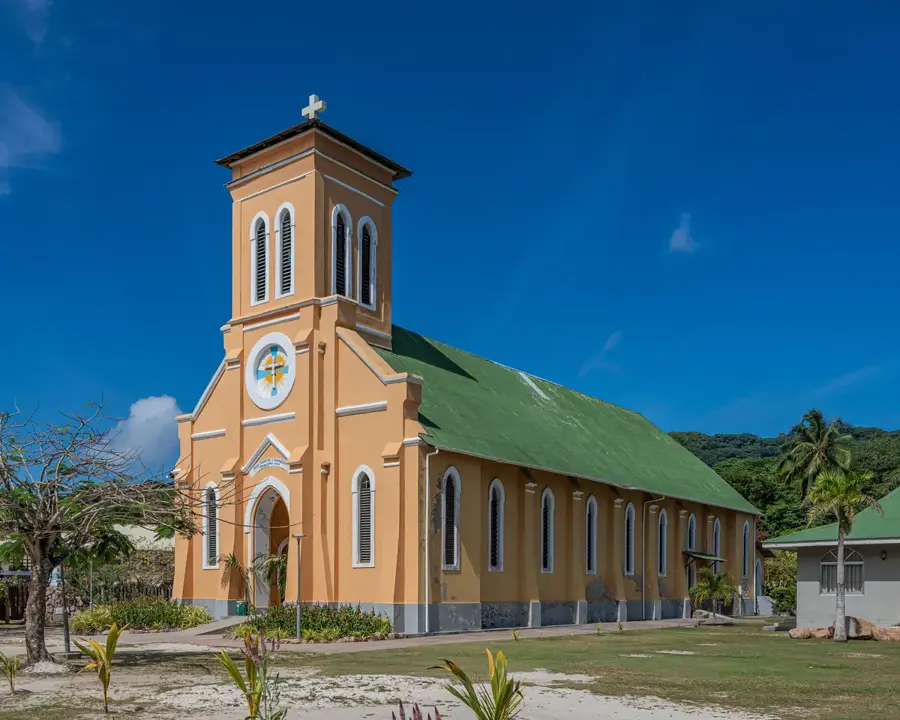
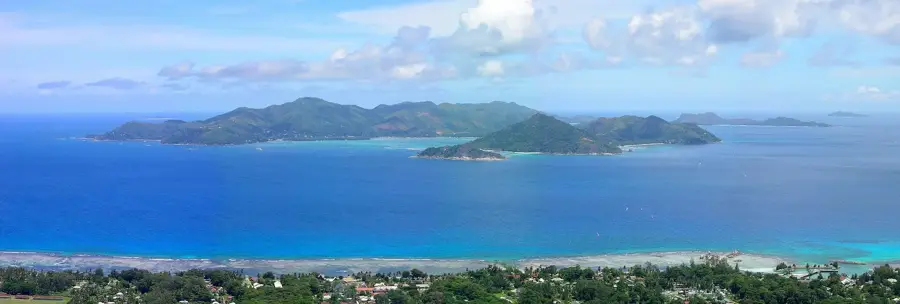
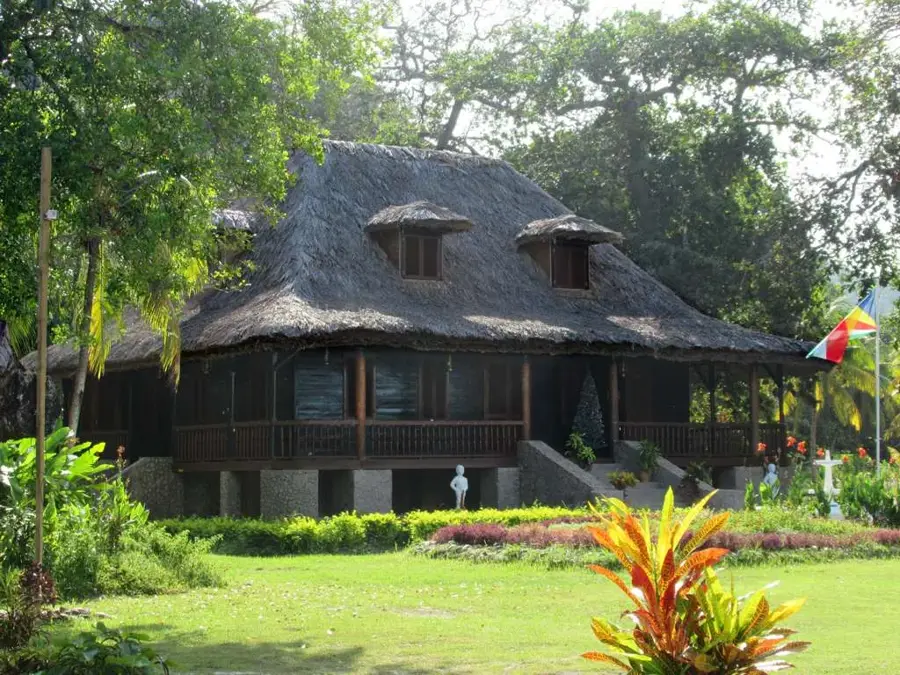
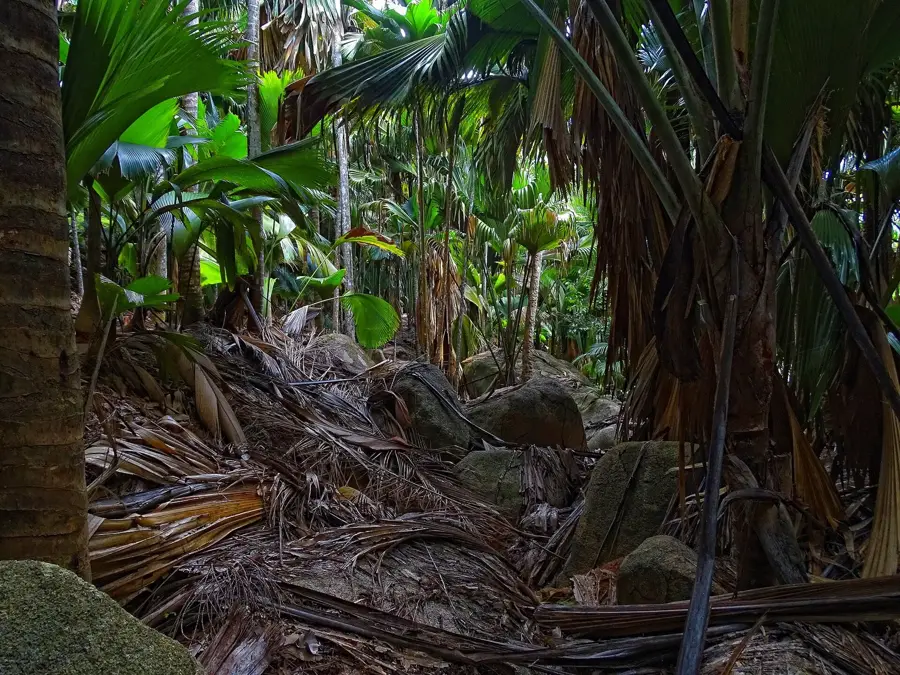
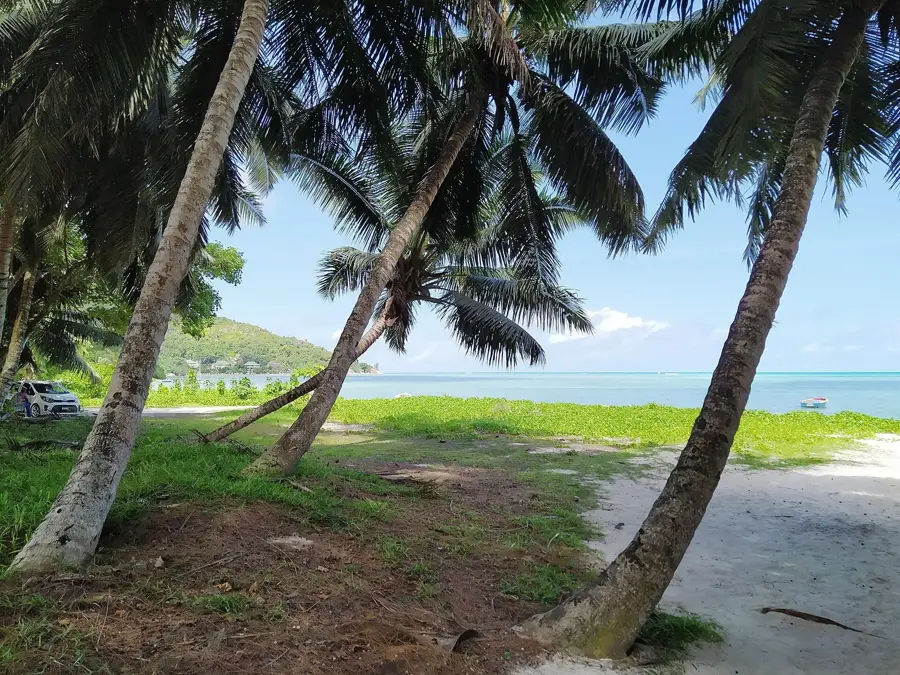
The Veuve Nature Reserve is situated on La Digue Island and is a specialized sanctuary for the Seychelles Paradise Flycatcher (Terpsiphone corvina), locally referred to as the 'Veuve'. This reserve encompasses a vital remnant of coastal forest characterized by Takamaka and Badamier trees, providing the well-suited nesting environment for this rare avian species. The Paradise Flycatcher is an endemic songbird found globally only on a few islands in the Seychelles and remains critically endangered due to habitat loss. Established officially in 1982, the reserve aims to ensure the long-term survival of the species. Visitors can traverse shaded trails through the protected area, where males with their distinctive long black tail feathers may be observed. In addition to the flycatcher, the reserve supports various other endemic fauna, including insects and reptiles. An information center at the entrance provides comprehensive insights into forest ecology and ongoing conservation initiatives.
Explore on the map
How well do you know Seychelles?
Find cities, landscapes and regions in 10 varied challenges on the interactive map.
Your journey, your memory
A postcard from Veuve Nature Reserve
Turn your own photo into a personal postcard with a local stamp. Free and no sign-up required.
Create a postcard- Location: Seychelles
- Highlights: Anse La Reunion · Eustache Sarde's House · Marshes
- Nearby: Consolation (8 km)
Best time to visit & climate
The most pleasant time to visit is Jun–Aug.
| Jan | Feb | Mar | Apr | May | Jun | Jul | Aug | Sep | Oct | Nov | Dec | |
|---|---|---|---|---|---|---|---|---|---|---|---|---|
| Avg °C | 27 | 28 | 28 | 29 | 28 | 27 | 26 | 26 | 27 | 27 | 27 | 27 |
| Rain mm | 214 | 110 | 111 | 115 | 90 | 88 | 59 | 69 | 115 | 119 | 126 | 163 |
📋 Practical info
Geography
Facts
- The reserve was established in 1982 to protect the Paradise Flycatcher.
- It protects one of the last stands of native coastal forest on La Digue.
- The Seychellois name 'Veuve' translates to 'widow' in English.
- The distinctive calls of the birds are a key feature of the reserve experience.
- The protected area spans approximately 21 hectares of land.
- It is currently managed by the Seychelles National Parks Authority.
Explore nearby
Notable places around
Route planner — Car & Motorhome
Where do you start? We build the route here, with stops and country notes along the way.
© OpenStreetMap contributors · OpenRouteService
Sights in the town Veuve Nature Reserve (10)
Giant Tortoise
Enclosure with Aldabra giant tortoises on La Digue island.
Point de vue sur Anse Source d'argent
Viewpoint overlooking the famous Anse Source d'Argent beach.
Anse Source d'Argent
Very shallow water, swimming is not fun and only possible at high tide.
Pointe Cap Barbi
Headland with a view of the coastline of La Digue.
Anse Severe
Very shallow water, one of the few places on La Digue where swimming and snorkeling is halfway possible.
Secret Garden
Viewpoint overlooking the vegetation and sea on La Digue.
Sights nearby
Frequently asked questions
Why is the Veuve Nature Reserve famous?
Do I need a guide for the tour?
When is the best time to see the birds?
How difficult are the hiking trails?
Are there restrooms on-site?
Veuve Nature Reserve: where is it located?
Veuve Nature Reserve: what is there to see?
Veuve Nature Reserve: when is the best time to visit?
Veuve Nature Reserve: why is it worth visiting?
Nearby cities
History & landmarks
More places