Plizio Visual Lab
Tuira River
Weather…
Water temperature…
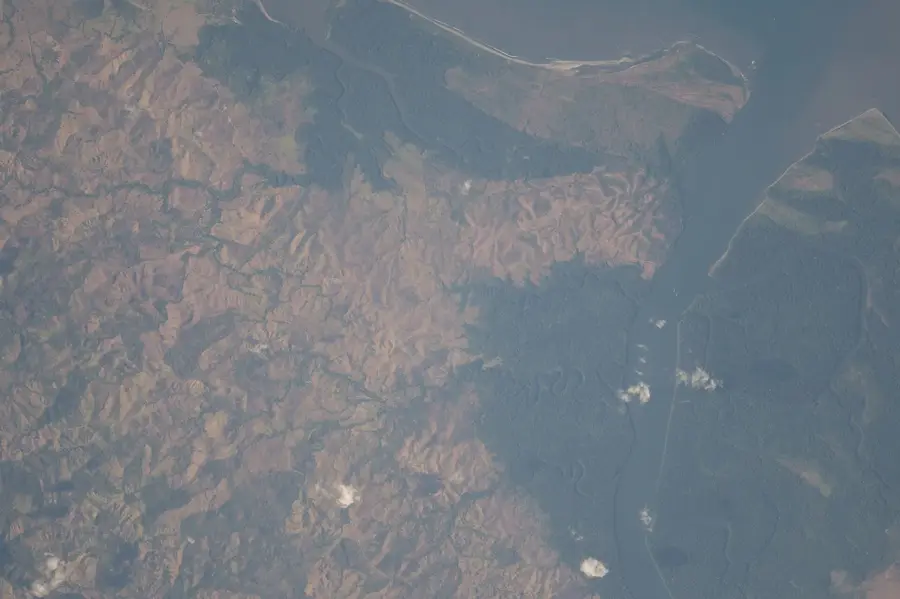
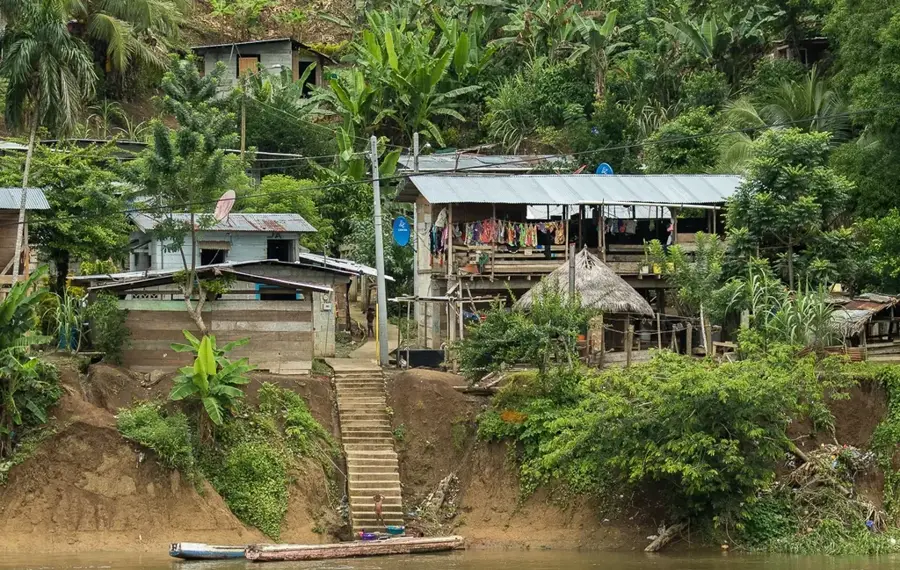
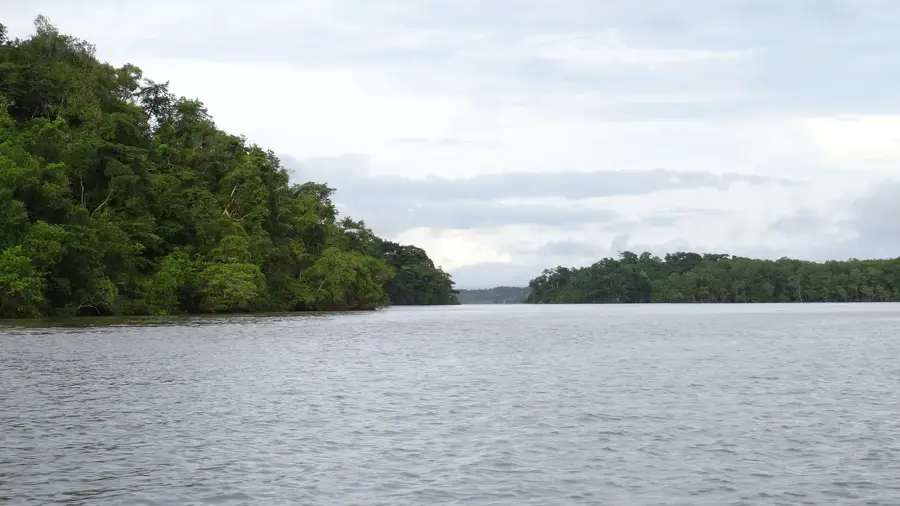
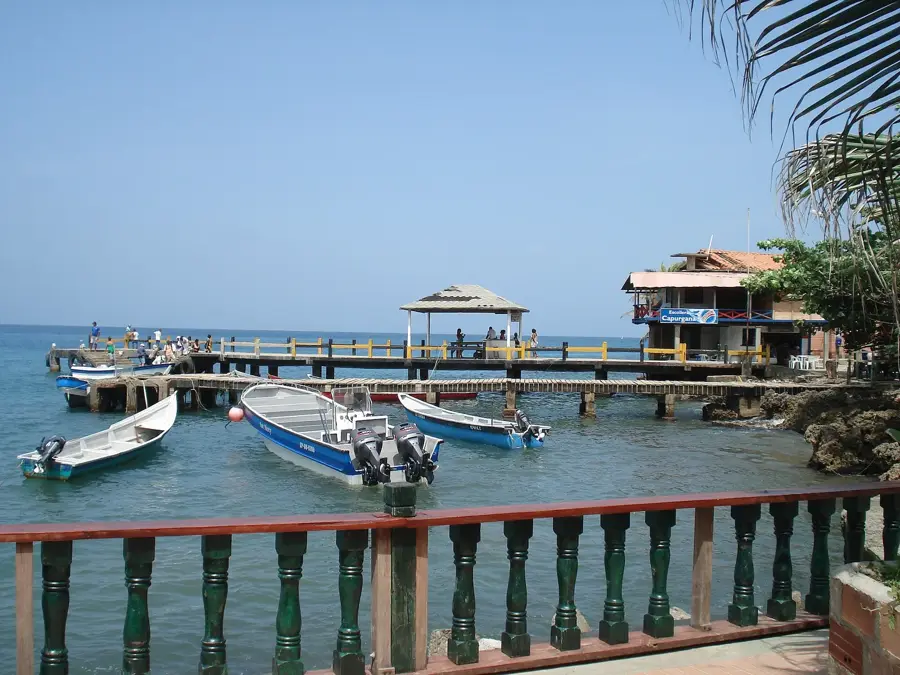
The Tuira River is the longest and largest river in Panama, flowing through the Darién Province in the eastern part of the country. With a total length of approximately 230 kilometers, it serves as a vital transportation artery in a region where dense tropical forests make road construction nearly impossible. The river basin covers a significant portion of the Darién Gap, a remote wilderness area that remains the only break in the Pan-American Highway. Historically, the river was used by indigenous groups like the Emberá and Wounaan for centuries before Spanish explorers arrived in the 16th century. Today, the Tuira remains essential for local commerce, as small boats transport agricultural products and passengers between remote settlements and the provincial capital, La Palma, located at its mouth on the Gulf of San Miguel. The surrounding ecosystem is one of the most biodiverse on Earth.
Explore on the map
How well do you know Panama?
Find cities, landscapes and regions in 10 varied challenges on the interactive map.
Your journey, your memory
A postcard from Tuira River
Turn your own photo into a personal postcard with a local stamp. Free and no sign-up required.
Create a postcardBest time to visit & climate
The most pleasant time to visit is Jan–Mar.
| Jan | Feb | Mar | Apr | May | Jun | Jul | Aug | Sep | Oct | Nov | Dec | |
|---|---|---|---|---|---|---|---|---|---|---|---|---|
| Avg °C | 25 | 26 | 27 | 26 | 25 | 25 | 25 | 25 | 25 | 24 | 24 | 25 |
| Rain mm | 81 | 39 | 99 | 223 | 288 | 262 | 270 | 244 | 270 | 251 | 254 | 196 |
📋 Practical info
Geography
Facts
- The Tuira River measures 230 km, making it the longest in Panama.
- It empties into the Gulf of San Miguel at the town of La Palma.
- Its largest tributary is the Chucunaque River.
- The river is navigable for large boats across significant stretches.
- It flows through Darién National Park, a UNESCO World Heritage site.
- Indigenous groups use traditional dugout canoes called piraguas on the river.
Explore nearby
Notable places around
Route planner — Car & Motorhome
Where do you start? We build the route here, with stops and country notes along the way.
© OpenStreetMap contributors · OpenRouteService
Sights nearby
Frequently asked questions
Can I boat on the river?
Is there wildlife there?
Is the water safe for swimming?
What is the best time to visit?
Do I need a guide?
Tuira River: where is it located?
Tuira River: when is the best time to visit?
Tuira River: why is it worth visiting?

Nearby cities
History & landmarks
Nature
More places