Plizio Visual Lab
Ado Ekiti

ℹ️Practical info — Ado Ekiti
▾
🌤 Weather — 5 days
📍 Nearby
Sights nearby
💡 Tips
- Try the pounded yam (Iyan), which is a cultural staple of the Ekiti people.
- The town is hilly, so expect some inclines when walking around the central areas.
- Commercial motorcycles (Okada) are the fastest way to get around the narrow streets.
- Visit the Ewi's Palace to learn about local history, but dress modestly and ask for permission before taking photos.
🍽 Food
The cultural staple of the Ekiti people, available at any local 'buka' around Fajuyi.
A typical morning breakfast food sold by street vendors near the main transport hubs.
Try this traditional delicacy at rural-style taverns on the roads leading out of town.
🛍 Shopping · 🧘 Quiet spots
The bustling central market where you can find fresh ingredients and local wares.
Good spots to browse for traditional Yoruba woven fabrics and attire.
A green space with historical significance, providing a quiet break from the city.
Features spacious, calmer walking areas away from the downtown traffic.
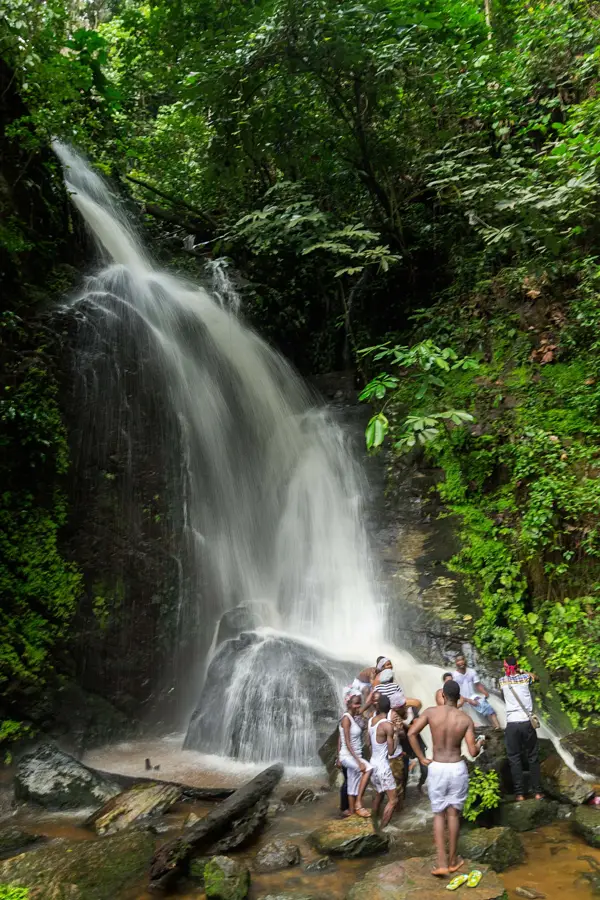
A nearby natural wonder where warm and cold springs meet, well-suited for a peaceful day trip.
Water temperature…
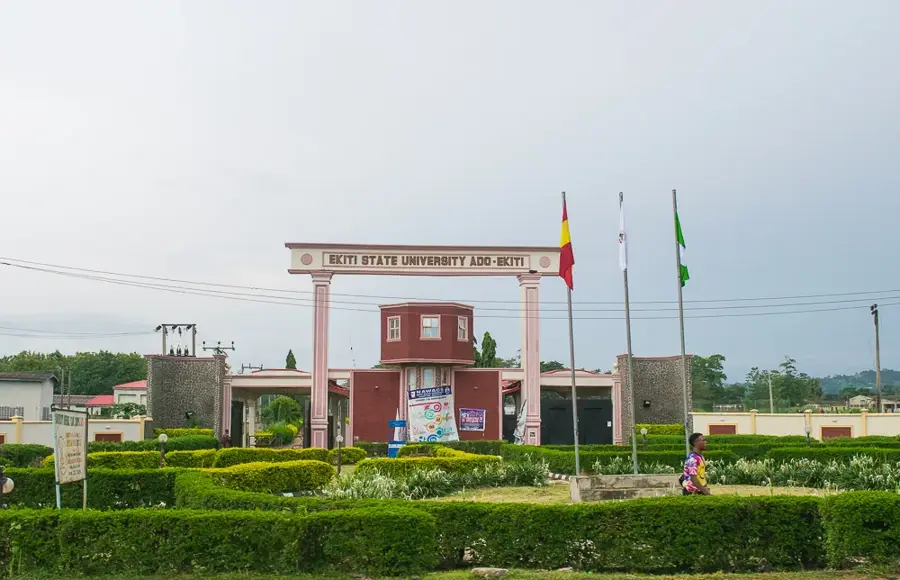
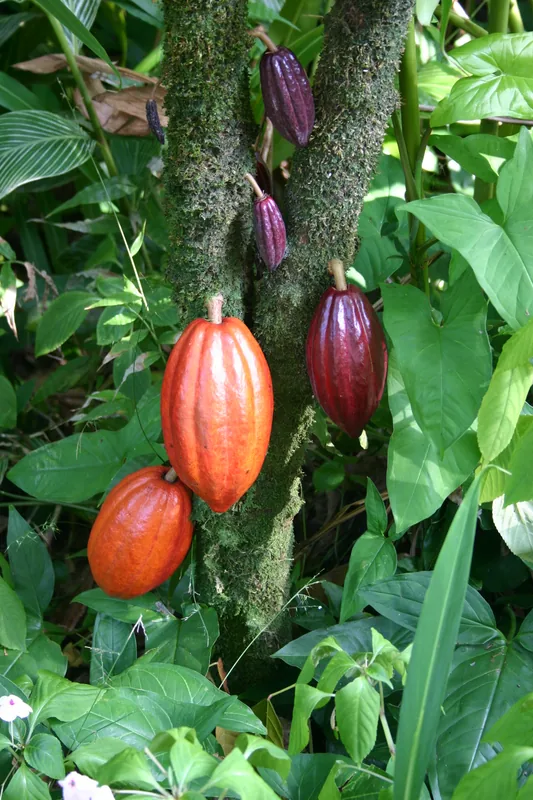
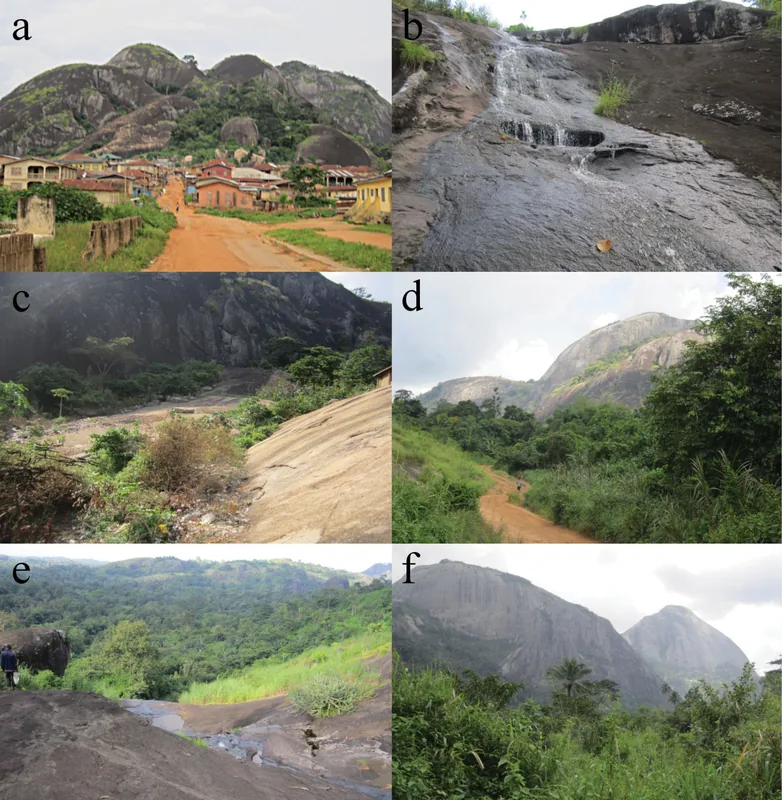
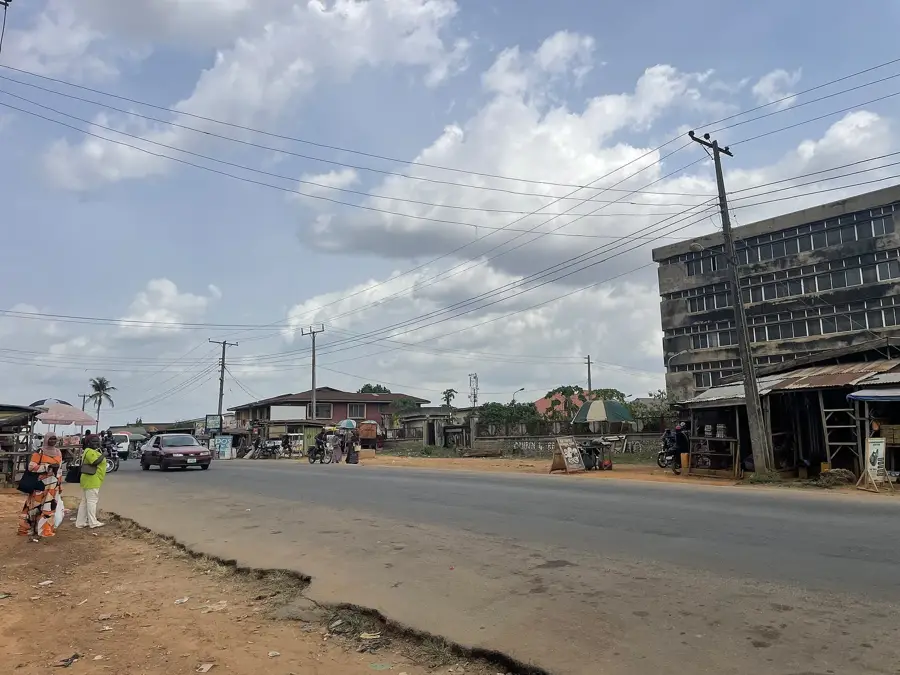
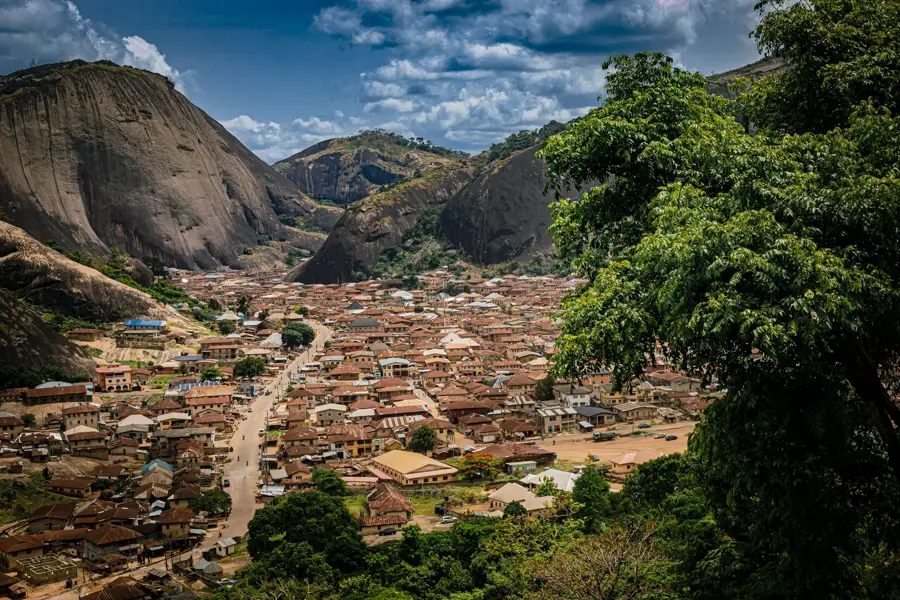
Ado Ekiti is the spirited capital city of Ekiti State, located in the hilly heartland of southwestern Nigeria. Known for its academic excellence and rich cultural heritage, the city sits at an elevation that provides a slightly cooler climate compared to the coastal lowlands. Historically, it is an ancient settlement that serves as the ancestral home of the Ewi of Ado-Ekiti, a paramount traditional ruler whose palace remains a significant historical landmark and a symbol of Yoruba political organization. The city's geography is characterized by rolling hills and massive rock outcroppings, which provided natural defenses in pre-colonial times. Today, Ado Ekiti has transitioned into a major administrative and educational hub. It hosts the Ekiti State University and the Federal Polytechnic, earning the state its nickname, the "Fountain of Knowledge." The economy is largely driven by agriculture and the civil service; the surrounding fertile lands produce significant quantities of cocoa, yams, cassava, and timber. Urban development in recent years has seen the expansion of major dual-carriage roads, the construction of modern markets like the ultra-modern Oja Oba, and the improvement of healthcare facilities. Demographically, the city is predominantly inhabited by the Ekiti sub-group of the Yoruba people, known for their industry and high value for education. The city acts as a central node for regional trade, connecting the northern savannah regions with the southern forest belts. Cultural festivals, such as the Udiroko festival, celebrate the city's history and provide a platform for the Ewi to interact with his subjects. Ado Ekiti also serves as a gateway to several tourist attractions in the state, including the famous Ikogosi Warm Springs and the Arinta Waterfalls. The blend of traditional monarchical influence with a burgeoning modern economy makes Ado Ekiti a unique example of a medium-sized Nigerian city evolving to meet 21st-century challenges while maintaining its profound historical identity.
Explore on the map
How well do you know Nigeria?
Find cities, landscapes and regions in 10 varied challenges on the interactive map.
Your journey, your memory
A postcard from Ado Ekiti
Turn your own photo into a personal postcard with a local stamp. Free and no sign-up required.
Create a postcard- Location: Nigeria
- Nearby: Ikogosi (26 km)
- Population: ~435.000 (2026)
Best time to visit & climate
The most pleasant time to visit is Jan, Feb, Dec.
| Jan | Feb | Mar | Apr | May | Jun | Jul | Aug | Sep | Oct | Nov | Dec | |
|---|---|---|---|---|---|---|---|---|---|---|---|---|
| Avg °C | 24 | 26 | 26 | 26 | 25 | 24 | 24 | 24 | 24 | 25 | 25 | 24 |
| Rain mm | 14 | 25 | 52 | 113 | 158 | 212 | 227 | 210 | 293 | 187 | 43 | 16 |
Geography
Facts
- Ado Ekiti serves as the headquarters of the Ado-Ekiti Local Government Area.
- The city's name is often hyphenated as Ado-Ekiti in official government documents.
- It is located in the tropical rainforest zone, though much primary forest is now farmland.
- The city's elevation contributes to a moderate tropical savanna climate (Aw).
- The Ewi's palace contains historical artifacts dating back several centuries.
- Major industries include small-scale textile manufacturing and food processing.
- The city has seen rapid spatial expansion since Ekiti State was carved out of Ondo State.
- Ado Ekiti is a major hub for the production and distribution of high-quality timber.
Explore nearby
Notable places around
Route planner — Car & Motorhome
Where do you start? We build the route here, with stops and country notes along the way.
© OpenStreetMap contributors · OpenRouteService
Sights in the town Ado Ekiti (1)
Frequently asked questions
What characterizes Ado-Ekiti?
What is there to do?
Best time to travel?
Is it a tourist destination?
How is the atmosphere?
Ado Ekiti: where is it located?
Ado Ekiti: when is the best time to visit?
Ado Ekiti: why is it worth visiting?
Nearby cities


History & landmarks
More places