Plizio Visual Lab
Gobirawa Ruins

Weather…
Water temperature…
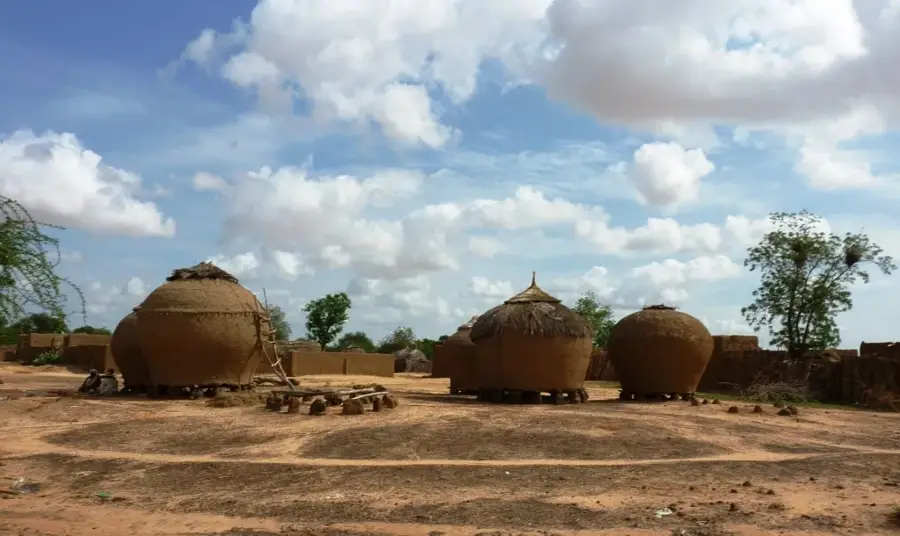
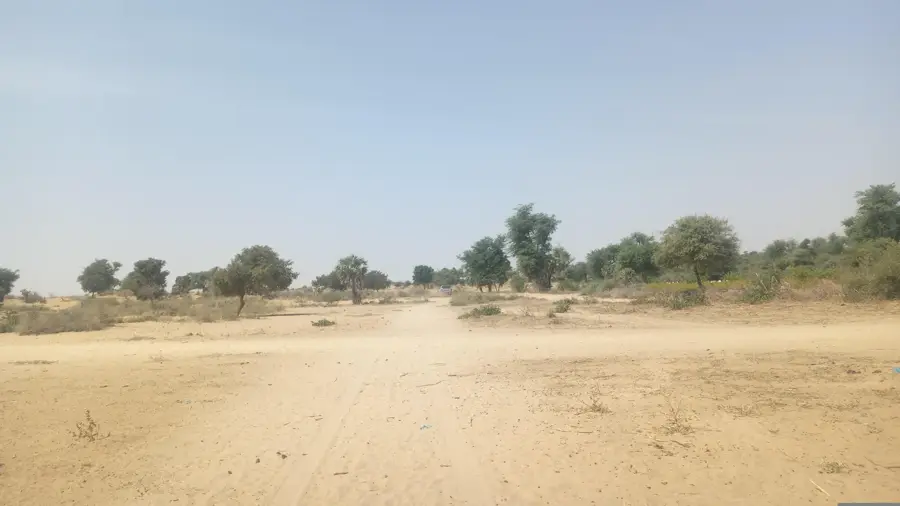
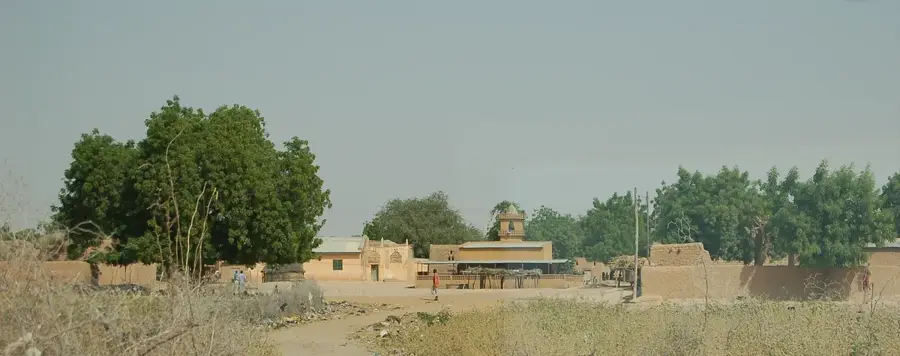
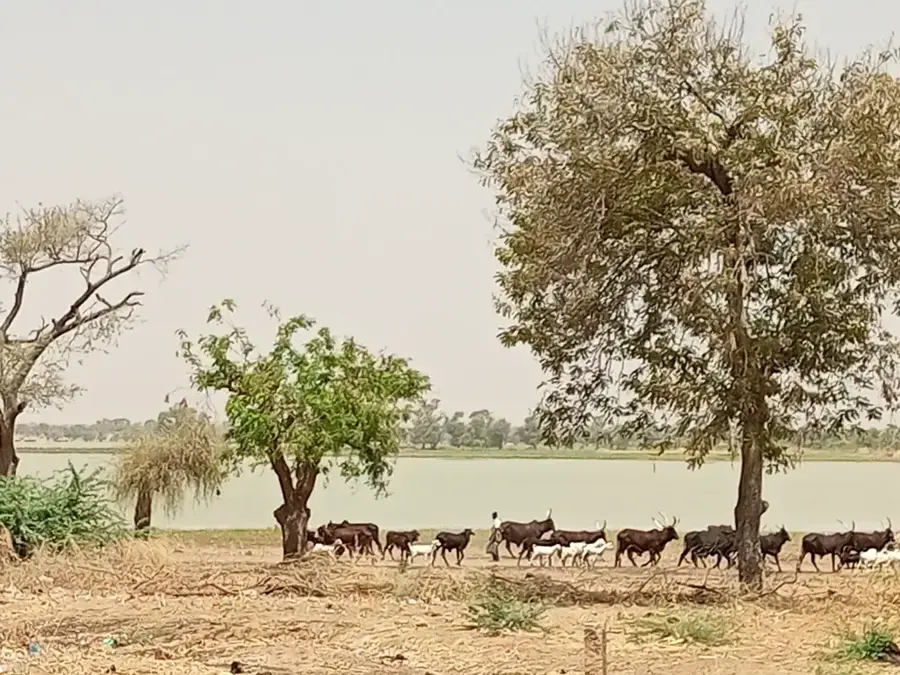
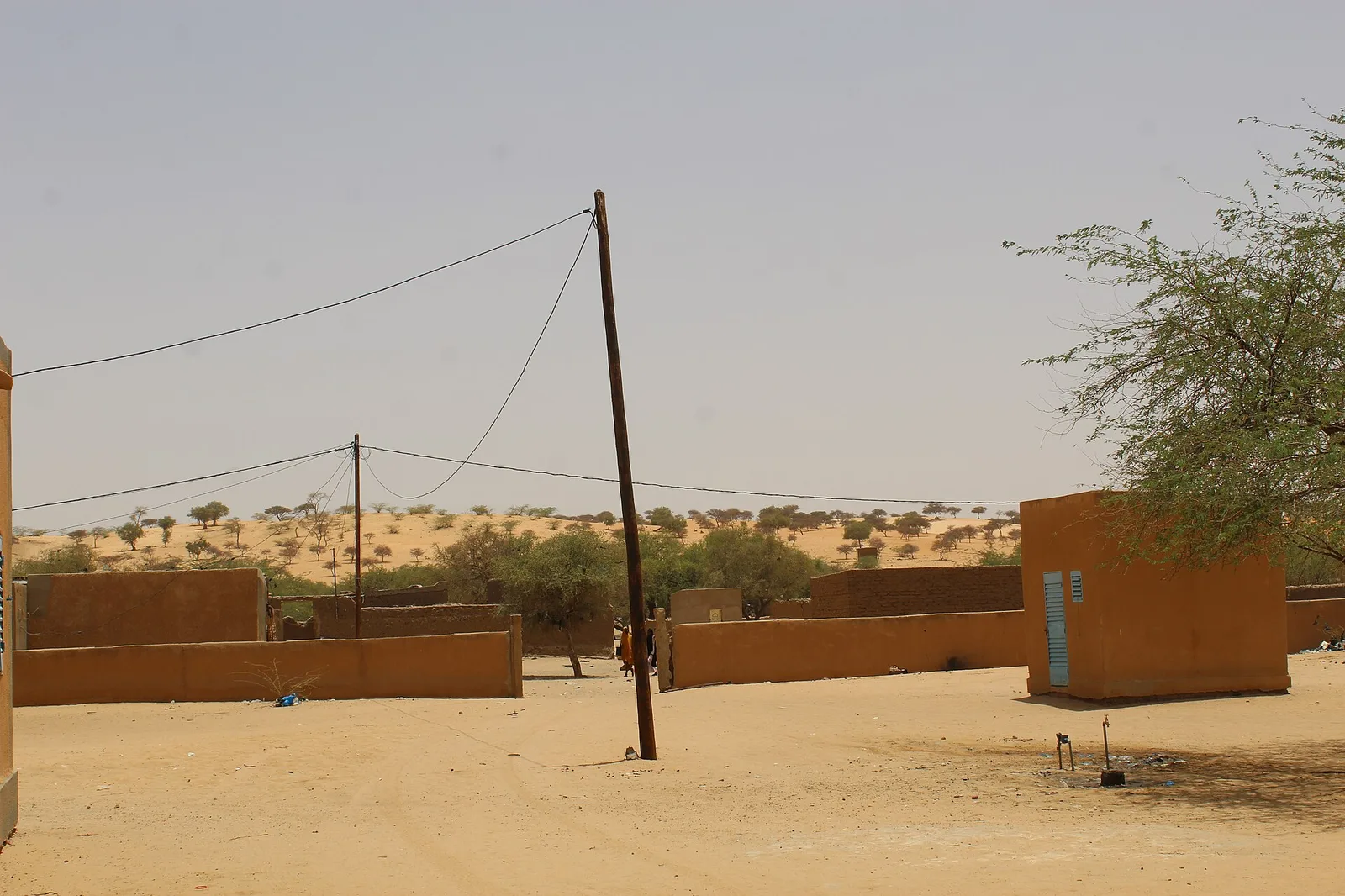
The ruins of Gobirawa stand as silent witnesses to the once-mighty Hausa city-state of Gobir, which emerged as a dominant military power in the central Sahel during the 18th century. Gobir was famed for its martial prowess and its staunch resistance against the rising Fulani Jihad led by Usman dan Fodio. Its historical capital, Alkalawa, whose remains lie in the border region between present-day Niger and Nigeria, served as a sophisticated hub for politics and trade. The ruins encompass fragments of defensive earthworks and palace structures that hint at the empire's former grandeur and strategic complexity. Gobir was a significant cultural nexus where traditional Hausa rituals and early Islamic administrative practices coexisted. Following the fall of Alkalawa in 1808, the Gobirawa relocated their center of power northward into modern Niger. These archaeological sites are now crucial for studying West Africa's pre-colonial history and remain a symbol of pride for the Hausa people.
Explore on the map
How well do you know Niger?
Find cities, landscapes and regions in 10 varied challenges on the interactive map.
Your journey, your memory
A postcard from Gobirawa Ruins
Turn your own photo into a personal postcard with a local stamp. Free and no sign-up required.
Create a postcard- Location: Niger
- Nearby: Mayahi (22 km)
Best time to visit & climate
The most pleasant time to visit is Jan, Feb, Dec.
| Jan | Feb | Mar | Apr | May | Jun | Jul | Aug | Sep | Oct | Nov | Dec | |
|---|---|---|---|---|---|---|---|---|---|---|---|---|
| Avg °C | 21 | 25 | 29 | 32 | 33 | 32 | 29 | 27 | 28 | 28 | 25 | 22 |
| Rain mm | 0 | 0 | 1 | 4 | 21 | 56 | 123 | 180 | 72 | 11 | 0 | 0 |
📋 Practical info
Geography
Facts
- Gobir was one of the seven original Hausa city-states known as the Hausa Bakwai.
- The capital, Alkalawa, was razed in 1808 after a decisive battle with Jihadist forces.
- The traditional rulers of the Gobir kingdom hold the title of 'Sarkin Gobir.'
- The Gobirawa people are recognized for their unique facial tribal markings.
- Gobir historically controlled the strategic trade routes heading towards Agadez.
- Archaeological evidence reveals extensive defensive fortifications dating to the 1700s.
Explore nearby
Notable places around
Route planner — Car & Motorhome
Where do you start? We build the route here, with stops and country notes along the way.
© OpenStreetMap contributors · OpenRouteService
Sights nearby
Frequently asked questions
What are the Gobirawa ruins?
What is the condition of the ruins?
Is a guide needed?
Are the ruins easily accessible?
What should one bring?
Gobirawa Ruins: where is it located?
Gobirawa Ruins: when is the best time to visit?
Gobirawa Ruins: why is it worth visiting?

Nearby cities

History & landmarks
More places