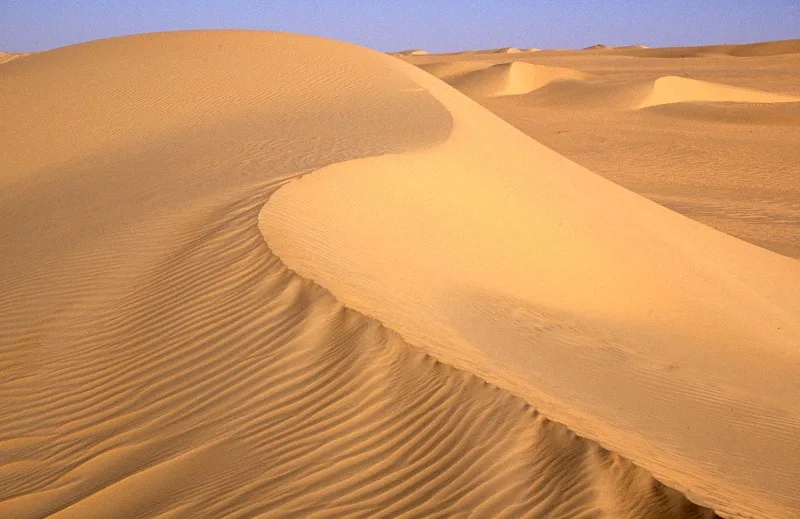
Attractions in Niger
The finest attractions in Niger at a glance: castles, natural wonders, historic old towns and more. Each place links to a detailed page with map, tips and photos.
Culture & History
Tree of Ténéré site
The former site of the most isolated tree in the world, now a symbolic location marked by a metal sculpture monument.
Learn more →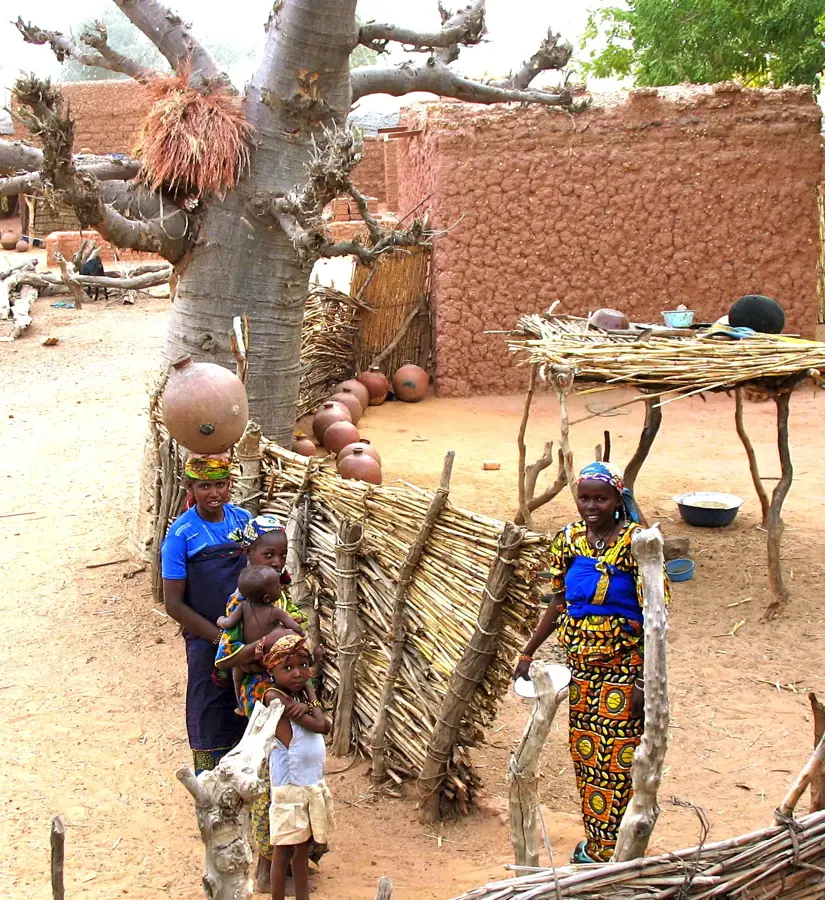
Maradi Craft Center
An important center for Hausa crafts in Maradi, especially known for textiles and red goat leather.
Learn more →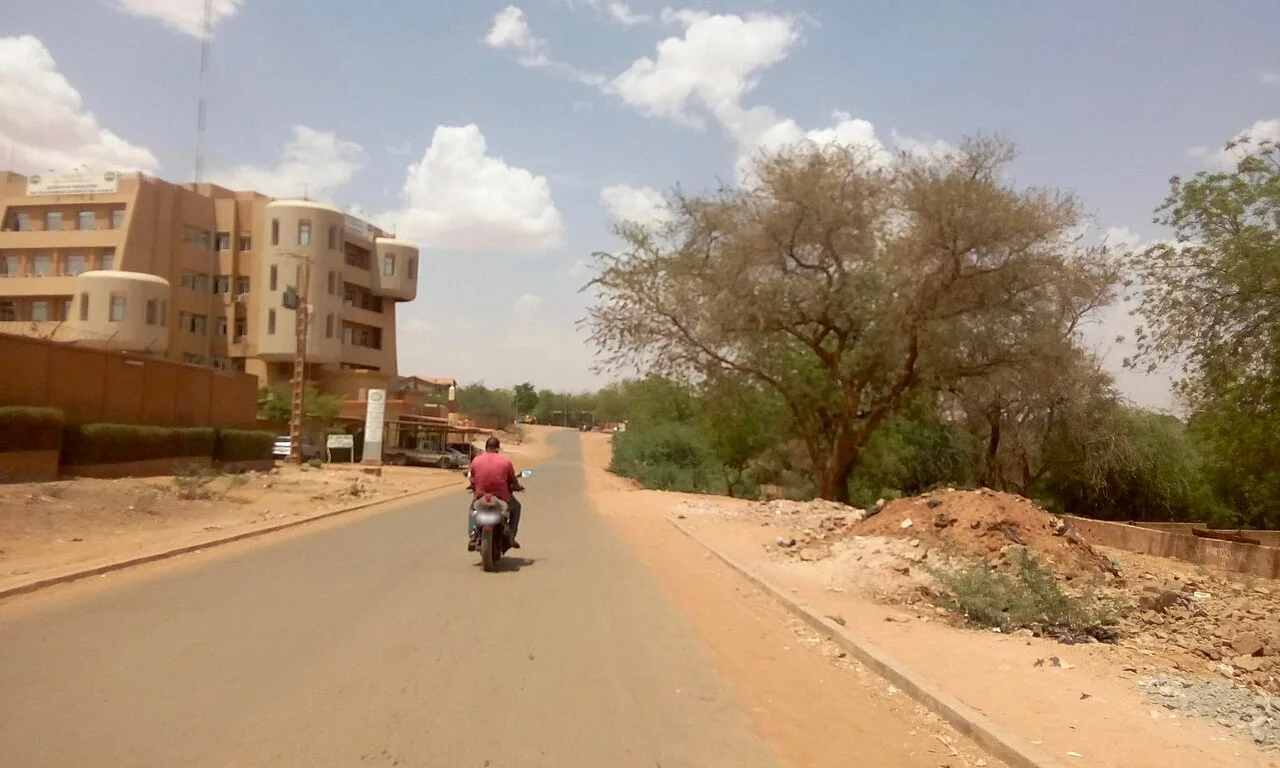
Niamey Railway Station
The main railway station of the capital, officially inaugurated in 2014, whose rail network remained incomplete.
Learn more →
Grand Mosque of Tahoua
A significant religious center in Tahoua, serving as a meeting point for Tuareg and Hausa communities.
Learn more →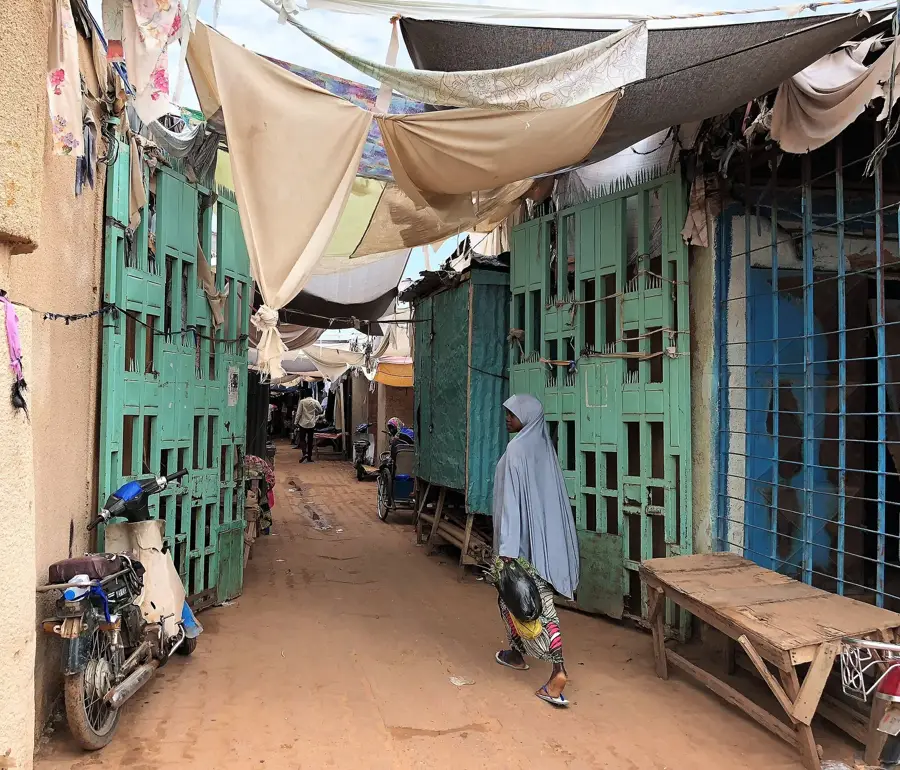
Grand Market of Dosso
A central marketplace in Dosso that brings together agricultural products and crafts from across the south.
Learn more →
Abdou Moumouni University
The only and largest public university in Niamey, named after a famous Nigerien physicist.
Learn more →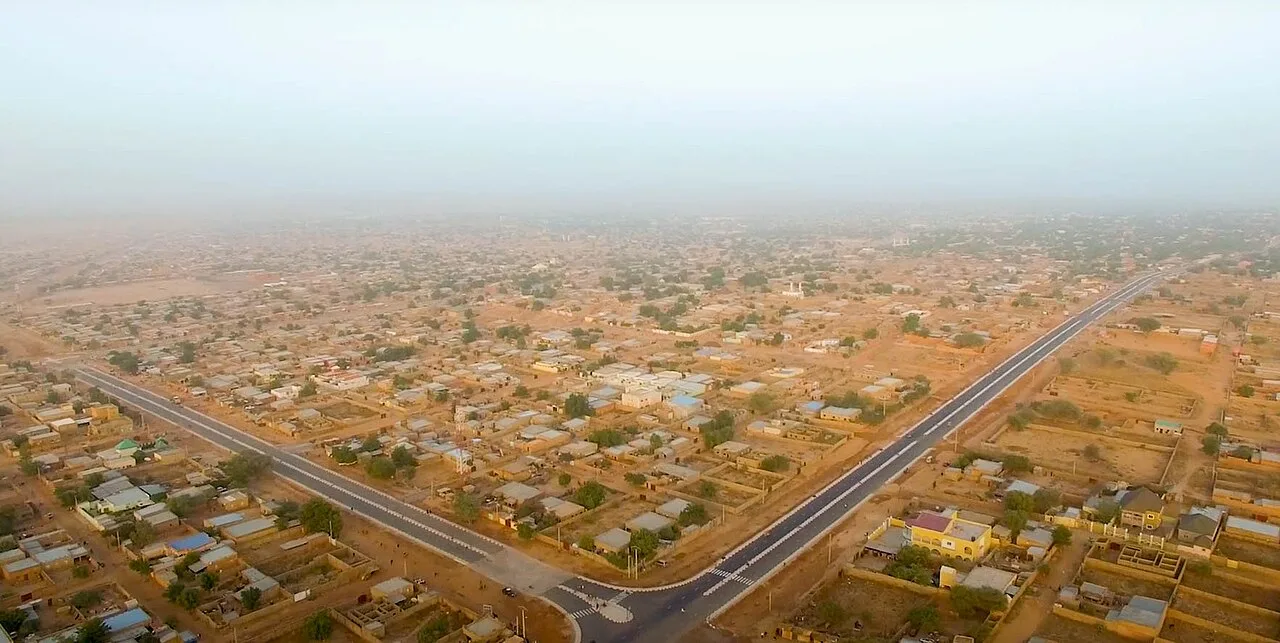
Grand Mosque of Zinder
The central spiritual building in Zinder, featuring architectural elements of the Damagaram region.
Learn more →
Presidential Palace of Niamey
The official seat of the head of state of Niger, a highly secured and representative building.
Learn more →
Tahoua Artisan Market
A bustling market famous for its Tuareg leatherwork and traditional Tuareg jewelry.
Learn more →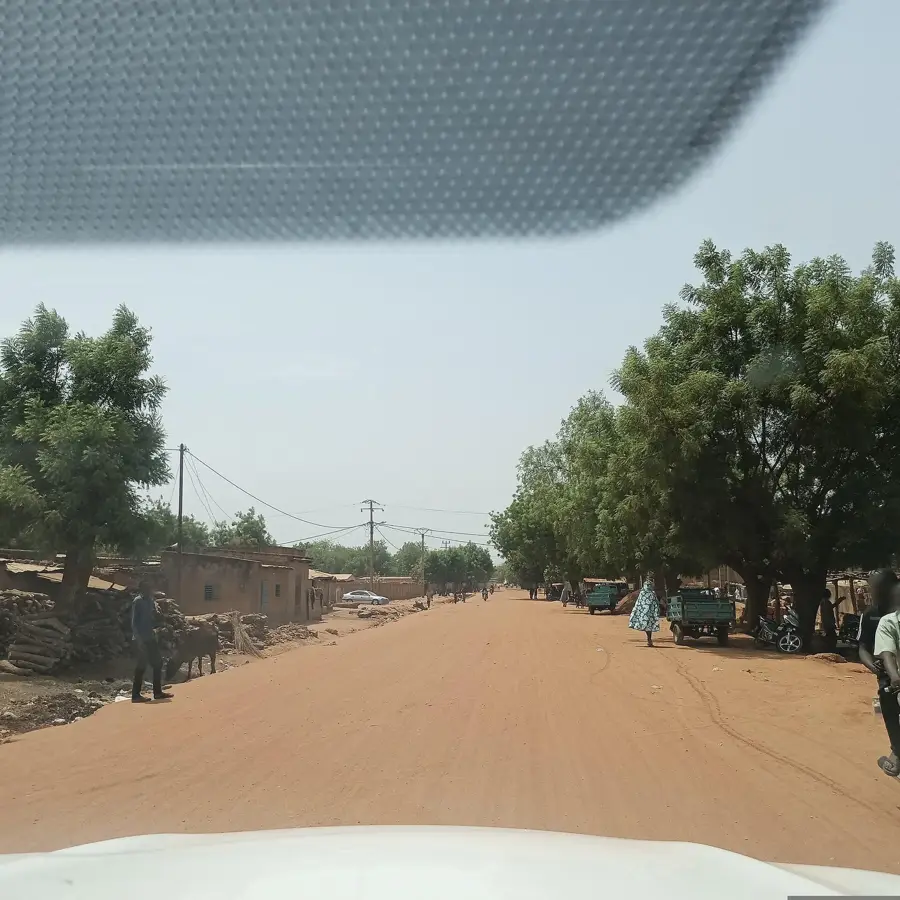
Gaya-Malanville Border Bridge
The most strategically important bridge connecting Niger with Benin across the Niger River.
Learn more →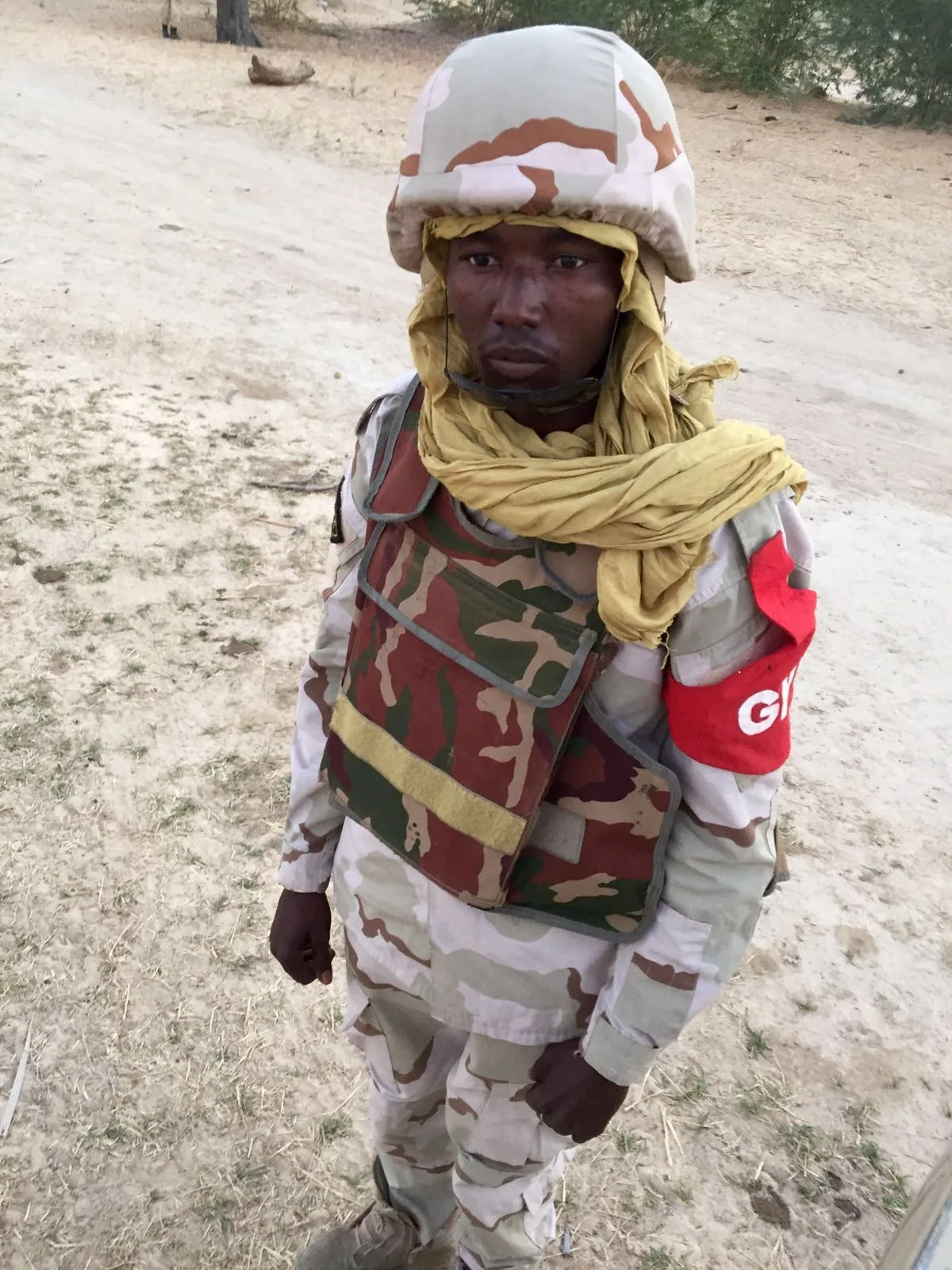
General Seyni Kountché Stadium
The national multi-purpose stadium of Niger, used primarily for football matches.
Learn more →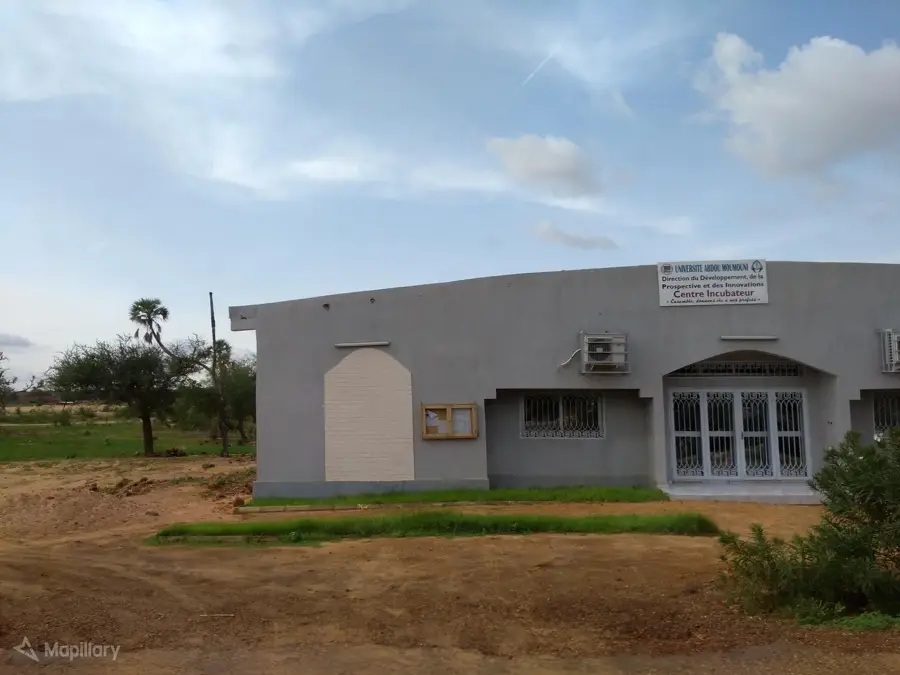
China-Niger Friendship Bridge
The second major bridge across the Niger River in Niamey, which massively relieves traffic.
Learn more →
Zinder Craft Center
A center for promoting local crafts, especially leatherwork and jewelry.
Learn more →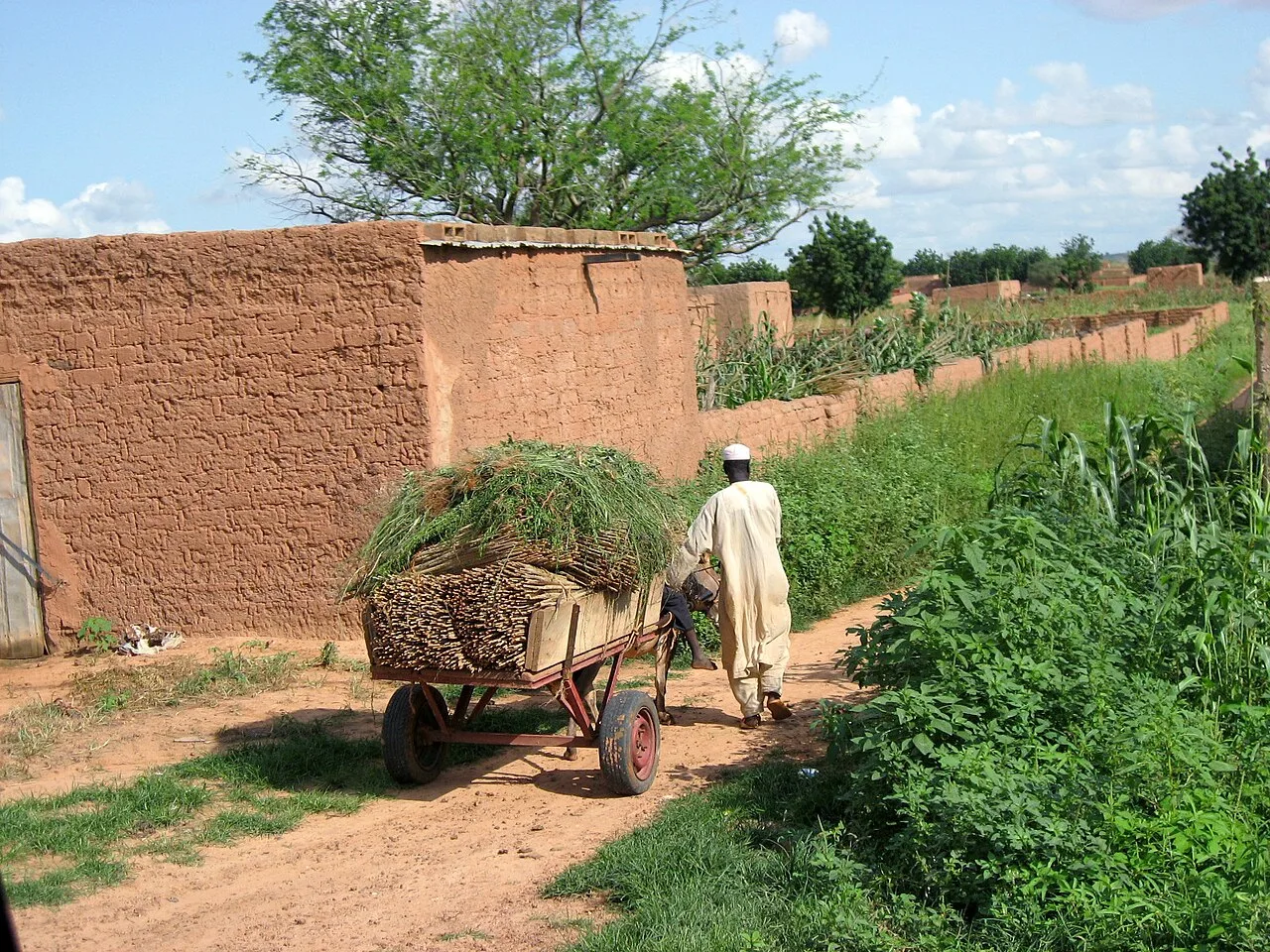
Palace of the Djermakoye
The historical and ceremonial palace of the traditional leader of the Zarma in Dosso.
Learn more →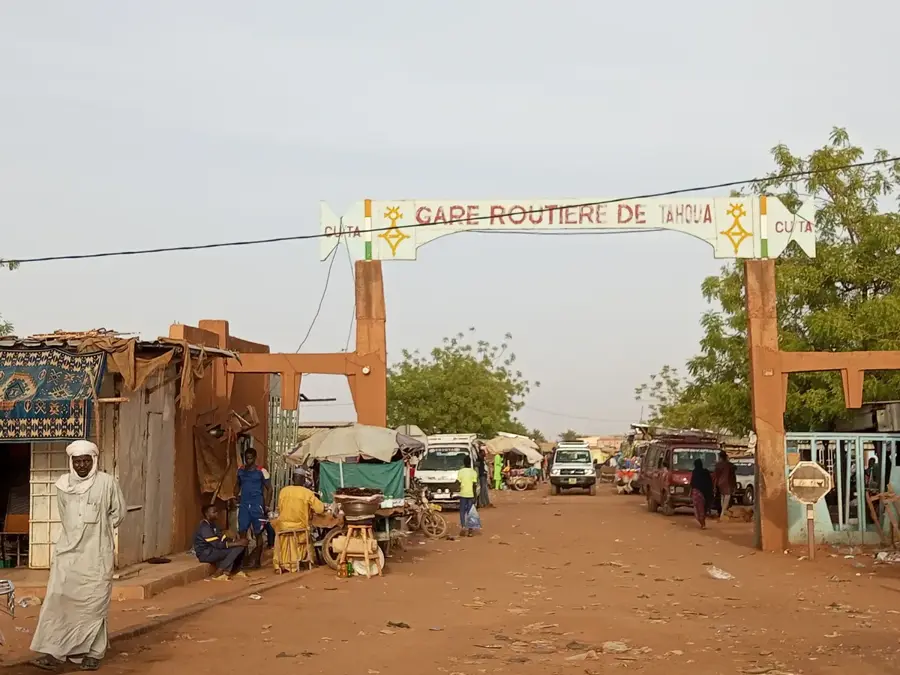
Palace of the Canton Chief of Tahoua
The residence of the traditional leadership in Tahoua, a place of cultural significance.
Learn more →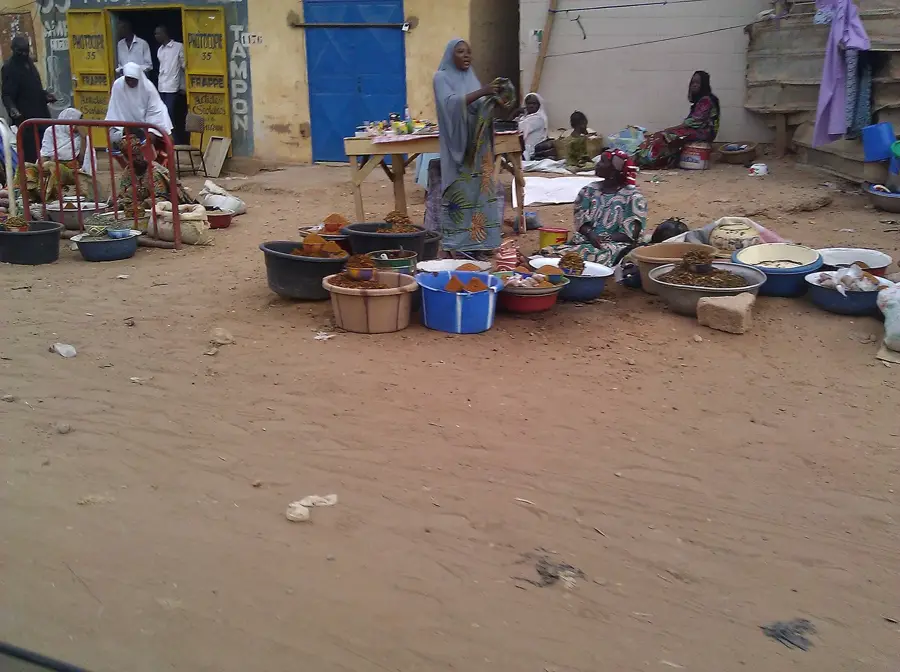
ORTN Broadcasting Tower
The characteristic broadcasting tower of the state radio and television of Niger.
Learn more →Nature
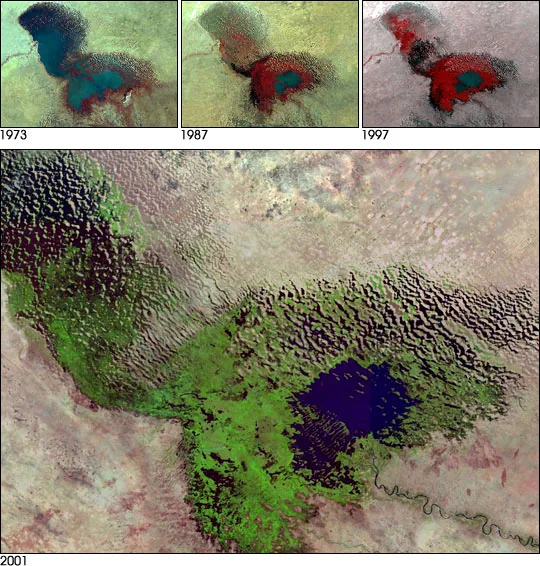
Lake Chad
A significant endorheic lake located at the border between Niger, Chad, Cameroon, and Nigeria.
Learn more →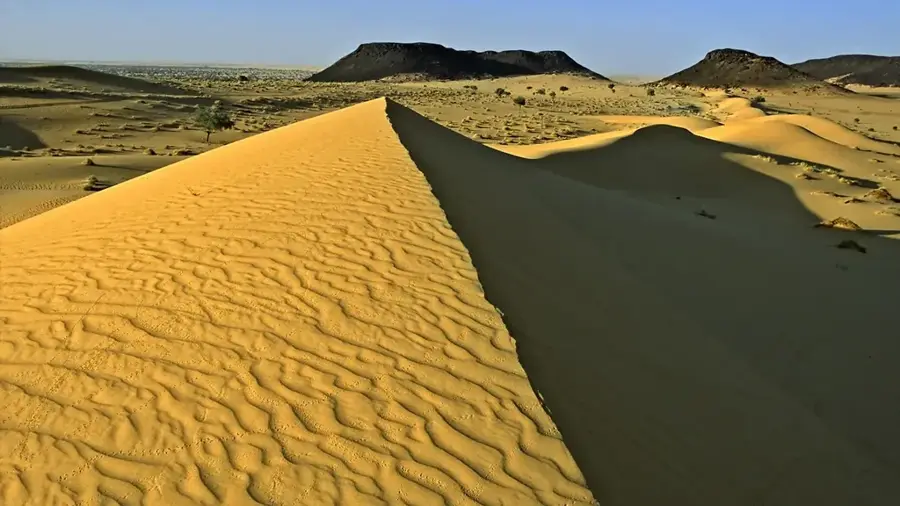
Termit Massif
A mountain range in eastern Niger, striking for its spectacular rock formations.
Learn more →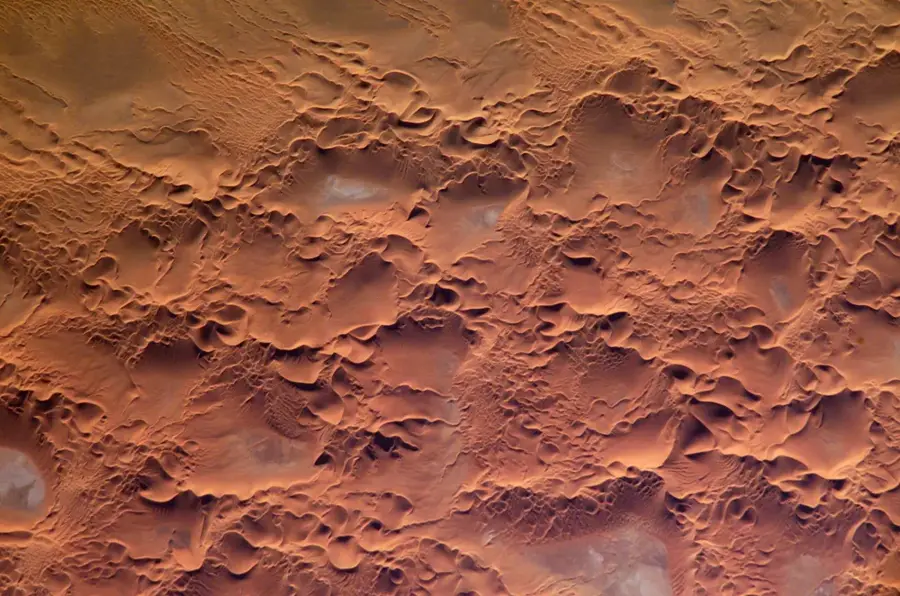
Erg Ténéré
A sub-region of the Ténéré desert, characterized by huge, shifting sand dunes.
Learn more →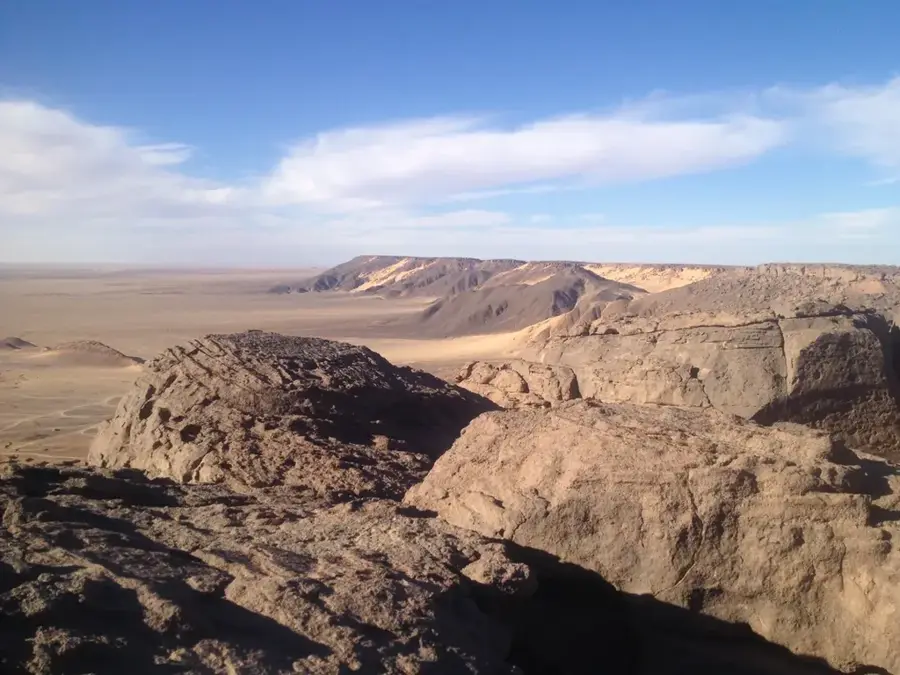
Djado Plateau
A high plateau in northeastern Niger, famous for its ancient rock carvings.
Learn more →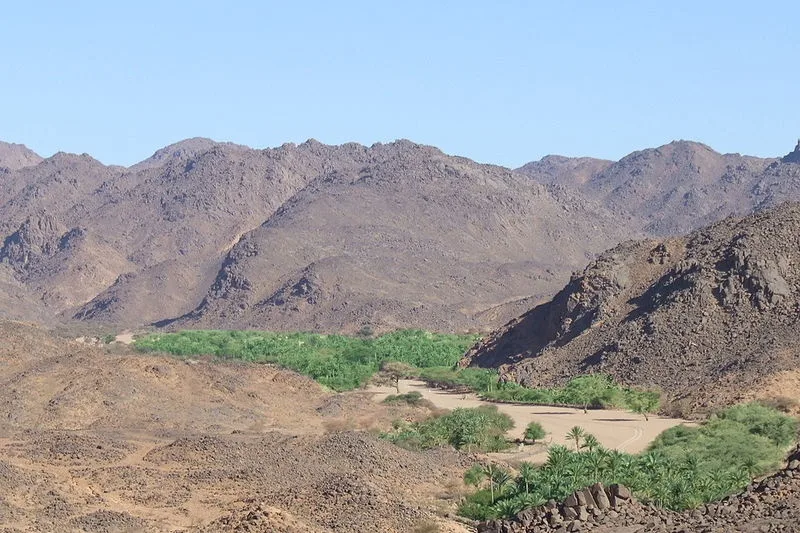
Aïr Mountains
An isolated mountain range in northern Niger, consisting of volcanic rocks.
Learn more →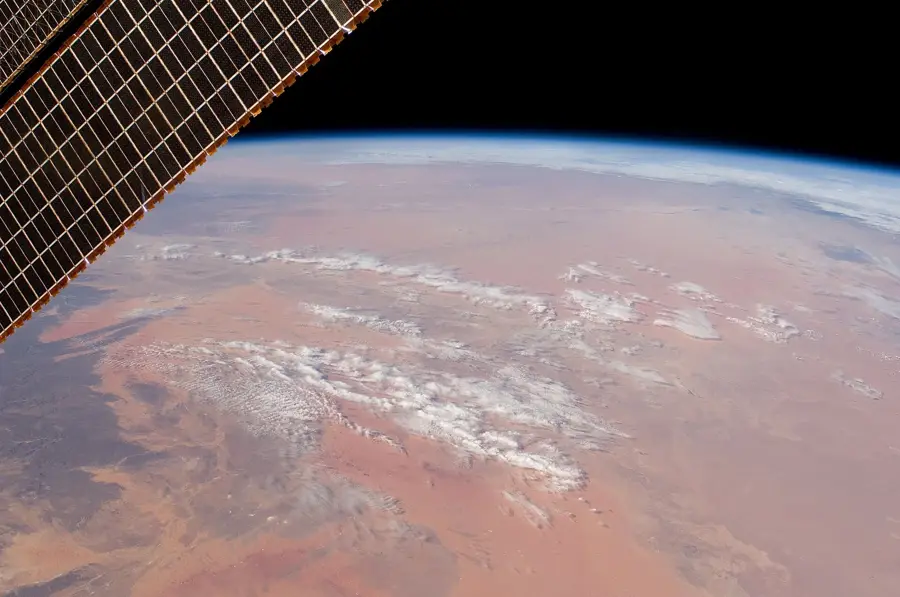
Edge of Erg Mourzouk
The marginal areas of the great Mourzouk sand sea, reaching into Niger.
Learn more →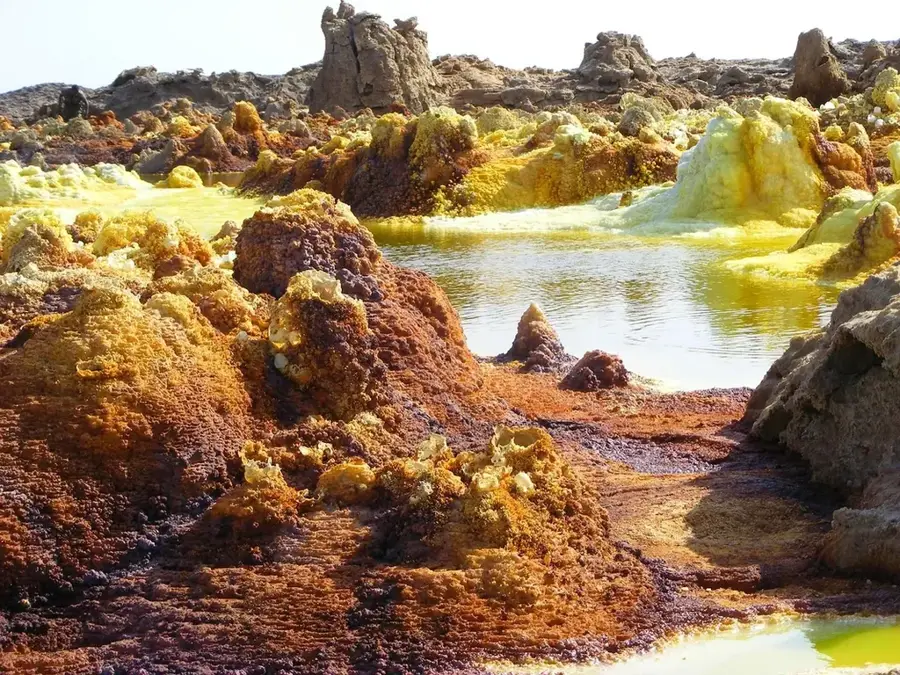
Dallol Fogha
Another important fossil river valley in the southwest, which is hydrologically relevant.
Learn more →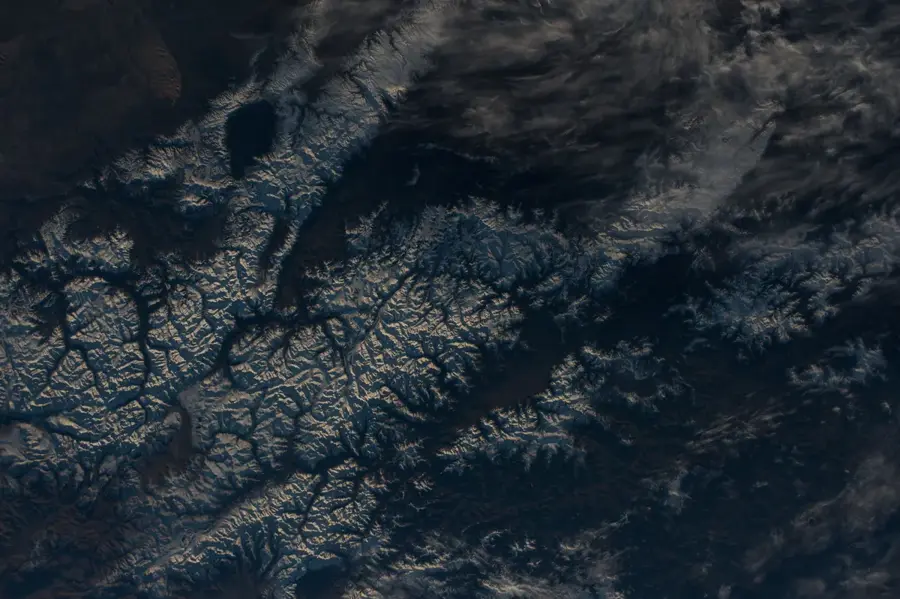
Koutous Massif
A mountainous and plateau region in southeastern Niger.
Learn more →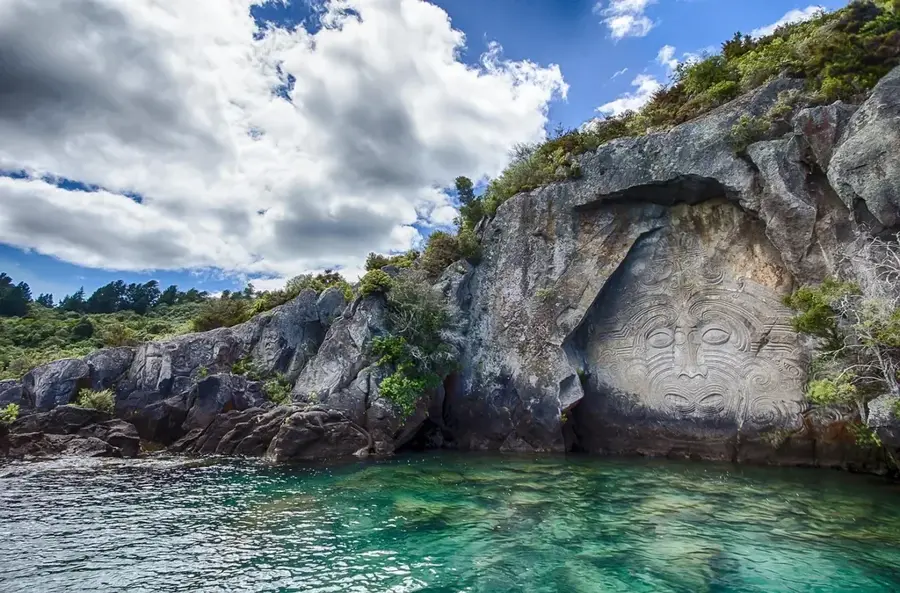
Dallol Maouri
An important fossil river valley in the southwest, which is now a major wetland.
Learn more →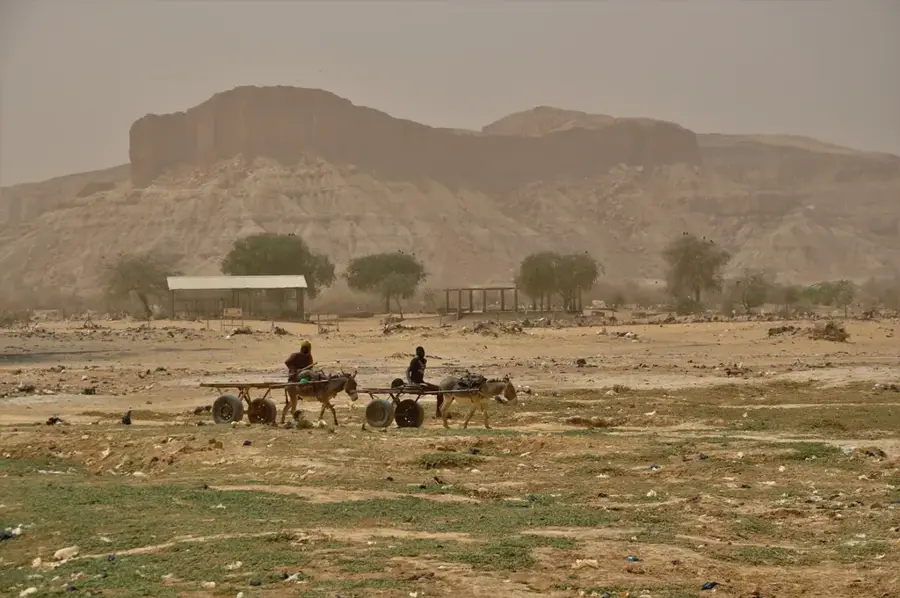
Dallol Bosso
An ancient, fossil river valley in southwestern Niger that carries water periodically.
Learn more →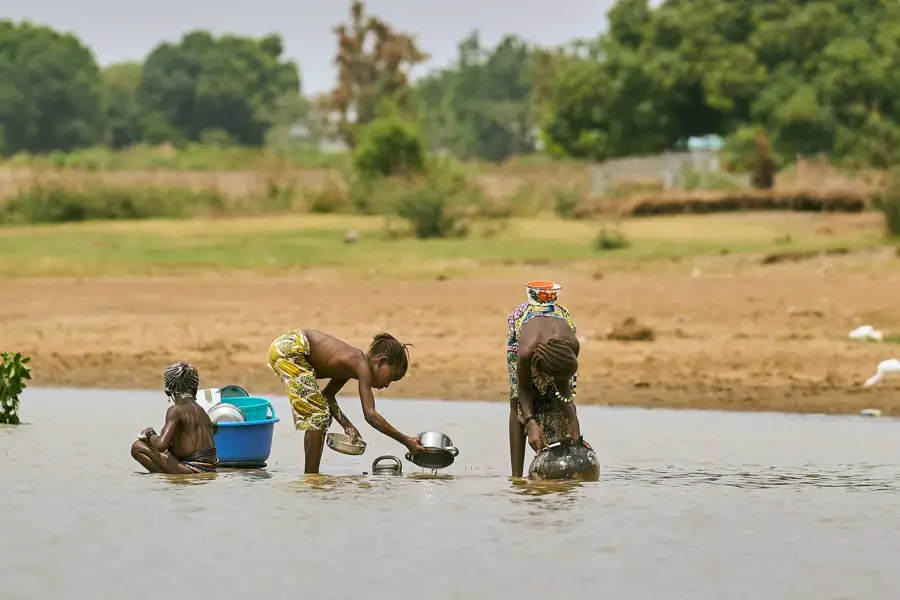
Niger River
The longest river in West Africa, serving as a vital lifeline for Niger.
Learn more →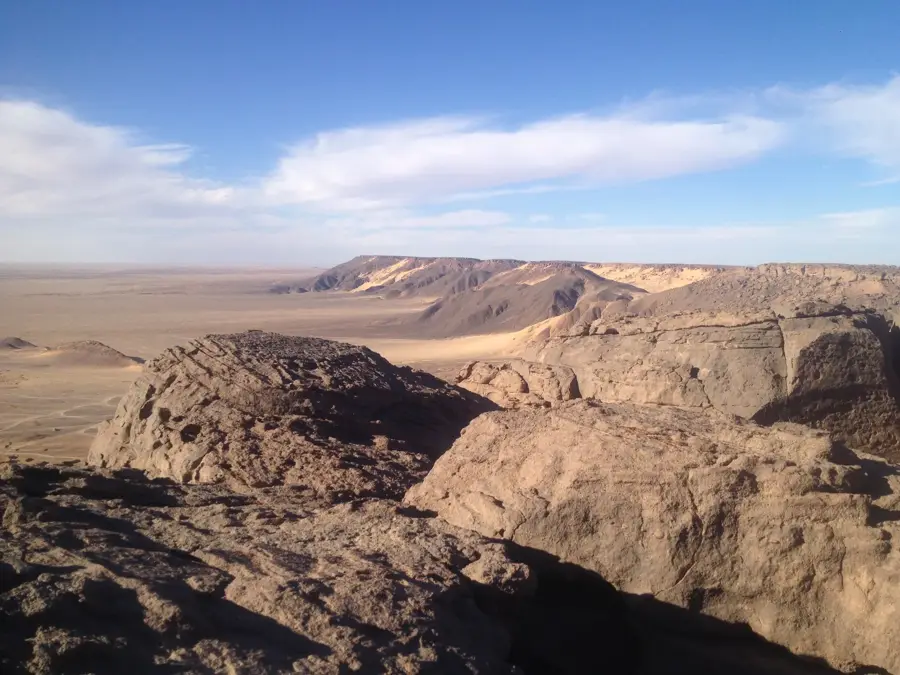
Tchigaï Plateau
A remote high plateau on the border with Chad.
Learn more →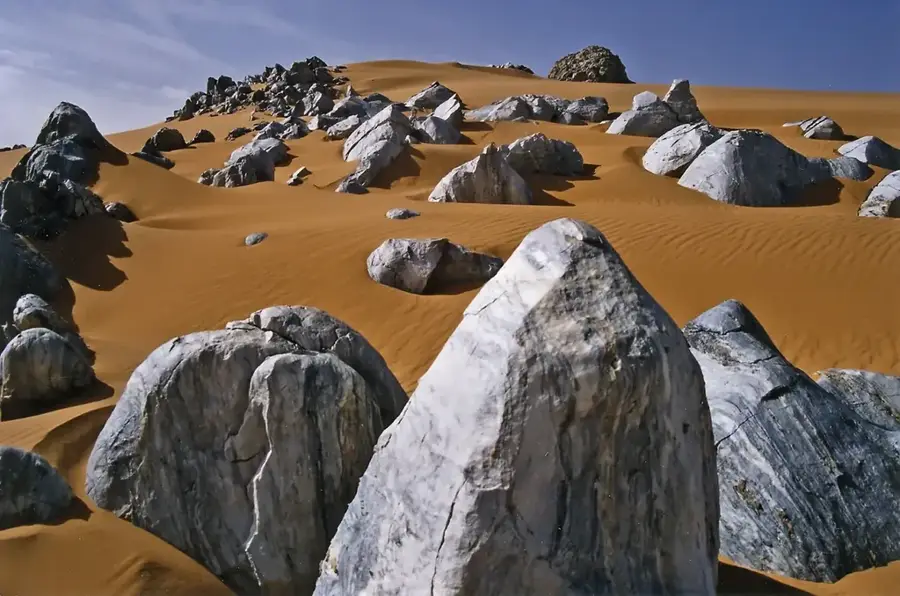
Iférouane Massif
A mountainous region in the heart of the Aïr Mountains.
Learn more →More highlights
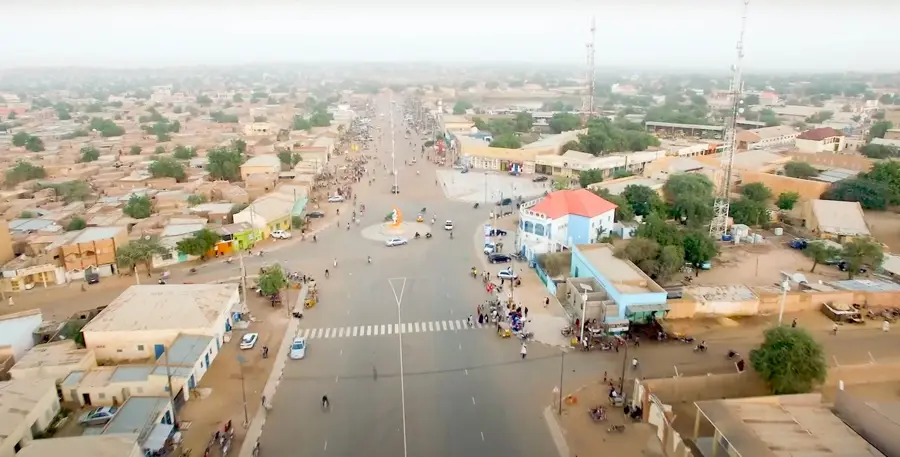
Sultan's Palace of Zinder
The historical residence of the Sultan of Damagaram, a symbol of regional power and tradition in the 19th century.
Learn more →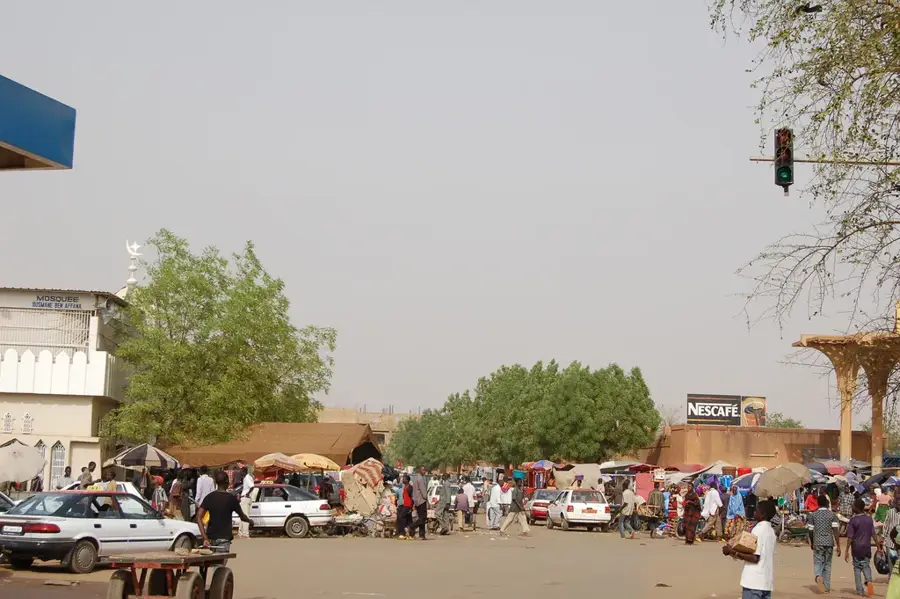
Historical Grand Market of Niamey
A traditional trading hub that grew in the heart of the capital, connecting colonial and modern times.
Learn more →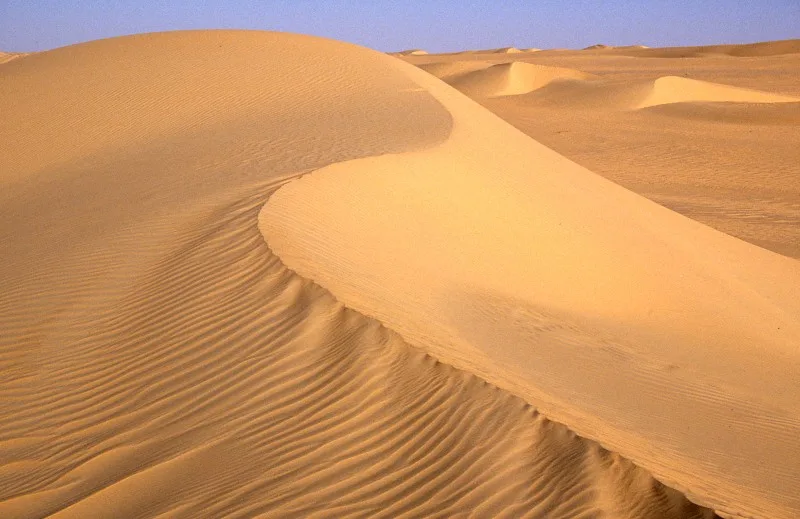
Arbre du Ténéré Memorial
A metal tree commemorates what was once the most isolated tree in the world, serving as a vital landmark.
Learn more →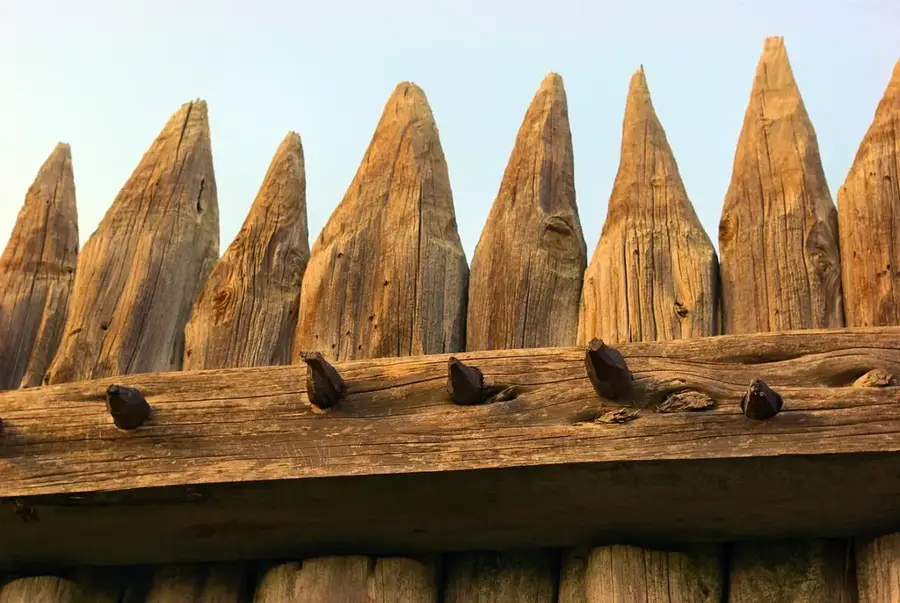
Historical Outpost of Dirkou
A traditional resting station in the Sahara that has offered refuge to travelers and traders since antiquity.
Learn more →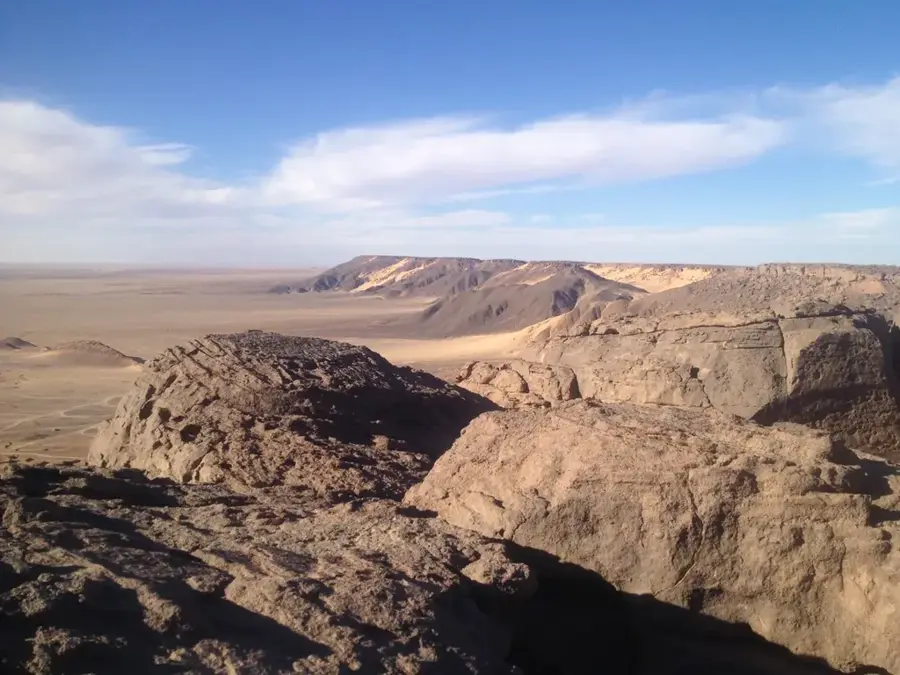
Abandoned City of Djado
The ruins of an ancient fortified city in the Sahara that was once an important resting place for caravans.
Learn more →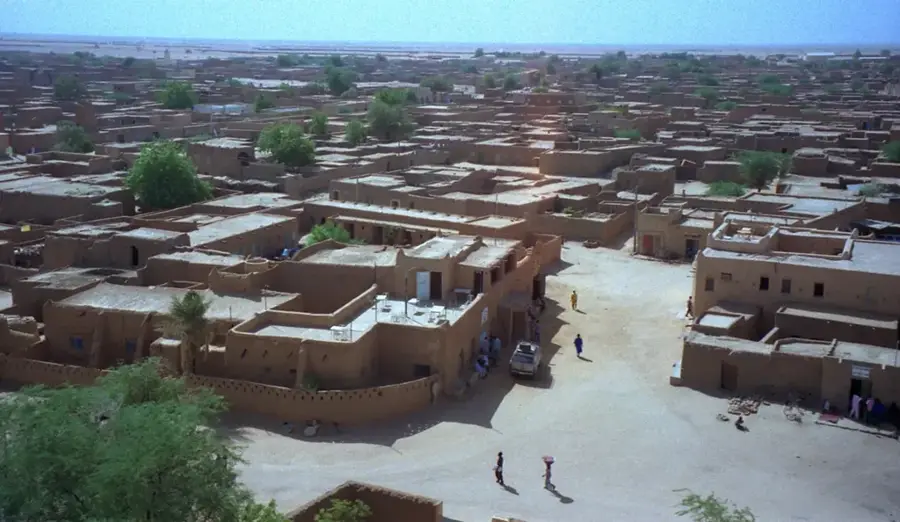
Historic Centre of Agadez
An ancient Tuareg caravan center and UNESCO World Heritage site known for its mud-brick architecture.
Learn more →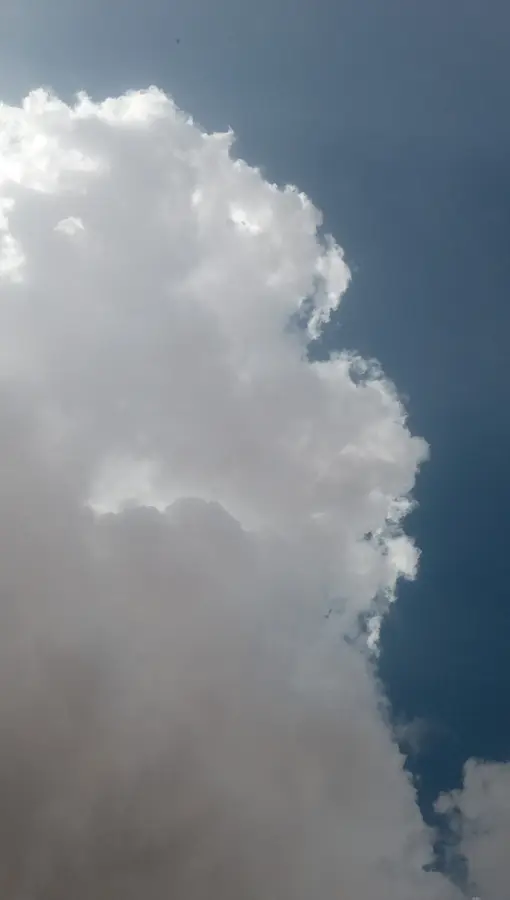
Historical Birni Quarter
The old city center of Zinder, known for its winding alleys and traditional Hausa architecture.
Learn more →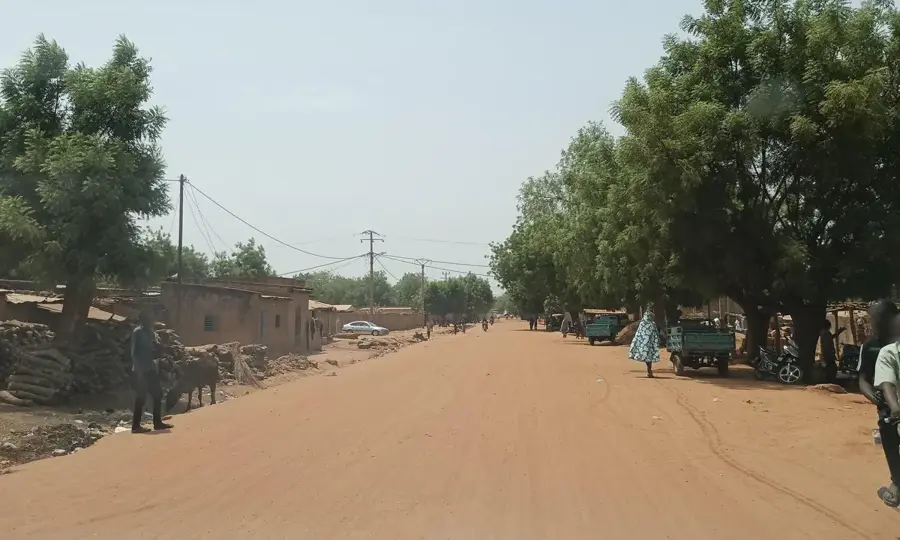
Gaya Historical Gateway
Niger's southernmost city has a long history as a major trading portal to Benin and Nigeria.
Learn more →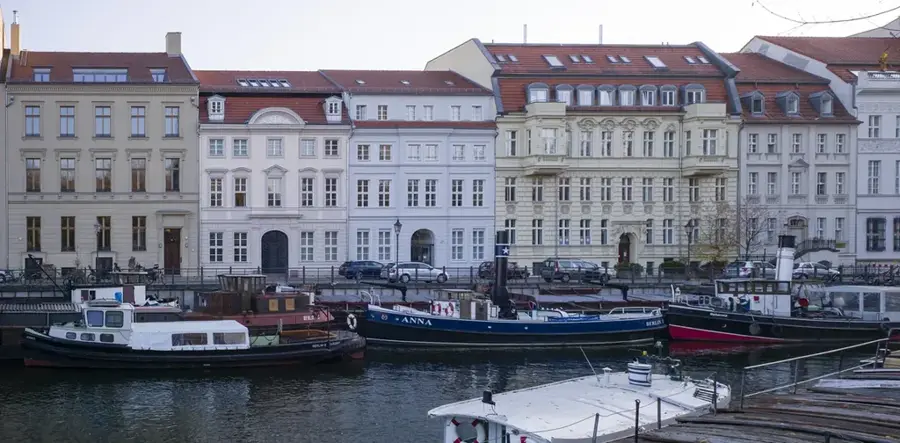
Historical Port of N'Guigmi
Once a thriving settlement directly on the water, witnessing the history of the shrinking Lake Chad.
Learn more →
Tahoua Caravan Crossroads
A historical meeting point for Tuareg nomads and sedentary Hausa farmers, known for trade.
Learn more →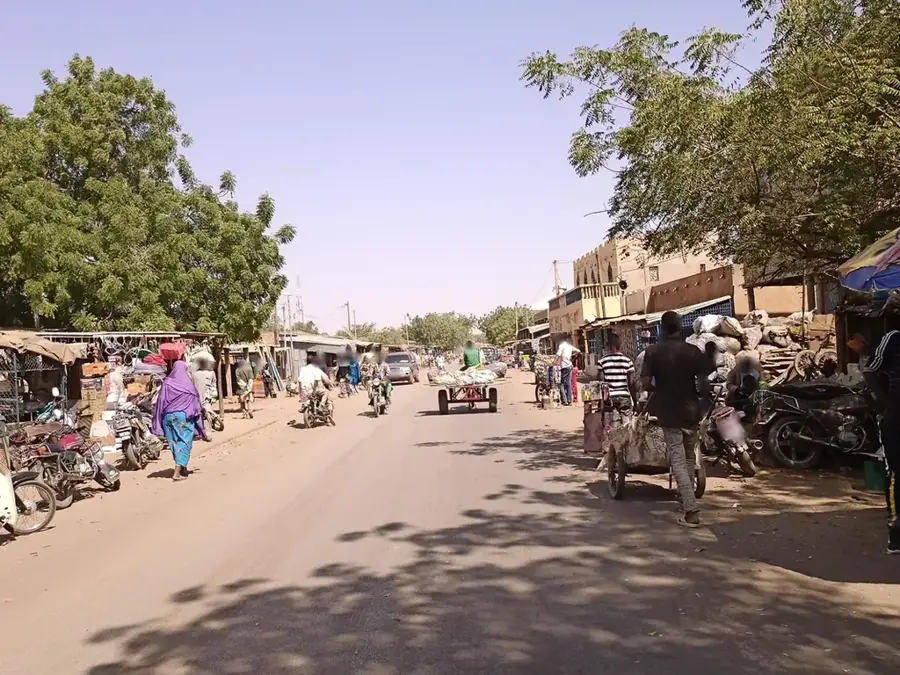
Historical Birni-N'Konni
A historic border town known for its fierce resistance against French colonial rule.
Learn more →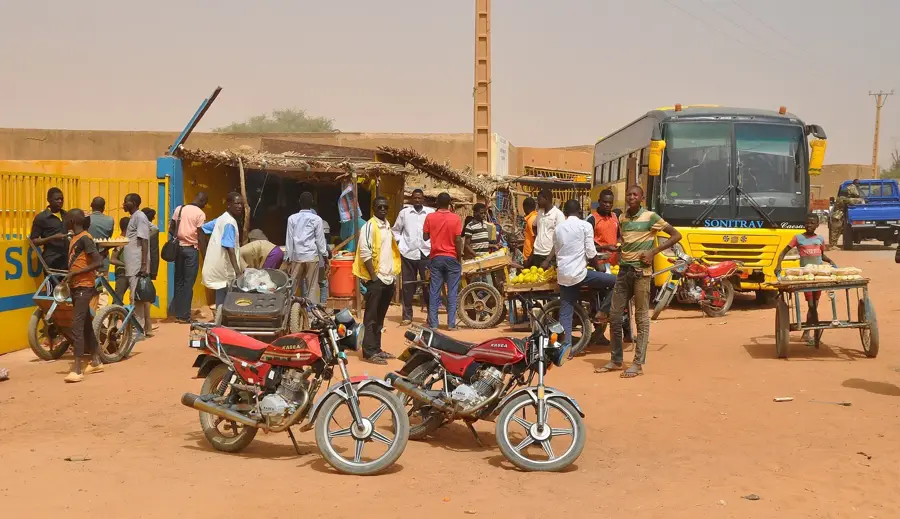
Historical Filingué
An old settlement in the Dallol Bosso that has served as an agricultural and trade center for centuries.
Learn more →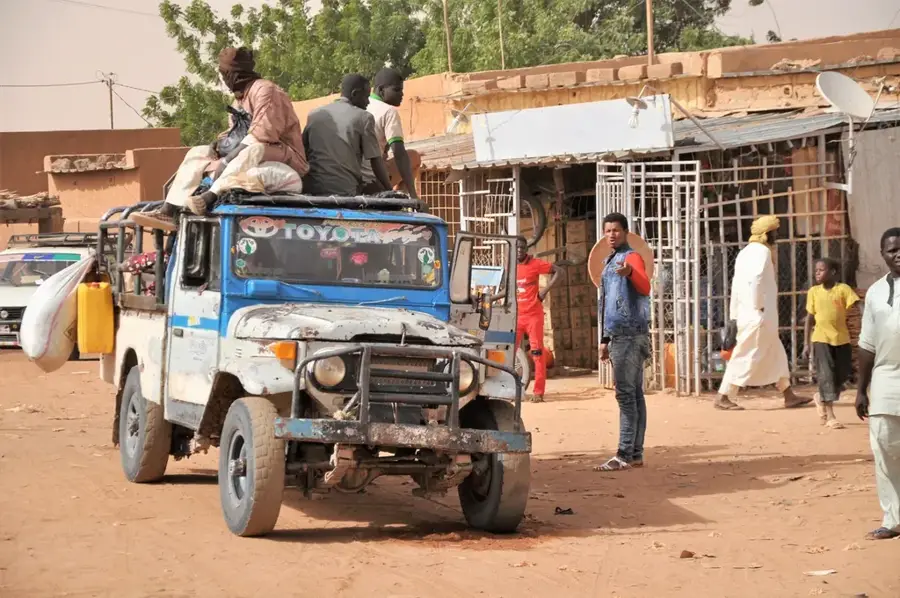
Tillabéri River Crossing
An ancient, strategically important point for crossing the Niger River for trade caravans.
Learn more →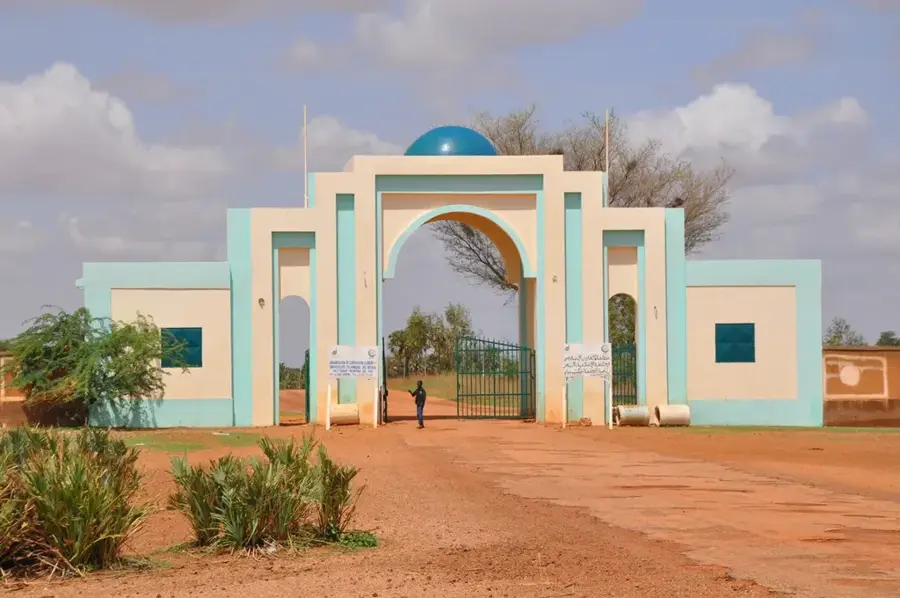
Say Islamic Center
Say was influential in the 19th century as an intellectual and religious center of West Africa.
Learn more →
Historical Lake Madarounfa
A historical water source surrounded by legends, hosting sacred tombs on its shores.
Learn more →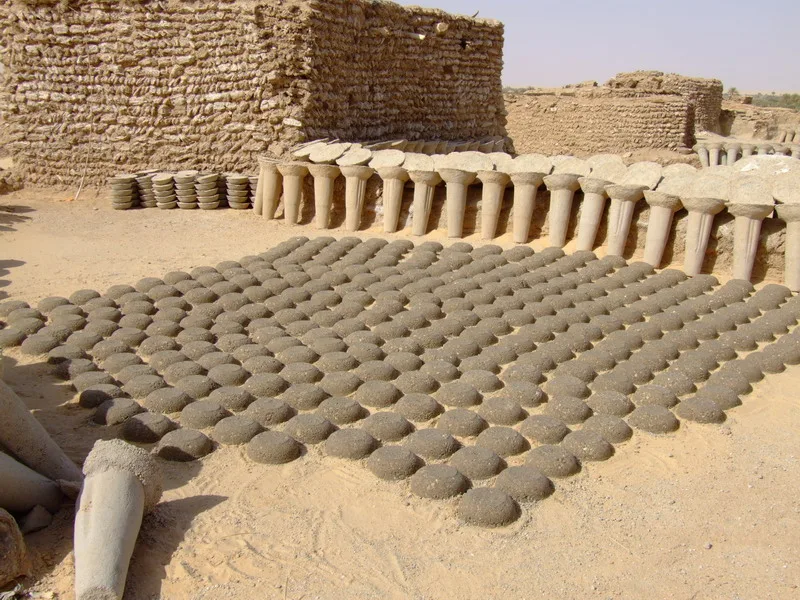
Fachi Caravan Fort
A historic fortress in the Fachi oasis that served to protect the vital salt caravans.
Learn more →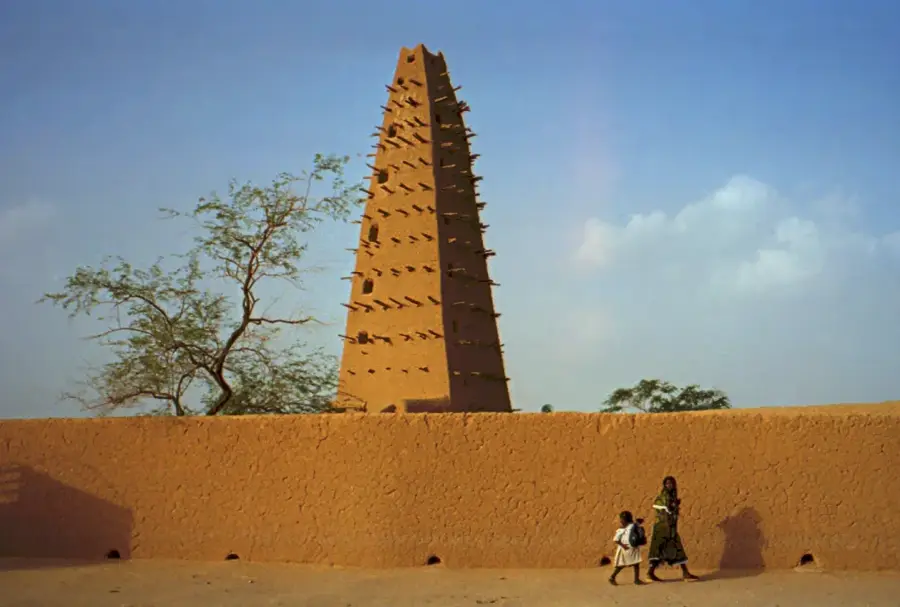
Grand Mosque of Agadez
An impressive 16th-century structure featuring a 27-meter-tall mud-brick minaret.
Learn more →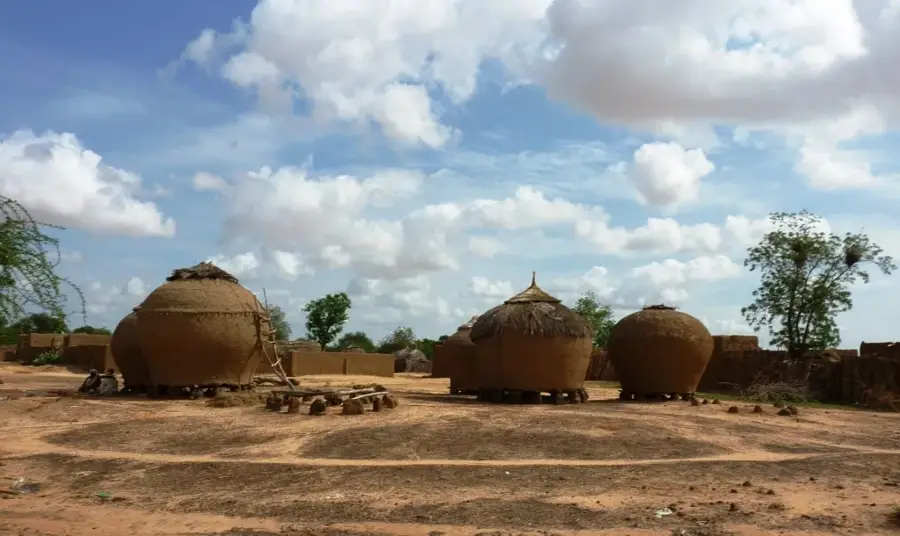
Historical Katsina-Maradi Kingdom
A historical capital founded by refugees from the Fulani-conquered Katsina.
Learn more →
Historical Well of N'Gourti
A vital historical well in the eastern desert, surrounded by nomad stories.
Learn more →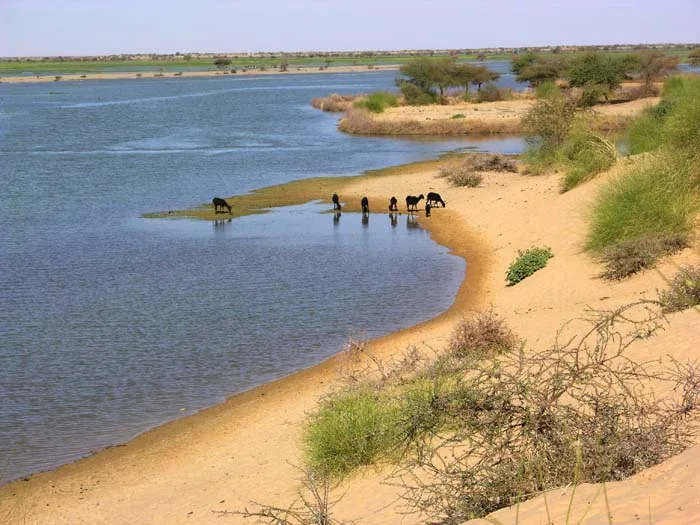
Gourma
A region of tree savannas and woodland that extends across Niger and Mali.
Learn more →
Ténéré
A vast sand sea in the Sahara, lying almost entirely within Niger.
Learn more →Frequently asked questions
What are the top attractions in Niger?
Among the most popular are Tree of Ténéré site, Maradi Craft Center, Niamey Railway Station, Grand Mosque of Tahoua, Grand Market of Dosso and many more – the full top 50 list is on this page.
When is the best time to visit Niger?
May to October offers the most pleasant weather; July and August are warmest and busiest.