Plizio Visual Lab
Wadden Sea
Weather…
Water temperature…
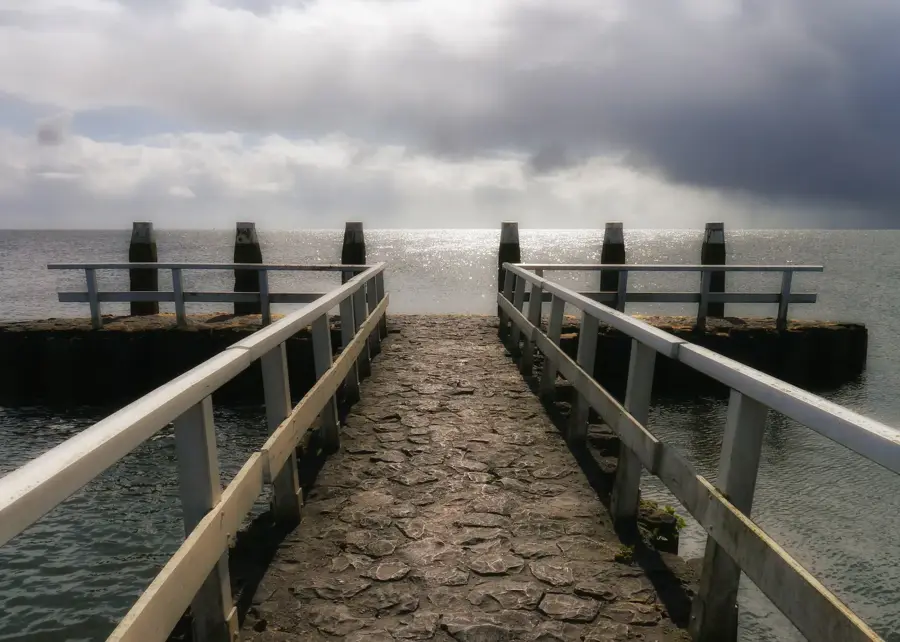
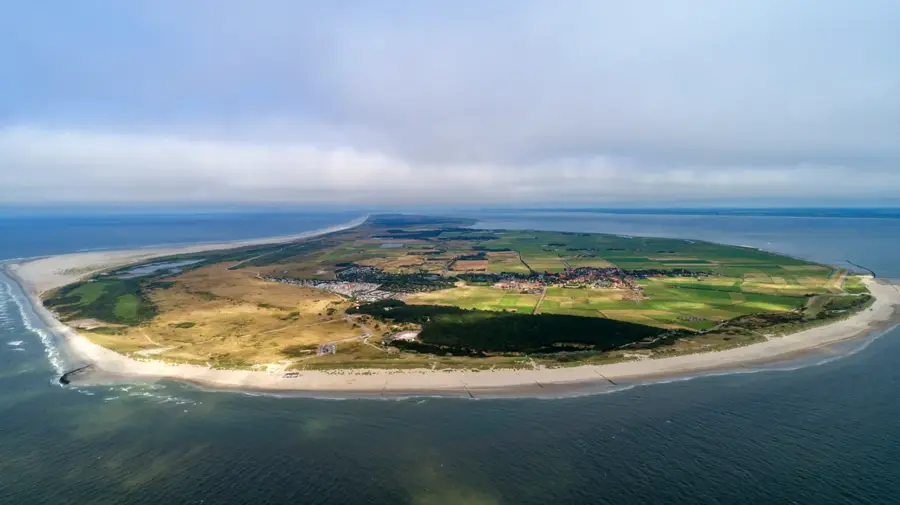
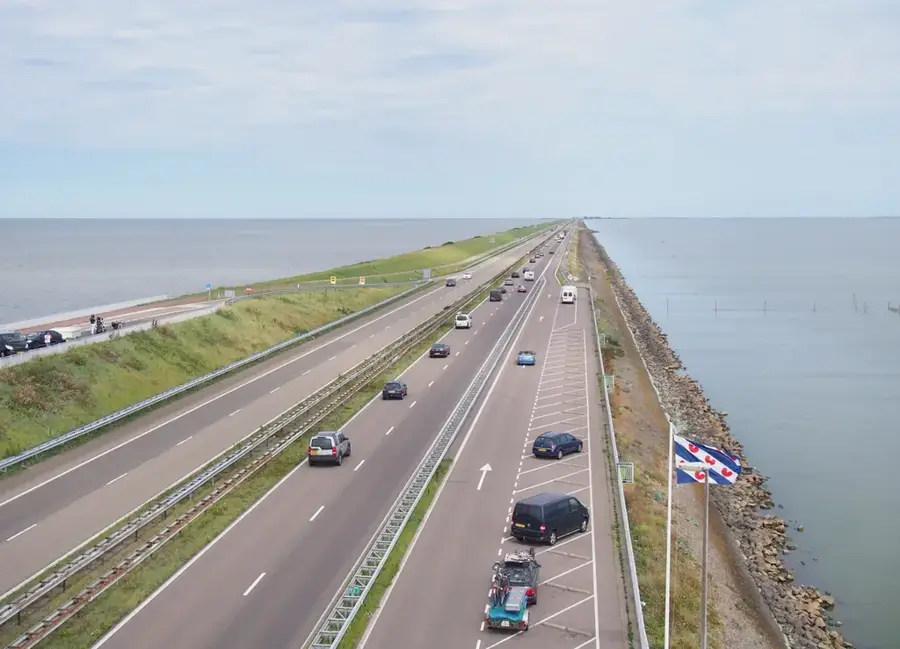
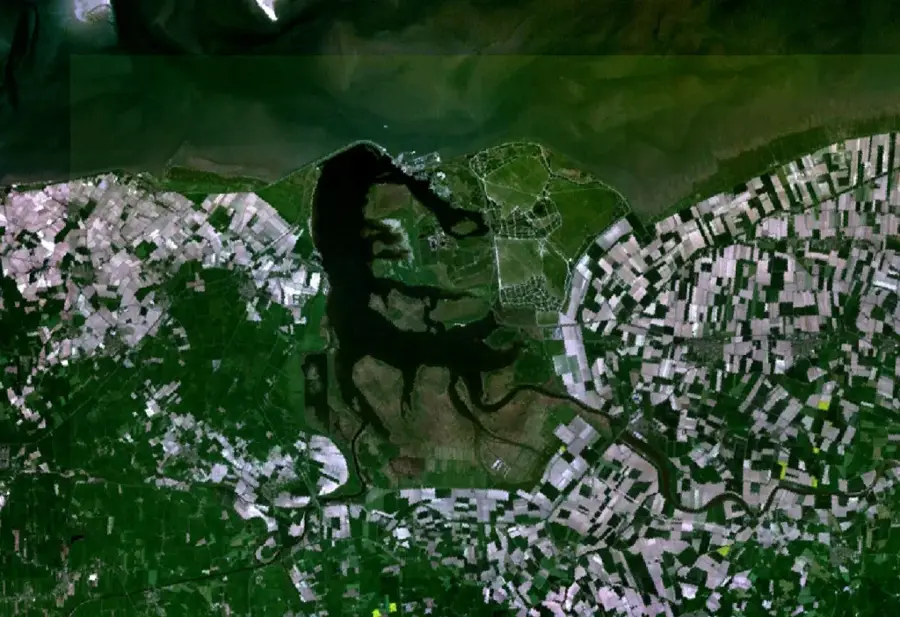
The Wadden Sea is the largest unbroken system of intertidal sand and mudflats in the world, stretching along the coasts of the Netherlands, Germany, and Denmark. This unique natural environment is defined by the daily rhythm of the tides, which twice a day exposes vast areas of the seabed. The Dutch Wadden Sea includes five inhabited islands and serves as a vital resting and feeding ground for millions of migratory birds on their journey between Africa and the Arctic. Due to its outstanding ecological importance and biodiversity, the area was designated a UNESCO World Natural Heritage site in 2009. The region is home to numerous specialized species, including harbor seals and grey seals, as well as an immense variety of invertebrates in the mud. Today, the Wadden Sea is strictly protected to preserve this delicate ecosystem from the impacts of climate change and human activity.
Explore on the map
How well do you know Netherlands?
Find cities, landscapes and regions in 10 varied challenges on the interactive map.
Your journey, your memory
A postcard from Wadden Sea
Turn your own photo into a personal postcard with a local stamp. Free and no sign-up required.
Create a postcard- Location: Friesland, Netherlands
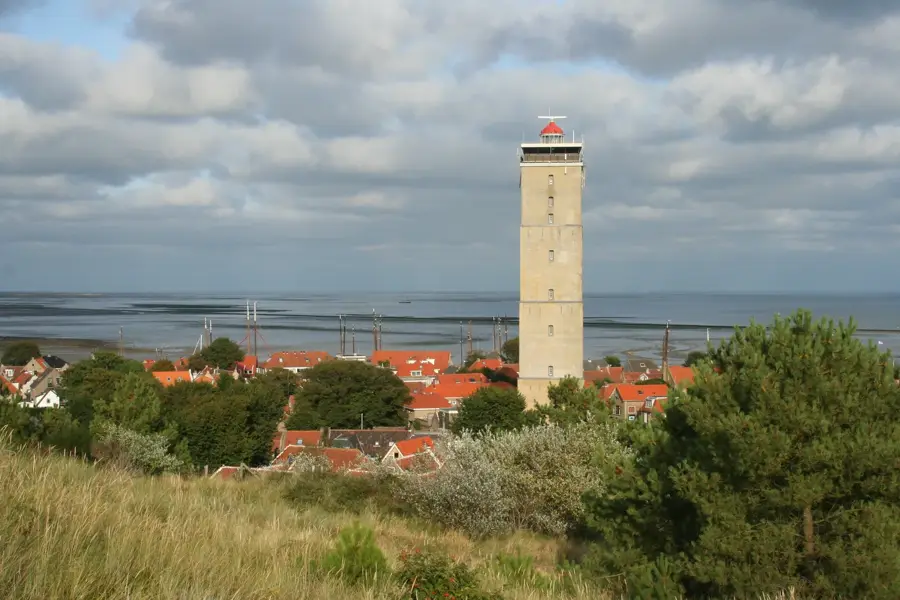
- Highlights: TS 311 · Oostbatterij
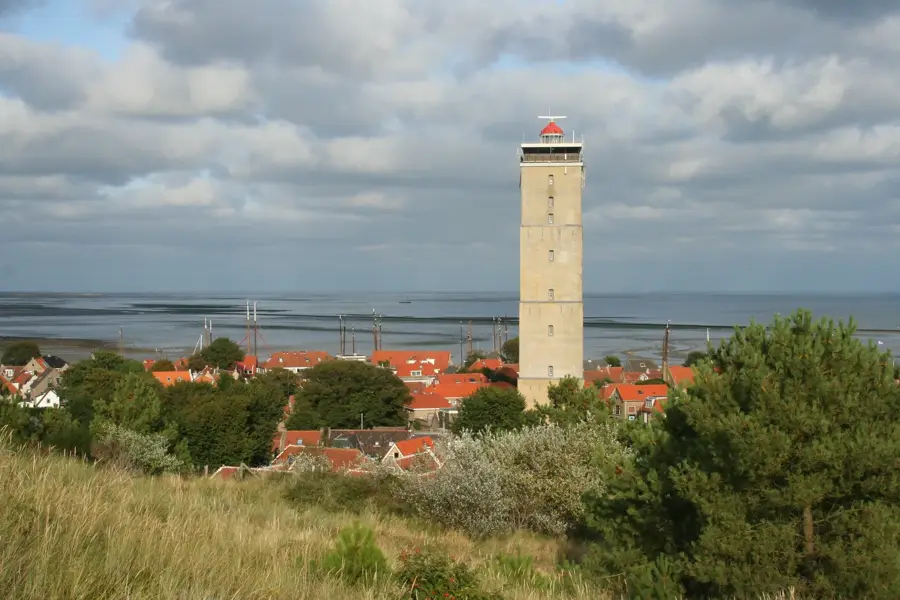
- Nearby: Terschelling (7 km)
Best time to visit & climate
The most pleasant time to visit is Jul–Sep.
| Jan | Feb | Mar | Apr | May | Jun | Jul | Aug | Sep | Oct | Nov | Dec | |
|---|---|---|---|---|---|---|---|---|---|---|---|---|
| Avg °C | 5 | 4 | 5 | 8 | 12 | 15 | 17 | 18 | 16 | 13 | 9 | 6 |
| Rain mm | 89 | 71 | 58 | 42 | 59 | 67 | 83 | 96 | 74 | 85 | 86 | 92 |
📋 Practical info
Geography
Facts
- Designated as a UNESCO World Heritage site in 2009.
- The system spans a total length of approximately 500 kilometers.
- Between 10 and 12 million migratory birds visit the area each year.
- Home to more than 10,000 different species of flora and fauna.
- The tides move an average of 15 cubic kilometers of water daily.
- The total area of the protected site is about 11,500 km².
Explore nearby
Notable places around
Route planner — Car & Motorhome
Where do you start? We build the route here, with stops and country notes along the way.
© OpenStreetMap contributors · OpenRouteService
Sights in the town Wadden Sea (2)
Sights nearby
Frequently asked questions
What is the Wadden Sea?
What is mudflat walking?
Can you see seals?
Which islands belong to the Dutch part?
Is the Wadden Sea dangerous?
Wadden Sea: where is it located?
Wadden Sea: what is there to see?
Wadden Sea: when is the best time to visit?
Wadden Sea: why is it worth visiting?
Nearby cities

History & landmarks

Nature

More places