Plizio Visual Lab
Annapurna I
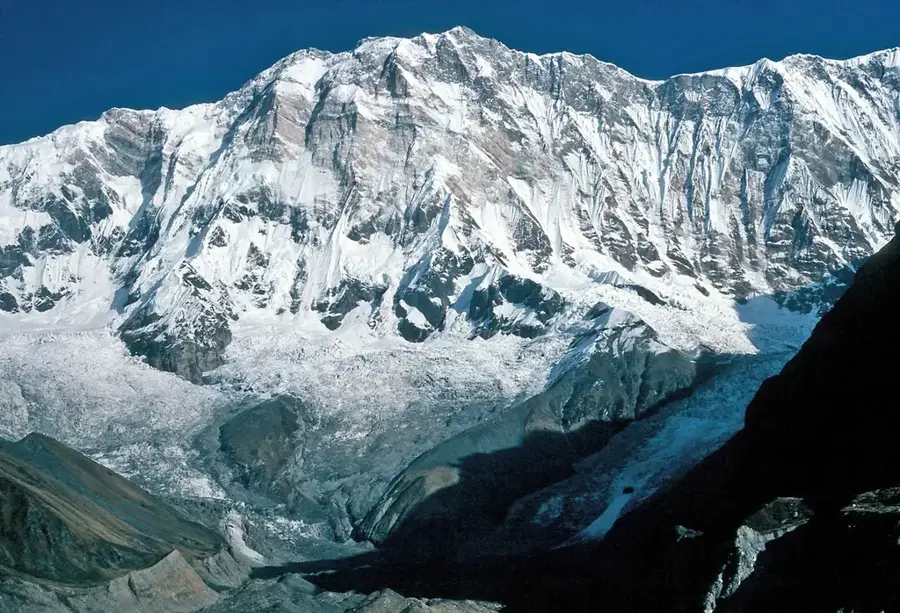
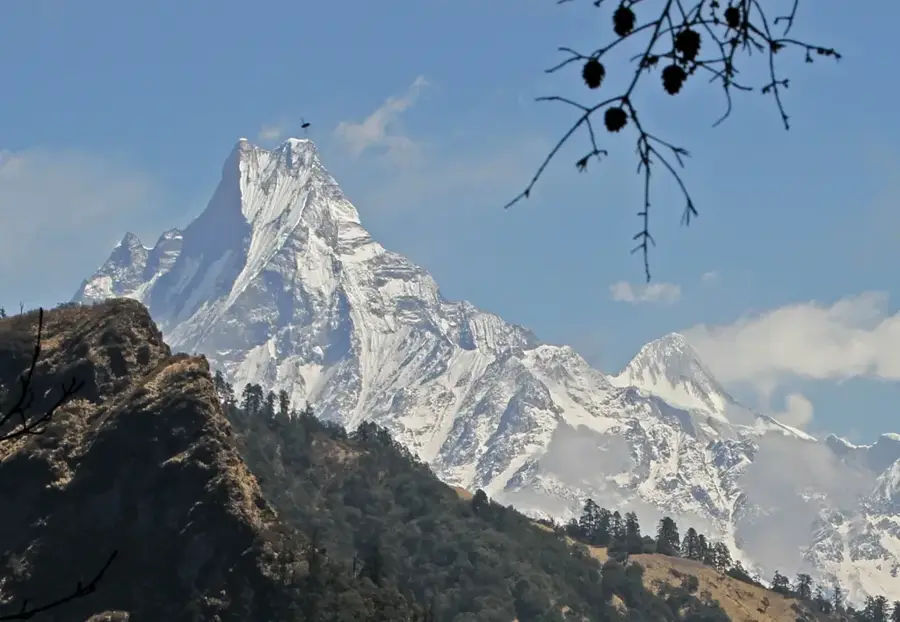
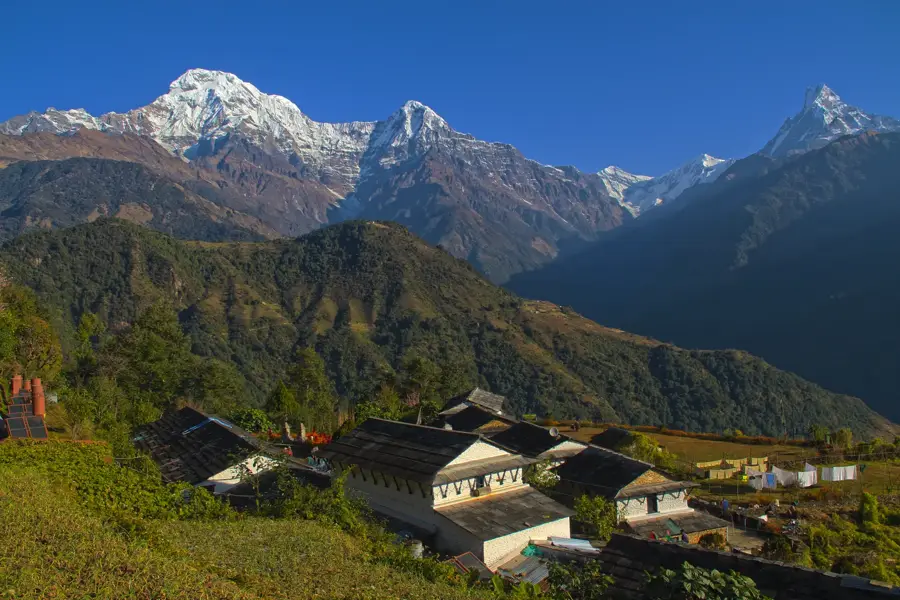
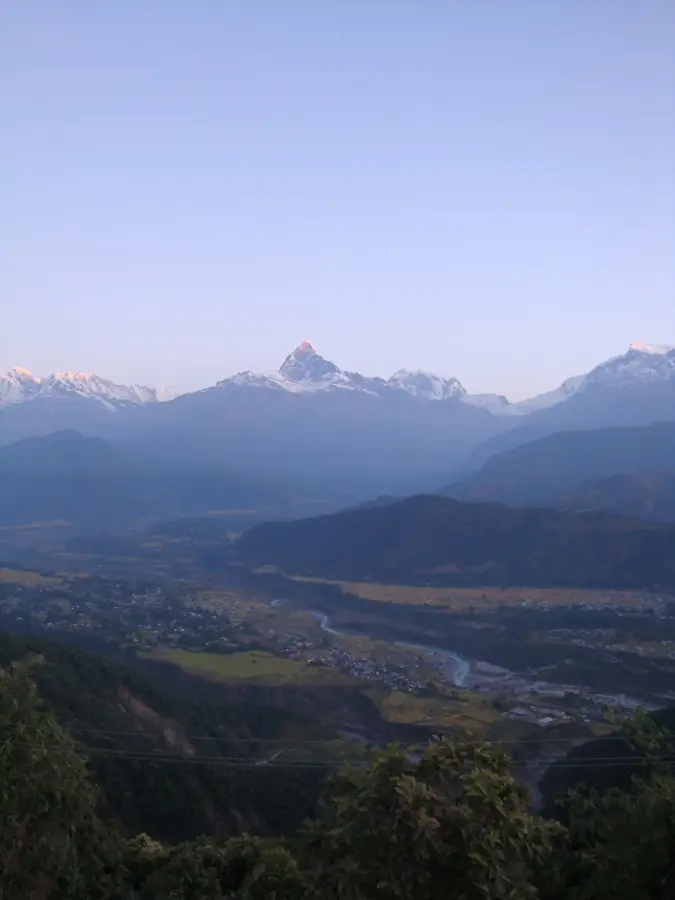
Annapurna I, at 8,091 meters, is the tenth highest mountain in the world and the highest point of the vast Annapurna Massif in north-central Nepal. It holds the historic distinction of being the first 8,000-meter peak ever summited, reached on June 3, 1950, by Maurice Herzog and Louis Lachenal of a French expedition. This monumental achievement came at a high cost, as both climbers suffered severe frostbite during the descent. The name Annapurna is derived from Sanskrit, meaning "Goddess of the Harvests" or "Full of Food," referencing the fertility of the surrounding valleys. Geographically, it is separated from the Dhaulagiri massif by the Kali Gandaki Gorge, one of the deepest canyons on Earth. Statistically, Annapurna I is among the world's most dangerous peaks, with a high fatality rate due to extreme avalanche risk and technical difficulty. The peak is the center of the Annapurna Conservation Area, Nepal's largest protected region and a world-famous destination for high-altitude trekking.
Explore on the map
How well do you know Nepal?
Find cities, landscapes and regions in 10 varied challenges on the interactive map.
Your journey, your memory
A postcard from Annapurna I
Turn your own photo into a personal postcard with a local stamp. Free and no sign-up required.
Create a postcard- Location: Nepal
- Highlights: Annapurna South · Tharpu Chull · Tarke Kang
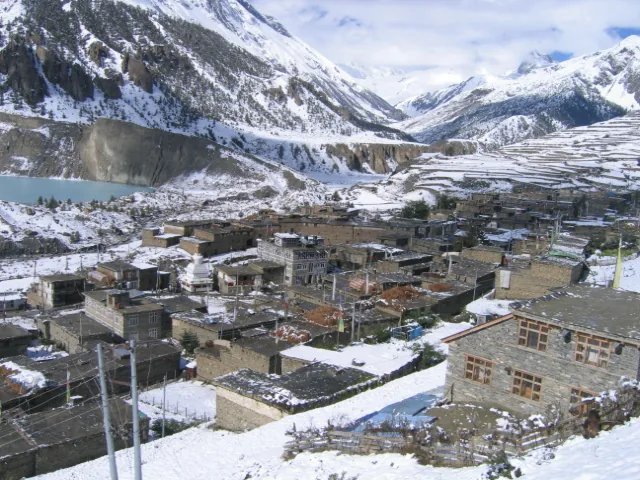
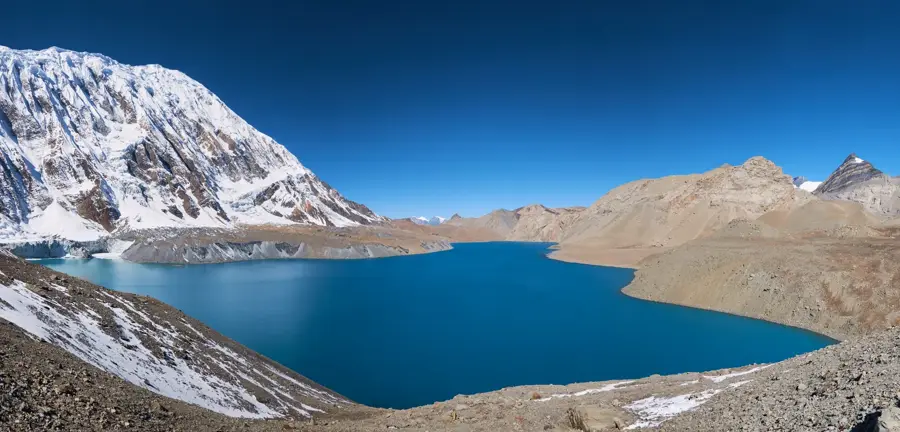
- Nearby: Tilicho Lake (10 km)
Best time to visit & climate
The most pleasant time to visit is Apr, May, Oct.
| Jan | Feb | Mar | Apr | May | Jun | Jul | Aug | Sep | Oct | Nov | Dec | |
|---|---|---|---|---|---|---|---|---|---|---|---|---|
| Avg °C | 0 | 2 | 5 | 9 | 12 | 14 | 14 | 14 | 13 | 8 | 5 | 2 |
| Rain mm | 16 | 23 | 30 | 42 | 103 | 218 | 358 | 264 | 191 | 63 | 3 | 6 |
📋 Practical info
Geography
Facts
- Elevation: 8,091 meters (26,545 feet) above sea level
- First Ascent: June 3, 1950, by a French expedition
- Historical Fact: The first 8,000-meter peak to be successfully climbed
- Name meaning: "Goddess of the Harvests" in Sanskrit
- Location: North-central Nepal, Annapurna Massif
- Safety: Known for having a very high climber fatality-to-summit ratio
Explore nearby
Notable places around
Route planner — Car & Motorhome
Where do you start? We build the route here, with stops and country notes along the way.
© OpenStreetMap contributors · OpenRouteService
Sights in the town Annapurna I (3)
Sights nearby
Frequently asked questions
Is it suitable for beginners?
Best time?
Dangers?
Tourism?
Preparation?
Annapurna I: where is it located?
Annapurna I: what is there to see?
Annapurna I: when is the best time to visit?
Annapurna I: why is it worth visiting?
History & landmarks
More places