Plizio Visual Lab

Inwa Ruins
Plizio editorial teamData Sources
ruin
—°9
Inwa Ruins (Myanmar (Burma))

Weather…

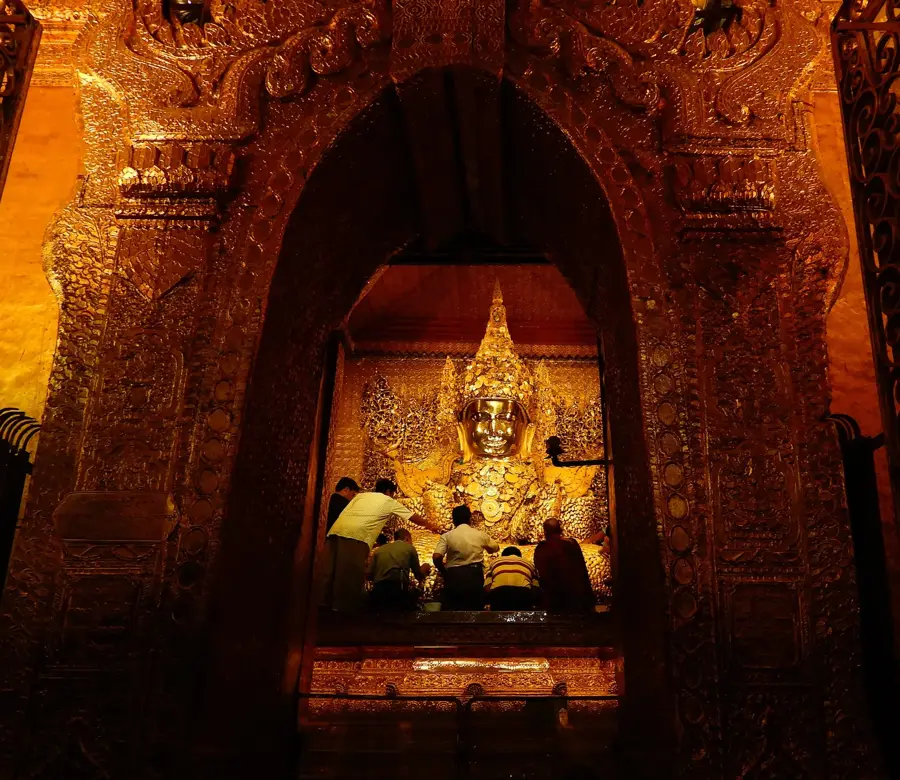
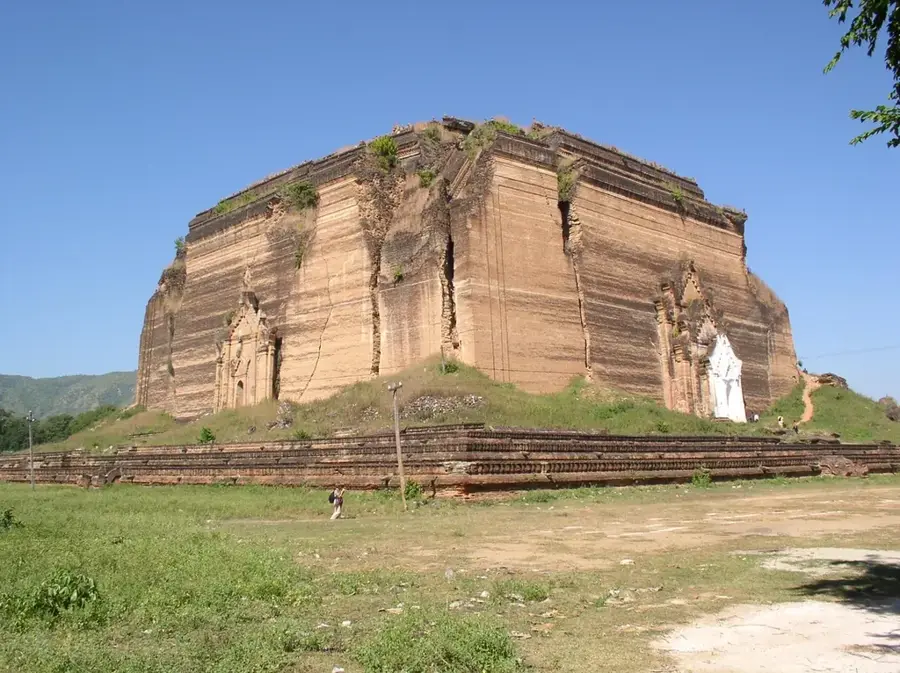
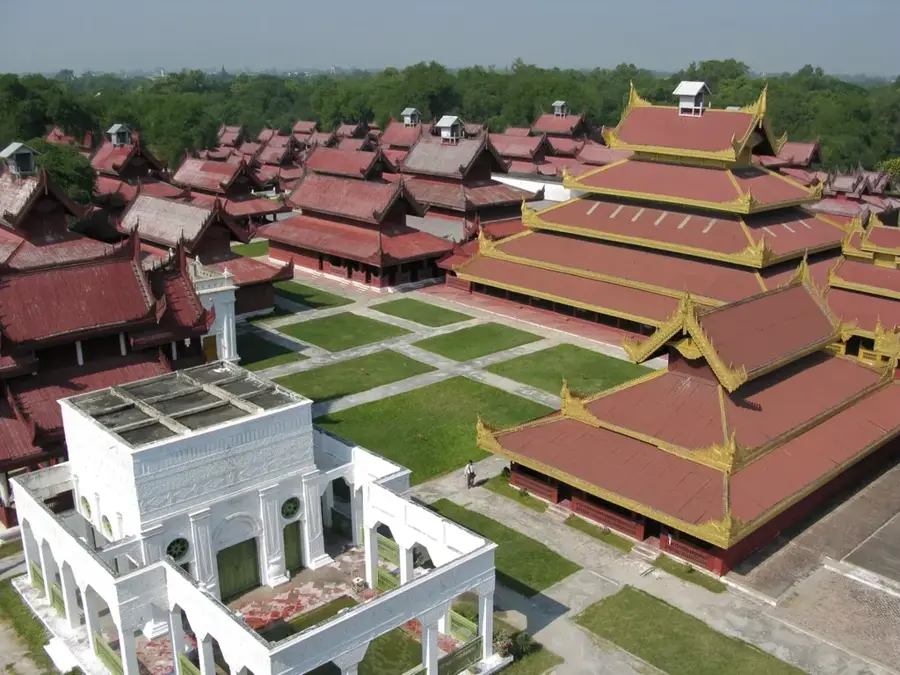
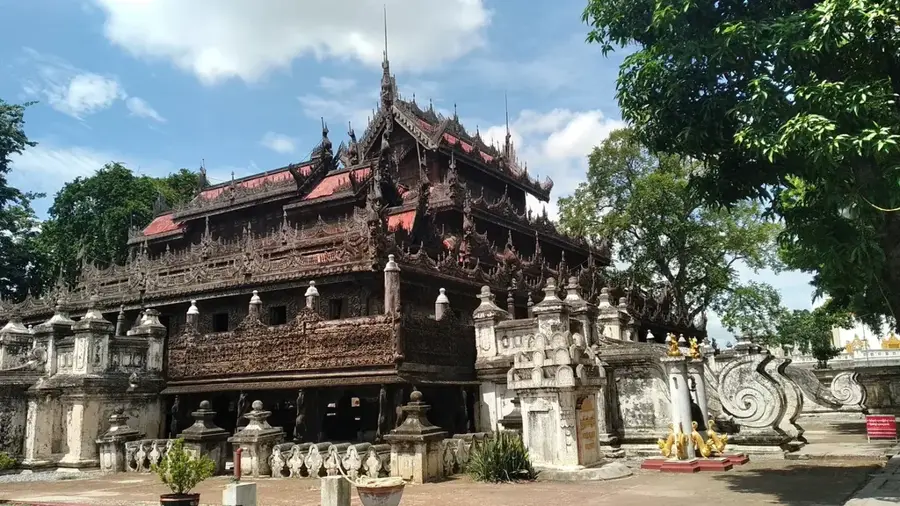
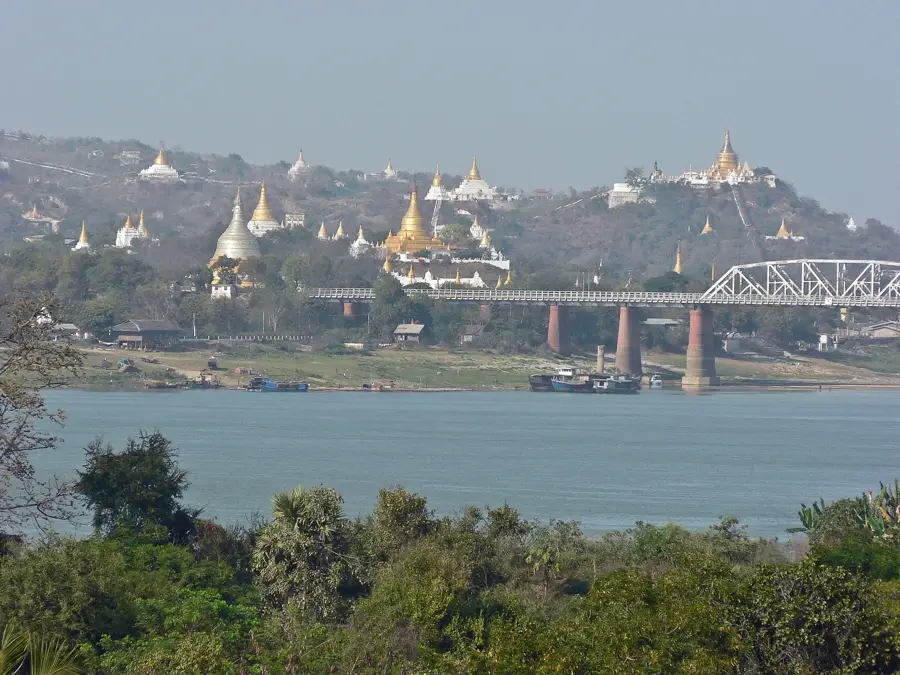
Inwa, formerly known as Ava, served as the imperial capital of Burmese kingdoms multiple times between the 14th and 19th centuries. The city is uniquely situated on an artificial island created by a canal connecting the Irrawaddy and Myitnge rivers, a strategic design intended for both defense and trade. A catastrophic earthquake in March 1839 leveled much of the city's grand brick and wooden architecture, eventually leading to its abandonment as a capital in favor of Amarapura. Today, the site has reverted to a tranquil rural landscape where ruins of monasteries, watchtowers, and city walls are scattered among banana plantations and rice paddies. One of the most significant survivors is the Bagaya Monastery, a remarkable 1834 structure built entirely of teak and supported by 267 massive pillars. The leaning Nanmyin Watchtower, standing at 27 meters, is the only remains of the King Bagyidaw's palace, its tilt serving as a permanent reminder of the 1839 disaster. Visitors typically explore the sprawling archaeological zone via horse-drawn carriages, maintaining the site's nostalgic historical atmosphere.

Best time to visit & climate

The most pleasant time to visit is Jan, Feb, Dec.

JanFebMarAprMayJunJulAugSepOctNovDec
Avg °C212428313130303030292623
Rain mm11271532443338303397

📋 Practical info

🚪
Visiting
The expansive ruins of the former imperial capital can be wonderfully explored on foot or by hiring local horse-drawn carts. Many of the ancient structures, surviving monasteries, and towering pagodas can be viewed extensively from both outside and inside.
🕒
Typical hours
The grounds of the historical city are generally accessible from early morning until late afternoon, just before sunset. Main attractions usually have fixed operational hours, while the surrounding rural landscape is relatively free to roam at your own pace.
📷
Photography
This remarkable site has incredible photography opportunities with old teak monasteries and ruined brick pagodas in a rural setting. The absolute best lighting for truly atmospheric and dramatic shots is usually found during the early morning or late afternoon hours.
⏱️
Time needed
For a relaxed and comfortable exploration of the widely scattered ruins, you should allocate at least half a day. Visitors who want to delve deeper into the rich history and visit all the important pagodas can easily spend a full, engaging day wandering here.
Combine with
A visit here can be excellently combined with exploring the nearby former royal cities of Sagaing and Amarapura in one day. Seeing the famous U-Bein Bridge at sunset makes for a classic and absolutely beautiful conclusion to such an excursion day.
🧭
Getting there
Getting there usually requires a short, scenic local ferry crossing over the river, as the site is located on a historic artificial island. On the other side, traditional horse-drawn carts or rental bicycles eagerly await visitors for further transport.
💡
Insider tip
Definitely hire a horse-drawn cart or a bicycle, as the distances between the scattered ruins are quite exhausting on foot in the heat. Also, bring plenty of drinking water and strong sun protection, as shaded spots can sometimes be rare along the paths.

Geography

Coordinates
21.85980, 95.98140

Facts

  • Inwa was the capital of Burma four times between 1364 and 1841.
  • Bagaya Monastery was built in 1834 and stands on 267 teak pillars.
  • The Nanmyin Watchtower is 27 meters tall and has been leaning since 1839.
  • Maha Aungmye Bonzan Monastery was built in 1818 from brick and stucco.
  • The city was artificially turned into an island by the construction of a canal.
  • The earthquake that destroyed most of Inwa occurred on March 23, 1839.

Explore nearby

Notable places around
Route planner — Car & Motorhome

Where do you start? We build the route here, with stops and country notes along the way.

Vehicle
Only stops with (optional):

© OpenStreetMap contributors · OpenRouteService

Sights in the town Inwa Ruins (9)

Jade Pagoda⛪ religious

The world's first pagoda constructed entirely from jade, impressing visitors with its shimmering green stone panels.

Hsin Gyone fort📍 landmark

This historic fort on the banks of the Irrawaddy was built in the 19th century to protect the royal capital of Inwa.

Asay Gan Fort📍 landmark

A significant brick fortification that was part of the historic riverside defensive line near Inwa.

Thabyedan Fort📍 landmark

This fort was the last major defensive fortification built to protect the Burmese kingdom from British invasion.

Lay Htat Gyi Monastery🏺 historical

An archaeological site preserving the monumental brick ruins of a once magnificent four-story monastery in Inwa.

အင်းဝနန်းတော်ရာ🏺 historical

The remains of the Inwa royal palace site bear witness to the former power of the Ava Kingdom in Upper Burma.

Daw Gyan Pagoda Complex🏺 historical

Brick ruins of a pagoda complex located amidst the rural landscape of the former royal capital, Inwa.

Reclined Buddha⛪ religious

A large statue of the reclining Buddha situated near the historic temple ruins of Inwa.

ဈေး🎭 culture

A local marketplace serving the villages set among the ruins of the historic capital.

Sights nearby

Frequently asked questions

What is the best way to explore the ruins of Inwa?
The best way is by horse-drawn carriage, which can be rented directly at the jetty.
How do you get to Inwa?
You take a boat across the river, as Inwa is located on a man-made island.
Are there many temples to see there?
Yes, there are numerous scattered ruins and old monasteries that are very scenic.
Do I need an archaeology pass?
Yes, the general pass for the Mandalay region also covers Inwa.
Are the paths in Inwa paved?
No, they are mostly dirt roads, so a carriage is more comfortable than walking.
Inwa Ruins: where is it located?
Inwa Ruins is located in Myanmar (Burma).
Inwa Ruins: what is there to see?
Highlights include Jade Pagoda, Hsin Gyone fort, Asay Gan Fort.
Inwa Ruins: when is the best time to visit?
The most pleasant time to visit is Jan, Feb, Dec.
Inwa Ruins: why is it worth visiting?
Inwa, formerly known as Ava, served as the imperial capital of Burmese kingdoms multiple times between the 14th and 19th centuries.
View on map → The Top 50 Attractions → OpenStreetMap →
Asia
Explore with Plizio Discover more places in Asia
More places in Myanmar (Burma) →

Nearby cities

History & landmarks

More places