Plizio Visual Lab
Bago
ℹ️Practical info — Bago
▾
🌤 Weather — 5 days
📍 Nearby
Sights nearby
💡 Tips
- Dress modestly (cover shoulders and knees) when visiting the numerous pagodas like Shwemawdaw.
- Renting a bicycle or hiring a local tuk-tuk for the day is the best way to see the widely spread monuments.
- Remember to take off your shoes and socks before stepping foot onto any temple or pagoda grounds.
- Visit the Shwethalyaung Buddha early in the morning to beat the tour bus crowds arriving from Yangon.
🍽 Food
Traditional fish noodle soup, a quintessential breakfast staple found at local teahouses.
Look for traditional buffet-style restaurants near the main road for a huge variety of side dishes.
A unique local dish available at local markets and traditional teahouses.
🛍 Shopping · 🧘 Quiet spots
Great for fresh produce, local snacks, and experiencing the bustling daily life of locals.
Local handmade crafts can be found in small stalls set up near the major pagodas.
Less crowded than Shwemawdaw, featuring four towering seated Buddhas looking outwards.
Stroll around the vast, reconstructed gardens for some peace and quiet away from the streets.
Water temperature…
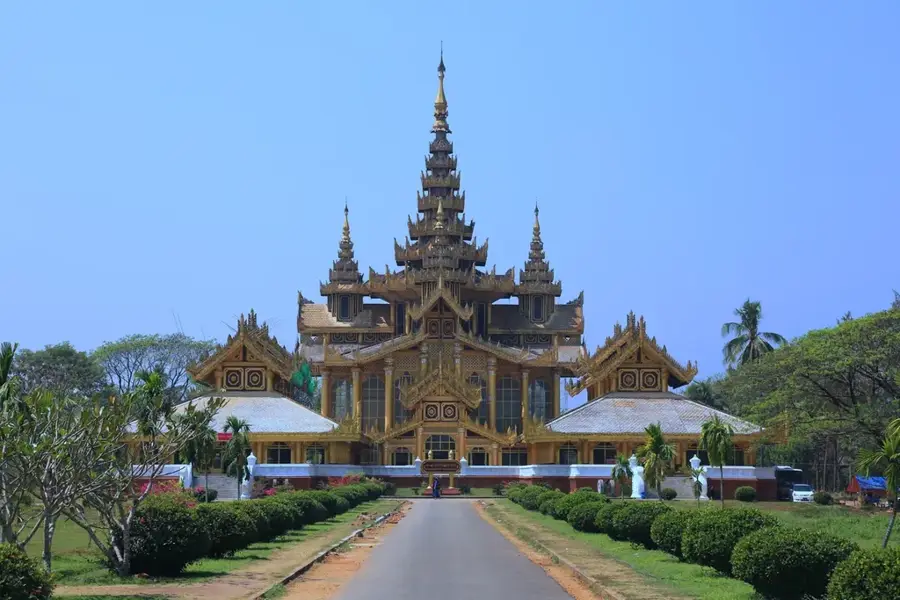
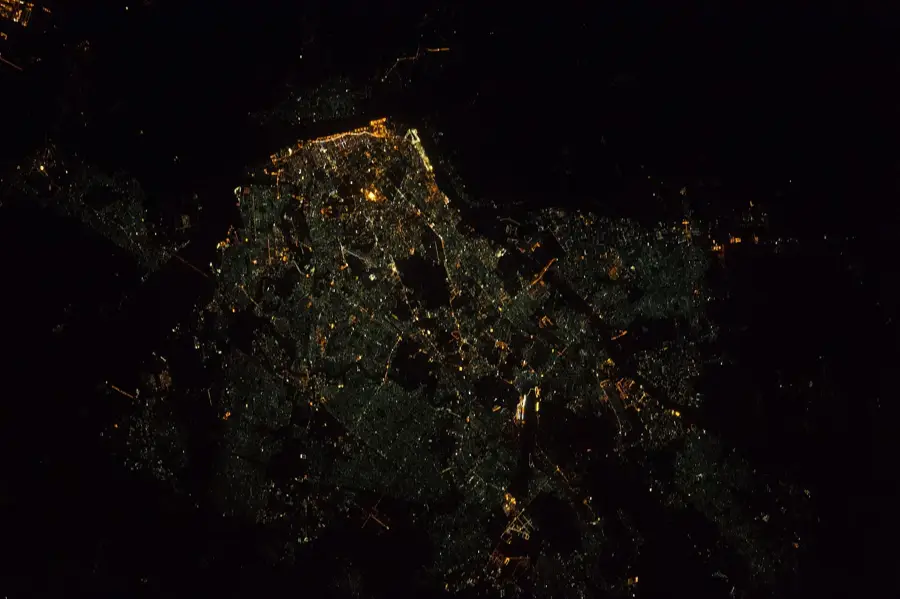
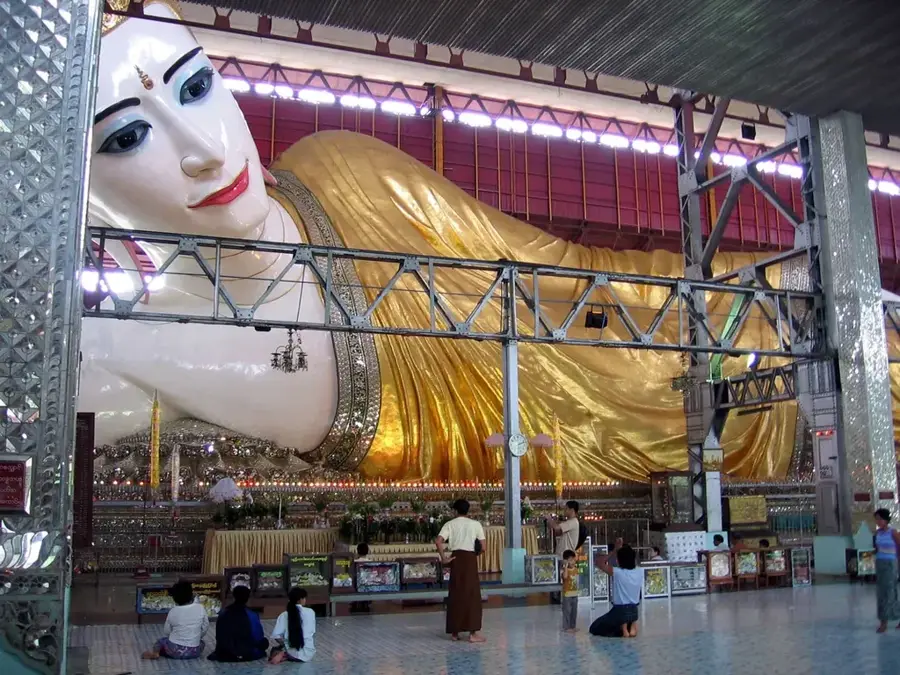
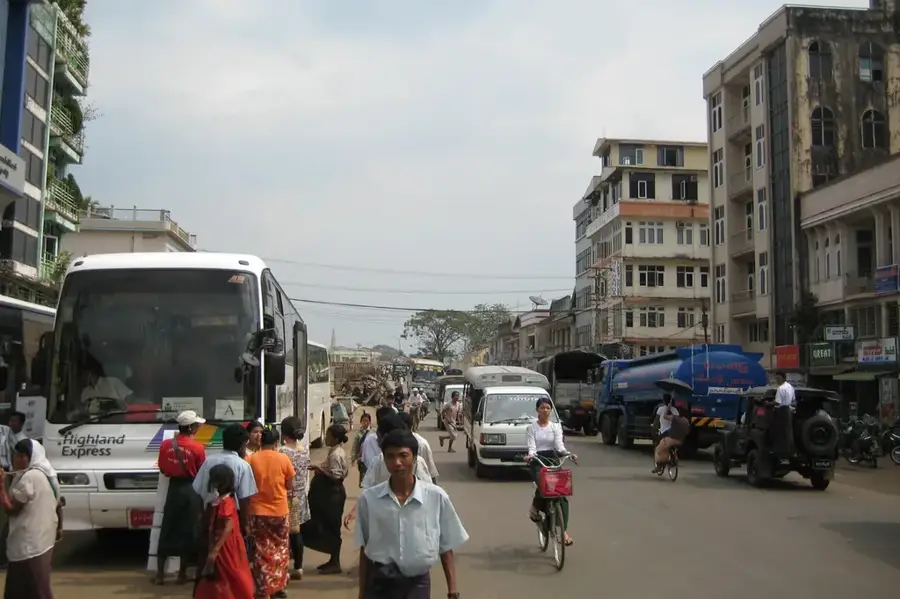
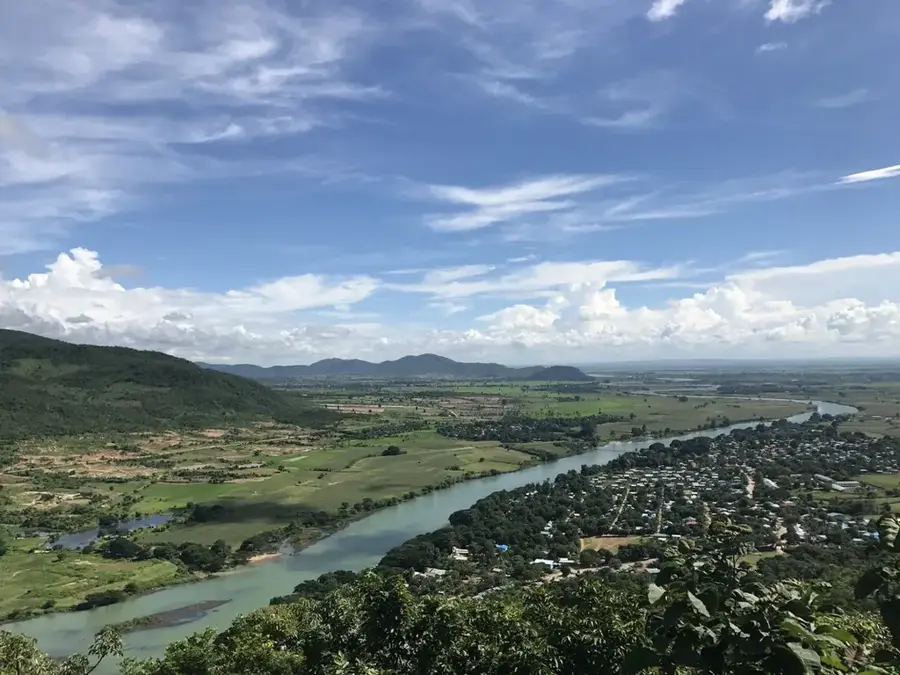
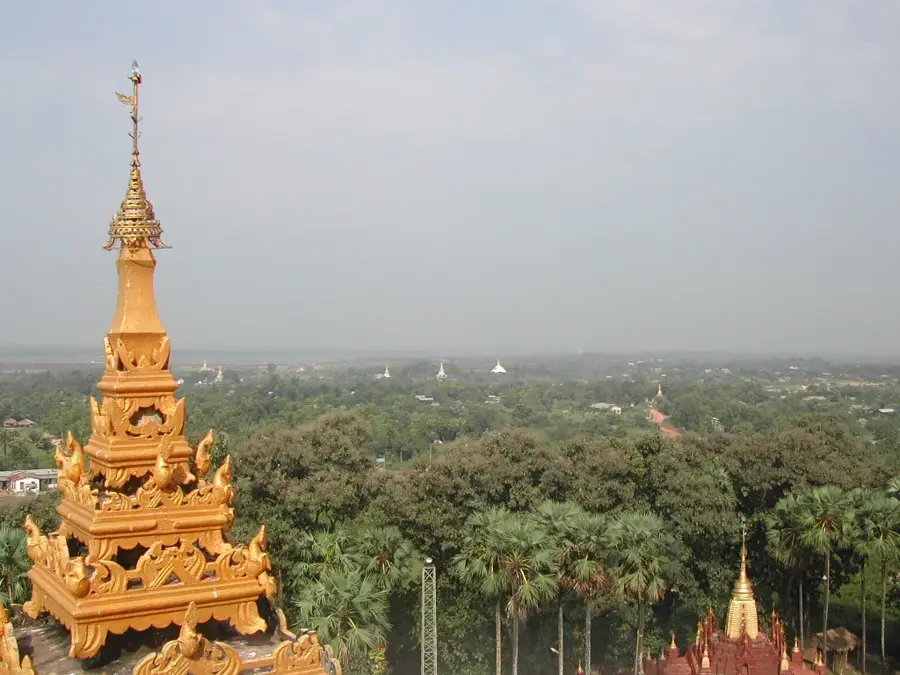
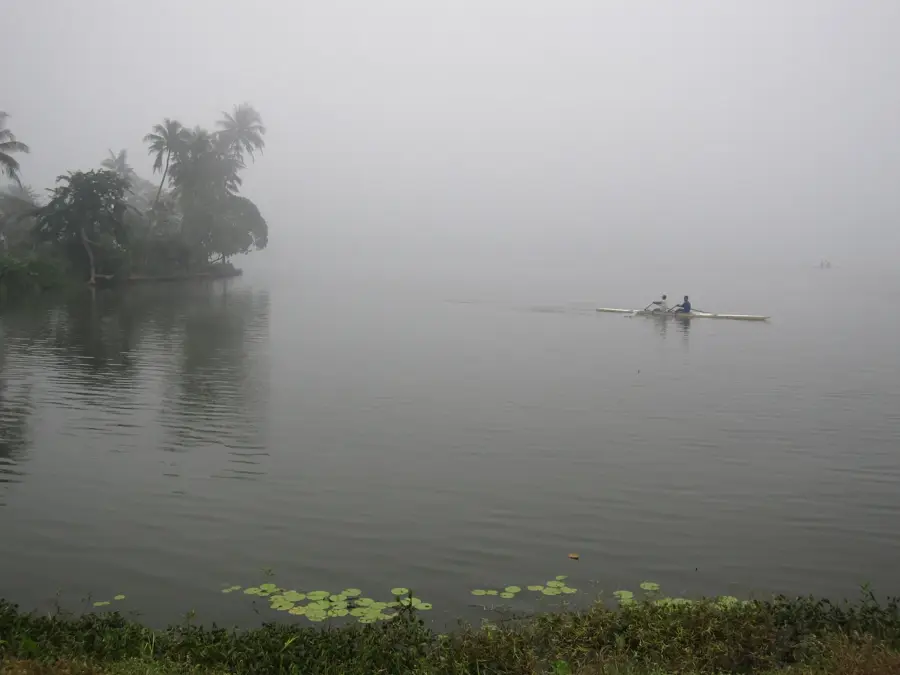
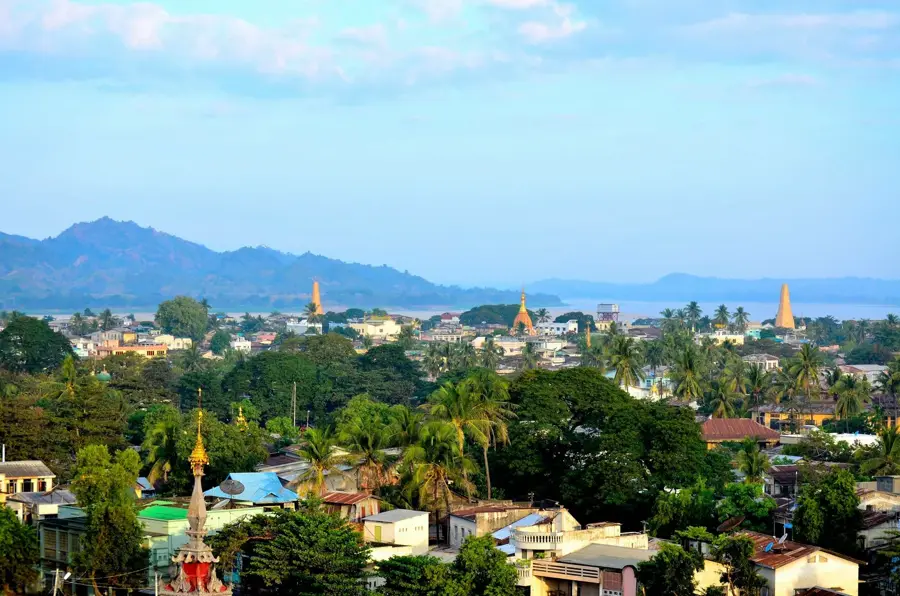
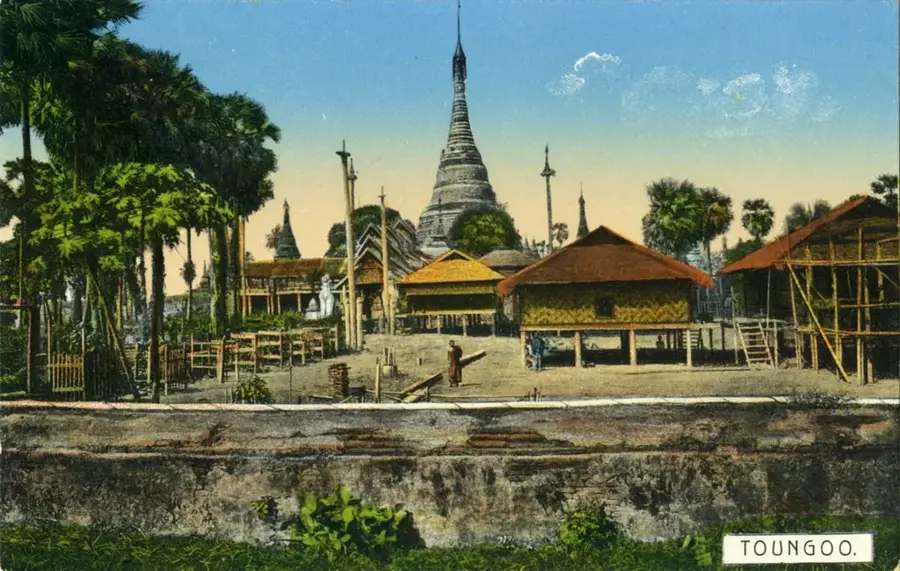
Bago, formerly known as Pegu, is a major city and the administrative capital of the Bago Region in Myanmar, located approximately 80 kilometers northeast of Yangon. Its history is deeply rooted in the Mon civilization, having been founded in 573 AD by two Mon princes. For centuries, it flourished as the seat of the Hanthawaddy Kingdom, a powerful maritime and land empire. The 16th century marked Bago's zenith under the Toungoo Dynasty, particularly during the reign of King Bayinnaung, who unified the country and built the spectacular Kanbawzathadi Palace. During this period, Bago was described by European travelers as one of the most magnificent cities in Asia, rich in gold, silver, and precious stones. Geographically, the city sits on a low-lying plain near the Bago River, which historically served as a vital trade artery. The surrounding terrain is exceptionally fertile, making Bago a cornerstone of Myanmar's rice production. The city's economic profile includes a mix of agriculture, traditional crafts, and modern manufacturing, supported by its position on the primary road and rail corridor between Yangon and the northern regions. Bago is renowned for its monumental religious landmarks, such as the Shwemawdaw Pagoda, which stands higher than Yangon's Shwedagon. The Shwethalyaung Buddha, a massive reclining statue measuring 55 meters in length, is another testament to the city's artistic heritage; it was famously lost to the jungle for over a century after the city's destruction in 1757, only to be rediscovered during railway construction in the 1880s. The city has survived numerous natural disasters, including a catastrophic earthquake in 1930 that leveled much of its ancient architecture. Today, Bago is a bustling urban center with a diverse population of Bamar, Mon, and Karen peoples, along with a significant community of Indian descent. Its proximity to Yangon has led to increased industrial development, while its status as a historical treasury ensures a steady influx of pilgrims and scholars interested in Southeast Asian history.
Explore on the map
How well do you know Myanmar (Burma)?
Find cities, landscapes and regions in 10 varied challenges on the interactive map.
Your journey, your memory
A postcard from Bago
Turn your own photo into a personal postcard with a local stamp. Free and no sign-up required.
Create a postcard- Location: Myanmar (Burma)
- Highlights: ေရႊသာေလ်ာင္း ဘုရား · Buddha Thakhon Monastery · Chinese Temple
- Population: ~244.376 (2026)
Best time to visit & climate
The most pleasant time to visit is Jan, Feb, Dec.
| Jan | Feb | Mar | Apr | May | Jun | Jul | Aug | Sep | Oct | Nov | Dec | |
|---|---|---|---|---|---|---|---|---|---|---|---|---|
| Avg °C | 25 | 27 | 30 | 33 | 31 | 28 | 27 | 27 | 27 | 28 | 27 | 25 |
| Rain mm | 8 | 1 | 14 | 22 | 109 | 180 | 216 | 192 | 134 | 107 | 20 | 7 |
Geography
Facts
- Established in 573 AD, making it one of the oldest cities in Myanmar.
- The Shwemawdaw Pagoda is 114 meters tall, 15 meters higher than Shwedagon.
- Served as the primary seaport of Upper Burma before the silting of the river.
- The 55-meter reclining Buddha was built in 994 AD by King Migadepa.
- Kanbawzathadi Palace was the residence of King Bayinnaung (1551-1581).
- The city is a major junction for the National Highway 1 and the railway.
- Bago's population includes significant Mon, Bamar, and Karen ethnicities.
- The local economy is driven by rice milling, timber, and handicraft trade.
Explore nearby
Notable places around
Route planner — Car & Motorhome
Where do you start? We build the route here, with stops and country notes along the way.
© OpenStreetMap contributors · OpenRouteService
Sights in the town Bago (8)
Frequently asked questions
Is a day trip from Yangon to Bago worth it?
What is the landmark of Bago?
Is Bago a good choice for families?
Are there many souvenir markets?
Do you need entrance tickets for temples?
Bago: where is it located?
Bago: what is there to see?
Bago: when is the best time to visit?
Bago: why is it worth visiting?
Nearby cities
History & landmarks
Nature
More places