Plizio Visual Lab
Market Town Kiffa
ℹ️Practical info — Market Town Kiffa
▾
🌤 Weather — 5 days
📍 Nearby
Sights nearby
💡 Tips
- When buying Kiffa beads (Muraqat), look for the iconic triangular shape; genuine antique pieces are highly prized.
- Visit the livestock market (Le Marbat) early in the morning between 6:00 AM and 9:00 AM for the most intense trading.
- Bargaining is a social ritual; start at about 50% of the asking price and work towards a middle ground.
- Kiffa is extremely hot; plan all outdoor activities before noon and drink water constantly throughout the day.
- Wear sturdy shoes to the livestock market and keep your valuables secure in the crowded market areas.
🍽 Food
Fresh camel milk is often sold on the outskirts or at the market; it is nutritious and slightly salty.
A hearty local staple dish served in eateries along the Route de l'Espoir.
Roasted lamb, a popular specialty found in local grill shops near the market area.
🛍 Shopping · 🧘 Quiet spots
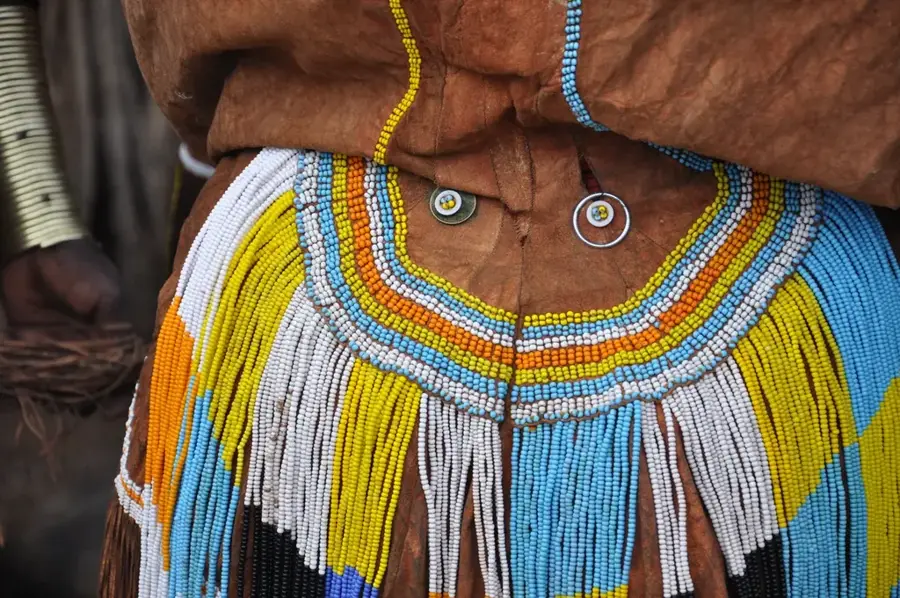
Handcrafted powder-glass beads world-famous for their complexity. Look for local women's cooperatives.
Traditional sandals made in Kiffa are durable and great for the desert environment.
Near the livestock market, you can find hand-woven ropes and traditional camel saddles.
Under large trees in central squares, you can often find a quiet spot for a traditional tea ceremony.
A short walk out of town provides vast views and total silence at sunset.
The bead-making workshops are often peaceful retreats away from the busy market center.
Water temperature…
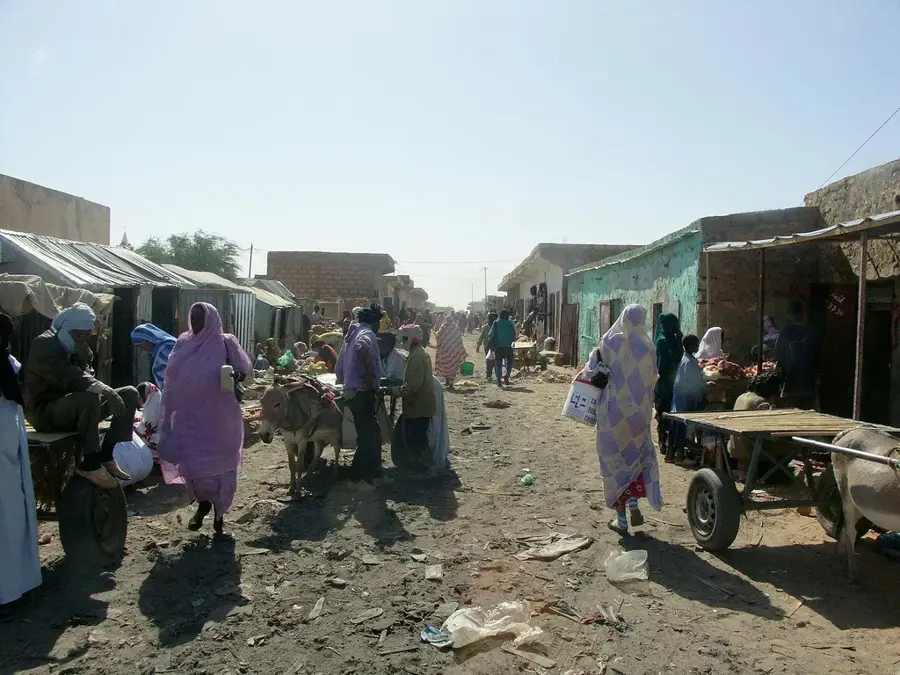
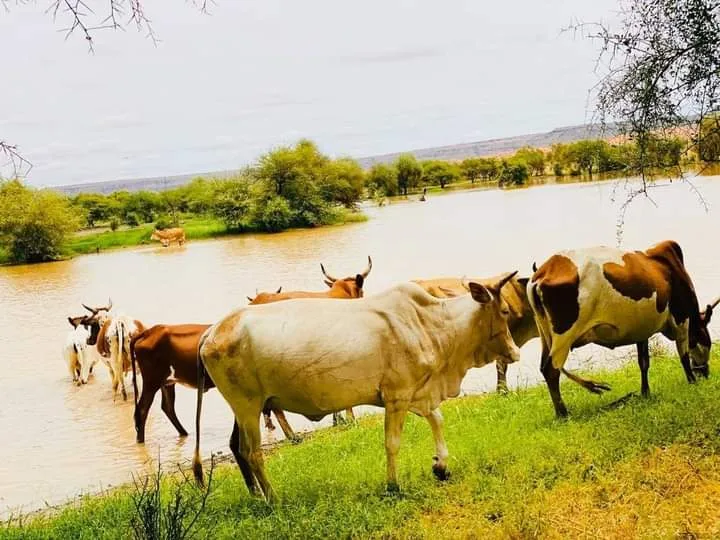
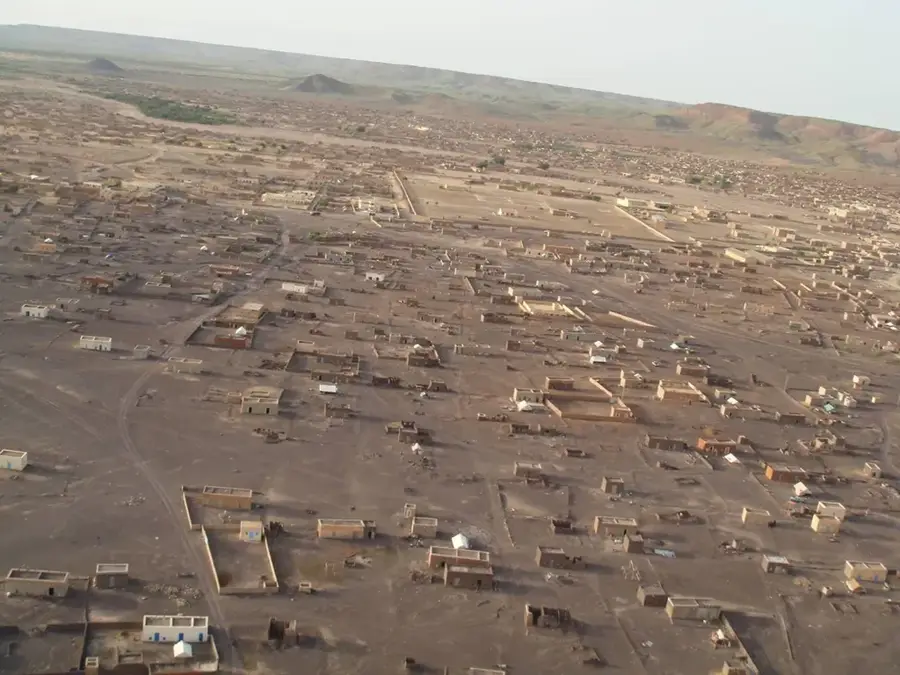
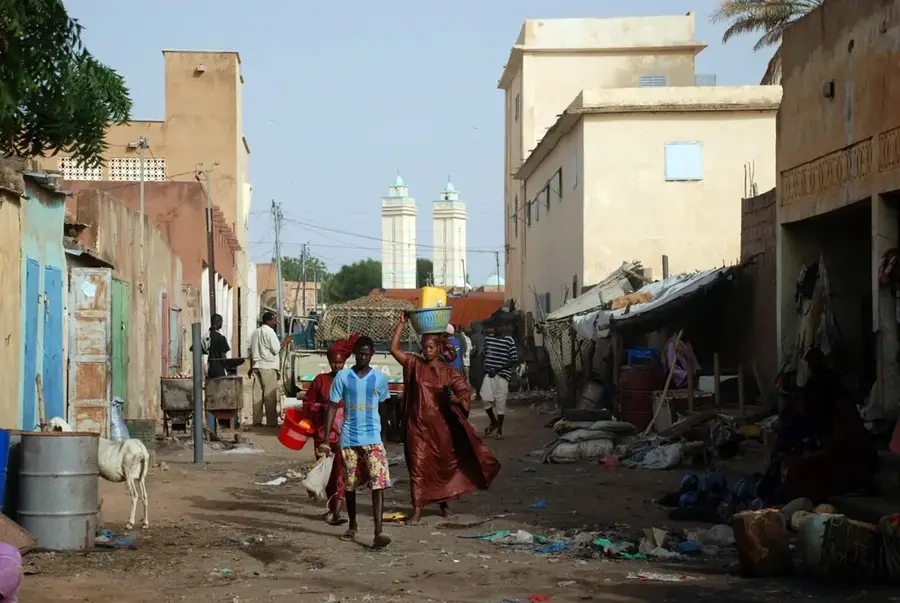
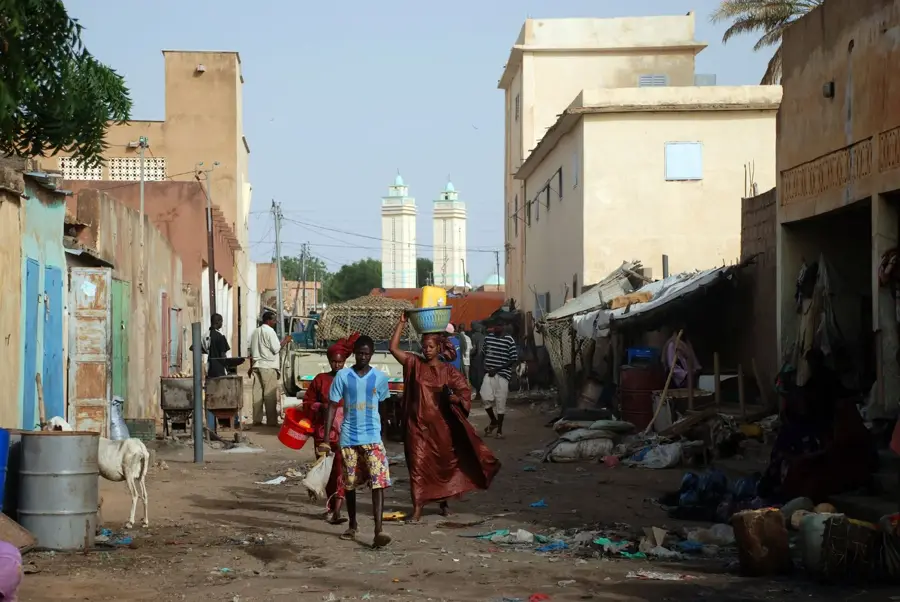
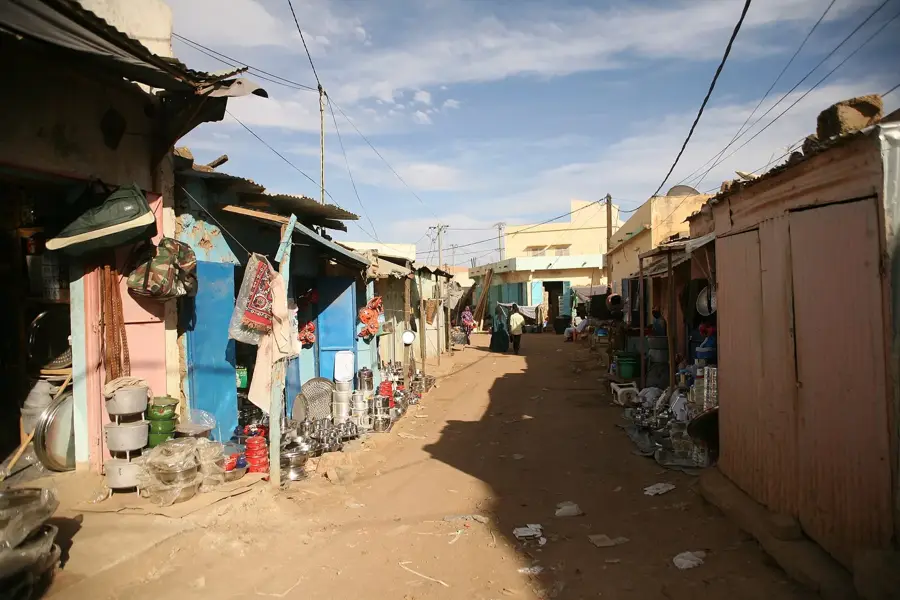
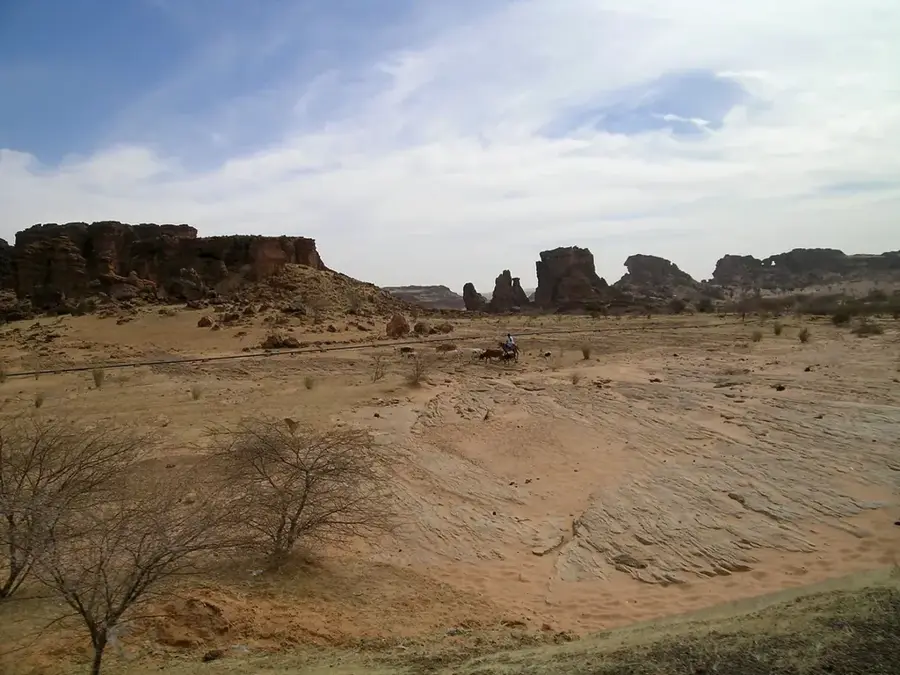
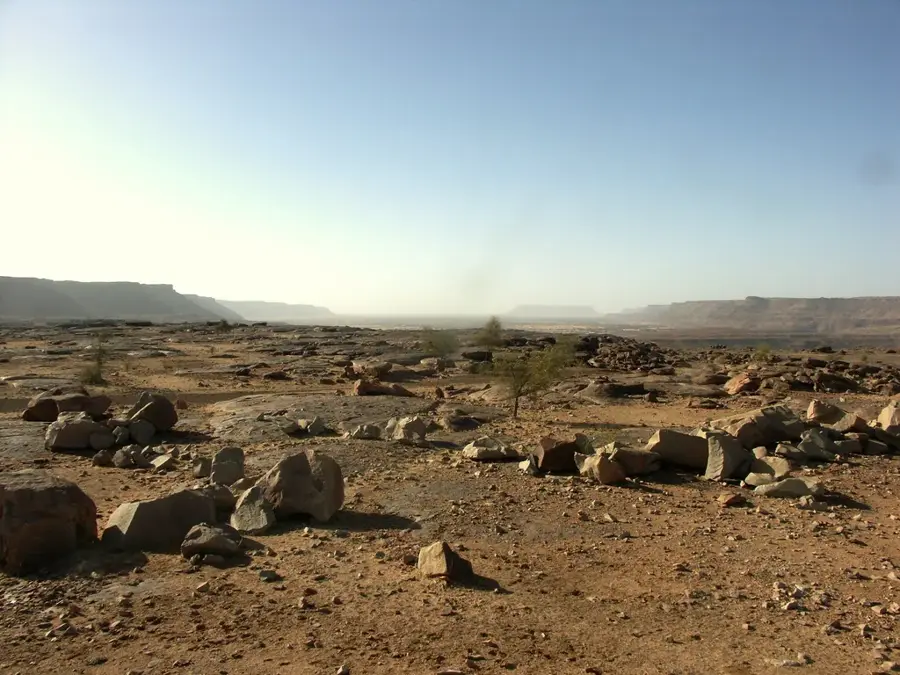
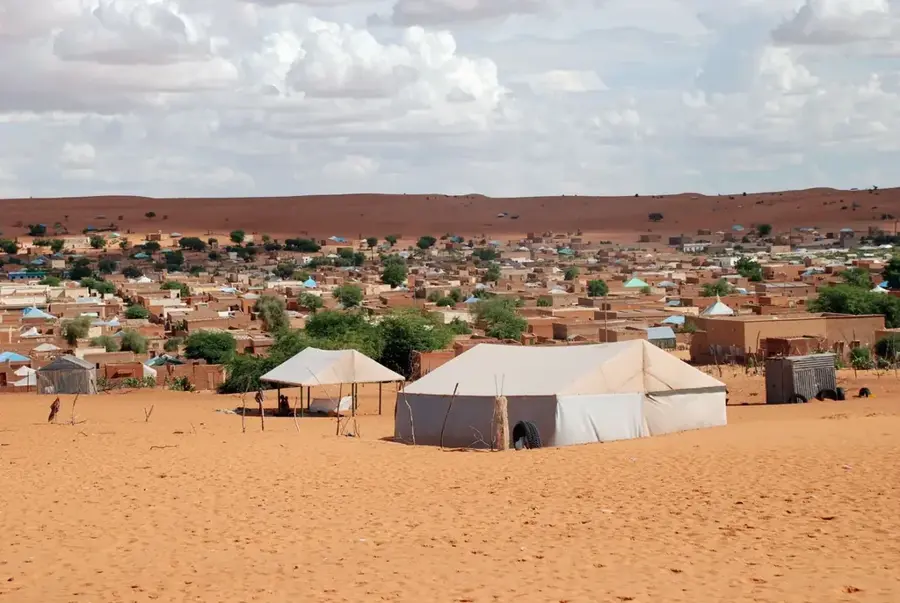
Kiffa is a major urban and commercial center in eastern Mauritania, acting as the administrative capital of the Assaba Region. Its location on the Route de l'Espoir, the country's most important highway, makes it a vital logistical hub between the capital and the remote eastern territories. The town is most famous for its bustling livestock markets, where nomadic herders and traders gather to buy and sell camels, cattle, and goats on a large scale. This animated economic activity defines the town's character and attracts people from across the Sahel. Kiffa is also historically recognized for its unique 'Kiffa beads,' intricately decorated glass beads made by local craftswomen using ancient techniques. As a regional trade base, it has essential services, schools, and medical facilities to the surrounding pastoral communities. The surrounding landscape, a mix of arid plains and rocky outcrops, reflects the town's role as a gateway to the vast Saharan hinterland.
Explore on the map
How well do you know Mauritania?
Find cities, landscapes and regions in 10 varied challenges on the interactive map.
Your journey, your memory
A postcard from Market Town Kiffa
Turn your own photo into a personal postcard with a local stamp. Free and no sign-up required.
Create a postcard- Location: Mauritania
- Nearby: Barkéol (35 km)
- Population: ~62.051 (2026)
Best time to visit & climate
The most pleasant time to visit is Jan, Feb, Dec.
| Jan | Feb | Mar | Apr | May | Jun | Jul | Aug | Sep | Oct | Nov | Dec | |
|---|---|---|---|---|---|---|---|---|---|---|---|---|
| Avg °C | 22 | 25 | 29 | 32 | 35 | 35 | 32 | 30 | 30 | 30 | 27 | 23 |
| Rain mm | 1 | 1 | 1 | 0 | 4 | 24 | 90 | 142 | 90 | 17 | 1 | 0 |
Geography
Facts
- Population: approx. 60,000 (2013 census)
- Elevation: 170 m (558 ft)
- Main market day: Saturday
- Number of mosques: over 20
- Distance to Nouakchott: 480 km (298 mi)
- Livestock market: average 5,000 animals per week
Explore nearby
Notable places around
Route planner — Car & Motorhome
Where do you start? We build the route here, with stops and country notes along the way.
© OpenStreetMap contributors · OpenRouteService
Sights in the town Market Town Kiffa (1)
Frequently asked questions
What is special about Kiffa?
Are there markets there?
What is the best way to travel?
Is it family friendly?
What should one taste?
Market Town Kiffa: where is it located?
Market Town Kiffa: when is the best time to visit?
Market Town Kiffa: why is it worth visiting?
Nearby cities