Plizio Visual Lab
Chouf Mountains
Weather…
Water temperature…
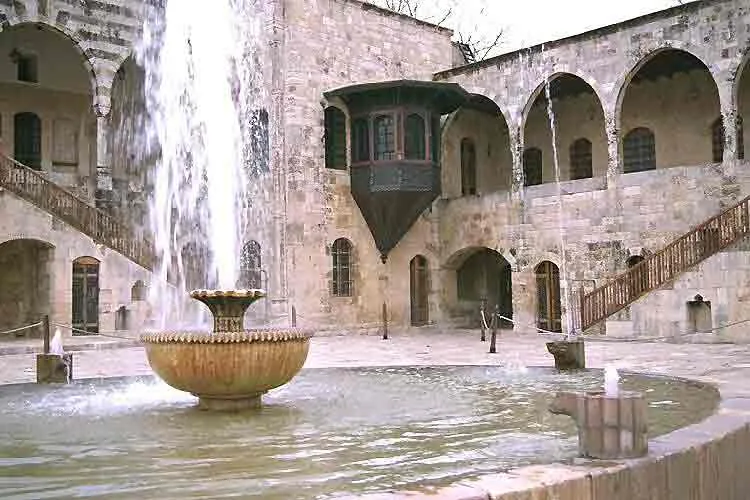
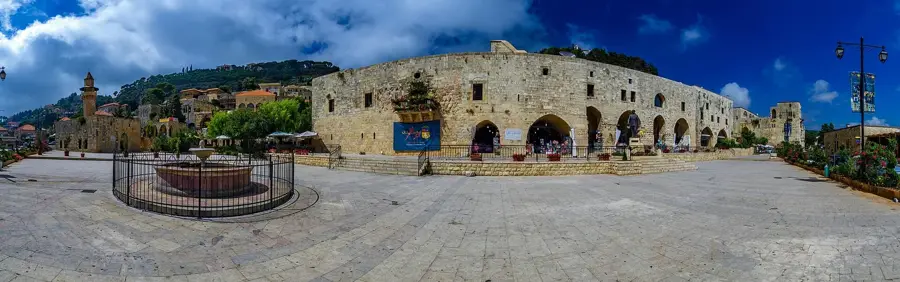
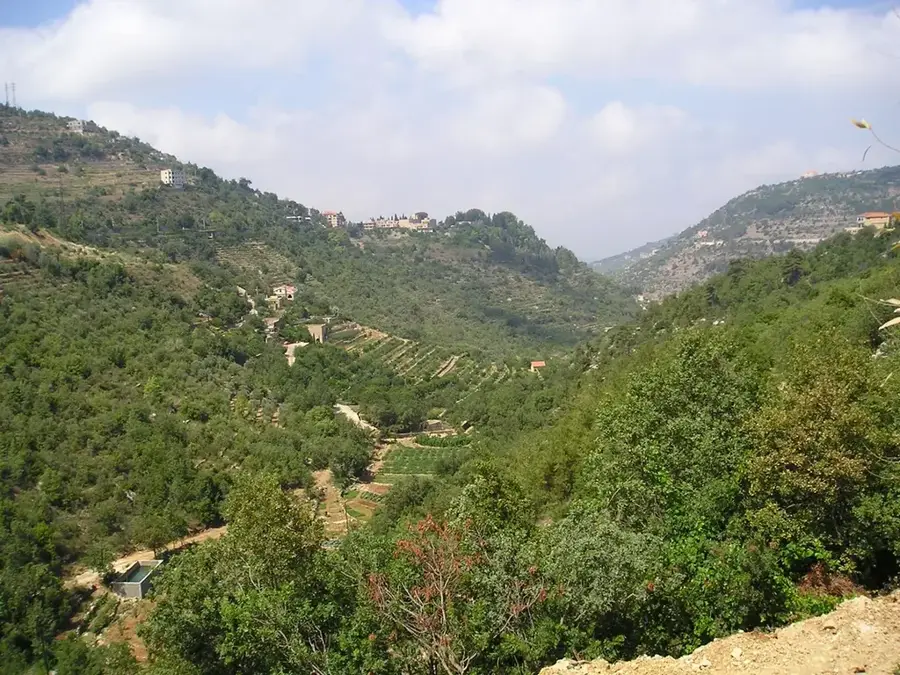
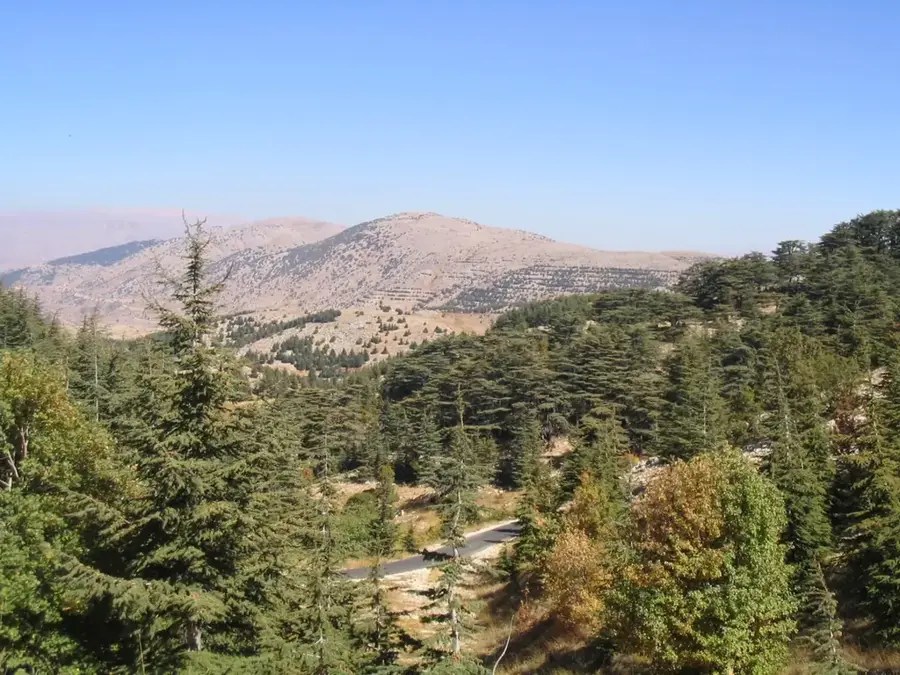
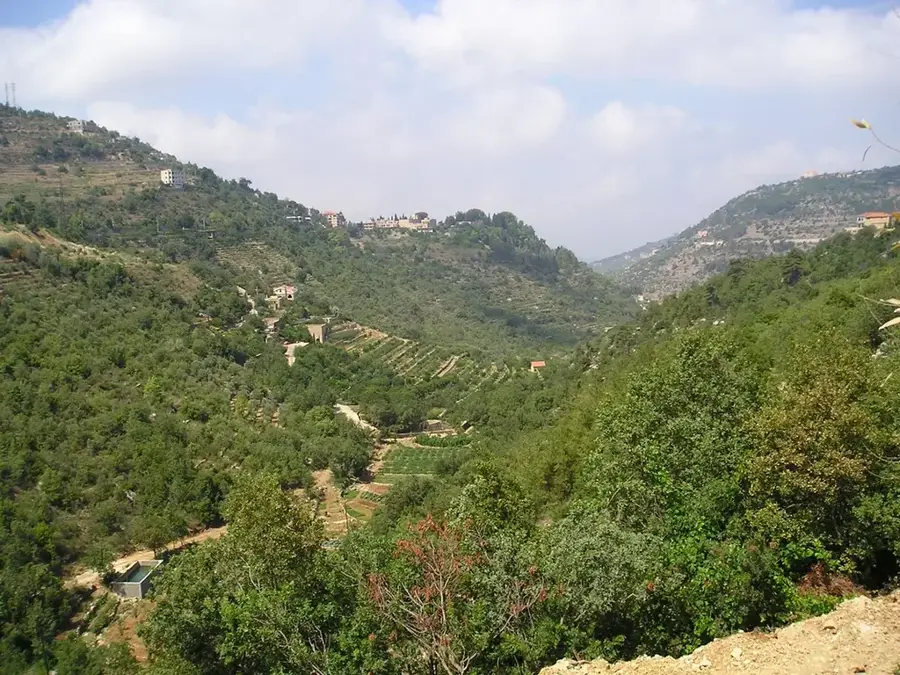
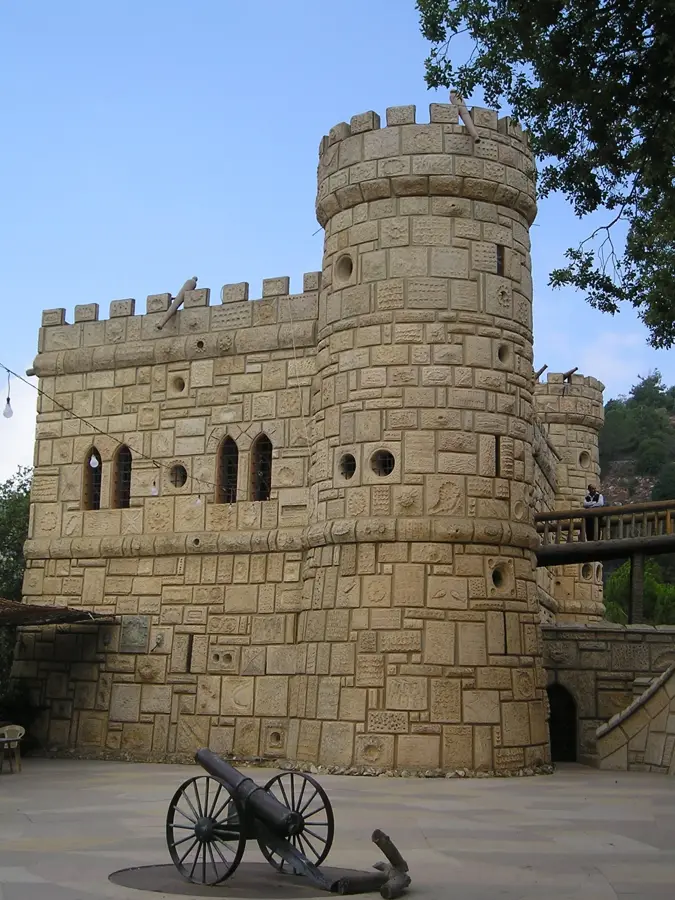
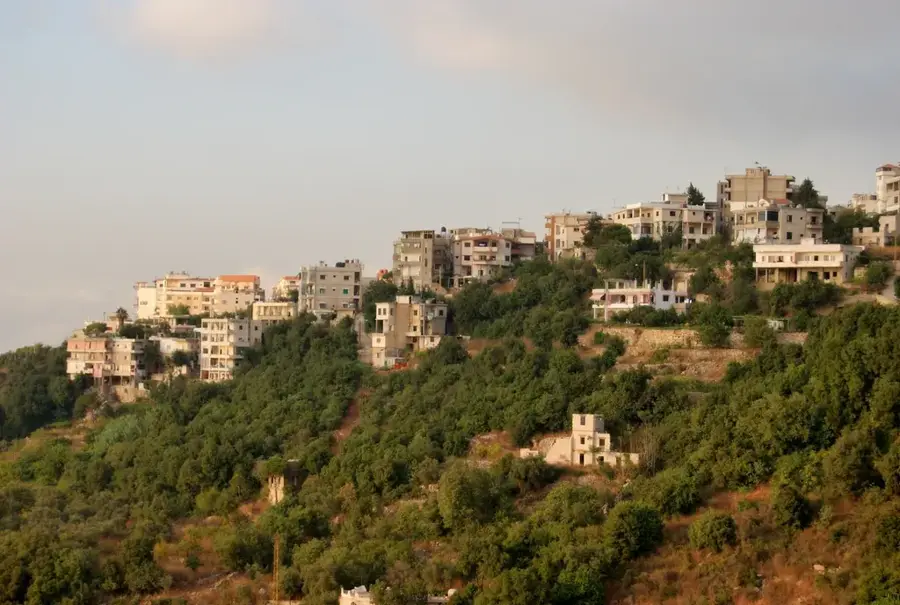
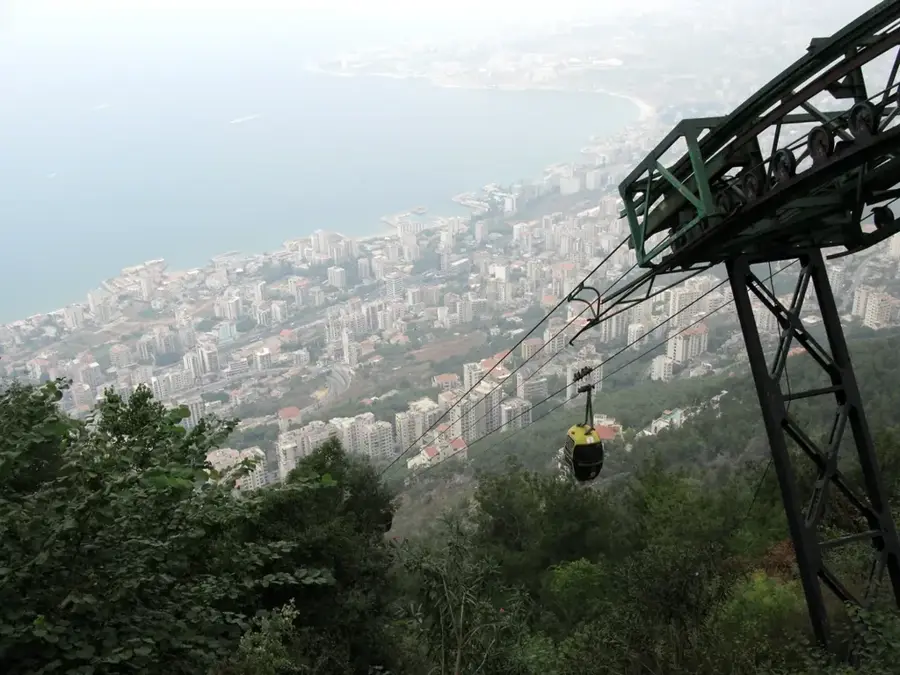
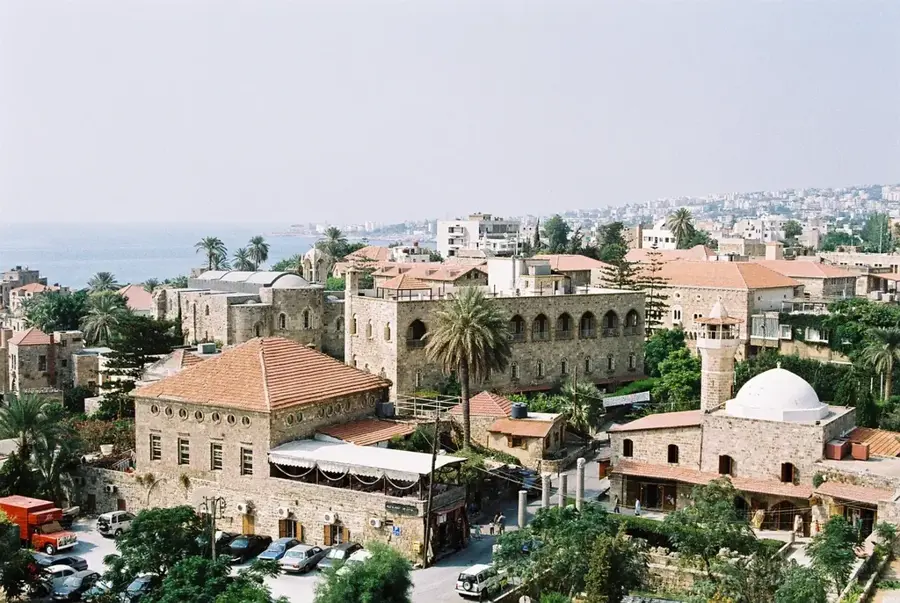
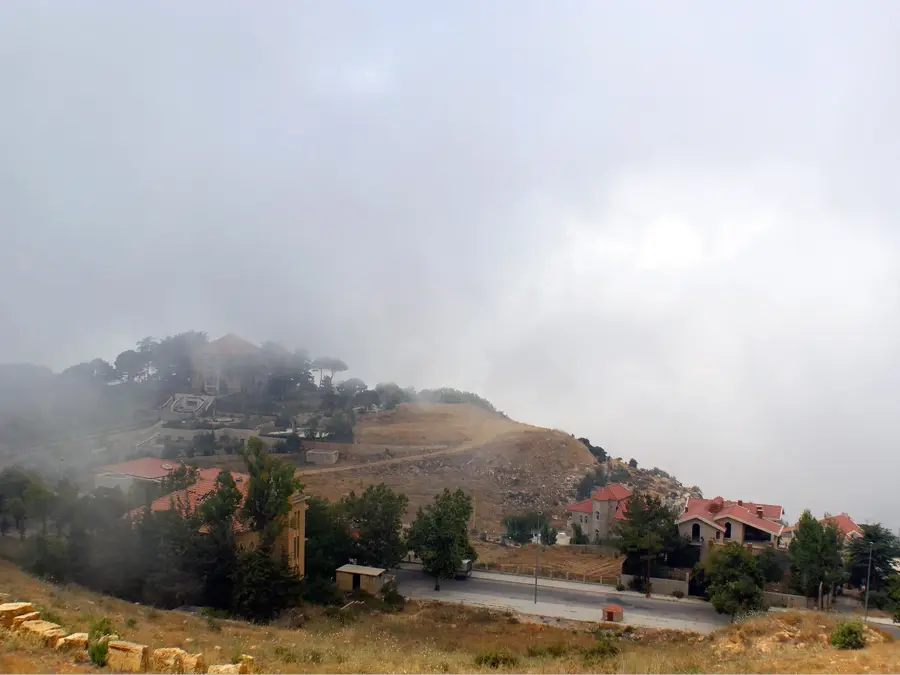
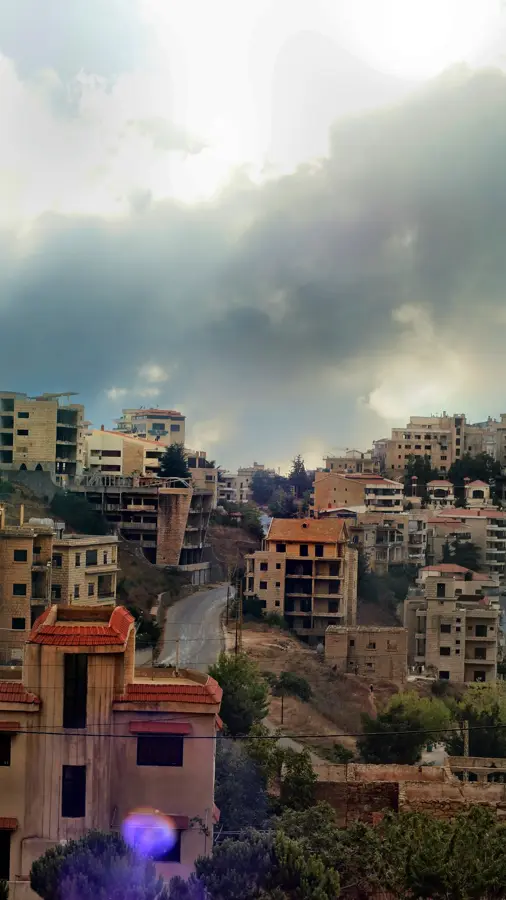
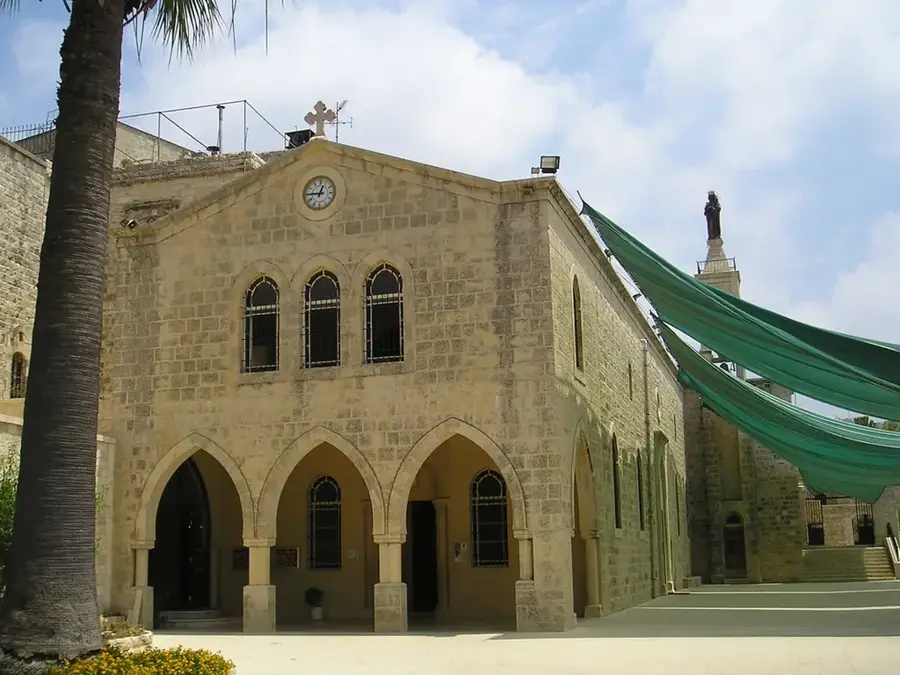
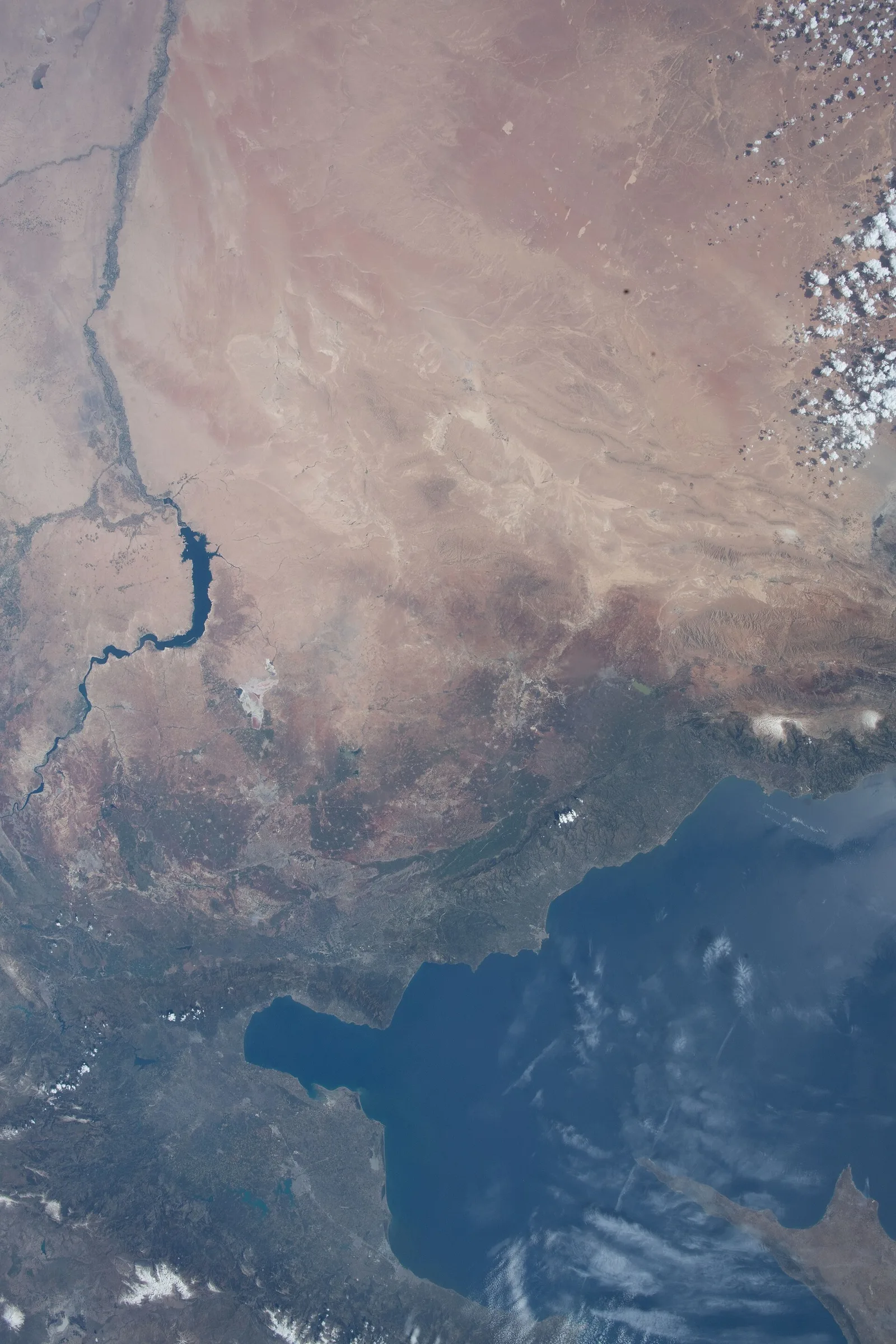
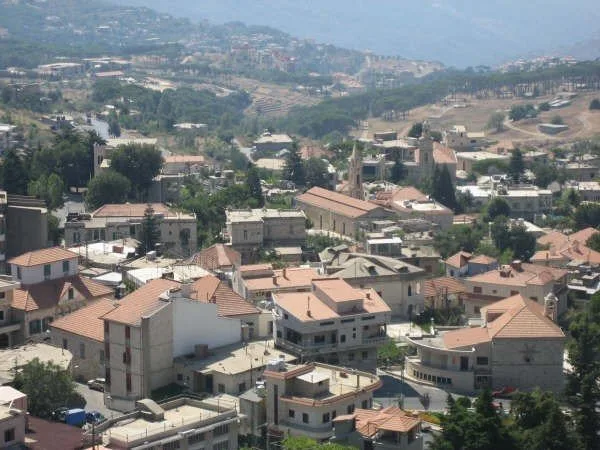
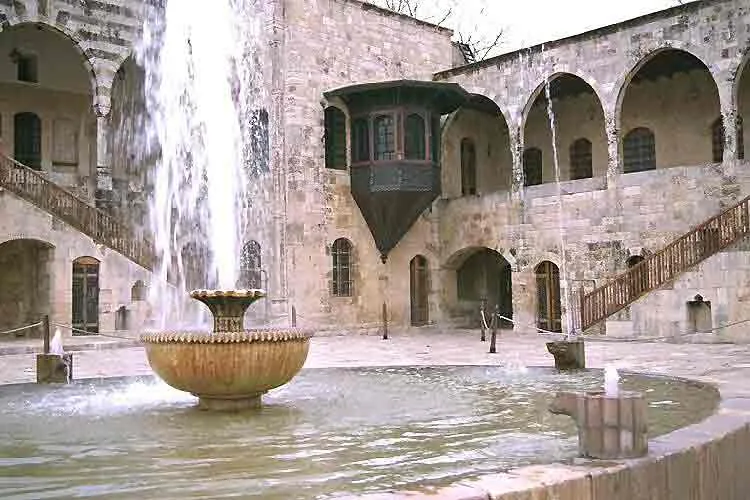
The Chouf Mountains in central Lebanon represent the cultural and spiritual heartland of the Druze community and house some of the nation's most precious natural assets. The region is primarily famous for the Chouf Cedar Reserve, Lebanon's largest nature reserve, which protects ancient groves of the iconic Cedrus libani trees. Geographically, the area spans rugged limestone slopes and fertile valleys that have been terraced for agriculture over centuries. Historically, the Chouf was the seat of power for the Emirs of Lebanon, as evidenced by the magnificent architecture of the Beiteddine Palace and the town of Deir el Qamar. The blend of historical heritage and ecological wealth makes the region a hub for sustainable eco-tourism. Hiking trails wind through the cedar forests, offering spectacular views of the Mediterranean Sea. Conservation efforts have led to the area being designated as a UNESCO Biosphere Reserve, ensuring the long-term protection of its unique flora and fauna while supporting local traditional mountain life.
Explore on the map
How well do you know Lebanon?
Find cities, landscapes and regions in 10 varied challenges on the interactive map.
Your journey, your memory
A postcard from Chouf Mountains
Turn your own photo into a personal postcard with a local stamp. Free and no sign-up required.
Create a postcard- Location: Lebanon
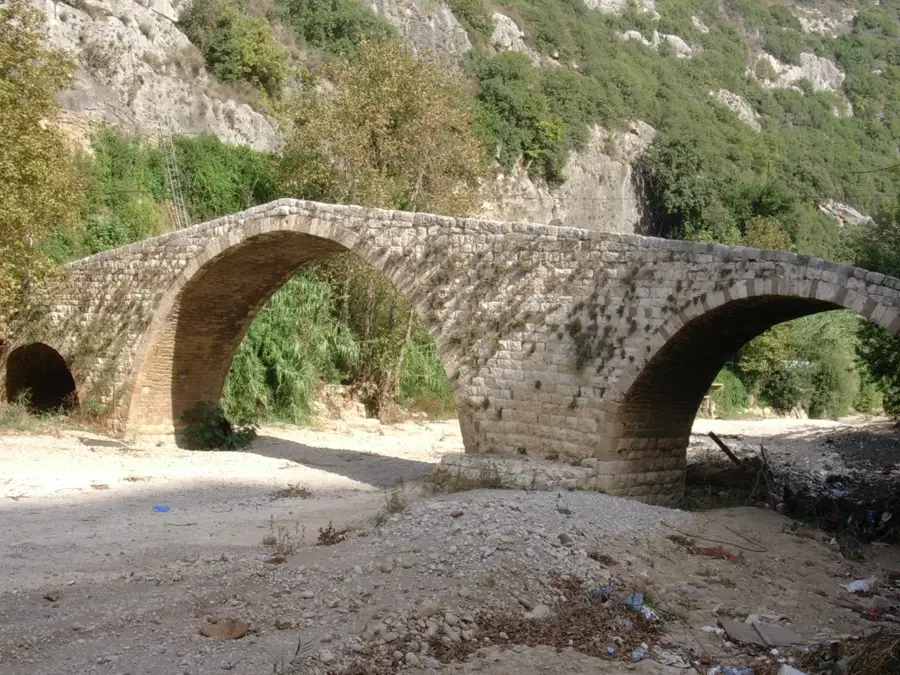
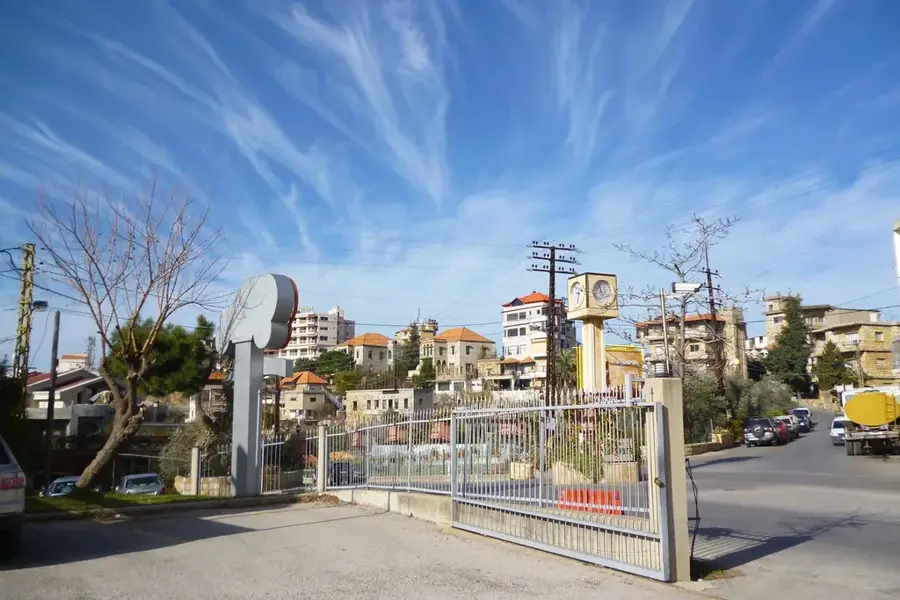
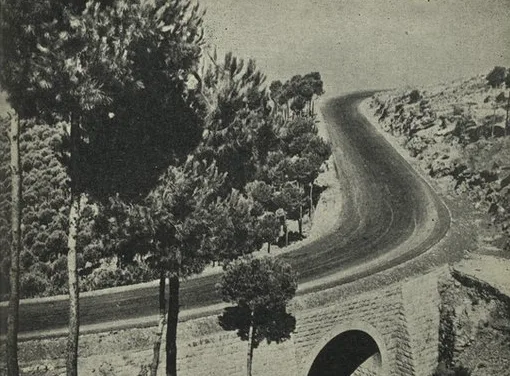
- Highlights: Al Arouss bridge and water reservoir · Kahlounieh Old Bridge · St. Mathieu
- Nearby: Deir el Qamar (5 km)
Best time to visit & climate
The most pleasant time to visit is May, Jun, Sep.
| Jan | Feb | Mar | Apr | May | Jun | Jul | Aug | Sep | Oct | Nov | Dec | |
|---|---|---|---|---|---|---|---|---|---|---|---|---|
| Avg °C | 7 | 8 | 11 | 14 | 19 | 23 | 25 | 25 | 23 | 19 | 14 | 9 |
| Rain mm | 99 | 80 | 39 | 23 | 7 | 1 | 0 | 0 | 3 | 18 | 50 | 83 |
📋 Practical info
Geography
Facts
- Contains Lebanon's largest nature reserve, covering 500 km²
- Protects approximately 25% of the remaining Lebanese cedar forests
- Recognized as a UNESCO Biosphere Reserve in 2005
- Historical seat of the Lebanese Emirs, featuring Beiteddine Palace
- Located in the Mount Lebanon Governorate, southeast of Beirut
- Home to cedar trees estimated to be over 2,000 years old
Explore nearby
Notable places around
Route planner — Car & Motorhome
Where do you start? We build the route here, with stops and country notes along the way.
© OpenStreetMap contributors · OpenRouteService
Sights in the town Chouf Mountains (3)
Sights nearby
Frequently asked questions
What is the main attraction in the Chouf Mountains?
Are there historical villages in Chouf?
Is there good hiking in Chouf?
When is the best time to visit?
How sustainable is tourism in Chouf?
Chouf Mountains: where is it located?
Chouf Mountains: what is there to see?
Chouf Mountains: when is the best time to visit?
Chouf Mountains: why is it worth visiting?
Nearby cities
History & landmarks
More places