Plizio Visual Lab
Phou Loei Massif

Weather…
Water temperature…
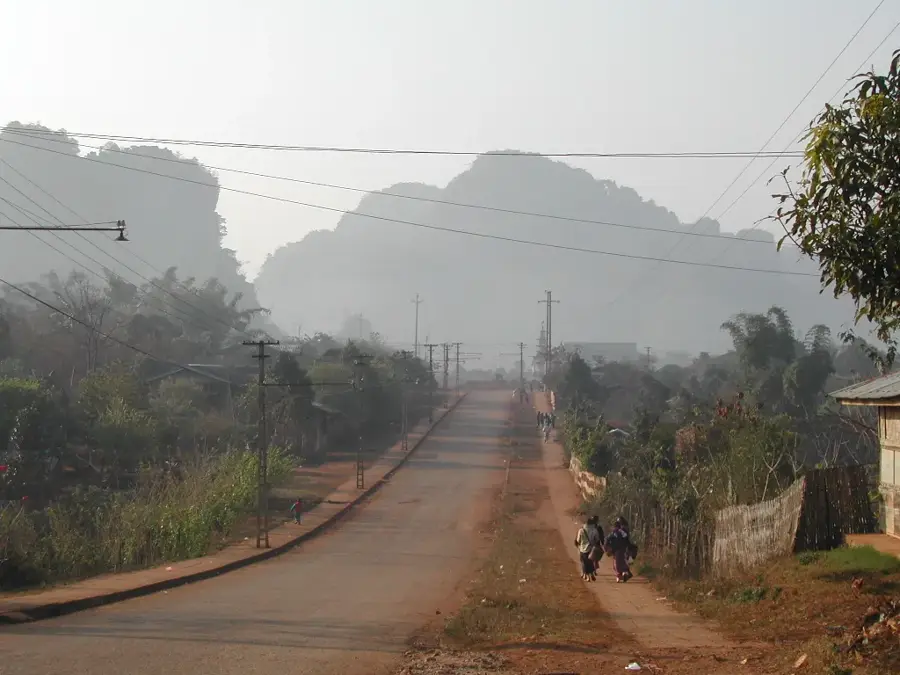
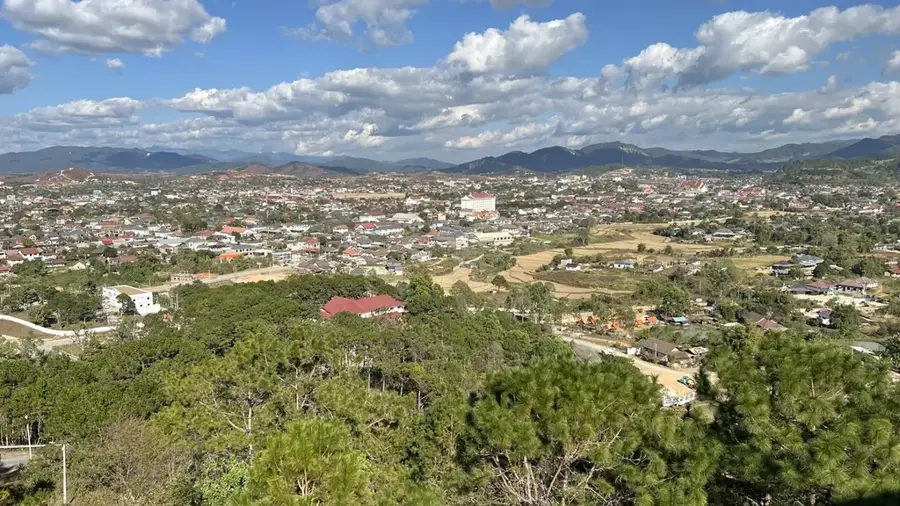
The Phou Loei Massif in northern Laos is one of the most pristine and ecologically significant mountain regions in Southeast Asia. Serving as the namesake for the Nam Et-Phou Louey National Protected Area, the massif reaches an elevation of 2,257 meters and is characterized by extremely steep terrain and dense cloud forests. This remoteness has historically protected one of Indochina's last viable tiger populations, although their current status is subject to intense conservation efforts. The region is a vital water source, giving rise to several important rivers such as the Nam Et and Nam Khan, which irrigate the surrounding lowlands. Botanically, the massif exhibits distinct vertical vegetation zones, ranging from tropical deciduous forests at the base to evergreen montane forests at the higher altitudes. Conservation of the massif is integrated with community-based ecotourism projects, designed to provide alternative livelihoods for local residents while deterring poaching. The area remains a frontier for scientific research due to its challenging accessibility.
Explore on the map
How well do you know Laos?
Find cities, landscapes and regions in 10 varied challenges on the interactive map.
Your journey, your memory
A postcard from Phou Loei Massif
Turn your own photo into a personal postcard with a local stamp. Free and no sign-up required.
Create a postcard- Location: Laos
- Nearby: Nam Et-Phou Louey (50 km)
Best time to visit & climate
The most pleasant time to visit is Feb, Mar, Nov.
| Jan | Feb | Mar | Apr | May | Jun | Jul | Aug | Sep | Oct | Nov | Dec | |
|---|---|---|---|---|---|---|---|---|---|---|---|---|
| Avg °C | 17 | 20 | 22 | 25 | 25 | 25 | 24 | 24 | 23 | 22 | 20 | 17 |
| Rain mm | 13 | 7 | 29 | 60 | 116 | 111 | 189 | 209 | 115 | 57 | 23 | 10 |
📋 Practical info
Geography
Facts
- Highest peak of the massif reaches 2,257 meters
- Core zone of the Nam Et-Phou Louey National Park
- Last known sanctuary for tigers within Laos
- Source of the Nam Et, Nam Khan, and Nam Seuang rivers
- Habitat for rare species like the northern white-cheeked gibbon
- Contains some of the most difficult terrain for rangers in the country
Explore nearby
Notable places around

Route planner — Car & Motorhome
Where do you start? We build the route here, with stops and country notes along the way.
© OpenStreetMap contributors · OpenRouteService
Sights in the town Phou Loei Massif (1)
Sights nearby
Frequently asked questions
What makes the Phou Loei Massif special?
Can you see tigers there?
How does the 'Nam Et Night Safari' work?
How is the access to the massif?
Are there trekking opportunities?
Phou Loei Massif: where is it located?
Phou Loei Massif: when is the best time to visit?
Phou Loei Massif: why is it worth visiting?

Nearby cities
History & landmarks
More places