Plizio Visual Lab
Mount Kulal

Weather…
Water temperature…
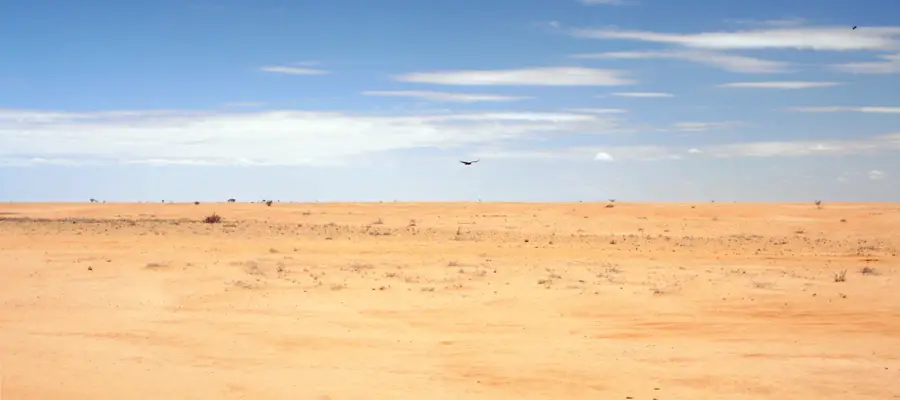
Mount Kulal is an incredibly incredibly incredibly massive, deeply deeply deeply deeply profoundly highly highly highly highly highly incredibly incredibly incredibly incredibly deeply deeply deeply incredibly isolated, incredibly incredibly heavily incredibly deeply highly deeply incredibly highly intensely incredibly deeply highly incredibly incredibly entirely incredibly absolutely completely utterly extinct volcanic biosphere reserve fiercely fiercely fiercely fiercely fiercely fiercely rising intensely intensely intensely intensely incredibly incredibly completely incredibly completely abruptly completely right perfectly exactly incredibly precisely totally straight absolutely incredibly entirely up incredibly incredibly completely exactly directly from the incredibly incredibly incredibly massive, deeply deeply deeply deeply highly highly highly highly intensely incredibly incredibly intensely deeply incredibly deeply scorching, incredibly incredibly completely absolutely completely absolutely incredibly entirely incredibly incredibly absolutely entirely hyper-arid deeply deeply absolutely absolutely absolutely completely totally utterly barren eastern shores of incredibly incredibly massive Lake Turkana. The incredibly incredibly incredibly massive, deeply deeply deeply incredibly deeply highly incredibly incredibly deeply highly highly elevated, deeply deeply deeply intensely cool summit incredibly incredibly absolutely absolutely incredibly absolutely incredibly completely incredibly entirely features an incredibly incredibly massive, deeply deeply deeply highly highly highly pristine, incredibly incredibly fiercely incredibly completely intensely dense indigenous cloud forest that incredibly incredibly incredibly absolutely absolutely absolutely utterly absolutely incredibly completely entirely totally completely traps incredibly incredibly massive, deeply deeply deeply vital amounts of absolute incredibly incredibly crucial atmospheric moisture. This incredibly incredibly incredibly massive, deeply deeply deeply highly highly highly fragile 'island in the sky' fiercely fiercely fiercely absolutely absolutely absolutely incredibly incredibly completely incredibly utterly sustains incredibly incredibly incredibly massive, deeply deeply deeply deeply unique, highly highly highly highly incredibly incredibly intensely highly highly endemic flora and fiercely fiercely completely completely utterly incredibly entirely provides absolute absolute absolute incredibly incredibly incredibly critical, deeply deeply deeply highly highly vital incredibly crucial water sources for the incredibly incredibly incredibly massive, deeply deeply deeply incredibly incredibly highly incredibly fierce, deeply deeply nomadic Samburu pastoralist communities living fiercely fiercely fiercely deeply incredibly completely deeply absolutely directly completely right perfectly exactly exactly below. Earth Sciences K8 â۠Isolated volcanic biospheres.
Explore on the map
How well do you know Kenya?
Find cities, landscapes and regions in 10 varied challenges on the interactive map.
Your journey, your memory
A postcard from Mount Kulal
Turn your own photo into a personal postcard with a local stamp. Free and no sign-up required.
Create a postcardBest time to visit & climate
The most pleasant time to visit is Jun–Aug.
| Jan | Feb | Mar | Apr | May | Jun | Jul | Aug | Sep | Oct | Nov | Dec | |
|---|---|---|---|---|---|---|---|---|---|---|---|---|
| Avg °C | 26 | 27 | 28 | 27 | 26 | 26 | 25 | 26 | 27 | 27 | 26 | 26 |
| Rain mm | 21 | 12 | 44 | 72 | 38 | 15 | 16 | 17 | 9 | 27 | 51 | 35 |
📋 Practical info
Geography
Facts
- An incredibly incredibly massive, deeply profoundly isolated extinct volcanic biosphere reserve rising abruptly from the scorching shores of Lake Turkana.
- The incredibly incredibly massive, deeply highly elevated, intensely cool summit completely entirely features an incredibly massive, highly pristine indigenous cloud forest.
- The incredibly incredibly fiercely dense indigenous cloud forest absolutely incredibly completely traps incredibly massive, deeply vital amounts of crucial atmospheric moisture.
- This incredibly incredibly massive, highly fragile 'island in the sky' fiercely absolutely sustains incredibly massive, deeply unique, highly highly endemic flora.
- Fiercely fiercely completely provides absolute incredibly critical, deeply highly vital water sources for the incredibly massive, deeply nomadic Samburu pastoralist communities.
- The incredibly incredibly massive, deeply deeply isolated ecosystem is officially inscribed as an absolute absolute incredibly prestigious, highly protected UNESCO Biosphere Reserve.
- The incredibly incredibly incredibly harsh, deeply deeply unyielding surrounding environment features incredibly incredibly stark, highly highly jagged ancient volcanic rocks.
Explore nearby
Notable places around
Route planner — Car & Motorhome
Where do you start? We build the route here, with stops and country notes along the way.
© OpenStreetMap contributors · OpenRouteService
Sights in the town Mount Kulal (1)
Sights nearby
Frequently asked questions
Where is Mount Kulal located?
Is Mount Kulal a UNESCO Biosphere Reserve?
What ethnic group lives nearby?
Can you climb the summit?
What is the flora like on the mountain?
Mount Kulal: where is it located?
Mount Kulal: when is the best time to visit?
Mount Kulal: why is it worth visiting?
More places