Plizio Visual Lab
Chalbi Desert
Weather…
Water temperature…
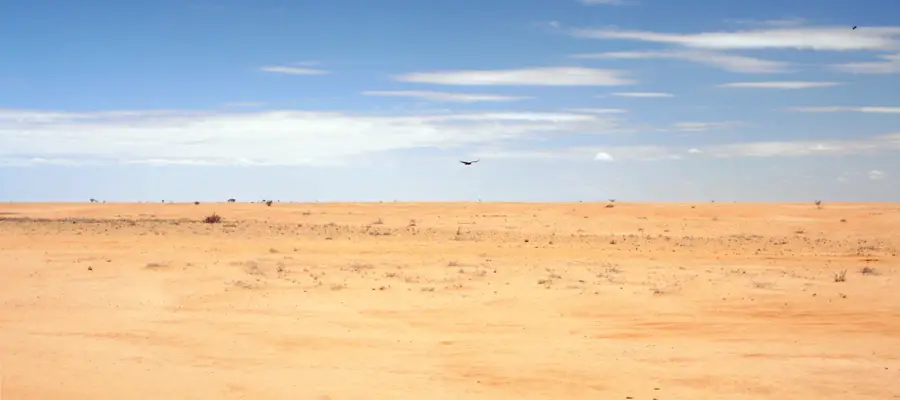
The Chalbi Desert, located in northern Kenya near the Ethiopian border in Marsabit County, is a vast salt pan and the driest region in the country. Geologically, it is the bed of an ancient lake that existed during the wetter climatic phases of the Quaternary period, now covered by a white, saline crust. During the rainy season, the desert often transforms into a shallow lake, making travel across the region nearly impossible, while in the dry season, it presents a shimmering, flat expanse. The area is traditionally inhabited by the Gabbra people, camel-owning nomads who have adapted to the extreme conditions and temperatures that frequently exceed 40 degrees Celsius. Amidst the barren landscape lie oases such as Kalacha, which feature palm trees and provide vital water sources for both humans and livestock. The desert plays a central role in regional hydrology, serving as a sink for seasonal rivers flowing from the surrounding volcanic highlands like the Marsabit massif.
Explore on the map
How well do you know Kenya?
Find cities, landscapes and regions in 10 varied challenges on the interactive map.
Your journey, your memory
A postcard from Chalbi Desert
Turn your own photo into a personal postcard with a local stamp. Free and no sign-up required.
Create a postcardBest time to visit & climate
The most pleasant time to visit is Jun–Aug.
| Jan | Feb | Mar | Apr | May | Jun | Jul | Aug | Sep | Oct | Nov | Dec | |
|---|---|---|---|---|---|---|---|---|---|---|---|---|
| Avg °C | 29 | 31 | 31 | 29 | 29 | 28 | 28 | 28 | 29 | 29 | 28 | 29 |
| Rain mm | 16 | 10 | 48 | 86 | 32 | 7 | 7 | 8 | 5 | 31 | 56 | 36 |
📋 Practical info
Geography
Facts
- The Chalbi Desert covers an area of approximately 100,000 square kilometers.
- The name 'Chalbi' in the Gabbra language translates to 'bare and salty'.
- Daytime temperatures in the desert regularly rise above 43 degrees Celsius.
- It is the only place in Kenya where mirages are a common and frequent occurrence.
- About 10,000 years ago, the basin was part of a large lake connected to the Turkana system.
- The desert floor sits at an average elevation of 435 to 500 meters above sea level.
Explore nearby
Notable places around
Route planner — Car & Motorhome
Where do you start? We build the route here, with stops and country notes along the way.
© OpenStreetMap contributors · OpenRouteService
Sights nearby
Frequently asked questions
What can you expect in the Chalbi Desert?
Can the desert be crossed safely?
Are there oases in the Chalbi Desert?
When is the hottest time?
Which ethnic groups live there?
Chalbi Desert: where is it located?
Chalbi Desert: when is the best time to visit?
Chalbi Desert: why is it worth visiting?
More places