Plizio Visual Lab
Ishakani Ruins

Weather…
Water temperature…
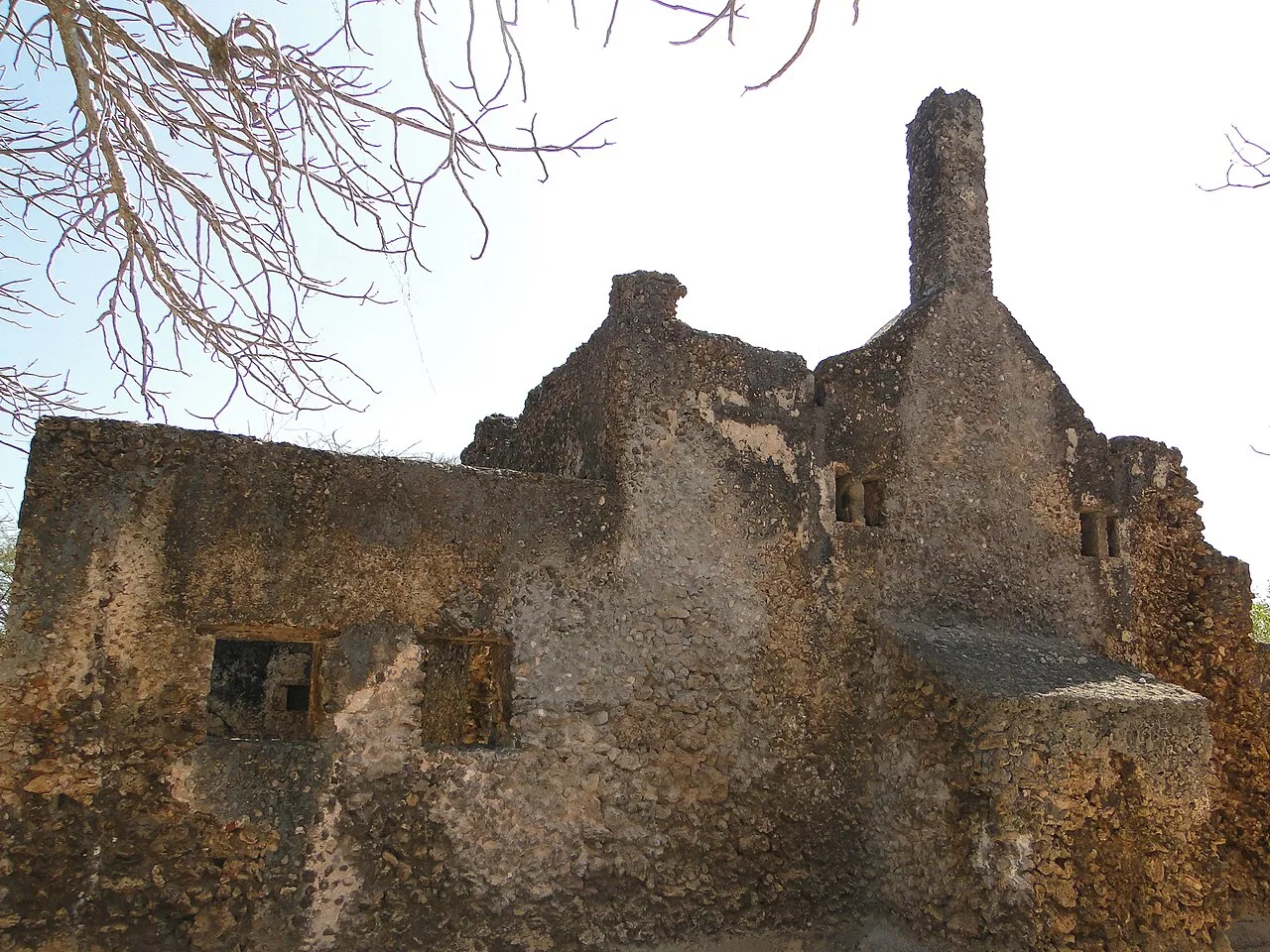
The Ishakani Ruins represent an incredibly remote, deeply mysterious archaeological site situated on the extreme northern coast of Kenya, literally straddling the Somali border. Dating from the 15th to the 17th centuries, the site is globally renowned for containing the highest concentration of highly elaborate Swahili pillar tombs in East Africa. These massive coral stone structures are uniquely adorned with inset Ming Dynasty porcelain bowls and feature highly complex, deeply carved geometric motifs. Unlike other major Swahili settlements, Ishakani lacks massive palace structures, suggesting it may have served primarily as a highly venerated, deeply sacred burial ground or a specialized outpost for the coastal ivory trade. The extreme geographical isolation of the site has kept it highly preserved, yet deeply under-researched.
Explore on the map
How well do you know Kenya?
Find cities, landscapes and regions in 10 varied challenges on the interactive map.
Your journey, your memory
A postcard from Ishakani Ruins
Turn your own photo into a personal postcard with a local stamp. Free and no sign-up required.
Create a postcard- Location: Kenya
- Nearby: Manda Island (76 km)
Best time to visit & climate
The most pleasant time to visit is Jul–Sep.
| Jan | Feb | Mar | Apr | May | Jun | Jul | Aug | Sep | Oct | Nov | Dec | |
|---|---|---|---|---|---|---|---|---|---|---|---|---|
| Avg °C | 29 | 29 | 30 | 29 | 27 | 26 | 25 | 26 | 27 | 28 | 28 | 28 |
| Rain mm | 9 | 3 | 25 | 118 | 220 | 112 | 65 | 34 | 28 | 75 | 108 | 61 |
📋 Practical info
Geography
Facts
- An incredibly remote archaeological site located exactly on the Kenya-Somalia border.
- Dates primarily from the highly prosperous Swahili period of the 15th to 17th centuries.
- Features the absolute highest concentration of elaborate Swahili pillar tombs in East Africa.
- The massive coral tombs are highly decorated with inset Chinese Ming Dynasty porcelain.
- Lacks the massive palace ruins typical of other major Swahili city-states like Gedi.
- Likely served as a highly specialized, deeply sacred regional burial ground.
- Remains heavily unexcavated and highly preserved due to its extreme geographical isolation.
Explore nearby
Notable places around
Route planner — Car & Motorhome
Where do you start? We build the route here, with stops and country notes along the way.
© OpenStreetMap contributors · OpenRouteService
Sights nearby
Frequently asked questions
What are the Ishakani Ruins?
How old are these ruins?
Is it safe to visit?
What can be seen there?
How do you reach Ishakani?
Ishakani Ruins: where is it located?
Ishakani Ruins: when is the best time to visit?
Ishakani Ruins: why is it worth visiting?
Nearby cities
More places