Plizio Visual Lab
Sugimoto Residence
The Sugimoto Residence, located in Kyoto's Shimogyo-ku district, is one of the largest and most authentic examples of a traditional merchant townhouse (machiya). The current main building was reconstructed in 1870 following the Great Fire of Kyoto in 1864, which destroyed much of the city center. It served as both the residence and business headquarters for the Sugimoto family, who were prominent textile merchants operating under the trade name Nara-ya. The complex consists of several interconnected wings, internal courtyards (tsuboniwa), and storehouses (kura), reflecting the high-status urban architecture of the late Edo and early Meiji periods. The residence plays a vital role during the Gion Festival, acting as a site where the treasures of the Kannon-yama float are stored and displayed. Designated as an Important Cultural Property in 1990 and a National Site of Scenic Beauty in 2011, it provides rare insight into the domestic and commercial life of a historic Kyoto merchant house.
Explore on the map
How well do you know Japan?
Find cities, landscapes and regions in 10 varied challenges on the interactive map.
Your journey, your memory
A postcard from Sugimoto Residence
Turn your own photo into a personal postcard with a local stamp. Free and no sign-up required.
Create a postcard- Location: Japan
- Highlights: Kyoto Seishu Netsuke Art Museum · Katsura Imperial Villa · Saga Arashiyama Museum of Arts and Culture
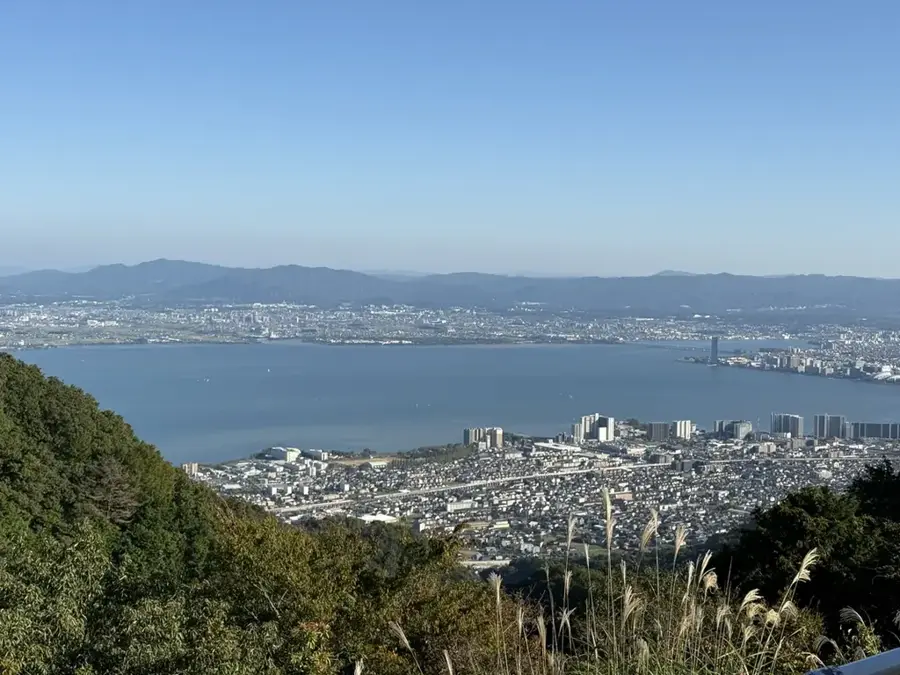
- Nearby: Lake Biwa (41 km)
Best time to visit & climate
The most pleasant time to visit is Jun, Aug, Sep.
| Jan | Feb | Mar | Apr | May | Jun | Jul | Aug | Sep | Oct | Nov | Dec | |
|---|---|---|---|---|---|---|---|---|---|---|---|---|
| Avg °C | 1 | 2 | 6 | 11 | 16 | 20 | 24 | 25 | 21 | 15 | 9 | 4 |
| Rain mm | 72 | 78 | 115 | 135 | 156 | 192 | 220 | 154 | 208 | 176 | 85 | 82 |
📋 Practical info
Geography
Facts
- The current main house was built in 1870 after the 1864 Great Fire of Kyoto.
- The residence was designated an Important Cultural Property in 1990.
- It is one of the most extensive examples of machiya architecture in Kyoto.
- The Sugimoto family specialized in the textile trade under the name Nara-ya.
- The house hosts the decorations for the Kannon-yama float during the Gion Festival.
- The gardens were designated a National Site of Scenic Beauty in 2011.
Explore nearby
Notable places around
Route planner — Car & Motorhome
Where do you start? We build the route here, with stops and country notes along the way.
© OpenStreetMap contributors · OpenRouteService
Sights in the town Sugimoto Residence (9)
Sights nearby
Frequently asked questions
What is the Sugimoto Residence?
Is it open to the public?
Where is the house located?
What can you see inside?
Is there a tea ceremony held there?
Sugimoto Residence: where is it located?
Sugimoto Residence: what is there to see?
Sugimoto Residence: when is the best time to visit?
Sugimoto Residence: why is it worth visiting?

Nearby cities




History & landmarks
Nature
More places