Plizio Visual Lab
Kashiwazaki-Kariwa Nuclear Power Plant
Weather…
Water temperature…
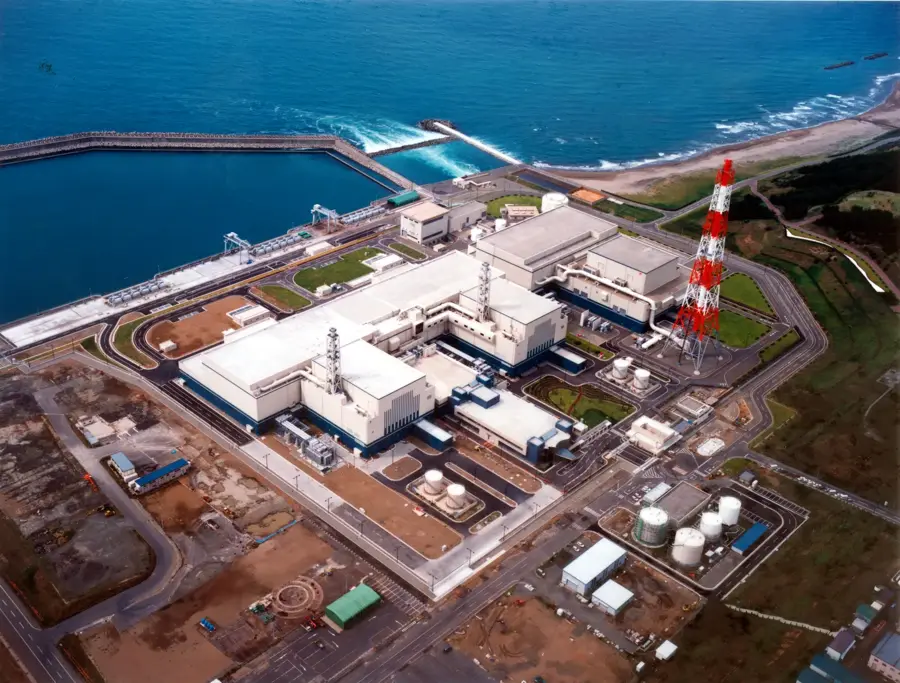
The Kashiwazaki-Kariwa Nuclear Power Plant in Niigata Prefecture is the world's largest nuclear power station by net electrical capacity. Operated by Tokyo Electric Power Company (TEPCO), it features seven reactors with a total net output of over 8,000 megawatts. The plant spans an area of 4.2 square kilometers along the Sea of Japan. Since its commissioning in 1985, it has been a central pillar of energy supply for the Tokyo metropolitan area. However, the facility has frequently made headlines due to seismic activity, particularly after the 2007 Niigata-Chuetsu-Oki earthquake, which led to extensive safety retrofitting. Following the Fukushima nuclear disaster, all reactors were shut down for safety inspections. TEPCO has since been working on implementing the most stringent safety standards to enable a restart. The power plant remains a symbol of the debate over nuclear energy in Japan and the technical challenges of building large-scale infrastructure in earthquake-prone regions.
Explore on the map
How well do you know Japan?
Find cities, landscapes and regions in 10 varied challenges on the interactive map.
Your journey, your memory
A postcard from Kashiwazaki-Kariwa Nuclear Power Plant
Turn your own photo into a personal postcard with a local stamp. Free and no sign-up required.
Create a postcard- Location: Japan
- Highlights: Gyoutsuji · Kimura Tea Ceremony Art Museum · Kashiwazaki City Museum
- Nearby: Izumozaki (15 km)
Best time to visit & climate
The most pleasant time to visit is May, Jun, Sep.
| Jan | Feb | Mar | Apr | May | Jun | Jul | Aug | Sep | Oct | Nov | Dec | |
|---|---|---|---|---|---|---|---|---|---|---|---|---|
| Avg °C | 2 | 3 | 5 | 10 | 16 | 20 | 24 | 26 | 22 | 16 | 10 | 5 |
| Rain mm | 205 | 122 | 122 | 101 | 92 | 129 | 219 | 159 | 171 | 168 | 187 | 248 |
📋 Practical info
Geography
Facts
- Total installed capacity is 8,212 megawatts.
- Features seven reactors (five BWRs and two ABWRs).
- The first reactor was commissioned in 1985.
- World's largest nuclear power plant by net electrical capacity.
- Severely affected by a major earthquake in 2007.
- Units 6 and 7 are modernized Advanced Boiling Water Reactors.
Explore nearby
Notable places around
Route planner — Car & Motorhome
Where do you start? We build the route here, with stops and country notes along the way.
© OpenStreetMap contributors · OpenRouteService
Sights in the town Kashiwazaki-Kariwa Nuclear Power Plant (4)
Kimura Tea Ceremony Art Museum🏛 museum
A museum showcasing tea bowls and utensils set within a beautiful Japanese garden.
Sights nearby
Frequently asked questions
How large is the Kashiwazaki-Kariwa NPP?
Can you visit the power plant?
Where is the plant located?
Is the plant currently operating?
Why is safety so important here?
Kashiwazaki-Kariwa Nuclear Power Plant: where is it located?
Kashiwazaki-Kariwa Nuclear Power Plant: what is there to see?
Kashiwazaki-Kariwa Nuclear Power Plant: when is the best time to visit?
Kashiwazaki-Kariwa Nuclear Power Plant: why is it worth visiting?

Nearby cities
Nature
More places